
Understanding esphome devices in the context of smart doorbells
What Makes ESPHome Devices Unique for Smart Doorbells?
ESPHome is an open-source platform that allows you to create custom firmware for ESP-based hardware, such as ESP32 and ESP8266 boards. These boards are the heart of many DIY smart doorbell projects. With ESPHome, users can easily integrate sensors, cameras, and other smart devices into their doorbell setup using simple YAML configuration files. This flexibility means you can tailor your smart doorbell to your specific needs, whether you want to add temperature humidity sensors, connect to a voice assistant, or control other devices in your home.
How ESPHome Integrates with Smart Doorbell Hardware
ESPHome devices are built to work seamlessly with a wide range of hardware. You can use off-the-shelf ESP boards or buy kits from vendors like Seeed Studio. Once you have your hardware, you flash the ESPHome firmware onto your device, transforming it into a smart doorbell controller. The configuration process is accessible, even for beginners, thanks to the YAML-based setup. This approach enables integration with sensors, relays, and even cameras, making your doorbell more than just a button.
- Supports integration with popular voice assistants
- Allows for custom automation and control
- Compatible with a variety of sensors and smart devices
- Open-source repository for community-driven projects and updates
Why Choose ESPHome for Your Smart Doorbell Project?
One of the main advantages of using ESPHome is the ability to customize every aspect of your smart doorbell. Whether you want to add a temperature humidity sensor, connect to a voice assistant, or automate notifications, ESPHome gives you the tools to do so. The platform's active community and extensive documentation make it easier to get started with your first ESPHome project. For those comparing different smart doorbell solutions, understanding the flexibility and control offered by ESPHome can be a game-changer. For a detailed comparison of commercial options, check out this comprehensive guide to comparing Ring doorbell models.
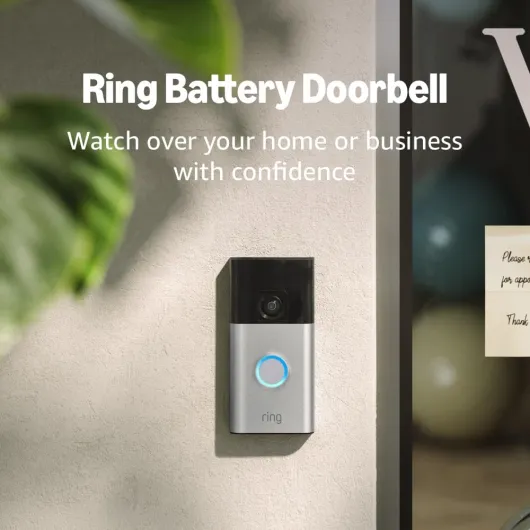
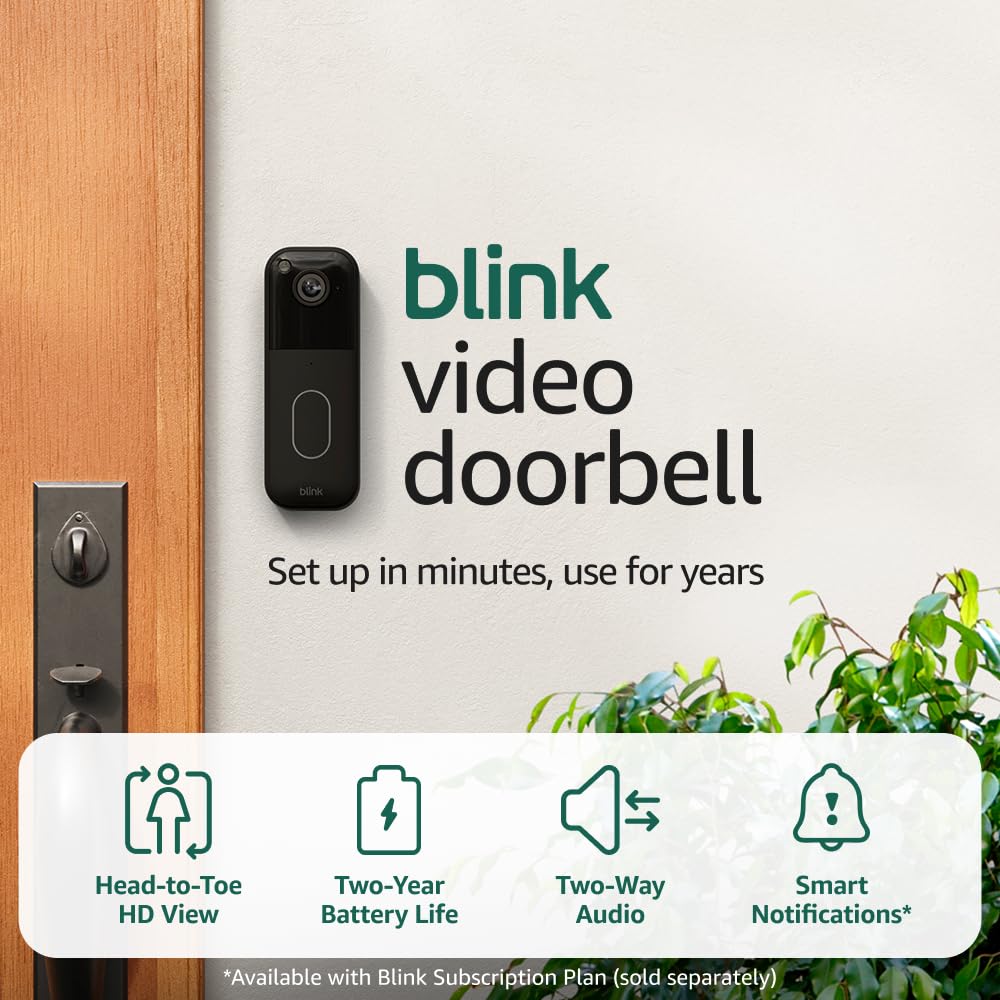
- + Head-to-Toe video
- + Live View
- + Two-Way Talk
- + Motion Detection & Alerts
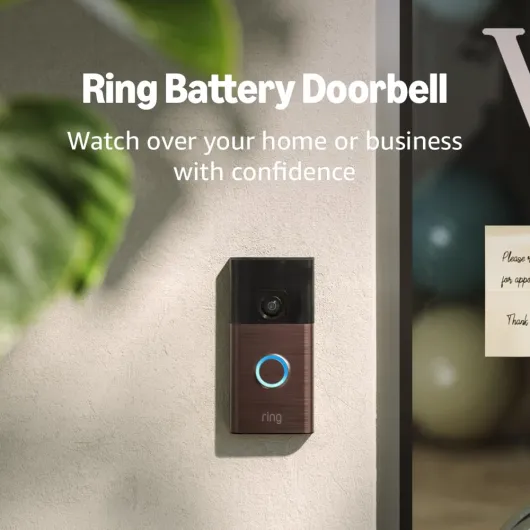
- + Suitable for Home or Business

Key features of esphome-powered smart doorbells
What Makes an ESPHome-Powered Doorbell Stand Out?
When you look at smart doorbells built with ESPHome, you’ll notice they offer a unique blend of flexibility and control. ESPHome is an open-source platform that lets users create custom firmware for ESP-based devices, such as the popular ESP32 and ESP8266 boards. This approach allows you to tailor your smart doorbell to your specific needs, from hardware choices to software features.
- Customizable Hardware: ESPHome supports a wide range of sensors and modules. You can integrate temperature, humidity, and motion sensors, or even add a camera for video previews. This means your doorbell can do more than just ring—it can monitor your entryway environment.
- Flexible Configuration: ESPHome uses simple YAML configuration files. Even if you’re new to smart devices, you can get started with basic templates and gradually add more advanced features. The YAML configuration makes it easy to tweak settings or add new sensors as your project evolves.
- Voice Assistant Integration: Many ESPHome devices work with popular voice assistants. This lets you control your doorbell or receive notifications using voice commands, making daily interactions more convenient.
- Open Source Repository: The ESPHome project maintains an active repository with frequent updates and community-contributed examples. This means you can find inspiration for your own projects or troubleshoot issues with help from others.
- Firmware Control: By flashing ESPHome firmware onto your ESP board, you gain full control over updates and features. You’re not locked into a manufacturer’s ecosystem, which is a big plus for privacy and long-term support.
How ESPHome Devices Enhance Smart Doorbells
ESPHome-powered doorbells can be much more than a simple button. With the right sensors and configuration, your device can detect motion, monitor temperature and humidity, and even trigger automations in your smart home system. For example, you could set up your doorbell to turn on a porch light when someone approaches, or send a snapshot to your phone when the button is pressed.
Many users appreciate the ability to buy hardware from sources like Seeed Studio or Amazon, then flash ESPHome firmware for a fully customized experience. Whether you’re building a project from scratch or upgrading an existing doorbell, ESPHome gives you the tools to create a solution that fits your needs.
Getting Started with ESPHome Projects
If you’re interested in exploring ESPHome devices for your smart doorbell, you’ll find plenty of resources and community projects to help you get started. The process usually involves selecting compatible hardware, writing a YAML configuration, and flashing the ESPHome firmware onto your device. Once set up, you can continue to refine your project, adding new features or integrating with other smart devices in your home.
For those comparing different smart doorbell options, it’s helpful to review guides on choosing the right model. You can find more details in this comprehensive guide to choosing the right Ring doorbell model.
Benefits of using esphome devices for your smart doorbell
Why esphome devices stand out for smart doorbells
When considering a smart doorbell, the flexibility and customization offered by esphome devices are hard to ignore. Esphome is an open-source platform that lets you create custom firmware for ESP-based hardware, such as ESP32 or ESP8266 boards. This means you can tailor your smart doorbell to your specific needs, whether you want advanced sensors, voice assistant integration, or unique automation features.
Customization and control at your fingertips
One of the main advantages is the ability to use simple YAML configuration files. These files let you define exactly how your esphome device behaves, from triggering a chime to sending notifications to your phone. You can add sensors for temperature, humidity, or even motion detection, making your doorbell more than just a button. With esphome, you’re not limited to what’s built into commercial products—you can expand your project as your needs grow.
- Full control: Adjust every aspect of your device’s behavior through YAML configuration.
- Integration: Easily connect with popular voice assistants and smart home platforms.
- Open-source flexibility: Access a large repository of community-driven esphome projects and configuration examples.
Cost-effective and future-proof
Another benefit is cost. With esphome, you can use affordable hardware from brands like Seeed Studio or even repurpose existing ESP boards. This makes it easy to get started without a big investment. Plus, since the firmware is open-source, you’re not locked into a single ecosystem or dependent on a manufacturer’s updates. You can update your esphome firmware or add new features as the community evolves.
Enhanced privacy and local control
Many users are concerned about privacy when it comes to smart devices. Esphome devices process data locally, so you don’t have to rely on cloud services from big companies like Amazon. This gives you more control over your data and reduces the risk of unwanted data sharing.
Seamless integration with your smart home
Esphome-powered doorbells can be integrated with other smart devices in your home, allowing for creative automations. For example, you can trigger lights, send alerts to your voice assistant, or even monitor temperature and humidity at your front door. If you want to learn more about how smart connectivity can enhance your doorbell experience, check out this in-depth guide on smart connectivity for doorbells.
Challenges and considerations when choosing esphome for your doorbell
Compatibility and Integration Hurdles
When considering esphome for your smart doorbell project, one of the first challenges is ensuring compatibility between your chosen esp board, sensors, and existing smart devices. Not all hardware is supported out of the box, so checking the esphome repository for compatible devices is essential. Integrating with popular voice assistants or platforms like Amazon Alexa may require additional configuration or third-party components, which can add complexity to your setup.
Technical Skills and Configuration
Getting started with esphome devices often means working with yaml configuration files. While simple yaml makes customization flexible, it can be intimidating for those new to coding or home automation. Flashed esphome firmware must be correctly installed on your esp hardware, and mistakes in configuration can lead to device instability. For those less experienced, the learning curve may be steeper compared to plug-and-play smart doorbell solutions.
Firmware Updates and Security
Maintaining your esphome device involves regular firmware updates to patch vulnerabilities and add features. Unlike commercial products that push automatic updates, esphome projects rely on the user to manually update the firmware. This means you need to stay informed about updates from the esphome community and apply them to keep your smart doorbell secure.
Hardware Sourcing and Reliability
Choosing and buying the right esp board, sensors, and other hardware can be a challenge. While platforms like Seeed Studio offer a range of compatible devices, not all components are built to the same standard. Reliability can vary, especially if you source parts from different vendors. Testing your setup before final installation is recommended to ensure consistent performance.
Support and Troubleshooting
Unlike mainstream smart doorbell brands, esphome projects rely heavily on community support. If you encounter issues with your configuration or hardware, solutions may not be as readily available. Forums and online documentation are valuable resources, but troubleshooting can be time-consuming, especially for unique setups or advanced features like temperature humidity sensors or assistant voice integration.
Practical tips for setting up an esphome smart doorbell
Getting Your Hardware Ready
Before you dive into your esphome project, make sure you have the right hardware. Most smart doorbell setups use an ESP board, like the ESP8266 or ESP32. These boards are affordable and widely supported by esphome firmware. You’ll also need sensors—commonly a camera module, a button, and sometimes temperature humidity sensors for extra features. Some users buy from Seeed Studio or Amazon for reliable parts. Always check device compatibility with esphome devices before you buy.
Flashing the Firmware
Once you have your hardware, the next step is to flash esphome firmware onto your ESP board. Esphome provides a simple process for this. Download the esphome assistant or use the web-based tool, connect your device, and follow the prompts. Make sure you have the latest firmware version from the official esphome repository. This step is crucial for a stable smart doorbell experience.
Writing and Testing Your YAML Configuration
Configuration files in esphome use YAML, which is easy to read and edit. Start with a simple YAML configuration—define your sensors, button, and any voice assistant integration you want. Esphome’s documentation and community projects offer many examples to help you get started esphome. Test your configuration locally before deploying. If you’re new, look for preview edition templates or community-shared esphome projects to speed up the process.
Integrating with Smart Home Assistants
Many users want their esphome device to work with a voice assistant like Amazon Alexa or Google Assistant. Make sure your configuration includes the right integrations. This allows you to control your smart doorbell with voice commands and get notifications on your smart devices. Review the esphome assistant documentation for step-by-step guidance.
Practical Troubleshooting Tips
- Double-check your wiring and sensor connections before powering up your device.
- If your device isn’t detected, reflash the esphome firmware and verify the board selection in your configuration files.
- Use the esphome logs to diagnose issues with sensors or voice control features.
- Keep your firmware and configuration updated by following the official esphome repository.
With careful setup and attention to detail, you can build a reliable, customizable smart doorbell using esphome devices. The flexibility of YAML configuration and the broad support for ESP hardware make it accessible for both beginners and advanced users.
Popular esphome-compatible devices for smart doorbells
Leading hardware choices for esphome doorbell projects
When building a smart doorbell with esphome, the hardware you select is crucial. The ESP family of boards, especially the ESP8266 and ESP32, are the backbone of most esphome projects. These boards are affordable, widely available, and well-supported by the esphome firmware. Many users prefer the ESP32 for its extra processing power and built-in Bluetooth, which can be useful for integrating additional sensors or voice assistant features.
| Device | Key Features | Why Choose It? |
|---|---|---|
| ESP32 Dev Board | Wi-Fi, Bluetooth, multiple GPIO pins, supports advanced sensors | Great for projects needing extra power or voice assistant integration |
| ESP8266 NodeMCU | Wi-Fi, compact, cost-effective, easy to flash esphome firmware | Popular for simple smart doorbell setups |
| Seeed Studio XIAO ESP32C3 | Ultra-small, low power, compatible with esphome | Ideal for space-constrained installations |
Common sensors and modules to enhance your smart doorbell
- PIR motion sensors: Detect movement at your door and trigger notifications or video recording.
- Camera modules: ESP32-CAM is a popular choice for adding video preview and streaming to your esphome device.
- Microphone and speaker modules: Enable two-way audio or voice assistant features, making your doorbell more interactive.
- Temperature and humidity sensors: Add environmental monitoring to your smart doorbell project for extra value.
Getting started with esphome-compatible devices
To begin, select an ESP board that fits your needs and budget. Many online retailers, including Amazon and Seeed Studio, offer a variety of compatible hardware. Once you have your device, flashing esphome firmware is straightforward using the esphome assistant or the official esphome repository. Configuration is managed with simple YAML files, allowing you to customize sensors, automations, and integrations with other smart devices or voice assistants.
For those new to esphome projects, there are many community guides and configuration files available to help you get started. The flexibility of esphome devices means you can build a smart doorbell that fits your specific requirements, whether you want basic notifications or advanced assistant voice control.