
Understanding what makes a device an iot device
What Defines an IoT Device?
When we talk about the Internet of Things (IoT), we refer to a network of devices that connect to the internet, sharing data and enabling smarter living. An IoT device is more than just a gadget; it’s a combination of sensors, connectivity, and software that allows it to collect, transmit, and sometimes act on data in real time. These devices can range from smart doorbells and thermostats to healthcare monitors and asset tracking systems.
Core Features of IoT Devices
- Connectivity: IoT devices rely on internet connectivity to communicate with other devices, cloud platforms, or smartphone apps. This connectivity is what enables remote control and real-time monitoring.
- Sensors: Most IoT devices include sensors that gather data such as temperature, humidity, air quality, or motion. These sensors are the foundation for smart automation and energy management.
- Data Processing: The data collected by sensors is processed, often using cloud-based systems, to provide insights or trigger actions. For example, a smart doorbell can send a notification to your phone when someone is at the door.
- Power Management: Battery life and power consumption are critical for IoT devices, especially those that need to operate for long periods without frequent charging.
Why IoT Devices Matter in Daily Life
IoT technology is transforming how we interact with our homes and workplaces. From improving security with smart doorbells to monitoring energy usage and even supporting healthcare for patients, the possibilities are vast. These devices offer real-time control and monitoring, making daily routines more efficient and informed.
For those interested in a deeper dive into how different smart devices compare, especially in the context of home security, you might find this comparison of Google Nest Doorbell and Ring Camera helpful. It provides practical examples of how IoT solutions are shaping connected homes.
Examples of IoT in Action
- Smart doorbells that use motion sensors and cameras for security
- Energy monitoring systems that track power consumption in real time
- Healthcare devices for remote patient monitoring
- Air quality sensors that help maintain a healthy environment
- Asset tracking devices for businesses
Understanding what makes a device an IoT device is the first step in building a connected home. As we move forward, smart doorbells stand out as a leading example of IoT innovation, offering both convenience and enhanced security.

Smart doorbells as a leading example of iot innovation
Why Smart Doorbells Stand Out in the IoT Landscape
Smart doorbells have quickly become one of the most recognizable examples of IoT innovation in the connected home. These devices combine sensors, real-time data transmission, and internet connectivity to deliver a seamless experience for homeowners. Unlike traditional doorbells, smart versions leverage IoT technology to offer features such as video monitoring, two-way communication, and instant alerts to your smartphone app.
How Smart Doorbells Integrate with Connected Systems
At the core, a smart doorbell is an IoT device that connects to your home network and interacts with other smart devices. It uses a range of sensors—like motion detectors, temperature and humidity sensors, and even air quality monitors in some models—to provide real-time updates. This integration allows for advanced control and monitoring, enhancing both security and convenience. For example, when a visitor presses the button or triggers a sensor, the device can send a notification to your phone, activate a camera, or even adjust lighting through connected systems.
- Security: Real-time video and audio streams help you monitor your doorstep from anywhere.
- Energy Efficiency: Many smart doorbells are designed for low power consumption and long battery life.
- Data Insights: IoT sensors collect data that can be used for asset tracking or monitoring activity patterns.
Smart Doorbells as a Gateway to Broader IoT Solutions
Smart doorbells are often the first step in building a connected home. Their ability to integrate with other IoT devices—like smart locks, lighting systems, and even iot healthcare solutions—demonstrates the power of IoT connectivity. Homeowners can create automated routines, such as turning on lights when motion is detected or monitoring temperature and humidity for comfort and safety.
For those interested in enhancing their smart doorbell experience, integrating Decora switches can offer even more control and flexibility. Learn more about how Decora switches enhance your smart doorbell experience.
| Feature | Traditional Doorbell | Smart Doorbell (IoT) |
|---|---|---|
| Connectivity | Wired, no network | Wi-Fi, IoT network |
| Sensors | None | Motion, temperature, humidity, air quality |
| Monitoring | None | Real-time video, audio, data |
| Control | Manual | Remote via smartphone app |
| Integration | Standalone | Works with other smart devices and systems |
Key benefits of using smart doorbells
Enhanced Home Security and Real-Time Monitoring
Smart doorbells stand out among IoT devices for their ability to boost home security. By connecting to your home network, these smart devices let you see and communicate with visitors in real time, even when you are away. The integration of IoT sensors, such as motion detectors and cameras, means you receive instant alerts on your smartphone app whenever someone approaches your door. This real-time monitoring helps deter unwanted visitors and provides a clear record of activity at your doorstep, supporting both security and peace of mind.Convenience and Remote Control
One of the top IoT benefits is the convenience of remote access. With a smart doorbell, you can answer the door from anywhere using your smartphone. Whether you are at work or on vacation, you can interact with delivery personnel or guests without being physically present. This level of control, powered by IoT connectivity, is a major reason why these devices are so popular in connected homes.Energy Efficiency and Power Management
Smart doorbells are designed to optimize power consumption. Many models use efficient battery systems and only activate their cameras or sensors when motion is detected, extending battery life. Some devices even integrate with other IoT solutions, such as smart lighting or energy monitoring systems, to further reduce unnecessary energy use. This makes them a practical choice for homeowners looking to manage their energy usage.Easy Installation and Integration
Modern smart doorbells are built for easy installation, often requiring no drilling or complex wiring. This is especially helpful for renters or those who want a hassle-free setup. For a step-by-step guide on effortless installation, check out this Ring Doorbell no drill mount tutorial. Many devices also integrate seamlessly with other smart home systems, such as temperature humidity sensors, air quality monitors, and asset tracking devices, creating a unified IoT ecosystem.- Receive instant notifications and video feeds via the internet
- Monitor your home in real time from anywhere
- Control and customize settings through a smartphone app
- Integrate with other IoT devices for enhanced automation
Data Insights and Smart Alerts
Smart doorbells collect data on activity patterns, which can be useful for monitoring trends over time. Some systems offer advanced features like facial recognition or package detection, using IoT technology to provide smarter, more relevant alerts. This data-driven approach helps homeowners make informed decisions about their security and daily routines. In summary, smart doorbells exemplify the power of IoT devices by combining security, convenience, and energy efficiency. Their ability to connect, monitor, and control your entryway in real time makes them a leading example of how IoT solutions are transforming the modern home.Other common examples of iot devices in daily life
Everyday Connected Devices Beyond the Doorbell
Smart doorbells are just one example of how the Internet of Things (IoT) is transforming homes. Many other devices now use sensors, connectivity, and real-time data to make daily life easier, safer, and more efficient. Here are some practical examples of IoT devices you might find in a connected home:
- Smart thermostats: These devices use temperature and humidity sensors to monitor and control your home’s climate. They can adjust settings automatically to save energy and optimize comfort, often through a smartphone app.
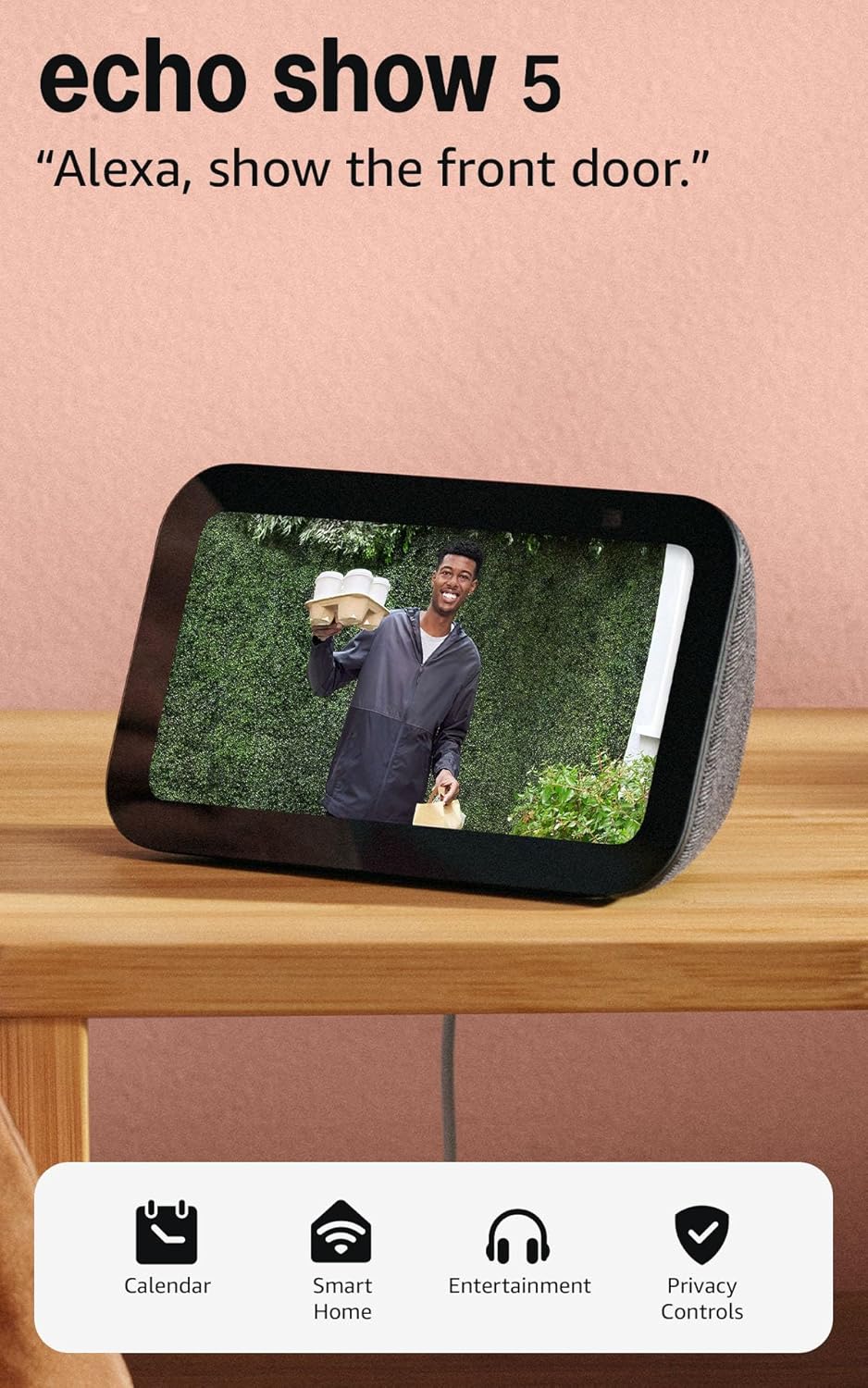
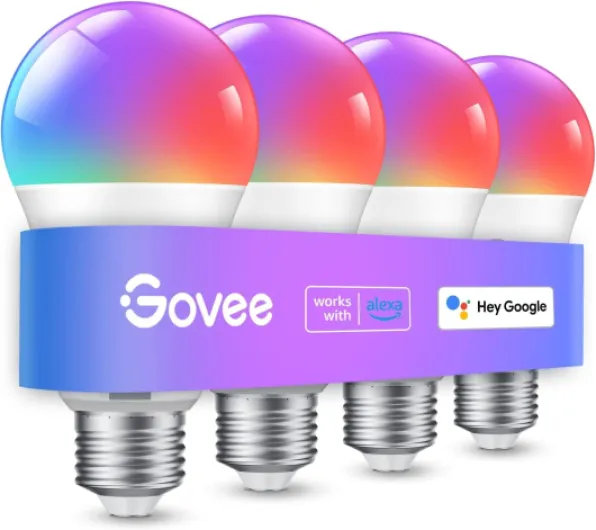
- Connected lighting systems: Smart bulbs and switches let you control lighting remotely, set schedules, and even adjust brightness or color. Some systems use motion sensors to save power by turning lights off when rooms are empty.
- Security cameras and alarms: IoT security devices provide real-time monitoring and alerts. Many offer cloud storage for video footage, and can be integrated with other smart devices for enhanced security.
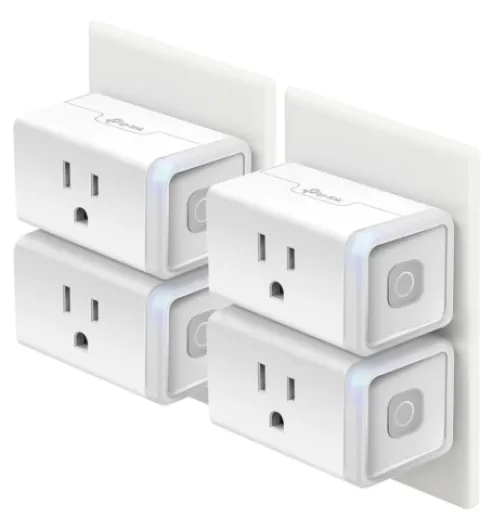
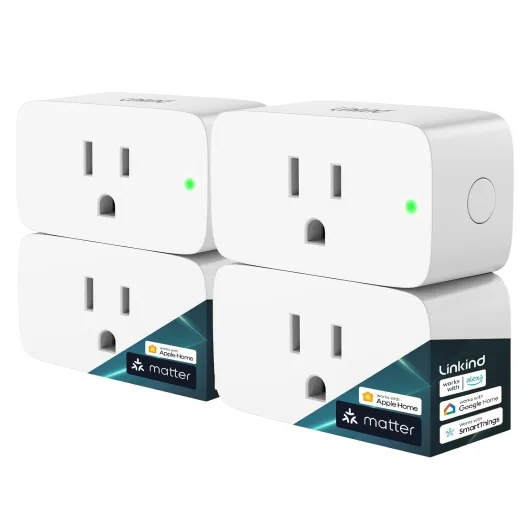
- Smart plugs and appliances: These devices allow you to control power consumption, monitor energy use, and automate routines. For example, you can turn off devices remotely or set them to operate only during off-peak hours.
- Air quality monitors: IoT sensors track indoor air quality, detecting pollutants, temperature, and humidity. Some systems can trigger air purifiers or ventilation automatically.
- Asset tracking tags: Small IoT devices help you locate keys, wallets, or even pets using a connected network and real-time location data.
- IoT healthcare devices: Wearables and home monitoring systems track vital signs, medication schedules, and activity levels. These solutions support patients and caregivers with timely alerts and data sharing with healthcare providers.
How IoT Connectivity Powers Modern Living
All these smart devices rely on IoT connectivity to function as part of a larger network. By sharing data in real time, they enable automation, remote control, and advanced monitoring. Whether it’s improving energy efficiency, enhancing security, or supporting healthcare, IoT technology is reshaping the way we interact with our homes and daily routines.
| Device Type | Main Function | Key IoT Feature |
|---|---|---|
| Smart Thermostat | Climate control | Temperature/humidity sensors, energy monitoring |
| Security Camera | Home monitoring | Real-time video, motion detection |
| Air Quality Monitor | Indoor air monitoring | IoT sensors for pollutants, data alerts |
| Asset Tracker | Locate valuables | Real-time location, network connectivity |
| Healthcare Wearable | Patient monitoring | Vital sign sensors, data sharing |
As IoT solutions continue to evolve, battery life, power efficiency, and seamless integration remain top priorities for device manufacturers. The variety of devices iot brings to the home shows the real power of the internet of things in everyday life.
Security and privacy considerations with smart doorbells
Protecting Your Home Network and Data
Smart doorbells are a top IoT solution for home security, but they also introduce new considerations for privacy and data protection. Since these devices connect to your home network and transmit real time video and audio, it’s important to understand how your data is handled and what steps you can take to keep your information safe.- Data Transmission: Smart doorbells use internet connectivity to send notifications, stream video, and enable remote control via a smartphone app. This means your video footage and audio are often stored in the cloud or on the device itself. Always check if the device uses encryption for data transmission and storage.
- Network Security: Like other connected devices, smart doorbells can become entry points for cyber threats if not properly secured. Use strong, unique passwords for your device and Wi-Fi network. Enable two-factor authentication if available.
- Privacy Controls: Many smart devices offer customizable privacy settings. You can often control who has access to live feeds, set up motion zones, or limit data sharing with third parties. Regularly review these options to match your comfort level.
- Firmware Updates: Manufacturers regularly release updates to address vulnerabilities and improve features. Keeping your smart doorbell’s firmware up to date is essential for maintaining security.
Understanding the Broader Impact of IoT Security
The rise of IoT technology means more devices are collecting and sharing data, from temperature humidity sensors to healthcare monitoring systems. Each device added to your network increases the potential attack surface. For example, smart sensors used for air quality or asset tracking also require secure connections to prevent unauthorized access.| IoT Device | Potential Data Collected | Security Measures |
|---|---|---|
| Smart Doorbell | Video, audio, time stamps | Encryption, password protection |
| IoT Healthcare Monitor | Patient health data, real time alerts | Secure data channels, access control |
| Energy Monitoring Sensor | Power consumption, device status | Network segmentation, regular updates |
Best Practices for Safe Smart Device Use
- Research devices before purchasing to ensure they follow industry security standards.
- Monitor device battery life and power consumption, as some vulnerabilities can arise when devices are left unmonitored or offline.
- Be cautious about sharing device access with others and regularly review who can control or view your smart devices.
How to choose the right smart doorbell for your needs
Factors to Consider Before Buying
When selecting a smart doorbell, it’s important to look beyond the basics. The right device should fit your home’s needs, your existing network, and your expectations for security and convenience. Here are some practical points to keep in mind:
- Connectivity: Make sure your Wi-Fi network is reliable and strong where you plan to install the doorbell. IoT connectivity is essential for real time notifications and video streaming.
- Power Options: Some devices run on batteries, while others require hardwiring. Battery life and power consumption can affect how often you need to recharge or maintain the device.
- Video Quality and Sensors: Look for high-definition video, night vision, and motion sensors. Advanced sensors can help with monitoring, asset tracking, and even detect temperature humidity or air quality changes in some top IoT models.
- Integration with Other Smart Devices: Consider how the doorbell will work with your other connected systems, like smart locks, lighting, or IoT healthcare devices. Compatibility with your smartphone app is also key for real time control and alerts.
- Security and Privacy: Check for features like encrypted data transmission, secure cloud storage, and two-factor authentication. Protecting your data and home network is crucial with any internet things device.
- Ease of Use: The installation process, user interface, and ongoing maintenance should be straightforward. Some devices iot offer simple setup, while others may require more technical knowledge.
- Cost and Subscription Fees: Many smart doorbells require a monthly fee for cloud storage or advanced features. Compare the total cost of ownership, not just the upfront price.
Comparing Features and Use Cases
Different smart doorbells offer unique IoT solutions. For example, some models focus on energy efficiency, while others prioritize security or integration with healthcare monitoring for patients. Consider how the device fits into your daily life and what examples of use matter most to you, such as real time video, asset tracking, or environmental monitoring.
| Feature | Why It Matters |
|---|---|
| HD Video & Sensors | Clear visuals and accurate motion detection for better security and monitoring |
| IoT Device Integration | Seamless control with other smart devices and systems in your connected home |
| Power Source | Impacts installation, maintenance, and energy use |
| Data Security | Protects your privacy and sensitive information over the internet |
| App Support | Enables real time alerts and remote control from your smartphone |
Making the Final Choice
Ultimately, the best smart doorbell is the one that aligns with your priorities—whether that’s advanced IoT sensors, robust security, low power consumption, or easy integration with other devices. Take time to review articles view and product specifications, and consider how each device will fit into your home’s IoT network and daily routines.