
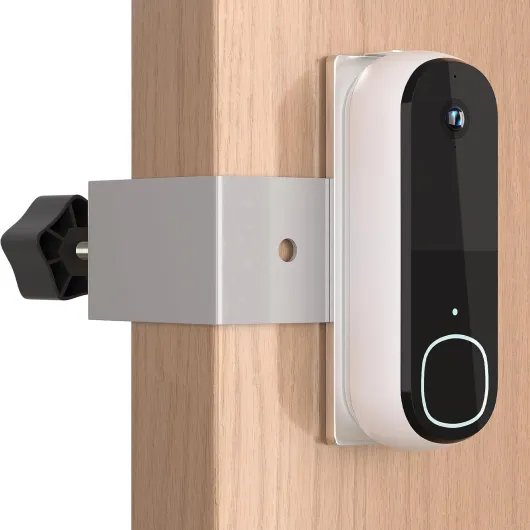
Understanding the role of enterprise IoT in smart doorbells
Enterprise IoT: The Backbone of Modern Smart Doorbells
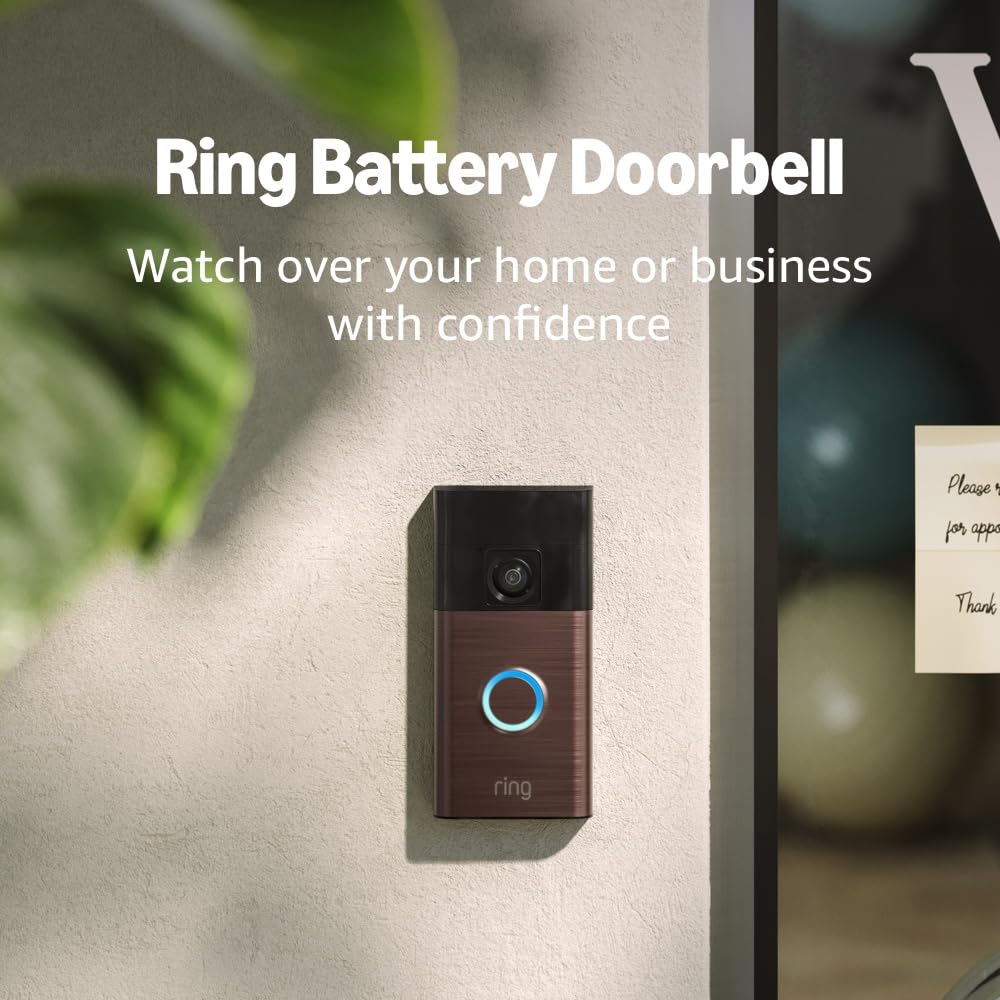
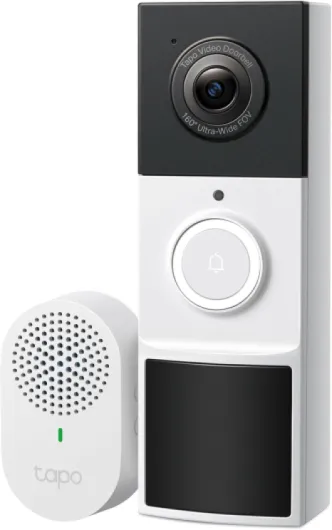
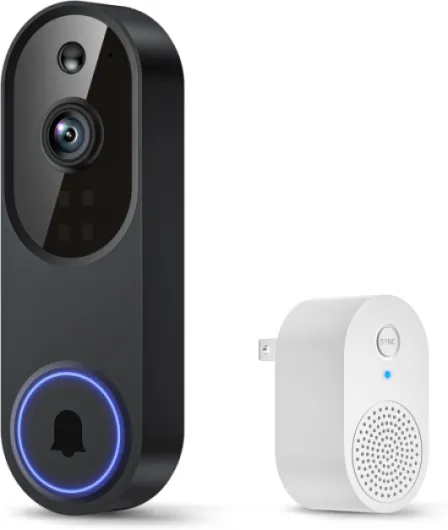
Smart doorbells have evolved far beyond simple video cameras at the front door. The integration of enterprise IoT solutions is at the heart of this transformation, enabling businesses to leverage a connected ecosystem of devices, sensors, and platforms. This shift is not just about adding more technology—it's about creating real value through data-driven insights, operational efficiency, and enhanced security.
How IoT Ecosystems Empower Smart Doorbell Technology
In an enterprise context, IoT implementation means connecting smart doorbells to a broader network of IoT devices and systems. These devices collect and transmit real-time data, which can be analyzed for actionable insights. For example, IoT sensors in smart doorbells can detect motion, recognize faces, and even monitor energy consumption. This data is then managed through robust IoT platforms, allowing for seamless integration with other digital systems across the business.
- Data management: Enterprises can centralize the data from multiple smart doorbells, making it easier to monitor and analyze activity across various locations.
- Operational efficiency: Automated alerts and analytics help businesses respond quickly to security events or maintenance needs.
- Edge computing: Processing data at the edge reduces latency and improves the speed of real-time decision-making.
Real-World IoT Cases in Business Environments
Many enterprises are already seeing the benefits of IoT-enabled smart doorbells. For instance, retail chains use these devices to monitor entrances and optimize energy consumption by integrating with building management systems. Logistics companies deploy smart doorbells at loading docks to track deliveries and enhance security. These examples highlight the versatility and impact of IoT solutions in real business scenarios.
If you want to explore more about how IoT devices are shaping connected environments, check out this guide on practical examples of IoT devices for your connected home.
As we look deeper into the features enabled by IoT in smart doorbells, it becomes clear how digital transformation is reshaping security, management, and integration for enterprises.

Key features enabled by IoT in smart doorbells
Advanced Capabilities Driven by IoT Integration
Enterprise IoT solutions are reshaping smart doorbell technology by introducing a range of advanced features that go far beyond basic video and audio. These features leverage the power of connected devices, real time data, and digital platforms to deliver operational efficiency and a seamless user experience for businesses.
- Real Time Video and Audio Streaming: IoT-enabled smart doorbells use high-quality sensors and edge computing to provide instant video and audio feeds. This allows enterprises to monitor entrances in real time, improving security and response times.
- Remote Access and Control: Through IoT platforms, businesses can manage multiple devices from a central dashboard. This simplifies device management and allows for remote unlocking, two-way communication, and instant notifications across locations.
- Data Analytics and Insights: IoT devices generate valuable data that can be analyzed for patterns, such as peak visitor times or unusual activity. This data management capability supports better decision-making and helps optimize operational efficiency.
- Integration with Sensors: Smart doorbells now incorporate IoT sensors for motion detection, facial recognition, and even environmental monitoring. These sensors enhance security and can trigger automated actions, like alerting security teams or adjusting lighting.
- Energy Efficiency: IoT solutions help monitor and reduce energy consumption by enabling smart power management. This is crucial for enterprises aiming to lower operational costs and support sustainability goals.
- Scalability and Flexibility: With the right IoT ecosystem, businesses can easily scale their smart doorbell deployments. IoT platforms support the addition of new devices and integration with other digital systems as needs evolve.
For a deeper look at the practical benefits and challenges of specific smart doorbell models in enterprise IoT cases, you can explore this analysis of the Juuka Doorbell.
These features highlight how IoT development is driving digital transformation in business security and facility management. As enterprises continue to adopt IoT technologies, the capabilities of smart doorbells will keep expanding, supporting more complex and integrated solutions across the IoT ecosystem.
Security and privacy considerations
Addressing Security Risks in Connected Doorbell Systems
As smart doorbells become more integrated into enterprise IoT ecosystems, security and privacy concerns are at the forefront for businesses. These devices collect and transmit real time data, often including video, audio, and sensor information, making them attractive targets for cyber threats. Enterprises must ensure that their IoT solutions are robust enough to protect sensitive data and maintain operational efficiency.
- Data Encryption: All data transmitted between smart doorbell devices and the enterprise IoT platform should be encrypted. This prevents unauthorized access and protects business and customer information from interception during transfer.
- Access Controls: Implementing strict access management ensures that only authorized personnel can interact with IoT devices and view sensitive data. Role-based access and multi-factor authentication are common best practices in enterprise IoT implementation.
- Device Authentication: Each device should be uniquely identified and authenticated within the IoT ecosystem. This helps prevent rogue devices from infiltrating the network and compromising security.
- Edge Computing for Privacy: Processing data at the edge, closer to the device, can reduce the amount of sensitive information sent to the cloud. This not only minimizes privacy risks but also improves real time responsiveness and reduces energy consumption.
- Regular Firmware Updates: Keeping IoT devices up to date with the latest security patches is essential. Automated management solutions can help enterprises ensure that all devices remain protected against emerging threats.
Ensuring Compliance and Transparency
Enterprises must also comply with data protection regulations, such as GDPR or CCPA, when deploying smart doorbell solutions. Transparent data management policies and clear communication with users about data collection and usage are crucial for building trust. IoT platforms should offer tools for monitoring, auditing, and reporting on data flows to support compliance efforts.
Physical Security and Installation Best Practices
Beyond digital safeguards, physical security is equally important. Proper installation and secure mounting of smart doorbells can prevent tampering and unauthorized removal. For guidance on selecting the best mounting hardware to enhance both security and device longevity, see this comprehensive guide on mounting hardware.
By addressing these security and privacy considerations, enterprises can confidently leverage IoT technologies in their smart doorbell deployments, supporting digital transformation while safeguarding their data and operations.
Scalability and management for businesses
Efficient Deployment and Oversight for Growing Operations
As enterprises adopt smart doorbell solutions at scale, managing a large fleet of IoT devices becomes a critical challenge. Unlike residential setups, businesses often deploy dozens or even hundreds of smart doorbells across multiple locations. This requires robust device management capabilities to ensure operational efficiency and minimize downtime.
- Centralized IoT Platform: Enterprises benefit from a unified IoT platform that allows real-time monitoring, configuration, and updates for all connected devices. This centralization streamlines data management and supports rapid troubleshooting.
- Automated Provisioning: Modern IoT solutions enable automated onboarding and provisioning of new devices, reducing manual intervention and human error. This is especially valuable during large-scale rollouts or when expanding to new sites.
- Remote Diagnostics: With edge computing and real-time analytics, businesses can detect issues, monitor energy consumption, and optimize device performance without on-site visits. This not only saves time but also reduces operational costs.
Maintaining Security and Compliance at Scale
Scaling up IoT deployments introduces new security and privacy challenges. Enterprises must ensure that each device, sensor, and data stream is protected against unauthorized access and cyber threats. Regular firmware updates, secure authentication, and encrypted data transmission are essential components of a secure IoT ecosystem.
Compliance with industry regulations and internal policies is also crucial. Many IoT platforms offer tools for audit trails, access controls, and policy enforcement, supporting businesses in their digital transformation journey while maintaining trust and accountability.
Optimizing Resources and Energy Consumption
Large-scale IoT implementation can impact energy usage and resource allocation. Smart doorbell solutions designed for enterprise use often include features for monitoring and optimizing energy consumption. By leveraging real-time data and advanced sensors, businesses can identify inefficiencies and implement strategies to reduce costs and environmental impact.
Ultimately, effective scalability and management empower enterprises to harness the full potential of IoT technologies, driving operational efficiency and supporting future growth.
Integration with other enterprise systems
Connecting Smart Doorbells with Enterprise Systems
For businesses adopting smart doorbell technology, seamless integration with existing enterprise systems is essential. The modern IoT ecosystem allows smart doorbells to communicate with a wide range of enterprise platforms, from security management to building automation. This integration enhances operational efficiency and supports real time decision making.
- Data Synchronization: IoT devices like smart doorbells can feed real time data into centralized management platforms, supporting better access control and visitor tracking.
- Unified Device Management: Enterprises benefit from managing all IoT devices—including doorbells, cameras, and sensors—through a single dashboard, simplifying maintenance and monitoring.
- Workflow Automation: Integration with business systems enables automated actions, such as alerting security teams or logging visitor entries directly into digital records.
Many IoT solutions support APIs and standardized protocols, making it easier for businesses to connect smart doorbells with other digital tools. For example, integrating with access control systems or energy management platforms can help optimize energy consumption and improve building security. Edge computing capabilities further enhance these integrations by processing data locally, reducing latency and supporting real time responses.
| Integration Area | Enterprise Benefit |
|---|---|
| Security Management Systems | Centralized monitoring and faster incident response |
| Data Management Platforms | Improved data analysis and compliance |
| Building Automation | Optimized energy use and operational efficiency |
As enterprises continue their digital transformation, the ability to connect smart doorbells with other IoT devices and platforms will be a key driver of value. Effective IoT implementation ensures that smart doorbells are not just standalone devices but part of a broader, intelligent solution that supports business goals and enhances security.
Future trends in enterprise IoT and smart doorbells
Emerging Technologies Shaping Smart Doorbell Solutions
The landscape of smart doorbell technology is evolving rapidly, driven by advancements in enterprise IoT solutions and the growing demand for seamless digital transformation. As businesses continue to adopt IoT devices and platforms, several trends are emerging that will define the next generation of smart doorbell systems.
Edge Computing and Real-Time Data Processing
One of the most significant shifts is the move toward edge computing. By processing data closer to the source—at the device or gateway level—enterprises can achieve real-time analytics and faster response times. This reduces latency and enhances operational efficiency, especially for large-scale deployments where immediate action is critical. Edge-based IoT solutions also help minimize bandwidth usage and improve data management, making them ideal for businesses with multiple entry points or high traffic.
Enhanced Integration and Interoperability
Smart doorbells are increasingly being designed to integrate with broader enterprise systems, such as access control, security management, and energy consumption monitoring. This interoperability allows for a unified IoT ecosystem, where data from various sensors and devices can be consolidated on a single IoT platform. The result is improved visibility, streamlined management, and more informed decision-making across the organization.
Advanced Security and Privacy Features
With the proliferation of IoT devices, security remains a top priority. Future smart doorbell solutions are expected to incorporate advanced authentication methods, encrypted data transmission, and robust access controls. Enterprises are also focusing on compliance with data privacy regulations, ensuring that IoT implementation does not compromise sensitive information. These measures are essential for maintaining trust and safeguarding business operations.
AI and Predictive Analytics
Artificial intelligence is playing a growing role in the development of smart doorbell systems. By leveraging AI-powered analytics, enterprises can detect unusual patterns, predict potential security threats, and automate responses in real time. This not only enhances security but also contributes to operational efficiency by reducing the need for manual intervention.
Sustainability and Energy Efficiency
As organizations prioritize sustainability, energy consumption is becoming a key consideration in IoT development. Modern smart doorbells are being equipped with energy-efficient components and intelligent power management features. These innovations help businesses reduce their environmental footprint while maintaining reliable performance.
- Edge computing enables real-time data processing and faster responses
- Integration with enterprise systems streamlines management and data sharing
- Advanced security features protect sensitive business data
- AI-driven analytics improve threat detection and operational efficiency
- Energy-efficient designs support sustainability goals
As enterprise IoT technologies continue to mature, smart doorbell solutions will become even more intelligent, secure, and adaptable to the evolving needs of businesses. Staying informed about these trends is essential for organizations looking to maximize the value of their IoT investments and drive digital transformation.