



Understanding the role of a driveway alert
Why Add a Driveway Alert to Your Smart Doorbell Setup?
When thinking about home security, many focus on the front door. But your driveway is often the first place a vehicle or person enters your property. A driveway alert system acts as an early warning, detecting motion or vehicles before they reach your door. This gives you extra time to react, whether you want to greet a guest, monitor a delivery, or be aware of unexpected visitors.
How Driveway Alerts Work
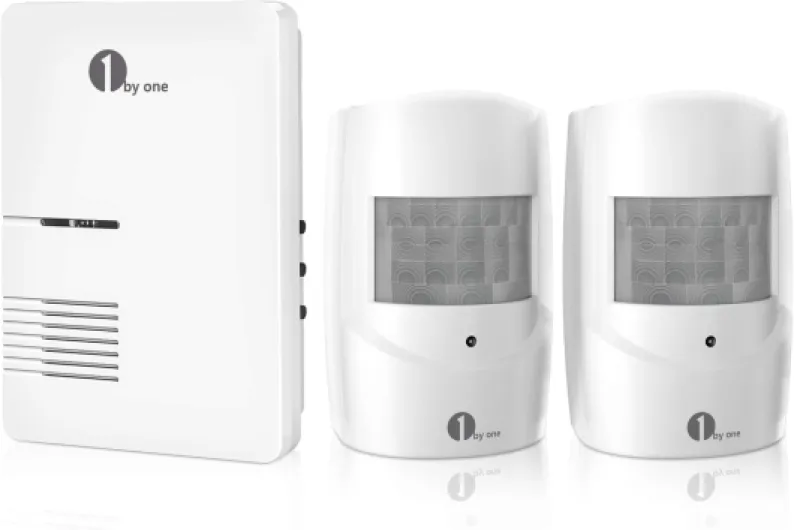
Most driveway alarms use motion sensors or magnetic probes to detect movement. When triggered, the sensor sends a signal to a receiver inside your home. Some systems are wireless, making installation easier, while others use a wired connection for reliability. You can find products with long range capabilities, solar powered options, and even dual wireless sensors for wider coverage. The alert can be a simple chime, a loud alarm, or a notification sent to your phone, depending on the system.
Benefits for Security and Accessibility
- Early Detection: Spot visitors, vehicles, or even potential intruders before they reach your door.
- Customizable Alerts: Choose between different alarm sounds, volumes, and notification methods.
- Integration: Many driveway alarms can work alongside your smart doorbell, creating a more complete security system.
- Accessibility: For those who are hearing impaired, some systems offer visual alerts or can be paired with smart devices for better accessibility. Learn more about visual alerts for the hearing impaired.
Driveway Alert System Types and Features
There are many types of driveway alarms available, from simple motion detectors to advanced systems with multiple sensors and long detection range. Some popular features include:
- Wireless range up to several hundred meters
- Solar powered sensors for low maintenance
- Magnetic probe sensors for vehicle-only detection
- Battery backup for uninterrupted operation
- Expandable alarm kits with multiple receiver sensors
Brands like Dakota Alert and Milton Bells are well-known for their reliability and range of options. You can find a variety of products and price points on Amazon and other retailers, making it easier to find a system that fits your needs and budget.

Key features to look for in a driveway alert system
Essential Elements for a Reliable Driveway Alert
When considering a driveway alert to pair with your smart doorbell, it’s important to focus on features that directly impact performance, security, and convenience. The right system can make a significant difference in how well you monitor your driveway, gate, or vehicle access points.
- Detection Range: Look for a long range system, especially if you have a large driveway or want to cover a gate far from your home. Some driveway alarms, like Dakota Alert, offer detection ranges up to several hundred meters, ensuring you’re notified as soon as a vehicle or person enters your property.
- Motion Sensor Technology: Advanced motion detection is key. Magnetic probe sensors are excellent for detecting vehicles, while PIR (passive infrared) sensors are better for picking up people or animals. Dual wireless sensors can provide both types of detection for comprehensive coverage.
- Wireless Connectivity: A wireless driveway alarm system simplifies installation and flexibility. Check the wireless range between the sensor and the receiver sensor to ensure it fits your property layout. Wireless driveway alarms are popular on Amazon for their ease of use and reliability.
- Power Options: Consider whether you want a battery-powered, plug-in, or solar powered driveway alert. Solar options reduce maintenance and are ideal for locations far from power outlets. Some alarm kits combine solar panels with backup batteries for uninterrupted operation.
- Alarm and Receiver Features: The alarm system should offer adjustable volume, multiple tones, and visual alerts for better accessibility. Some products allow you to connect several sensors to one receiver, letting you monitor different zones of your driveway or gate.
- Weather Resistance: Outdoor sensors must withstand rain, snow, and temperature changes. Look for products with solid weatherproof ratings to ensure long-term durability and security.
- Price and Value: Compare price points and features. While some driveway alarms are budget-friendly, investing in a reliable product with a proven track record—like Dakota Alert or Milton Bells—can offer better long-term value and fewer false alarms.
Reading customer reviews on platforms like Amazon can help you gauge real-world performance and identify any common issues with a particular driveway alarm kit or motion detector system. As you move forward, keep these features in mind to ensure your chosen driveway alert integrates smoothly with your existing security setup and meets your specific needs.
Integrating a driveway alert with your smart doorbell
Connecting driveway alerts and smart doorbells for seamless security
Integrating a driveway alert with your smart doorbell can significantly boost your home security. When a vehicle or person enters your driveway, a motion sensor or magnetic probe detects the movement and sends a signal to the receiver sensor inside your home. This early warning system gives you extra time to check your smart doorbell camera or respond to an alarm. Most modern driveway alarms are wireless, making them compatible with a wide range of smart doorbell systems. For example, wireless driveway alarm kits often include a receiver and one or more sensors that can be placed at your gate or along the driveway. Some products, like Dakota Alert or Milton Bells, offer long range detection—sometimes up to several hundred meters—so you can monitor even large properties. Here’s how the integration typically works:- The driveway motion sensor detects movement from a vehicle or person.
- The sensor alarm sends a wireless signal to the receiver inside your home.
- The receiver can trigger an alarm, chime, or even send a notification to your smartphone, depending on the system.
- If your smart doorbell supports third-party integrations, you can connect the driveway alert system to trigger your doorbell camera or send alerts to your mobile device.
Installation tips for optimal performance
Positioning Your Driveway Sensor for Maximum Motion Detection
Getting the most out of your driveway alarm system starts with proper sensor placement. The goal is to maximize motion detection while minimizing false alarms from passing vehicles or animals. Place the motion sensor or magnetic probe at a height and angle that covers the main path where vehicles enter your driveway or pass through your gate. Avoid pointing sensors directly at busy roads or trees that may trigger unnecessary alerts. For long driveways, consider a dual wireless setup or multiple sensors to extend the detection range and improve security coverage.
Powering Your Driveway Alarm: Battery, Solar, or Wired?
Driveway alarms come in various power options, including battery-powered, solar powered, and wired systems. Wireless driveway alarms are popular for their easy installation and flexibility. If you choose a battery-powered product, check the battery life and keep spares on hand. Solar powered sensors are convenient for locations far from power outlets and can reduce maintenance costs. For reliable performance, ensure your solar panel receives adequate sunlight throughout the day. Some alarm kits offer both battery and solar options for added security.
Pairing Sensors and Receivers for Reliable Alerts
Most driveway alarm systems include a receiver sensor unit that sounds an alarm or sends a notification when motion is detected. Follow the manufacturer's instructions to pair each sensor with the receiver. Test the wireless range to confirm the signal reaches your home or desired location. For long range driveways, look for systems like Dakota Alert or Milton Bells, which are known for their extended wireless range and robust signal strength. If your property has thick walls or metal structures, you may need to reposition the receiver or add a repeater to maintain a strong connection.
Weatherproofing and Mounting Tips
Since driveway sensors are exposed to the elements, choose a weatherproof product designed for outdoor use. Mount the sensor securely to a post or wall using the included hardware. For magnetic probe models, bury the probe just below the surface near the driveway. Make sure the sensor is clear of debris and not blocked by snow, leaves, or dirt, as this can affect motion detection and trigger false alarms.
Testing and Adjusting Your System
After installation, walk or drive past the sensor to test the alarm system. Adjust the sensor's angle or sensitivity settings if you notice missed detections or frequent false alerts. Some systems allow you to customize the alert sound or volume on the receiver. Regularly check the system's performance, especially after storms or seasonal changes, to ensure your driveway alarm continues to provide reliable security.
Common challenges and troubleshooting
Addressing Signal and Range Issues
Many users encounter challenges with wireless driveway alarms, especially regarding signal strength and detection range. Thick walls, metal gates, or long driveways can weaken the connection between the motion sensor and the receiver sensor. For optimal performance, check the product specifications for wireless range and consider models with long range capabilities. Some brands, like Dakota Alert, offer driveway alarm kits designed for extended distances. If you have a particularly long driveway or multiple obstacles, a dual wireless system or a magnetic probe sensor may provide more reliable motion detection.Dealing with False Alarms and Sensitivity
False alarms are a common concern with driveway motion sensors. Animals, wind, or even passing vehicles on nearby roads can trigger unnecessary alerts. To minimize these issues:- Adjust the motion sensor sensitivity settings, if available.
- Position the sensor alarm away from busy streets or areas with frequent animal activity.
- Choose a system with advanced motion detection technology or customizable detection zones.
Power Supply and Battery Maintenance
Driveway alarms come in various power options, including battery, solar powered, and wired systems. Battery-powered sensors are convenient but require regular checks to avoid downtime. Solar models offer longer autonomy but need adequate sunlight. If you opt for a solar driveway alarm, ensure the solar panel is installed in a spot with direct sunlight for most of the day. Always read the product manual for recommended battery types and replacement intervals.Weather Resistance and Durability
Outdoor sensors must withstand rain, snow, and temperature changes. Not all driveway alarm systems are equally weatherproof. When comparing products on Amazon or other retailers, look for IP ratings or specific mentions of weather resistance. Milton Bells and similar brands often highlight their durability for outdoor use. Regularly inspect your alarm system for water ingress or physical damage, especially after storms.Troubleshooting Connectivity and Interference
Wireless driveway alarms can sometimes experience interference from other wireless devices or nearby electronics. To reduce this risk:- Install the receiver sensor away from Wi-Fi routers or cordless phones.
- Choose a system with multiple frequency options to avoid crowded channels.
- Test the alarm kit in different locations before finalizing installation.
Ensuring Compatibility with Your Smart Doorbell
Some driveway alert systems may not integrate seamlessly with all smart doorbells or alarm systems. Before purchasing, verify compatibility and read user reviews for real-world feedback. If you are using a wireless driveway alarm, check if the receiver can trigger your existing security system or send alerts to your preferred devices. This step is crucial for creating a cohesive security setup that covers both your driveway and entryway.Choosing the right driveway alert for your needs
Factors to Consider Before Buying
When selecting a driveway alert to enhance your smart doorbell system, it’s important to match the product to your unique needs. Here are some practical points to help you make an informed decision:
- Detection Range: Consider the distance between your gate, driveway, and home. Long range systems, such as those with a detection range of 400 meters or more, are ideal for larger properties. Wireless driveway alarms with adjustable range settings offer flexibility for different layouts.
- Sensor Type: Decide between motion sensor, magnetic probe, or dual wireless sensors. Magnetic probe sensors are less likely to trigger false alarms from animals, while motion detectors are more versatile for vehicle and foot traffic.
- Power Source: Choose between battery-powered, solar powered, or wired systems. Solar options can reduce maintenance, while battery systems offer easy installation. Some products combine both for reliability.
- Alarm and Receiver Features: Look for customizable alarm tones, adjustable volume, and multiple receiver sensors if you want alerts in different rooms. Some alarm kits include portable receivers for added convenience.
- Wireless Range: Ensure the wireless range between the sensor and receiver covers your property. Long range wireless driveway alarms are essential for larger driveways or properties with obstacles.
- Weather Resistance: If your driveway alarm will be exposed to the elements, check for weatherproof or waterproof ratings. This is especially important for solar powered and outdoor sensor alarm systems.
- Integration: For seamless operation, confirm compatibility with your existing smart doorbell and alarm system. Some products, like Dakota Alert, offer integration options for enhanced security.
- Price and Value: Compare prices on platforms like Amazon, but also read product reviews to assess reliability and performance. Sometimes, a slightly higher price means better long-term value and fewer false alarms.
Popular Product Types and Brands
| Product Type | Key Features | Typical Use |
|---|---|---|
| Wireless Driveway Alarm | Easy installation, long wireless range, battery or solar powered | General home security, vehicle detection |
| Magnetic Probe Sensor | Vehicle detection only, reduces false alarms | Driveways with frequent animal activity |
| Dual Wireless Sensor | Motion and magnetic detection, multiple zones | Large properties, advanced security needs |
| Solar Powered Alarm Kit | Low maintenance, eco-friendly, weatherproof | Remote locations, long-term use |
| Milton Bells | Chime-based, simple setup, reliable | Small businesses, garages |
| Dakota Alert Systems | Professional grade, expandable, long range | Large estates, commercial properties |
Making the Final Choice
Before you buy, read customer reviews and check for warranty or support options. Think about your driveway layout, the type of motion detection you need, and how the system will integrate with your existing security setup. Whether you prioritize a long range wireless system, a solar powered sensor, or a magnetic probe for vehicle detection, the right driveway alarm can significantly boost your home security and peace of mind.