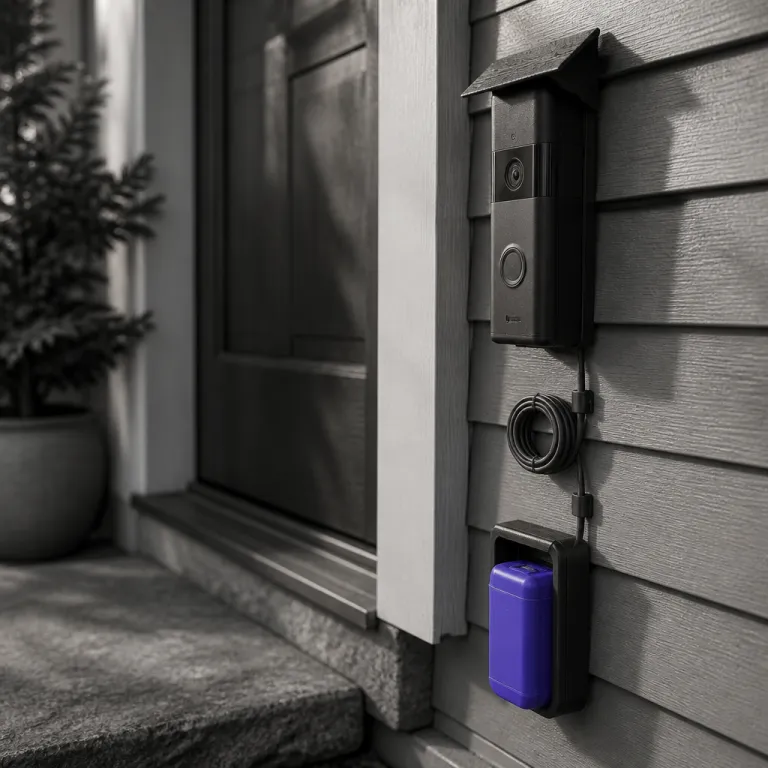
Why smart doorbell batteries drain faster than the box suggests
A battery doorbell looks effortless until the first midwinter recharge. In real homes with busy sidewalks, a smart doorbell with a solar trickle charger rarely matches the glossy marketing claims, because every motion alert, video clip, and live view quietly eats into the battery. When you add cold temperatures, weak Wi‑Fi, and a high traffic doorway, even a premium doorbell camera can burn through a full charge in a few weeks.
Think about how often your video doorbell records during a normal day. Each short clip, each ping from the camera to the cloud, and each second of two way audio requires power, so the battery in many wireless doorbells behaves more like a phone in heavy use than a low drain sensor. For example, a Ring Video Doorbell 4 battery is roughly 6,000 mAh at 3.65 V (about 22 Wh), and independent testers often measure 0.5 to 2 Wh per day depending on motion events and live views. That is why people who read detailed reviews for a popular Ring doorbell or another solar assisted model often notice a gap between the advertised battery life and what long term users report after months of daily activity.
Cold weather makes this gap worse, especially for any powered doorbell that relies on lithium cells. When temperatures drop below freezing, the chemistry inside a Ring battery or similar pack slows down, so the same solar powered charge produces less usable energy and the effective runtime shrinks. In lab style tests, lithium packs that deliver 100 percent capacity at 20 °C may provide only 60 to 70 percent at −5 °C, so winter performance always lags the box rating. If your front step faces away from direct sunlight and your Wi‑Fi router sits far from the doorbell, the product will work, but the battery will drain faster and the price of convenience becomes frequent ladder climbs.
How solar panels actually help a battery doorbell stay online
A well matched solar panel can turn a fussy battery doorbell into a mostly hands off system. The idea is simple: a compact solar charger or several small panels feed low voltage power into the doorbell battery during daylight, so the camera sips energy instead of running itself flat. In practice, the real benefit depends on panel wattage, cable quality, and how much sunlight actually hits the solar surface across the seasons.
For most doorbell cameras, a dedicated solar accessory rated around 2 to 4 watts is enough in bright climates. As a rough example, a 3 W panel in an area with 4 peak sun hours can deliver about 12 Wh per day (3 W × 4 h). A typical battery pack in a modern video doorbell holds roughly 20 to 30 Wh, and many units consume around 0.5 to 1 Wh per day in a quiet location, so a modest panel can easily offset normal use and still recharge after busy days. In measured field use, a 2 W panel in a sunny region with 5 peak sun hours often keeps a midrange Ring doorbell between 80 and 100 percent even with 20 to 30 motion clips per day. If your entry is shaded by a porch roof or a large tree, you may need larger panels or a bracket that lets the solar panel tilt toward stronger sunlight, and guides such as this overview of solar panel brackets for smart doorbells can help you angle things correctly. People who mount the panel high, clear of gutters and eaves, usually report fewer complaints about the product failing to work in winter.
Not every powered doorbell accepts a third party solar charger, so you must check whether your specific Ring doorbell, doorbell Pro, or other doorbell camera supports a fork connector or a dedicated solar input. Common connector styles include 3.5 mm barrel plugs, two wire fork or ring terminals, and small weather sealed proprietary jacks. Some brands sell matched solar kits that include both the panel and the correct cable, while others rely on generic hardware that only provides raw power and leaves you to manage the installation details. If you buy from a large marketplace, read the fine print and filter for models with a clear history of verified purchases and at least a four star average, because those ratings usually reflect both the panel quality and the long term reliability of the charging setup.
Positioning solar panels for real smart doorbell battery gains
Panel placement matters more than panel branding when you want stable, low maintenance power. A small solar panel in full midday sunlight can outperform larger panels stuck under a deep porch, so treat the panel like a tiny rooftop array and give it sky. If your front door faces north or sits in a narrow alley, consider running a short cable to mount the solar charger on a sunnier wall while keeping the doorbell camera near the door.
Angle is the next variable, because a flat mounted solar doorbell panel on a vertical wall often underperforms in winter. A simple adjustable bracket lets you tilt the solar panel toward the sun, and resources that explain how to choose the ideal solar panel for a Ring doorbell camera can help you match tilt and wattage to your climate. As a quick reference, many installers aim for about 2 W of panel per 1 Wh of average daily consumption in cloudy regions, and 1 W per 1 Wh in sunny zones, with tilt roughly equal to local latitude plus 10 to 15 degrees for winter bias. When people share their experiences, the happiest reviewers usually mention careful installation, clear exposure to sunlight, and a product that keeps the doorbell battery topped up even when the camera records frequent video clips.
Cable routing deserves attention too, especially if your powered doorbell uses a fork connector or a proprietary plug. Keep the run between the solar panel and the doorbell input as short and direct as possible, because long thin cables waste power as heat and reduce the effective output that reaches the Ring battery or equivalent pack. As a rule of thumb, runs up to about 15 ft work well with 20 AWG cable, 15 to 30 ft benefit from 18 AWG, and anything longer often calls for 16 AWG or thicker to limit voltage drop. If you must cross a long distance, step up to thicker cable, seal every exterior hole, and check that the doorbell video feed remains stable while the charging pattern improves over several weeks of normal use.
When to choose batteries, solar, or a wired power feed
Choosing how to power a video doorbell is less about brand loyalty and more about your walls, wiring, and patience. A pure battery doorbell with no solar panel offers the fastest installation, because you mount the product, connect it to Wi‑Fi, and start recording video without touching any electrical lines. The trade off is that every few weeks or months, depending on traffic and climate, you remove the doorbell camera or its removable pack and charge it indoors, which means your front step briefly loses its digital eyes.
Adding a solar powered accessory changes that rhythm by letting sunlight handle most of the charging. For many households, a compact solar charger mounted near the Doorbell Pro or standard Ring model keeps the internal battery between roughly 70 and 100 percent, so they only need to top up during long storms or deep winter. In side by side tests, homes with similar motion activity but no solar often recharge every 4 to 8 weeks, while identical units on a 3 to 4 W panel in good sun may go 6 to 12 months between manual charges. If your home already has low voltage doorbell wiring or you are comfortable drilling, a constantly powered doorbell using either the existing transformer or a Power over Ethernet adapter can eliminate battery anxiety entirely, though the installation takes more time and sometimes higher upfront cost in materials.
There is also a middle path for cautious buyers who want flexibility. Some hybrid doorbell cameras accept both a wired feed and a backup battery, so the product keeps recording video even during a power cut while still using the wires for daily work. If you are already running cable for a wedge kit or a mounting plate, guides such as this overview of smart doorbell wedge kits can help you plan a route that supports both dependable charging and a clean looking installation.
Settings, prices, and small tweaks that extend doorbell battery life
Software settings can stretch a smart doorbell’s battery life almost as much as new hardware. Most modern doorbell cameras let you adjust motion sensitivity, clip length, and video resolution, so you can decide whether you want to capture every passing car or only people who approach the door. Shorter clips, narrower activity zones, and slightly lower resolution reduce how often the camera wakes, which means the internal cell and any supporting solar panel do less work.
Price also shapes your options, because a higher end Doorbell Pro or flagship Ring model may include better Wi‑Fi radios and more efficient processors that sip power. When you read reviews, pay attention to how many comments mention long term reliability, stable video quality, and minimal ladder time, rather than only the initial installation experience. A cheaper powered doorbell product that forces you to recharge every few weeks can cost more in frustration than a midrange model paired with a modest solar charger and a well placed set of panels.
Finally, treat your smart doorbell like any other outdoor appliance that must work through heat, cold, and rain. A simple checklist helps: once or twice a year, inspect the fork connector or other cable joints for corrosion, wipe dust and pollen from the solar panels with a soft cloth, confirm that the camera still records clear video after storms, and review the app’s battery history to spot unusual drain. When you compare models, look for a strong trail of verified purchases that mention both hardware durability and real world battery performance, because those reviews often reveal whether the product will quietly work for years or fade after the first season.
FAQ
How long should a battery powered video doorbell last between charges
In a quiet location with few motion events, a typical battery doorbell can run for several months on a single charge. For instance, a 20 to 25 Wh pack that averages 0.3 Wh per day can theoretically last 60 to 80 days before hitting low battery warnings. In a busy urban setting with constant recordings and frequent live views, the same doorbell camera may last only a few weeks. Adding a correctly sized solar panel in good sunlight usually stretches the interval between manual charges enough that you only need to plug in during long cloudy periods.
Can a solar charger keep my ring doorbell battery full all year
A matched solar charger can keep many Ring doorbell models near full charge in sunny climates. The key factors are panel wattage, clear exposure to sunlight, and efficient wiring between the solar panel and the doorbell battery input. As a simple guide, 2 W is often enough in regions with 4 to 6 peak sun hours, while 3 to 4 W is safer in cloudier or high traffic locations. In heavily shaded entries or regions with long overcast winters, the solar powered setup will still help, but you should expect to top up the pack indoors once or twice a year.
Is it worth paying more for a doorbell pro with wired power
A wired Doorbell Pro costs more upfront but removes most battery maintenance. If your home already has low voltage wiring or you are comfortable running a new cable, a constantly powered doorbell delivers stable video quality and unlimited motion events without worrying about charge levels. Over several years, many homeowners who plan to stay put find that the higher price pays off in fewer hassles, more reliable security, and no need to buy extra batteries or larger solar panels.
What settings most affect smart doorbell battery life
The biggest drains on a smart doorbell battery are motion sensitivity, clip length, and video resolution. High sensitivity and long clips mean the camera records frequently, which forces the battery and any supporting solar panel to work harder. In controlled tests, reducing clip length from 60 seconds to 20 seconds and tightening motion zones can cut daily energy use by 30 to 50 percent. Tightening activity zones, shortening clips, and slightly lowering resolution usually extends runtime without sacrificing important alerts.
Do customer reviews reliably reflect real battery performance
Customer reviews are imperfect but still valuable for judging real battery performance. Look for verified purchase entries that mention how often the reviewer recharges, what climate they live in, and whether they use a solar charger or wired power. A pattern of high ratings tied to detailed descriptions of long term use is a strong sign that the product will match your expectations, especially when reviewers quote specific intervals between charges or note how a particular panel wattage performs through winter.