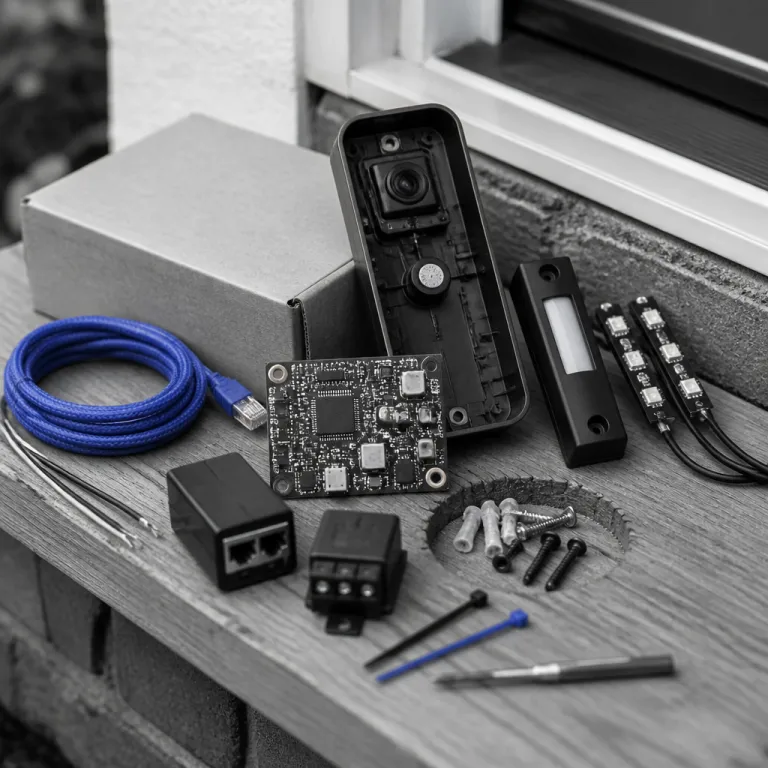

Why home automation installers matter for a smart doorbell project
Many homeowners start with a single smart doorbell and quickly realise it touches every part of the home. Professional home automation installers understand how this one smart device interacts with the wider automation system, from security to lighting and audio. A well planned installation protects the property, simplifies daily living, and preserves long term reliability.
Specialist home automation installers evaluate the existing electrical systems and the Wi-Fi network before fixing anything to the wall. They check whether the current chime, transformer, and wiring can safely power a smart home doorbell without overloading the system or degrading video quality. In practice, this means confirming that low-voltage transformers typically fall in the 16–24V AC range, that cabling is intact, and that the chime is compatible with the chosen model. This technical survey is essential for luxury homes and compact apartments alike, because the wrong power or network setup can silently damage both the doorbell and other home technology.
Experienced home automation installers also look beyond the front door and map how the doorbell will integrate with other smart homes features. They consider how lighting control, home audio, and home security panels should react when someone presses the button or triggers motion. When systems are designed as a whole, the smart doorbell becomes a control point for lighting scenes, security modes, and even motorized shades rather than just a camera on the wall.
Planning the right smart doorbell for your property and ecosystem
Choosing a smart doorbell is less about the gadget and more about the system around it. Skilled home automation installers start by asking which smart home ecosystem you already use for automation and control. They then match the doorbell to that ecosystem so your lighting, audio video, and home security all respond in a coordinated way.
For example, if your home already relies on voice assistants, the installer will compare how the doorbell behaves in different ecosystems. A detailed review of an Alexa versus Google Home versus HomeKit doorbell ecosystem helps clarify which system offers the most stable automation system for your specific property. This choice affects how easily you can trigger lighting scenes, route home audio announcements, and manage security alerts from a single app.
Location also shapes the specification, especially in coastal areas such as Fort Lauderdale or Palm Beach in Florida. In these regions, home automation installers must consider salt air, humidity, and strong sun that can damage cheaper systems and window treatments. They often recommend higher grade technology with sealed housings, better Wi-Fi radios, and integration with shades or motorized shades to protect both the camera and the interior from glare. For exposed entryways, many professionals look for weather-resistant housings with ingress protection ratings around IP54–IP65 to balance durability with aesthetics.
Step by step: professional installation and wiring that protects your chime
A smart doorbell may look simple, yet the wiring behind it can be unforgiving. Competent home automation installers follow a strict sequence to avoid the common mistakes that can quietly brick a mechanical chime or overload a transformer. They begin by isolating power, testing voltage, and confirming that the existing system meets the doorbell manufacturer’s specifications.
Once the electrical side is safe, the installer routes cabling and positions the doorbell for the best field of view. They consider the height, the angle, and nearby lighting so faces remain visible both day and night, which is crucial for home security and peace of mind. Many professionals rely on a detailed smart doorbell installation guide for wiring and Wi-Fi as a checklist, then adapt it to the specific home automation system in your property. In practice, this checklist usually covers transformer rating, chime compatibility, cable strain relief, Wi-Fi signal strength, and final testing of alerts and recordings.
To make these checks easier to discuss with your installer, it helps to think in terms of a concise pre-installation checklist: confirm a 16–24V AC transformer with adequate VA rating, verify that existing chimes are explicitly supported by the chosen doorbell, aim for Wi-Fi signal strength of roughly –60 dBm or better at the mounting location, and ensure that cable runs are secure, protected from moisture, and labelled for future maintenance.
Network configuration is the next critical step, because a smart home doorbell is only as reliable as its connection. Home automation installers test Wi-Fi coverage at the door, adjust channels, and sometimes add wired connections or dedicated access points for demanding smart homes. They then link the doorbell into the wider automation system so lighting audio alerts, home theater pauses, and security notifications all trigger consistently when someone approaches the home.
Integrating lighting, audio, and shades for a seamless smart entry
Once the doorbell is online, the real value comes from integration with other systems. Skilled home automation installers program lighting control so specific lighting scenes activate when motion is detected at the front door. This can include pathway lighting, porch lighting, and subtle indoor lighting that signals someone is outside without startling the visitor.
Audio integration is equally important for both home and home business environments. When the doorbell rings, home audio systems can lower the volume of a movie in the home theater, pause music in outdoor living areas, and play a clear chime through selected audio video zones. In larger properties, systems designed with multiple audio areas ensure you never miss a visitor, even when relaxing near the pool or working in a detached office.
Shading and window treatments also play a role in a luxury smart home entry. Motorized shades near the front of the property can adjust automatically to reduce glare on the camera lens and protect privacy when the doorbell detects motion. By linking shades, lighting, and security into one automation system, home automation installers create a calm, controlled arrival experience that supports both safety and everyday living.
Regional realities: installing smart doorbells in florida coastal areas
Homes in Florida, especially around Fort Lauderdale and Palm Beach, face unique environmental pressures. Salt laden air, intense sun, and sudden storms can shorten the life of exposed technology if the systems are not specified correctly. Experienced home automation installers in these areas choose hardware and mounting methods that withstand corrosion and heat while maintaining reliable security performance.
In coastal areas such as Fort Lauderdale, installers often recommend doorbells with higher ingress protection ratings and robust Wi-Fi antennas. They may pair the doorbell with covered entryways, carefully positioned lighting, and durable window treatments to shield both the camera and visitors from harsh weather. For beachfront property, the design of the automation system must also consider sand, wind, and the need for stable connectivity across outdoor living spaces.
In Palm Beach, where many homes feature luxury finishes and expansive outdoor living areas, aesthetics matter as much as technology. Home automation installers coordinate the finish of the doorbell with surrounding materials and with other visible devices such as audio speakers or lighting fixtures. They also ensure that lighting audio cues, home security alerts, and motorized shades operate quietly and discreetly, preserving the visual calm of high end smart homes.
From single doorbell to whole home security and lifestyle automation
What begins as a simple smart doorbell often becomes the gateway to broader home automation. Once homeowners experience the convenience of remote control and real time video, they frequently extend automation to lighting, home audio, and full home security. Professional home automation installers guide this evolution so each new system integrates cleanly with the existing smart home platform.
For many clients, the next step after the doorbell is structured lighting control across key living areas. Carefully programmed lighting scenes can simulate occupancy when you are away from home, coordinate with the doorbell for safe arrivals, and enhance the atmosphere in the home theater or outdoor living zones. When these scenes are tied into the same automation system as the doorbell, a single tap can secure the property, adjust shades, and set the mood for the evening.
Business owners who run a home business gain extra value from this integrated approach. They can route doorbell notifications to specific audio video zones, separate work and family lighting scenes, and maintain clear records of visitors for security and compliance. A typical before-and-after scenario involves replacing a standalone battery doorbell and scattered smart bulbs with a unified platform where the doorbell, lighting, and security arm together at night, send consistent alerts during business hours, and remain almost invisible during family time. In every case, the goal of home automation installers is to deliver practical solutions that provide genuine peace of mind while keeping the technology almost invisible in daily living.
Key setup decisions every homeowner should discuss with installers
Before any drilling starts, there are several strategic choices to settle with your installer. The first is whether the smart doorbell will be part of a larger home automation platform from day one or upgraded later. This decision affects which systems designed for expansion are chosen, how wiring is routed, and where control interfaces are placed around the home.
Another crucial topic is how you want alerts and lighting audio feedback to behave in different scenarios. Some homeowners prefer subtle home audio chimes in specific areas, while others want bold announcements across both indoor and outdoor living spaces. Clear preferences help home automation installers program lighting scenes, audio priorities, and security responses that match your lifestyle rather than forcing you to adapt to the system.
Finally, discuss privacy, data handling, and long term maintenance for every smart home component. Agree on how video clips are stored, who can access them, and how software updates will be managed across the automation system. When these questions are resolved early, the smart doorbell becomes a trusted part of your home technology rather than a source of worry about security or reliability, and it supports a calm, predictable experience every time someone approaches your front door.
Key figures about smart doorbells and integrated home automation
- According to Parks Associates’ “Smart Home Buyer Journey and User Experience” report (2022), more than 20 percent of broadband households in the United States now own at least one smart home security device, and video doorbells are among the fastest growing categories within that segment (see Parks Associates, 2022).
- Research from Strategy Analytics’ “Smart Home Device Forecast” (2021) shows that households with a broader home automation system are significantly more likely to add a smart doorbell, indicating that integration with lighting, audio, and security is a major driver of adoption (Strategy Analytics, 2021).
- A study by Consumer Reports on video doorbells (updated 2023) found that correct installation and network configuration can reduce false motion alerts from smart doorbells by more than half, which directly improves user satisfaction and long term usage (Consumer Reports, 2023).
- Data from multiple insurance providers, including summaries published by the Insurance Information Institute in 2021, indicates that homes with professionally installed home security and smart doorbell systems may qualify for premium discounts, typically in the range of 2–10 percent depending on the insurer and policy (Insurance Information Institute, 2021).
One Florida-based installer summarised the impact of doing this work properly: “When we upgrade a basic doorbell to a fully integrated smart entry, call-backs almost disappear. The combination of correct transformer sizing, solid Wi-Fi, and thoughtful lighting scenes is what keeps the system reliable three or four years down the line.”
FAQ about smart doorbells and home automation installers
Do I really need professional home automation installers for a smart doorbell
Many smart doorbells are marketed as do it yourself products, yet professional home automation installers ensure that power, wiring, and Wi-Fi are all correctly configured. They also integrate the doorbell with lighting, audio, and security systems so it becomes part of a reliable automation system rather than a standalone gadget. For complex homes or properties with existing systems, professional work usually prevents costly mistakes and improves long term performance.
Can a smart doorbell work with my existing home security system
Most modern smart doorbells can integrate with popular home security platforms, but the depth of integration varies. Home automation installers check compatibility lists, configure automation rules, and test how alerts, recordings, and arming states interact. This approach avoids gaps where the doorbell records an event but the security system fails to respond appropriately.
How does lighting control improve a smart doorbell installation
Good lighting is essential for clear video and safe access to the home. When lighting control is linked to the doorbell, motion can trigger pathway lights, porch lights, and indoor indicators that someone is outside. This integration improves both security and everyday convenience, especially after dark or in bad weather.
What should I check in my Wi-Fi network before installing a smart doorbell
The Wi-Fi signal at the door location must be strong and stable, with enough bandwidth for high resolution video. Home automation installers often perform a site survey, adjust router placement, and sometimes add access points or wired connections. These steps prevent dropouts, lag, and missed notifications that can undermine the value of the smart doorbell.
Can a smart doorbell integrate with home audio and home theater systems
Yes, many smart doorbells can trigger chimes or announcements through home audio and home theater systems when properly integrated. Installers map which rooms should receive alerts and how loud they should be, then program the automation system accordingly. This ensures you hear the doorbell clearly without overwhelming quiet areas or disrupting every room in the home.
Trusted sources for further reading : Consumer Reports, Parks Associates, Strategy Analytics.