
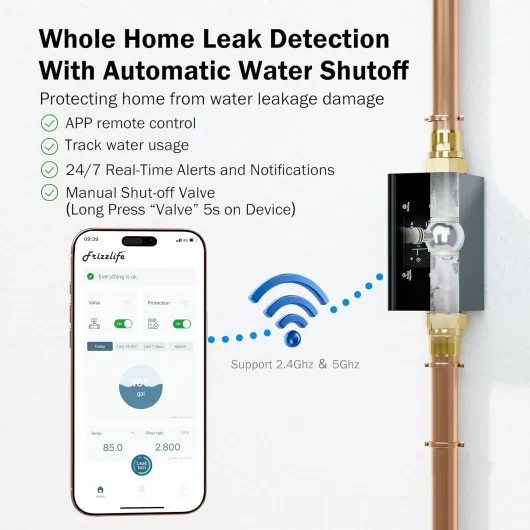
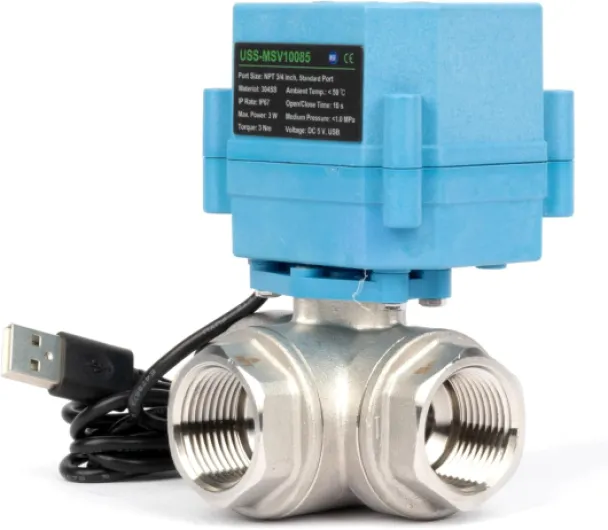
Understanding what a smart water valve is
What Makes a Water Valve Smart?
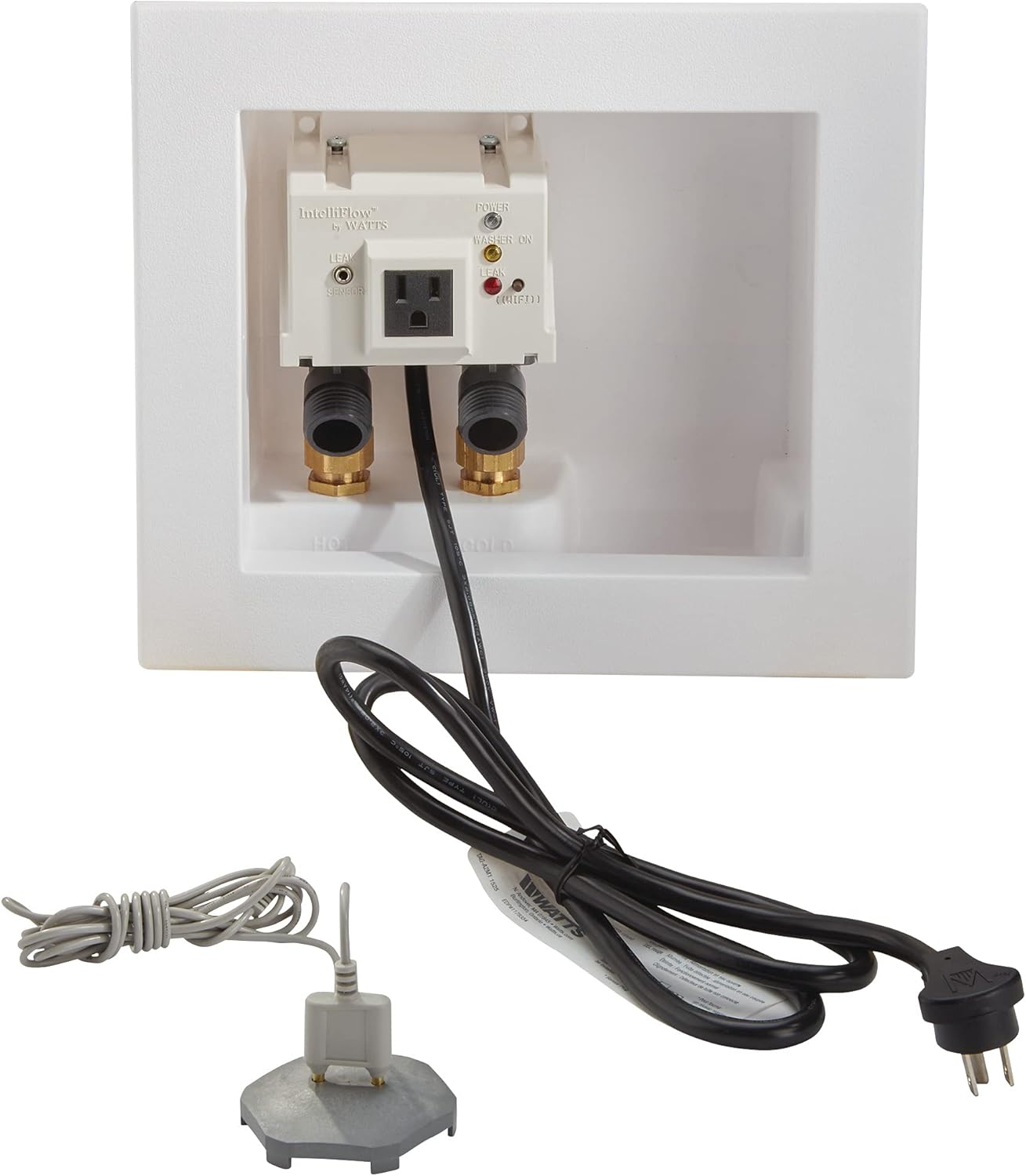
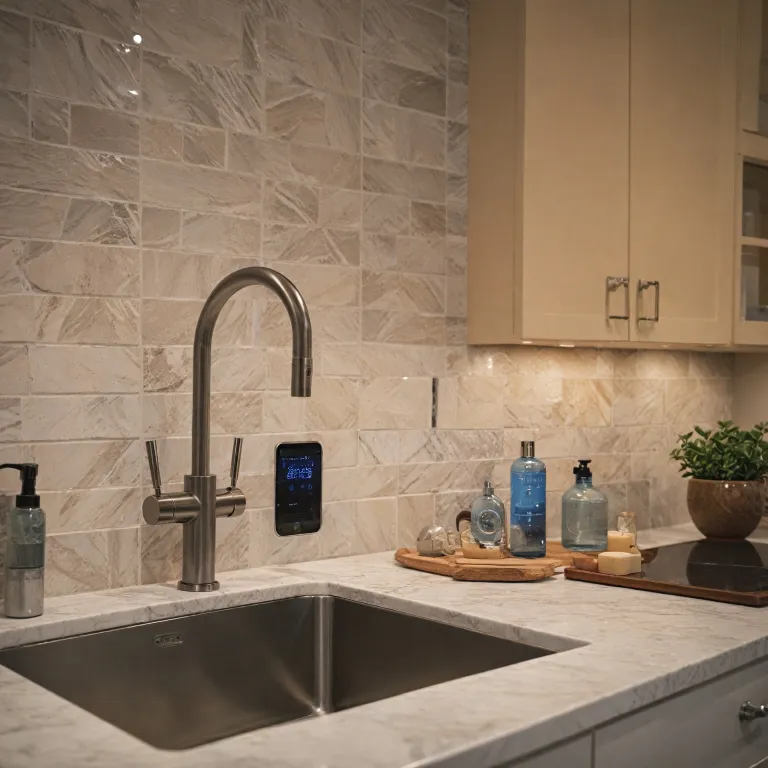
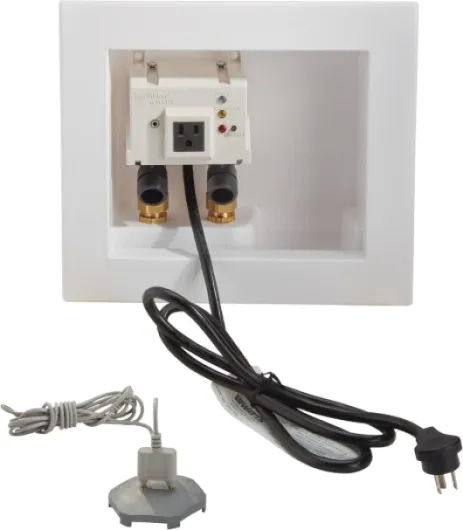
A smart water valve is a motorized device that connects to your main water supply pipe and gives you advanced control over water flow in your home. Unlike traditional shutoff valves, these smart products use sensors and wireless connectivity to detect leaks and automatically shut the valve, helping prevent water damage before it becomes a costly problem. With real time monitoring and remote control via an app, you can manage your water usage and respond to leaks from anywhere.
How Smart Water Valves Fit Into Leak Prevention
These valves are often paired with leak detectors or sensors placed around your home, especially in areas prone to water leaks such as under sinks, near washing machines, or by water heaters. When a leak is detected, the valve controller receives a signal and shuts the water supply, minimizing potential damage. Some smart water valves, like the Moen Flo or Phyn, offer detailed water usage analytics and integrate with popular smart home systems, including Alexa and Google.
- Motorized shutoff for automatic leak response
- WiFi connectivity for remote monitoring and control
- Integration with leak detectors and water monitors
- Real time alerts to your smartphone app
With a growing list of products on the market, including Flo by Moen and Phyn, homeowners can compare features such as valve size, controller compatibility, and list price. These devices are designed to be user-friendly, but installation and integration with your existing smart home setup may require some planning. For a deeper look at how smart technology can enhance your home’s security, check out this guide on enhancing home security with outdoor motion sensors in smart doorbells.

How a smart water valve works to prevent leaks
How smart water valves detect and stop leaks
Smart water valves use a combination of sensors and real-time monitoring to protect your home from water damage. These devices are installed on your main water supply pipe and are designed to automatically shut off the water if a leak is detected. The core idea is simple: prevent water from flowing where it shouldn’t, as quickly as possible. Most smart water valves, such as the Moen Flo or Phyn, rely on advanced leak detection technology. They monitor water usage patterns and pressure changes in your pipes. If the system senses unusual activity—like a sudden drop in pressure or continuous water flow when no one is home—it triggers the shutoff valve. This immediate response can stop leaks before they cause significant damage. Some models use additional leak detectors placed in areas prone to water leaks, like under sinks or near appliances. When these sensors detect moisture, they send a signal to the valve controller, which then shuts the valve to stop the water supply. This network of sensors and controllers works together to minimize the risk of water damage.Remote control and real-time alerts
A key advantage of smart water valves is the ability to control and monitor them remotely. Most products connect to your home WiFi and are managed through a dedicated app. This means you can check your water usage, receive alerts about potential leaks, and even shut the valve manually from anywhere using your smartphone. Some systems also integrate with smart home platforms like Alexa or Google Assistant for voice control. Here’s a quick list of how these features work together:- Water monitor tracks usage and detects irregularities
- Leak detectors sense moisture in vulnerable spots
- Valve controller receives signals and shuts off water automatically
- App provides real-time notifications and remote control
Key features to look for in a smart water valve
Essential Functions for Leak Protection
When choosing a smart water valve, it’s important to focus on features that offer real protection against water leaks and potential damage. Not all products are created equal, so understanding what to look for can make a big difference in your home’s safety and your peace of mind.
- Automatic Shutoff: The ability to automatically shut the water supply when a leak is detected is crucial. Motorized valves, like those found in the Moen Flo or Phyn Smart Water Assistant, can close the water shutoff valve in real time, helping prevent water damage before it spreads.
- Leak Detection Sensors: Integrated or compatible leak detectors monitor for water leaks in pipes or appliances. Some systems support multiple sensors for broader coverage, alerting you to small leaks before they become big problems.
- Remote Control and Monitoring: Many smart water valves connect to your home WiFi, allowing you to control the valve and monitor water usage through a dedicated app. This remote control feature means you can shut the valve even when you’re away from home.
- Water Usage Monitoring: Advanced products track your water usage and provide insights through the app. This helps you identify unusual patterns that might indicate hidden leaks.
- Integration with Smart Home Systems: Compatibility with platforms like Alexa or Google Assistant allows for voice control and automation. Some valves can work with other smart home devices, such as leak detectors or water monitors, for a more comprehensive solution.
- Manual Override: In case of power or WiFi outages, a manual shut valve ensures you can still control your water supply.
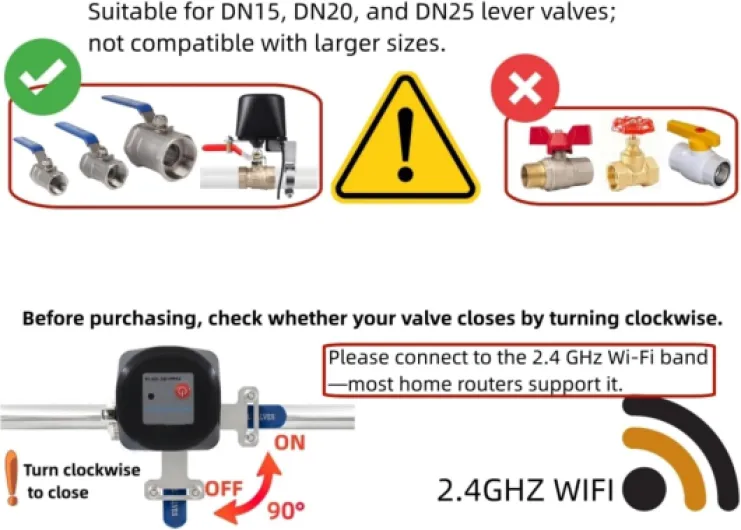
- Easy Installation and Valve Compatibility: Look for a valve controller that fits your existing pipe size and type. Some products are designed for DIY installation, while others may require a professional.
- Durability and Build Quality: Since the valve will be exposed to water and possibly harsh conditions, choose a product with a robust, water-resistant design.
Comparing Popular Smart Water Valve Products
| Product | Shutoff Type | Leak Detection | App Control | Smart Home Integration | List Price |
|---|---|---|---|---|---|
| Moen Flo | Motorized | Built-in & External Sensors | Yes | Alexa, Google | $$$ |
| Phyn Smart Water Assistant | Motorized | Built-in | Yes | Alexa, Google | $$$ |
| Flo by Moen Smart Water Shutoff | Motorized | Built-in | Yes | Alexa, Google | $$$ |
When comparing options, consider the level of leak detection, the ability to control the valve remotely, and how well the product integrates with your existing smart home setup. For those looking to connect their water valve with a smart doorbell or lock system, it’s worth exploring how to choose the right lock with cylinder for your smart doorbell for a more unified home security approach.
Installation tips for a smart water valve
Preparing for Installation: What You Need to Know
Before installing a smart water valve, it’s important to understand your home’s water supply setup. Most smart valves, like the Phyn or Moen Flo, are designed to fit standard pipe sizes, but checking compatibility with your existing plumbing is essential. You’ll need access to your main water shutoff point, as the valve will be installed there to control water flow and prevent leaks from causing damage.
Essential Tools and Materials
- Smart water valve (such as Flo by Moen, Phyn, or another compatible product)
- Pipe cutter or wrench (depending on your pipe type)
- WiFi connection for real time monitoring and remote control via app
- Leak detectors or sensors, if not included with your valve controller
- Smartphone or tablet for app setup and water usage monitoring
Step-by-Step Installation Guidance
Most smart water valves are motorized and designed for DIY installation, but some situations may require a professional plumber, especially if your pipes are old or hard to access. Here’s a general list of steps:
- Shut off your main water supply using the existing shutoff valve.
- Cut the pipe at the installation point, ensuring the area is dry and clean.
- Install the smart valve according to the manufacturer’s instructions. Many products, like the Phyn or Flo, offer detailed guides and videos.
- Connect the valve to your WiFi network. This enables real time leak detection, remote control, and alerts through the app.
- Test the valve by running water and using the app to shut and open the valve remotely.
Tips for a Smooth Setup
- Check if your smart valve supports integration with Alexa or Google for voice control.
- Place leak detectors in high-risk areas, like under sinks or near water heaters, for enhanced leak detection.
- Ensure your WiFi signal is strong at the installation point for reliable water monitor and control features.
- Keep the app updated for the latest features and security patches.
When to Call a Professional
If you encounter corroded pipes, complex plumbing, or are unsure about cutting into your water line, it’s best to consult a licensed plumber. Professional installation can help avoid water damage and ensure your smart water shutoff system works seamlessly with your home’s water supply.
Integrating a smart water valve with your smart home
Connecting Your Smart Water Valve to Your Home Ecosystem
Integrating a smart water valve with your smart home system can make leak detection and water shutoff more efficient. Most modern valves, like those from Phyn, Flo, and Moen Flo, are designed to work with popular smart home platforms. This means you can control your water supply, monitor water usage, and receive real-time alerts about leaks or water damage—all from your phone or voice assistant.- WiFi and App Control: Many smart water valves connect to your home WiFi, allowing you to use a dedicated app for remote control. This lets you shut the valve, check for leaks, or monitor water usage from anywhere.
- Voice Assistant Compatibility: Look for products that work with Alexa or Google. This integration allows you to ask your assistant to shut off the water or report on water usage.
- Integration with Leak Detectors and Sensors: Some systems pair with additional leak detectors or water sensors. When a leak is detected, the valve controller can automatically shut the water supply to prevent damage.
- Smart Home Hubs: If you use a hub like SmartThings, check that your valve is compatible. This can help you create automations, such as shutting the valve if a leak detector senses water in a specific area.
Tips for Seamless Integration
- Ensure your WiFi signal is strong near the valve location. Weak connections can delay real-time alerts or remote shutoff commands.
- Test the app and any connected leak detectors after installation. Confirm that notifications and automatic shutoff features work as expected.
- Check the list price and features of each product. Some, like Phyn and Flo, offer more advanced water monitoring, while others focus on basic shutoff and leak detection.
- Consider how the valve’s motorized controller fits with your existing pipe setup. Some models are easier to retrofit than others.
Common challenges and troubleshooting tips
Dealing with Connectivity and App Issues
Smart water valves rely on a stable WiFi connection and a compatible app for remote control and real time alerts. If you notice delays in notifications or trouble accessing your valve controller, check your WiFi signal near the valve. Sometimes, moving your router or adding a WiFi extender can help. Make sure your app and firmware are up to date. If the app crashes or fails to connect, restart your phone and the valve’s controller. For products like Flo by Moen or Phyn, consult their support pages for troubleshooting steps.Responding to False Alarms and Missed Leaks
Leak detectors and sensors are designed to catch even small leaks, but sometimes they trigger false alarms due to condensation or minor pipe vibrations. If your smart water valve shuts off unexpectedly, inspect the area for actual water. Adjusting the sensitivity settings in the app can reduce unnecessary shutoffs. On the other hand, if leaks go undetected, check sensor placement and battery levels. Make sure the sensors are close to potential leak sources and not blocked by insulation or debris.Motorized Valve or Controller Malfunctions
A motorized shutoff valve may fail to close or open if debris gets stuck or if the motor wears out. Regularly inspect the valve for mineral buildup or corrosion, especially if your water supply is hard. If the valve doesn’t respond to remote commands, try manual operation using the controller. If it still doesn’t move, contact the product’s support for repair or replacement options. Always follow the manufacturer’s instructions to avoid voiding the warranty.Integration and Compatibility Problems
Many smart water valves offer integration with Alexa, Google, or other smart home platforms. If you can’t control your valve with voice commands or routines, double-check that the device is properly linked in your smart home app. Some features, like water usage monitoring or real time leak detection, may require specific skills or permissions. Review the product documentation for compatibility lists and setup steps.Maintenance and Ongoing Monitoring
To keep your smart water shutoff system reliable, schedule regular tests. Use the app to run a shut valve test and confirm the system responds. Clean sensors and check for firmware updates. Keep a list of support contacts for your valve smart product, such as Moen Flo or Phyn, in case you need quick help. Monitoring your water usage and reviewing the app’s water monitor data can also help spot small leaks before they cause water damage.| Common Issue | Quick Solution |
|---|---|
| WiFi/App not connecting | Check signal, update app, restart devices |
| False leak alarms | Adjust sensitivity, check for condensation |
| Valve won’t shut | Inspect for debris, try manual override |
| Integration fails | Re-link device, check compatibility |
| Sensor not detecting leaks | Reposition sensor, check batteries |