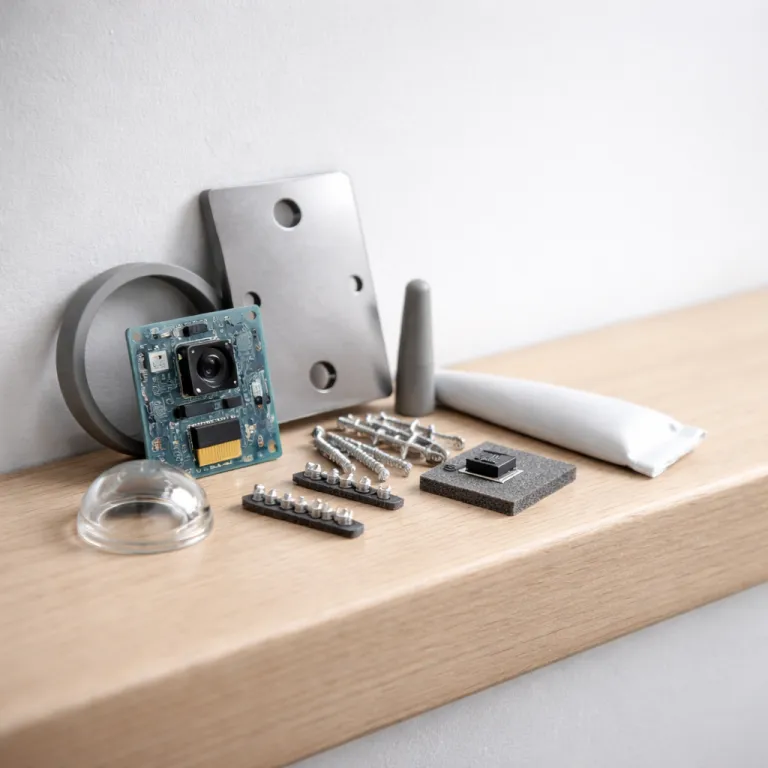
Why embedded security is now central to every smart doorbell
Smart doorbells look simple on the wall, yet their embedded security challenges are anything but. Behind the camera and chime sits an embedded system that constantly processes data, manages access, and connects to cloud software, which makes security a continuous responsibility rather than a one time setting. For any person seeking information, understanding how this embedded device is secured is now as important as image quality or design.
At the heart of every smart doorbell are tightly coupled hardware and firmware that run the core functions of the device. This embedded system executes code that handles video streams, motion detection, and communication with mobile applications, so any vulnerabilities in that firmware or software can quickly become entry points for attackers. When developers ignore embedded security or treat it as an afterthought, they expose entire home networks and connected devices to unnecessary risks.
Modern smart doorbells are effectively small embedded systems with radios, sensors, and an operating system optimized for low power. These embedded devices must apply strong system security practices, including secure boot, encrypted storage of sensitive data, and robust application security controls. Without such security features built into the embedded hardware and software, even basic functions like remote access or notifications can be abused by third party attackers who exploit weak authentication or outdated firmware.
For consumers, the key is to evaluate how well security embedded into the product aligns with recognized standards and best practices. Look for vendors that explain their cybersecurity approach, detail their security testing processes, and commit to regular firmware updates for their embedded devices. A smart doorbell that treats embedded security as a core design principle, not a marketing slogan, will better protect both your privacy and your wider home systems.
Inside the smart doorbell: hardware, firmware, and software risks
Every smart doorbell combines hardware, firmware, and software in a compact embedded system that must remain secure for years. The hardware includes processors, memory, radios, and sensors, all of which interact with firmware that initializes the device and manages low level functions. On top of this, application software handles user interfaces, cloud connectivity, and integration with other systems, which means vulnerabilities can appear at multiple layers.
When embedded devices ship with insecure firmware, attackers may exploit flaws in bootloaders, debug interfaces, or wireless stacks. Weak system security around these components can allow unauthorized access, code injection, or persistent malware that survives reboots and standard resets. Robust embedded security therefore requires developers to harden every layer, from hardware protections against tampering to secure firmware update mechanisms that verify signatures before installing new code.
Smart doorbells also rely on an operating system tailored for embedded systems, which may be proprietary or based on open source components. While open source software can improve transparency and enable faster security testing, it also demands disciplined patch management and careful application security reviews. Manufacturers must ensure that software hardware integration does not introduce hidden vulnerabilities, especially where third party libraries handle encryption, video compression, or network protocols.
Motion detection and presence sensing add further complexity, because they depend on continuous data collection and processing. As explained in this analysis of how a motion sensor switch elevates smart doorbell security and comfort, sensor logic must be tuned to avoid both false alarms and blind spots. Embedded security must therefore extend to how firmware interprets sensor data, ensuring that attackers cannot manipulate signals or overload the system to bypass security features or degrade performance.
Protecting data, access, and privacy in connected doorbell systems
Smart doorbells constantly generate and transmit sensitive data, including video of your doorway, audio conversations, and access logs. This data flows through embedded devices, cloud systems, and mobile applications, so embedded security must protect information at rest, in transit, and during processing. If encryption, authentication, and access controls are weak, attackers can intercept streams, replay footage, or map household routines.
Strong system security begins with secure storage of credentials and cryptographic keys inside the embedded device. Developers should use hardware backed key stores where possible, isolating secrets from general purpose code and reducing the impact of firmware vulnerabilities. When security embedded into the device enforces strict access rules, even compromised applications or third party integrations have limited ability to misuse stored data.
Network communication between the embedded system, cloud servers, and user smartphones must rely on modern encryption standards and mutual authentication. Application security reviews should verify that APIs do not expose unnecessary endpoints, and that open source components used for TLS or messaging are kept updated. As highlighted in research on how motion sensors enhance smart doorbell security at your front door, event data can be particularly sensitive, because it reveals patterns of presence and absence.
Privacy also depends on how long systems retain data and who can access it. Embedded devices should offer clear settings for video retention, sharing, and deletion, with firmware enforcing these policies rather than leaving them solely to remote software. When embedded security is thoughtfully designed, users gain confidence that their smart doorbell system respects both their need for security and their right to control personal data.
From development to deployment: best practices for secure smart doorbells
Building a secure smart doorbell starts long before the device reaches a front door, because embedded security must be integrated throughout the development lifecycle. During early design, developers should define system security requirements that cover hardware protections, firmware integrity, and application security, rather than focusing only on visible features. This approach ensures that security features are treated as essential components of the embedded system, not optional extras.
In the coding phase, secure development practices help reduce vulnerabilities in both firmware and software. Developers should follow coding standards tailored to embedded systems, use static and dynamic analysis tools, and maintain strict control over third party libraries. When teams treat security embedded into the codebase as a shared responsibility, they are more likely to catch subtle flaws that could later expose the device to cybersecurity threats.
Testing embedded components is equally important, because real world conditions often reveal weaknesses that lab simulations miss. Security testing should combine functional checks with penetration testing that targets the embedded device, its operating system, and its network interfaces. By applying best practices for testing embedded systems, manufacturers can validate that built security mechanisms such as secure boot, encrypted storage, and hardened communication channels work as intended.
Once devices are deployed, long term embedded security depends on reliable update mechanisms and transparent communication with users. Vendors should provide signed firmware updates, publish clear security advisories, and explain how they handle vulnerabilities reported by researchers. For a deeper look at connectivity and resilience, readers can consult this guide on how IoT SIM cards keep smart doorbells online and secure, which shows how robust networks complement strong embedded system design.
Testing, standards, and third party risks in embedded security
Independent security testing plays a crucial role in validating embedded security claims made by smart doorbell manufacturers. Beyond internal quality checks, rigorous penetration testing can expose vulnerabilities in firmware, wireless protocols, and cloud integrations that might otherwise remain hidden. When testing embedded systems, assessors often combine code review, dynamic analysis, and hardware probing to understand how the device behaves under attack.
Adherence to recognized standards and best practices helps align smart doorbell security with broader cybersecurity expectations. Standards for system security, encryption, and privacy by design guide developers in structuring embedded systems that resist common attack patterns. However, compliance alone is not enough, because real attackers target specific implementations, including how software hardware boundaries are enforced and how open source components are configured.
Third party services and integrations introduce additional risks, especially when smart doorbells connect to voice assistants, cloud storage, or home automation platforms. Each external application or service expands the attack surface, so embedded devices must enforce strict access controls and limit what external systems can command or read. Robust embedded security therefore requires careful vetting of third party partners, clear contracts on data handling, and ongoing monitoring for new vulnerabilities.
For consumers, transparency about testing embedded components and adherence to standards is a strong signal of trustworthiness. Look for vendors that publish security white papers, outline their penetration testing approach, and explain how they manage vulnerabilities over the product lifetime. When a smart doorbell vendor treats embedded security as a continuous process rather than a one time certification, users benefit from more resilient systems and clearer accountability.
Practical guidance for buyers comparing smart doorbell security features
When comparing smart doorbells, many buyers focus on resolution or design, yet embedded security deserves equal attention. Start by examining how the device handles firmware updates, because a secure embedded system must support signed, automatic updates to address new vulnerabilities. If a vendor cannot explain its update process clearly, that raises questions about long term system security and maintenance.
Next, review how the smart doorbell manages data, access, and authentication across its embedded devices and cloud services. Strong products offer multi factor authentication, granular access controls for shared users, and transparent policies on data retention. Embedded security should ensure that even if an application password is compromised, hardware protections and firmware safeguards limit what an attacker can do.
Pay attention to how the manufacturer describes its cybersecurity posture, including any penetration testing or security testing performed by independent experts. References to secure development practices, application security reviews, and dynamic analysis tools indicate a mature approach to embedded systems engineering. Buyers should also check whether the operating system and open source components used in the embedded device receive regular patches and documented updates.
Finally, consider the broader ecosystem, including third party integrations and how they interact with the embedded system. A well designed smart doorbell will expose only necessary APIs, enforce strict permissions, and keep sensitive code isolated from less trusted modules. By prioritizing embedded security alongside convenience and aesthetics, buyers can choose devices that protect both their homes and their personal information over the long term.
Questions people also ask about embedded security in smart doorbells
How does embedded security protect my smart doorbell from hackers ?
Embedded security protects your smart doorbell by hardening the hardware, firmware, and software that run inside the device. Secure boot, encrypted storage, and strong authentication prevent attackers from loading malicious code or reading sensitive data. Combined with regular firmware updates and careful application security, these measures significantly reduce the risk of unauthorized access.
What should I look for in smart doorbell security features ?
Look for clear information about firmware update policies, encryption of data in transit and at rest, and multi factor authentication for account access. Strong products also describe their penetration testing, security testing, and adherence to recognized cybersecurity standards. When embedded security is explained in detail, it usually reflects a more mature and trustworthy design.
Are open source components safe in embedded systems like smart doorbells ?
Open source components can be safe in embedded systems when developers manage them responsibly. This means tracking vulnerabilities, applying patches promptly, and performing thorough testing embedded into the development process. Problems arise when manufacturers reuse open source code without proper maintenance, leaving known vulnerabilities unpatched.
Why is penetration testing important for embedded devices at home ?
Penetration testing simulates real attacks against embedded devices, revealing weaknesses that routine functional tests might miss. For smart doorbells, this can uncover flaws in wireless protocols, firmware update mechanisms, or third party integrations. Addressing these findings strengthens overall system security and helps protect home networks from compromise.
How do motion sensors affect the security of a smart doorbell system ?
Motion sensors influence when and how a smart doorbell records and alerts, which directly affects security and privacy. Well tuned firmware and software ensure that sensor data is processed accurately, avoiding both missed events and excessive false alarms. Embedded security must also protect sensor data from manipulation, so attackers cannot trick the system into ignoring real intrusions.