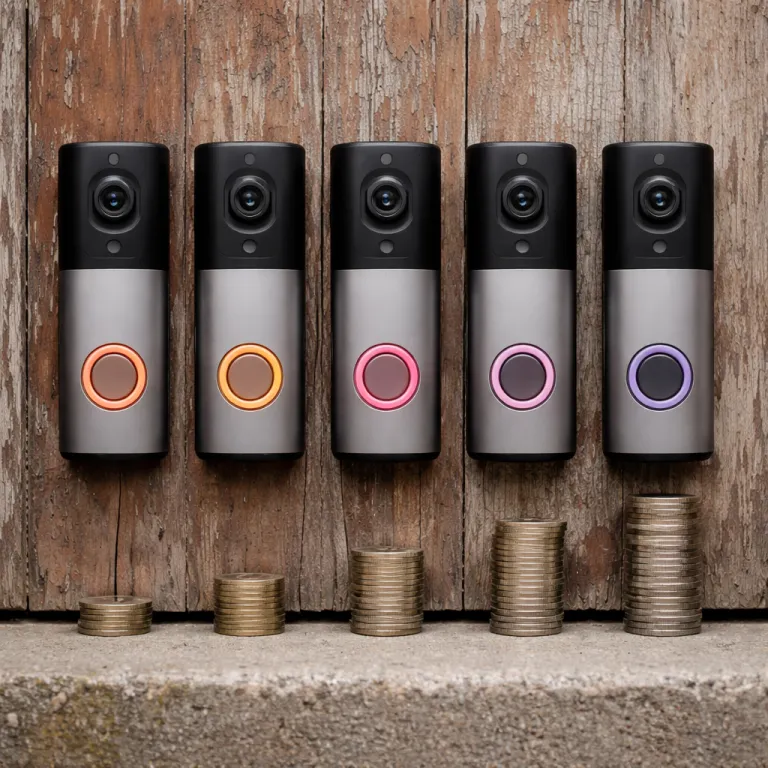

The price tag myth: why the real bill hides in the subscription
A smart doorbell that costs 150 euros can quietly turn into a 600 euro commitment once you factor in subscriptions and batteries. The real smart doorbell subscription cost comes from ongoing fees for cloud storage, AI motion analysis features, and multi camera bundles that keep adding up every month. If you care about long term security rather than shiny packaging, you need to treat the subscription as the main price and the hardware as the accessory.
Look at a typical ring video doorbell or similar doorbell cameras and you will see the same pattern. The doorbell camera itself looks affordable, but the ring protect plan that unlocks video storage, extended live view, and smart security alerts can cost more than the hardware after a few years. When you add extra security cameras, more doorbells, and higher tier cloud storage for longer video history, the subscription cost curve steepens fast.
Across the big brands, the numbers are not subtle. Over three years, subscription plans for a smart doorbell with video recording can range from roughly 180 euros to more than 700 euros depending on how many cameras and devices you connect and which protect plan tier you choose. That means the smart doorbell subscription cost often exceeds the doorbell camera price itself, especially once you add a second video doorbell or a couple of outdoor security cameras to cover the full field view around your home.
The catch is what happens when you stop paying. With many cloud focused video doorbells, you keep basic live view and motion alerts, but you lose recorded video, rich notifications, and some advanced security features that justified buying a smart doorbell in the first place. You still have a camera on the wall, yet without cloud storage or local storage options such as a microsd card, your smart security system becomes little more than a glorified chime.
That is why I argue that subscription free should be your default starting point. If a smart video doorbell cannot offer at least some form of local storage, such as a hub with a microsd card or built in memory, you should treat the smart doorbell subscription cost as part of the sticker price and compare it over five years. Only when the long term cost and the security benefits line up should you accept a recurring subscription for your doorbells and cameras.
Hidden fees: cloud storage, AI extras, and the battery treadmill
When you read the marketing pages for a smart doorbell camera, the focus is always on crisp video, night vision, and smart motion alerts. The fine print about subscription tiers, cloud storage limits, and battery replacement cycles is where the real smart doorbell subscription cost hides. To shop like a pro, you need to map every promised feature to either a one time hardware cost or an ongoing subscription fee.
Start with video storage, because that is where most people get surprised. Entry level plans for a single video doorbell often include only 30 days of cloud storage, and upgrading to longer history or multiple doorbell cameras can double or triple the subscription. If you add indoor security cameras or a backyard camera to the same account, the per device pricing can quietly shift to a more expensive all devices plan that locks you deeper into that cloud.
Then come the AI and smart security extras. Some brands charge more for advanced motion detection, package detection, or person alerts, even though the camera hardware and night vision capabilities are identical across tiers. You might see a basic subscription that only stores video, while a higher tier adds smart motion zones, better field view controls, and priority support, which nudges you toward the more expensive protect plan just to get the features you assumed were standard.
The battery story is rarely highlighted, yet it matters over five years. Battery powered smart doorbells are convenient to install, but heavy use of live view, frequent motion events, and cold weather can cut battery life sharply, leading to replacement batteries or earlier device upgrades. When you calculate the smart doorbell subscription cost, you should add at least one replacement battery cycle, especially for wireless video doorbells that rely on a single removable battery pack.
Local storage is the main antidote to these hidden fees. Systems that support a microsd card in a base station or in the doorbell camera itself can record video without forcing you into cloud storage, which keeps your ongoing subscription effectively free. If you later decide to integrate the doorbell with a broader smart home control panel, such as the type described in this guide on how a smart home control panel transforms your doorbell experience, you still retain control over where your video storage lives and how much you pay for it.
What you lose when you cancel, and when subscriptions are actually worth it
Most buyers never ask what happens to their smart doorbell when they cancel the subscription. The answer is rarely pleasant, because the smart doorbell subscription cost is designed to feel optional at checkout but essential once the doorbell cameras are on your wall. You keep just enough functionality to avoid ripping the device out, yet you lose the features that made the smart security upgrade feel worthwhile.
In many ecosystems, cancelling the subscription means losing recorded video, rich notifications, and some advanced motion controls. You may still have live view and basic alerts, but without cloud storage or local storage, you cannot review who was at the door yesterday or share a video clip with neighbours or the police. That is a serious downgrade if you bought the video doorbell to handle package theft, late night visitors, or suspicious motion around your driveway.
There is also the quiet issue of grandfathered plans. Some early adopters enjoy older, cheaper subscription tiers that are no longer offered, while new buyers face higher prices for the same video storage and features. If you cancel and later return, you might lose that older protect plan and be forced into a more expensive tier, which makes the long term smart doorbell subscription cost even harder to predict.
Still, there are scenarios where a subscription based smart doorbell makes sense. Large homes with several video doorbells and multiple security cameras can benefit from unified cloud storage, shared motion zones, and integrated emergency response features that some premium plans offer. If you rely heavily on integrations with amazon alexa, google nest, or combined alexa google routines, a well designed subscription can simplify management across all your devices and doorbells.
Before you commit, read a detailed breakdown such as this guide on understanding the cost of Ring subscriptions, then apply the same scrutiny to any other brand. Ask whether the subscription is paying for genuinely valuable features, such as reliable night vision recordings, extended field view coverage, and robust smart security alerts, or just unlocking things the hardware could already do. If the only way to get basic video storage is to keep paying every month, you are not buying a doorbell camera, you are renting access to your own front door history.
Why subscription free should be the default, and how to choose wisely
If you are buying your first smart doorbell, start from a simple rule. Assume that a subscription free model with local storage is the best baseline, then force every paid plan to justify itself against that standard. This mindset flips the usual marketing script and puts you, not the cloud provider, in control of your long term smart doorbell subscription cost.
Look for systems that offer local storage through a hub or a microsd card, while still supporting optional cloud storage if you want remote backups. Some tapo and link tapo doorbell cameras, for example, pair with a base station that records video locally, which keeps your recurring subscription effectively free unless you choose extra cloud features. Similar approaches exist in other ecosystems that prioritise smart security without forcing you into permanent cloud dependence for every video clip.
When comparing models, ask three hard questions. First, if I never pay for a subscription, what video, motion, and night vision features do I still get, and how long is my video storage history with local storage alone. Second, if I add more devices such as extra security cameras or additional video doorbells, does the protect plan scale fairly or does the smart doorbell subscription cost jump sharply once I cross a certain number of cameras.
Third, what is my five year total cost, including at least one battery replacement and any likely subscription upgrades. A 120 euro smart doorbell that needs a 10 euro per month subscription and a 40 euro replacement battery can easily cost more than 800 euros over its lifetime, especially if you later add more doorbells or cameras to the same account. By contrast, a slightly more expensive doorbell camera with robust local storage and a one time purchase can keep your effective subscription free while still integrating with amazon alexa, google nest, or other smart platforms.
If you want specific model level guidance, look at long term hands on reviews such as this analysis of the best smart doorbells after extended testing, which compare real battery life, field view clarity, and motion reliability rather than just spec sheets. Use those insights to prioritise smart doorbells that treat cloud storage as a bonus, not a requirement, and that keep core security features available even without a subscription. Over five years, that approach protects both your front door and your budget far better than chasing the lowest checkout price.
Key figures on smart doorbell subscription economics
- Across major brands, three year subscription costs for smart doorbells and security cameras typically range from about 180 euros for a single device plan to more than 700 euros for multi camera tiers, which means the subscription can cost several times more than the original doorbell camera hardware over the same period (data compiled from manufacturer pricing and industry analyses).
- Cloud based plans that include 30 days of video storage for one video doorbell often start around 4 to 5 euros per month, while upgrading to whole home coverage for multiple doorbells and cameras can push monthly fees into the 15 to 25 euro range, significantly increasing the long term smart doorbell subscription cost for larger households.
- Battery powered smart doorbells used in colder climates or on busy streets can require battery replacement or recharge every two to three months, compared with six months or more in mild, low traffic conditions, which adds both direct battery costs and indirect labour time over a five year ownership window.
- Local storage solutions that rely on a microsd card or a base station typically add between 20 and 80 euros to the upfront price, yet they can eliminate recurring cloud storage fees entirely, which often results in savings of several hundred euros over the life of a smart doorbell system.
- Households that expand from a single smart doorbell to a full smart security setup with three to five security cameras can see their total subscription spending increase by more than 200 percent, because many providers shift from per device pricing to more expensive all devices plans once multiple cameras are connected to the same account.