How PoE doorbells compare with Wi Fi and battery models
When you compare the best smart doorbells with PoE against Wi Fi or battery models, reliability becomes the central theme. A PoE video doorbell maintains a stable wired link, while wireless doorbell cameras can suffer from interference, mesh handoffs, or router misconfigurations. Battery powered video doorbells add another variable, because low charge can degrade detection and video quality before the user notices.
Wi Fi models still have a place, especially where running a wired connection to the front door is impossible. They pair quickly with a mobile app, support flexible placement, and often integrate tightly with a cloud subscription for video storage. However, anyone who has struggled with a smart doorbell that will not connect to a new mesh router or WPA3 network should read a detailed guide on Wi Fi 6 and WPA3 compatibility issues before assuming wireless is easier in every situation.
Battery doorbells appeal to renters and people who cannot modify wiring, but they demand discipline. You must track charging cycles, manage performance modes, and accept that night vision or high resolution video may be throttled to preserve power. For buyers who want the best security and the best video performance without constant battery management, a wired PoE doorbell camera usually offers a calmer long term experience.
PoE versus solar and hybrid power options
Solar powered doorbells and hybrid systems promise less dependence on the grid. They can work well in sunny climates, especially when paired with efficient video doorbells that optimise detection and recording schedules. A dedicated guide to top smart doorbells with solar panel options can help you judge whether your location and mounting position will provide enough light.
Compared with solar, PoE delivers predictable power regardless of weather or shading. A PoE doorbell camera can run continuous recording, advanced detection analytics, and strong night vision without worrying about seasonal changes. For homes with existing ethernet runs or planned renovations, the extra effort of PoE installation often pays off in consistent performance.
Hybrid systems that mix PoE, Wi Fi, and solar can suit complex properties with outbuildings or long driveways. In these cases, a PoE video doorbell at the main front door can anchor the security system, while wireless or solar cameras cover remote angles. This layered approach balances installation constraints, subscription costs, and the need for reliable coverage at the primary entrance.
Leading PoE smart doorbell brands and ecosystems
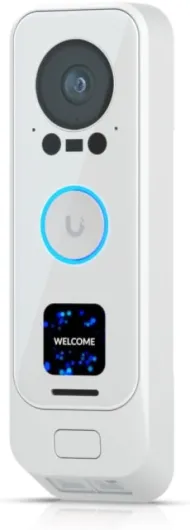
Among the best smart doorbells with PoE, Reolink has become a frequent reference for value and flexibility. Many Reolink doorbell camera models support both PoE and Wi Fi, giving buyers a choice between wired stability and wireless convenience. Their cameras integrate with Reolink network video recorders, which simplifies video storage and centralised control for a full security system.
Google Nest focuses more on Wi Fi, yet the Nest doorbell still matters in any comparison because of its software polish. The Google Nest ecosystem offers refined detection, strong facial recognition features in some regions, and deep integration with Google Assistant smart displays for instant front door view. While the current Nest doorbell range does not rely on PoE, many households pair Nest cameras with a separate PoE video doorbell to combine software strengths with wired reliability.
Other brands specialise in professional grade PoE video doorbells that integrate with larger security systems. These doorbell cameras often support open standards such as ONVIF, allowing them to join mixed camera networks and third party recorders. When you read a doorbell review for these models, pay attention to how well the app handles multi camera layouts, remote access, and long term video storage policies.
Single versus dual camera PoE doorbells
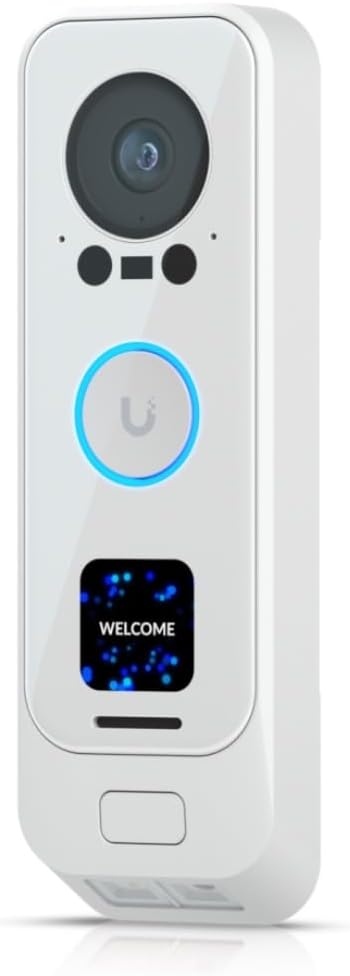
Traditional PoE doorbell cameras use a single front facing camera to monitor the entry. This design keeps installation simple and focuses on a clear field view of visitors and packages. However, it can miss items placed very close to the door or low on the ground.
Dual camera smart doorbells add a second lens, often pointing downward to capture packages and the immediate doorstep. This configuration can reduce blind spots, improve detection accuracy, and provide better evidence in case of theft or disputes. A dedicated guide to top smart doorbells with dual camera designs can help you decide whether the extra hardware complexity is justified for your front door.
When comparing single and dual camera PoE models, consider how each handles video storage and bandwidth. Two cameras generate more data, which affects both local storage capacity and any cloud storage subscription you might use. For many households, a single high quality PoE video doorbell with a wide field view offers the best balance between simplicity, cost, and coverage.
Storage, subscriptions, and how PoE affects your running costs
Every buyer comparing the best smart doorbells with PoE eventually confronts the question of storage. A PoE video doorbell can support continuous recording to local storage, event based clips in cloud storage, or a hybrid of both. The right mix depends on your tolerance for subscription fees, your appetite for detailed archives, and your broader security system design.
Cloud storage subscriptions offer convenience, remote access, and resilience against theft of the doorbell camera itself. Many brands provide tiered subscription plans that unlock extended video history, advanced detection analytics, and richer notifications in the app. When you evaluate pros and cons, remember that long term subscription costs can exceed the original price of the video doorbell, especially if you add multiple cameras.
Local storage, whether on a microSD card, a network video recorder, or a home server, gives you more control. A PoE wired connection makes it easier to stream full resolution video to these devices without saturating Wi Fi bandwidth. For users who want the best security posture, combining local storage for primary video and limited cloud storage for critical events often delivers the best video resilience and cost balance.
How PoE influences video quality and detection features
A stable PoE link allows the doorbell camera to maintain higher bitrates and frame rates. This directly improves video quality, especially in complex scenes with movement, shadows, or challenging lighting. Better quality footage makes it easier to identify faces, vehicles, and small details around the front door.
Advanced detection features also benefit from consistent power and bandwidth. Smart detection algorithms that distinguish people, packages, and vehicles require processing power and reliable video streams, which PoE can support without worrying about battery drain. When reading any doorbell review, check whether detection remains accurate at night and during heavy network use, because this is where PoE models often outperform wireless rivals.
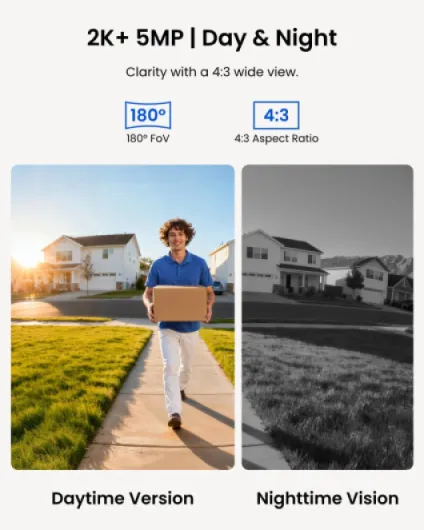
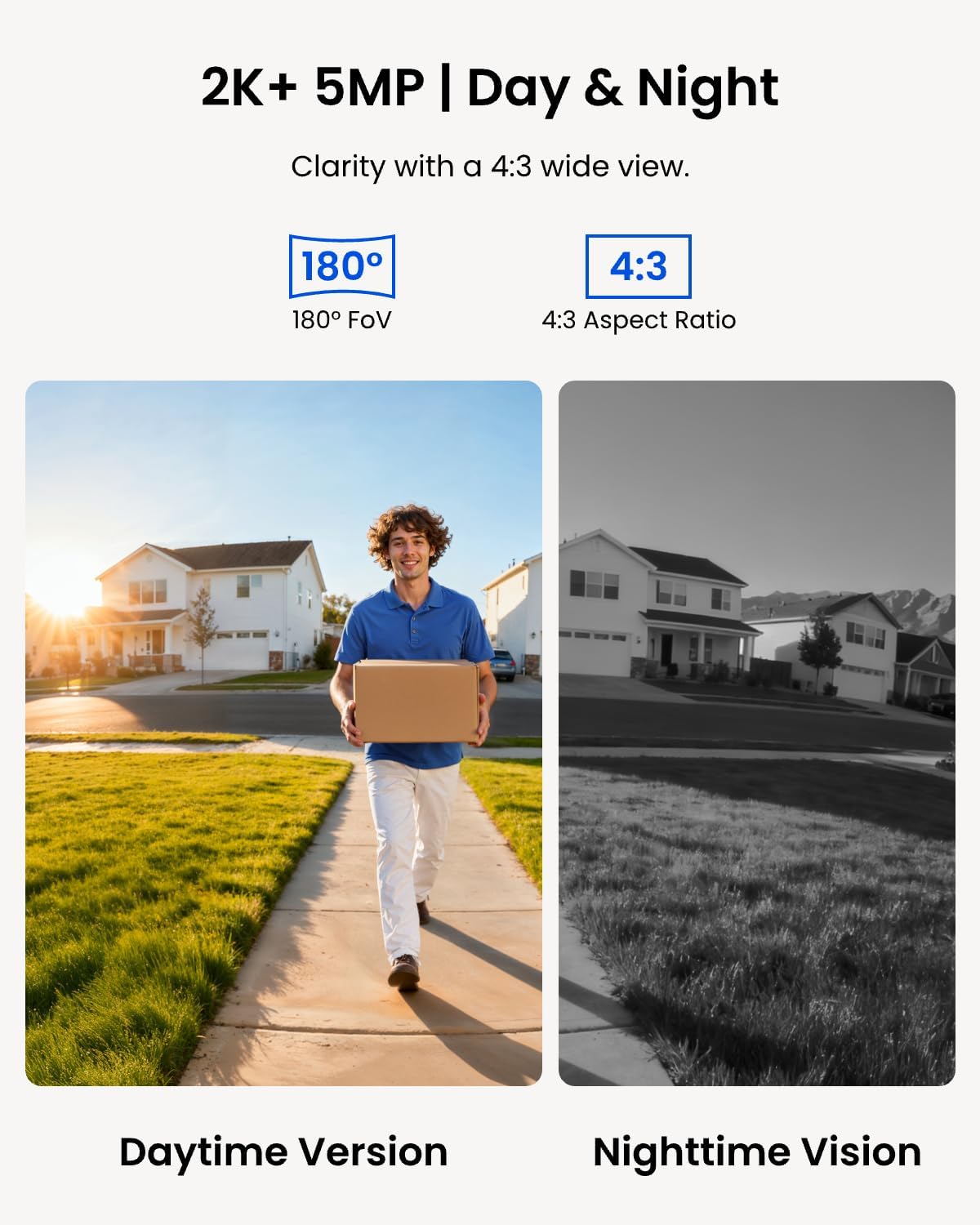
Night vision performance is another area where PoE shines. Infrared illumination and colour night vision modes consume more power than daytime operation, yet a PoE video doorbell can run them at full strength throughout the night. This reliability helps your security camera maintain a clear field view and reduces the risk of missed events during the hours when incidents are most likely.
Installation, wiring, and practical tips for PoE doorbells
Installing one of the best smart doorbells with PoE requires more planning than attaching a battery model, but the process is manageable for many homeowners. The core task is to run an ethernet cable from your network equipment to the front door location. Once the cable is in place, the actual doorbell installation often involves a simple mounting plate, a few screws, and a short configuration sequence in the app.
Before drilling, map the ideal field view for the doorbell camera and any supporting cameras. Consider visitor height, typical approach paths, and potential obstructions such as pillars or plants that could affect detection. A slightly angled mounting bracket can dramatically improve the view of faces and packages, while also reducing false alerts from passing traffic.
When planning the wired route, think about future expansion of your security system. Running a higher grade cable and leaving spare capacity on your PoE switch allows you to add more video doorbells or external security cameras later. This forward thinking approach turns a single doorbell with PoE into the backbone of a flexible, property wide security camera network.
Common installation pitfalls and how to avoid them
One frequent mistake is underestimating the distance between the network rack and the front door. Long cable runs must respect ethernet length limits to preserve full data rates and video quality. If your layout pushes these limits, consider placing a small PoE switch closer to the entry and uplinking it to the main router.
Another pitfall involves mixing old chime wiring with new PoE infrastructure. Some users try to reuse legacy doorbell gen wiring while also running ethernet, which can complicate installation and troubleshooting. In many cases, it is cleaner to retire the old chime circuit, rely on smart speakers or app notifications, and keep the PoE wiring dedicated to data and power.
Finally, do not overlook weatherproofing and physical security for the doorbell with PoE. Use proper grommets, seal exterior holes, and ensure the mounting bracket is firmly anchored into solid material. These details protect both the device and the cable, preserving the integrity of your best security investment over many seasons.
How to evaluate PoE doorbells: features, pros, and cons
Choosing among the best smart doorbells with PoE means weighing features against real world needs. Start by listing your priorities, such as continuous recording, advanced detection, or integration with existing cameras. Then compare how each video doorbell handles these tasks, rather than focusing only on headline resolution numbers.
On the positive side, PoE models usually deliver superior reliability, consistent video quality, and easier integration with professional style security systems. Their wired nature supports richer analytics, better night vision, and more predictable video storage behaviour across both local storage and cloud storage options. The main downsides involve higher upfront installation effort, potential need for a PoE switch, and less flexibility for renters who cannot modify walls.
When reading any doorbell review or broader doorbell cameras comparison, pay attention to long term ownership details. Look for clear information about subscription requirements, app stability, firmware update policies, and how the brand handles privacy within its security system. A thoughtful doorbell review that explains these pros and cons in context is often more valuable than a short list of specifications or a single snapshot of the front door view.
Matching PoE doorbells to different home scenarios
For apartments where wiring changes are restricted, a fully wired PoE video doorbell may be unrealistic. In such cases, a Wi Fi nest doorbell or similar google nest model can still provide strong security when paired with a robust router and careful placement. The key is to understand that you are trading some wired reliability for easier installation and landlord friendly mounting.
Detached houses and townhouses with access to basements, attics, or exterior conduits are ideal candidates for PoE. Here, a Reolink PoE doorbell camera or similar wired model can anchor a multi camera layout that covers driveways, gardens, and side entrances. Over time, the ability to add more PoE cameras without worrying about batteries or weak signals often justifies the initial installation work.
Large properties or small businesses may combine several PoE video doorbells at different entrances with a central recorder. This configuration supports full resolution recording, detailed audit trails, and rapid review of incidents across multiple doors. In these environments, the best video performance and the most robust security camera coverage almost always come from a carefully planned PoE infrastructure.
Key figures about PoE smart doorbells and home security
- According to data from the Consumer Technology Association, smart home security devices, including video doorbells and doorbell cameras, have seen double digit percentage growth in unit sales over recent years, reflecting rising consumer concern about front door security.
- Network equipment vendors commonly rate standard PoE (IEEE 802.3af) at up to 15.4 watts per port, which is sufficient for most PoE video doorbells and compact security cameras, while PoE+ (IEEE 802.3at) can deliver up to 30 watts for more demanding devices.
- Several major smart camera brands state in their technical documentation that wired connections reduce packet loss and latency compared with Wi Fi links, which directly benefits video quality and motion detection accuracy for PoE doorbell camera installations.
- Home insurance providers in multiple European markets have reported modest premium reductions, often in the low single digit percentage range, for customers who install certified security systems that include monitored video doorbells or integrated doorbell cameras.
- Industry surveys of smart home users consistently show that the front door remains the single most monitored location, with a majority of respondents ranking the video doorbell as their most frequently checked security camera feed.