Best slim smart doorbells for narrow door frames and small porches
Key features that define the best slim smart doorbells
Three pillars define the best slim smart doorbells today. You need strong video resolution, dependable power whether wired or battery powered, and sensible options for cloud storage or local storage. Around those pillars sit extra smart features like package detection, quick replies, and integration with wider security systems and smart home platforms.
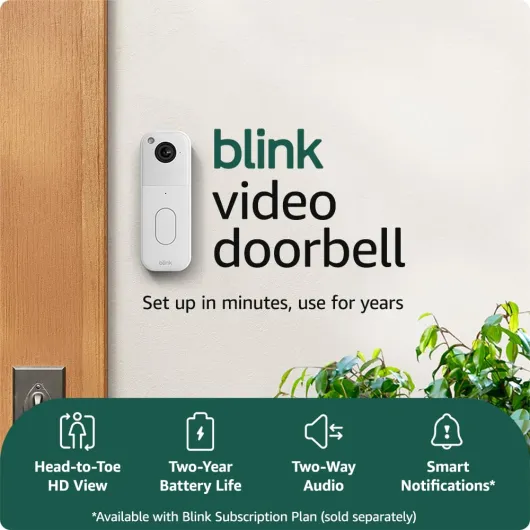
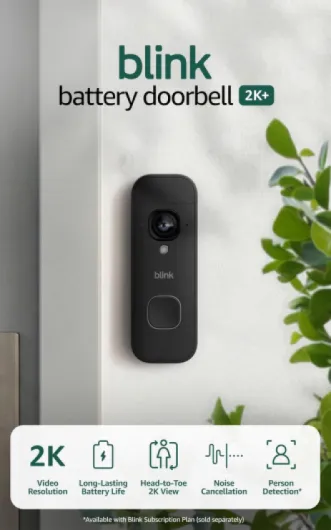
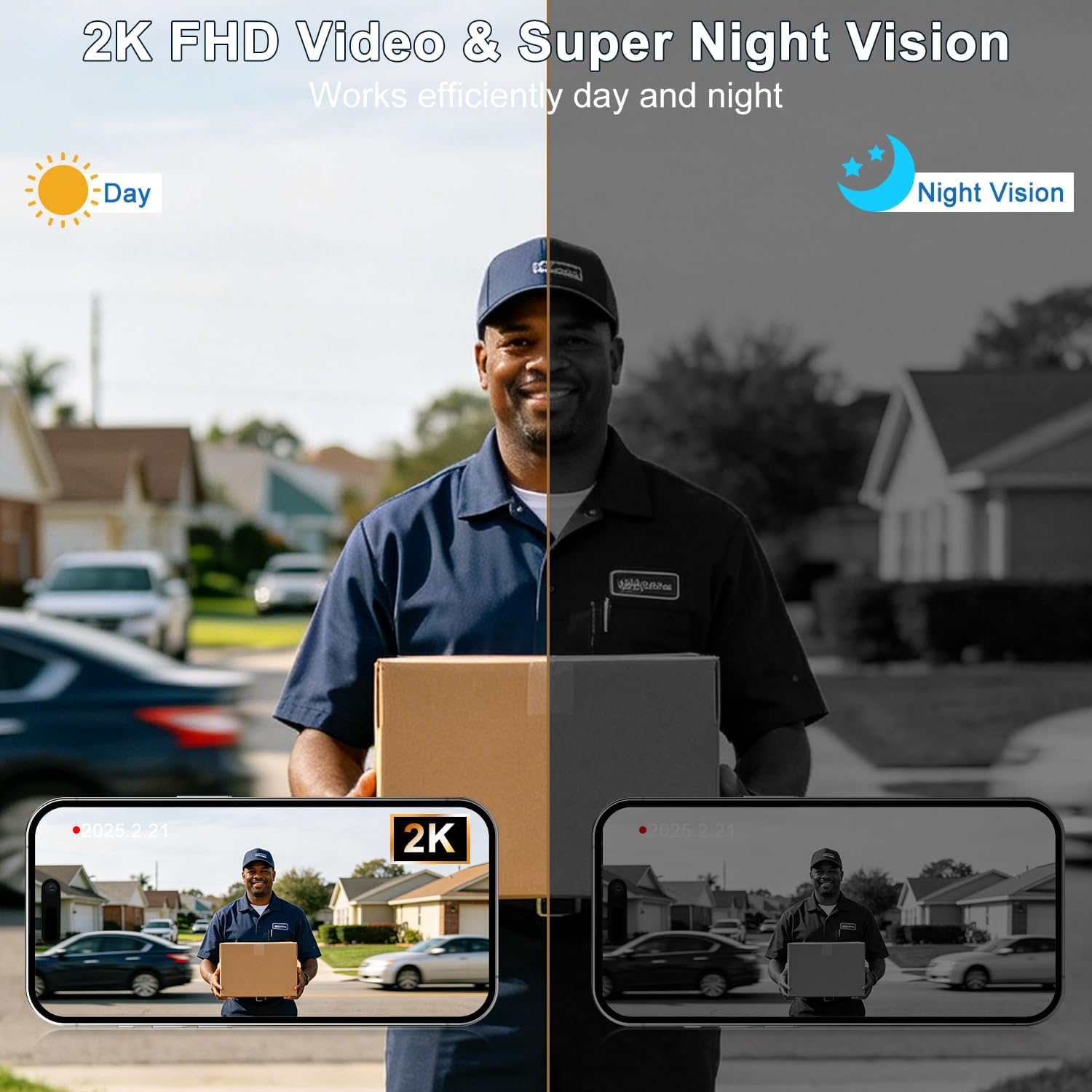
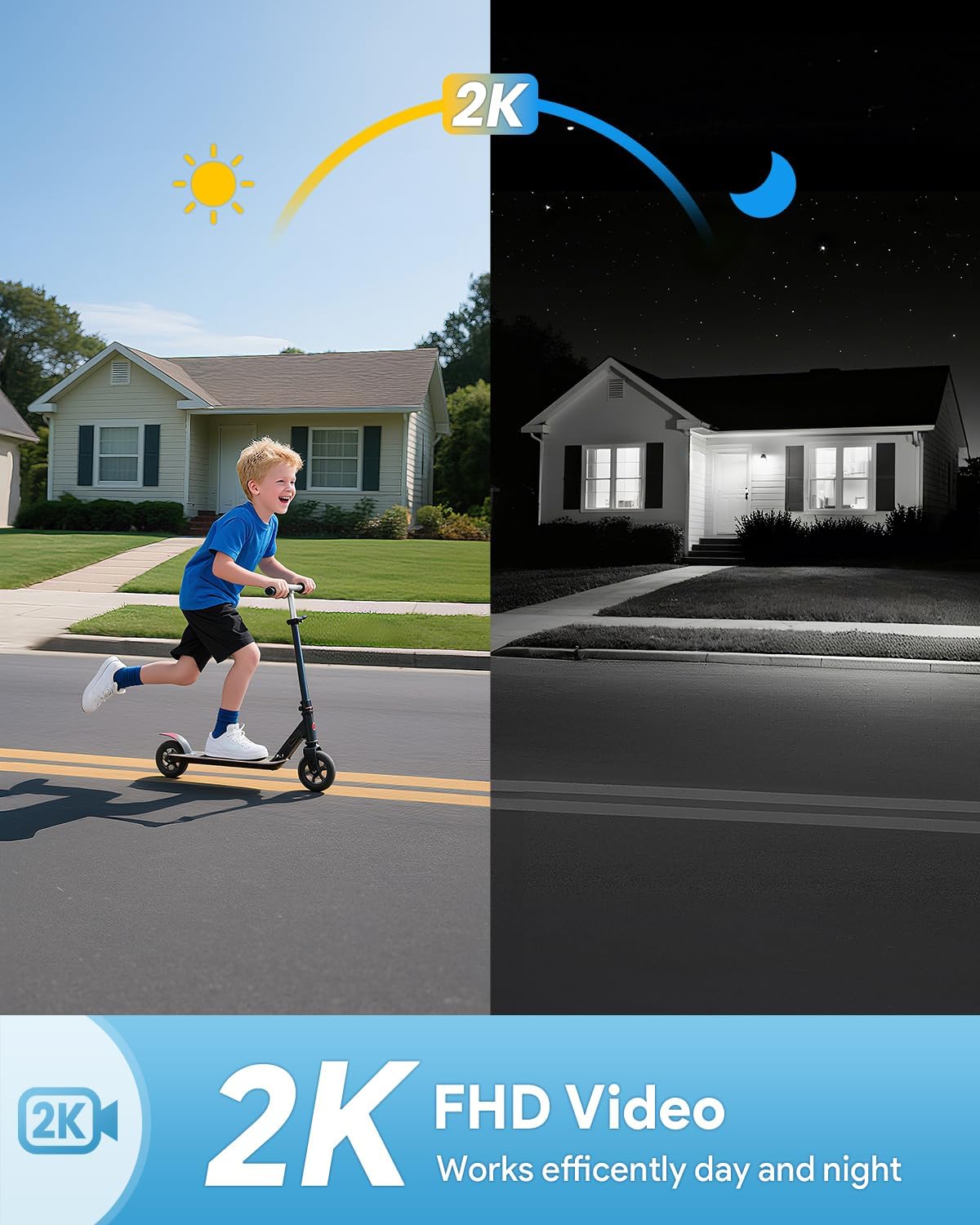
Start with the camera, because a slim video doorbell still needs crisp video. Look for at least Full HD (1080p) resolution, with some pro models reaching 2K or higher resolutions for better zoom on faces. A tall field of view, often around 3:4 or 4:5, helps the doorbell camera show both the visitor’s face and the parcel on the mat without forcing you to tilt the unit too low.
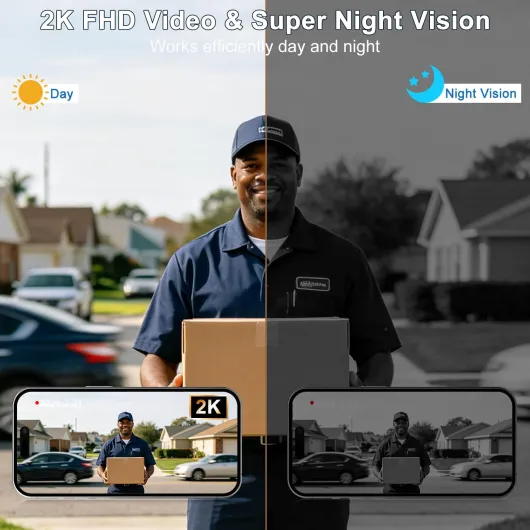
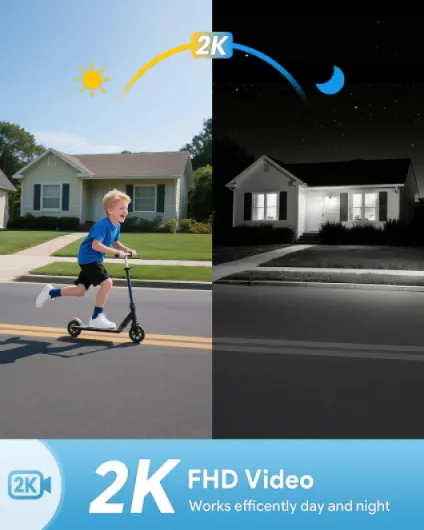
Night vision performance separates average doorbell cameras from the best video models. Infrared night vision should illuminate several metres in front of the door without washing out faces or creating harsh glare. Some smart doorbells add colour night vision when there is enough ambient light from the street or porch, which can make clothing colours and vehicle details easier to recognise.
Power options matter, especially in older buildings where rewiring the door is difficult. A battery powered slim doorbell offers easier installation, while wired doorbells avoid charging downtime and can support more advanced pro features such as pre‑roll video. Hybrid models from brands like Ring, TP‑Link Tapo, and Google Nest Doorbell give you both choices in one compact housing so you can change power later.
Storage and subscription models deserve close attention before you buy. Many video doorbells offer free basic alerts but require a subscription for extended video storage, smart detection, and professional monitoring links. When comparing top slim smart doorbells, use a detailed buying guide or comparison chart to weigh subscription costs, typical battery life in months, and field‑of‑view degrees against long term value.
Comparing leading brands: ring, google nest, and tapo
Brand ecosystems shape how your slim smart doorbell fits into daily life. Ring, Google Nest, and TP‑Link Tapo each approach video doorbells, security cameras, and cloud storage in distinct ways. Choosing the best slim smart doorbells often means choosing the ecosystem you already use on your phone, speakers, and smart displays.
Ring focuses on a broad range of video doorbells and doorbell cameras, from entry level to Doorbell Pro models. Its slim battery powered designs, such as Ring Battery Doorbell Plus, typically offer 1536p resolution, a vertical field of view around 150 degrees, and quoted battery life of several months between charges in typical use. They integrate tightly with Amazon Alexa, Ring security cameras, and optional professional monitoring through Ring Alarm, while the subscription unlocks longer video storage, advanced motion zones, and rich notifications on multiple devices for a relatively low monthly fee.
Google Nest takes a different route with the wired Nest Doorbell and the battery powered Nest Doorbell, both designed to work with Google Nest Hubs and the Google Home app. These doorbells emphasise smart detection of people, parcels, and vehicles, plus strong integration with other Google Nest security cameras. The battery model records up to 1080p HDR video with a tall 3:4 aspect ratio and a diagonal field of view of roughly 145 degrees, and the best video experience here comes when you already use Google Assistant voice control across several rooms and want a single app for cameras and speakers.
TP‑Link Tapo offers some of the best value among slim smart doorbells, especially for people who prefer local storage. Many Tapo video doorbells and cameras, such as the Tapo D230S1, support microSD cards and record up to 2K QHD resolution with a wide field of view around 160 degrees, reducing reliance on cloud storage subscriptions and keeping recordings on‑site. This approach suits buyers who want a smart doorbell camera without ongoing fees, while still keeping an option for cloud backup through the Tapo Care service.
Upgrading from a starter doorbell to a more advanced pro model can feel like a big step. Before you move to a Doorbell Pro with higher resolution and more features, it helps to read guidance or lab tests that explain when better HDR, wider field of view, or longer battery life actually improve security. That kind of perspective keeps you focused on real security gains instead of chasing every new camera specification.
Power, wiring, and placement for slim video doorbells
Power strategy determines how reliable your slim smart doorbell will feel. A wired doorbell draws constant power from existing chime wiring, while a battery powered model relies on periodic charging or swappable packs. Both approaches can deliver the best slim smart doorbells experience when installed correctly at the front door and checked occasionally.
Wired video doorbells suit homeowners who already have a traditional doorbell and can access the transformer. These doorbells often support more advanced features such as pre‑roll video, continuous recording, or higher resolution streaming without worrying about battery drain. However, installation may require an electrician if your current wiring or transformer does not meet the new camera’s power needs or voltage range.
Battery powered doorbell cameras shine in rentals, apartments, and older buildings. You mount the slim doorbell with screws or adhesive, connect it to Wi‑Fi, and pair it with your phone or smart display in a few minutes. Many of the best video doorbells in this category offer several months of battery life, often quoted as 2,000 to 3,000 motion events per charge, depending on motion activity and video settings.
Placement affects both field of view and night vision quality. Mount the doorbell camera around 1.2 to 1.4 metres high, angled slightly toward the visitor’s face rather than the street or a busy pavement. If your door is recessed or shaded, consider a wedge kit to widen the field of view, reduce glare from nearby lights, and avoid pointing directly at reflective glass.
For homes with multiple entrances or side gates, combining a slim video doorbell with extra security cameras creates a more complete security system. You can then use a mix of cloud storage and local storage to manage video storage costs and redundancy. To decide whether a wired or wireless doorbell camera fits your layout best, compare how often you can charge batteries, how accessible your wiring is, and whether you want 24/7 recording.
Subscriptions, storage, and long term security value
Ongoing costs often separate a cheap smart doorbell from the best slim smart doorbells. Many brands offer a free tier with live video and basic alerts, but charge for extended video storage and advanced detection. Understanding these subscription layers helps you avoid surprises after installing your new doorbell camera and connecting it to other security devices.
Cloud storage subscriptions typically store video clips from your video doorbells and security cameras for a set number of days. Ring, Google Nest, and TP‑Link Tapo each provide different retention periods, device limits, and pricing tiers that scale from a single camera to whole‑home coverage. When you compare doorbells, calculate the total cost over several years, including any professional monitoring or security system add‑ons that you might enable later.
Some slim smart doorbells support local storage through microSD cards or network video recorders. Local storage reduces reliance on cloud storage, but you must protect the recorder from theft and ensure enough capacity for high resolution video and long retention. For many people, a hybrid approach using both local storage and cloud backup offers the best balance of resilience, privacy, and convenient remote access.
Look closely at which features sit behind the subscription paywall. Smart alerts that distinguish people from animals, rich notifications with preview video, and extended video storage often require a paid plan. If you only need live view and instant alerts at the front door, a free tier may be enough for your daily routine, especially when paired with local recording.
Finally, consider how your doorbell integrates with wider security cameras and smart home devices. Tight integration with Amazon Alexa, Google Nest Hubs, or compatible smart speakers can reduce the need for separate chimes and screens. The best slim smart doorbells deliver long term value when their storage, subscriptions, and features match your real security priorities instead of short‑term gadget appeal.
How to choose the right slim smart doorbell for your home
Choosing among the best slim smart doorbells starts with your entrance layout. Measure the space beside your door, check the existing doorbell wiring, and note how much of the path you want in the field of view. These details guide you toward the right mix of camera resolution, night vision strength, and power options.
Next, map your current smart home ecosystem, including any security cameras, speakers, and displays. If you already use Amazon Alexa heavily, a Ring Video Doorbell or compatible Doorbell Pro may integrate most smoothly. For households invested in Google Nest displays and speakers, a Nest Doorbell or other Google compatible video doorbells will feel more natural and keep everything in one app.
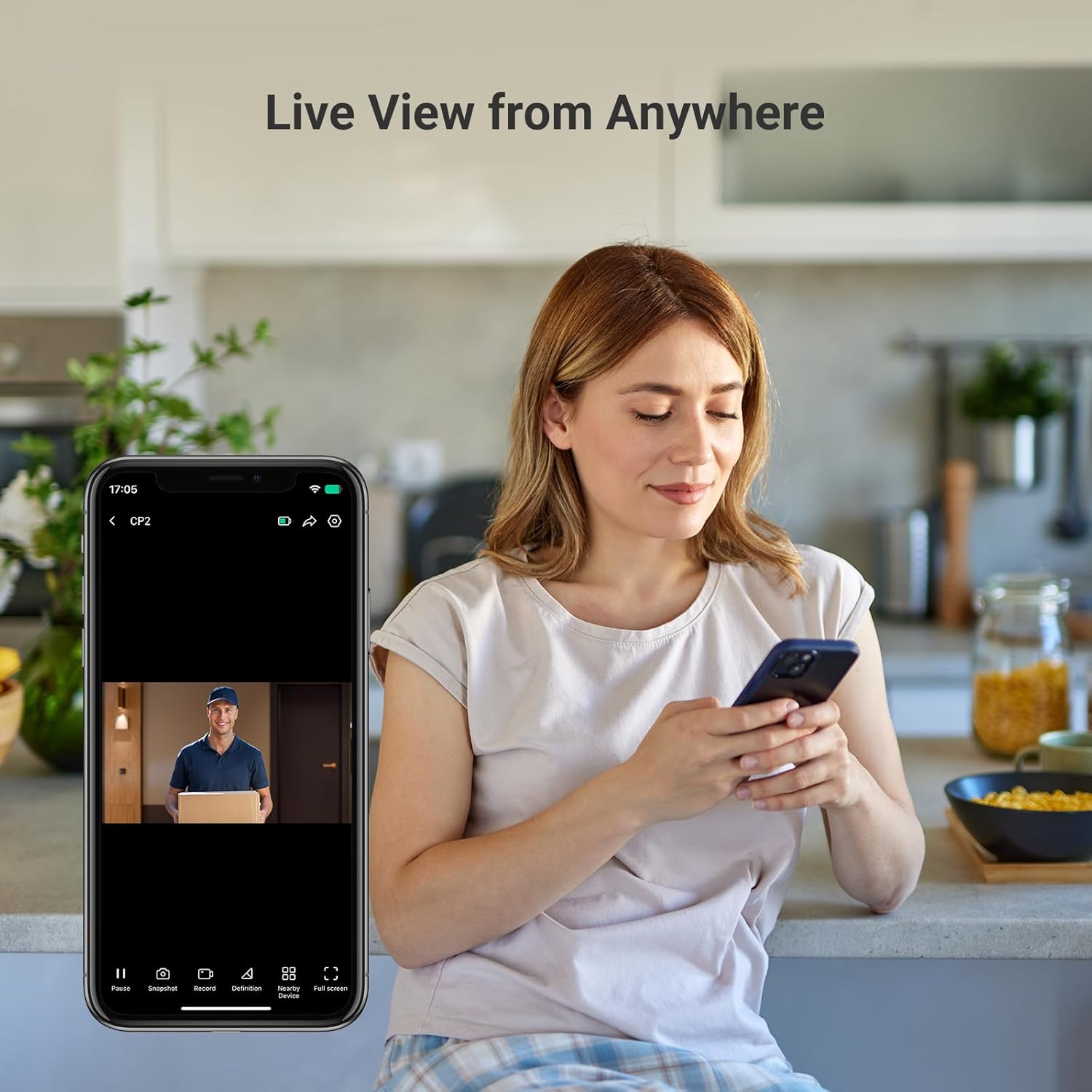
Think about how you actually respond to visitors at the front door. If you often miss parcels, prioritise a doorbell camera with tall video framing, reliable motion alerts, and package detection. If you travel frequently, look for strong remote access, robust video storage, and possibly links to a broader security system with sirens or smart locks.
Budget should include both the upfront price and any subscription or cloud storage fees. Entry level TP‑Link Tapo doorbells with local storage can be the best choice for cost conscious buyers, while higher end Pro models from Ring or Google Nest justify their price with richer features and longer retention. Always compare the free tier against paid plans to see which features you truly need over the next few years.
Finally, read independent tests and user feedback that focus on slim designs, not just generic doorbells. Pay attention to comments about battery life in real hours or days, Wi‑Fi stability through brick walls, and real world night vision performance in rain or street lighting. When a slim smart doorbell aligns with your door, your devices, and your habits, it becomes a quiet but powerful upgrade to everyday security.
Key figures about slim smart doorbells and home security
- Market research from smart home analysts indicates that more than one fifth of broadband households in North America now own at least one smart home security device, and video doorbells are among the fastest growing categories within that segment.
- Independent consumer testing has shown that moving from standard definition to Full HD resolution on a doorbell camera can significantly improve facial recognition accuracy at the door in typical lighting conditions.
- Industry surveys indicate that around half of video doorbell owners choose battery powered models, mainly because they avoid professional installation costs and can be mounted on narrow or awkward door frames.
- Data from several major brands suggests that enabling smart motion detection, rather than continuous recording, can reduce video storage use by up to 70%, which directly lowers cloud storage costs for long term users.
- Independent lab tests have found that high quality infrared night vision on modern doorbell cameras can clearly capture faces at distances of roughly 3 to 5 metres, which covers most typical front door approaches in urban and suburban homes.
Comparison table: slim smart doorbell recommendations
| Model |
Power |
Resolution / FOV |
Storage & subscription |
Typical price band |
Best for |
| Ring Battery Doorbell Plus |
Battery (optional wired trickle) |
1536p, tall FOV around 150° |
Cloud plan for video history; no microSD |
Mid to upper mid range |
Renters using Alexa who want a slim, easy‑mount doorbell |
| Google Nest Doorbell (battery) |
Battery (optional wired) |
1080p HDR, 3:4 aspect, ~145° diagonal |
Cloud recording via Nest Aware; no local card slot |
Upper mid range |
Homes built around Google Assistant and Nest displays |
| TP‑Link Tapo D230S1 |
Battery |
Up to 2K QHD, wide FOV around 160° |
microSD local storage plus optional Tapo Care cloud |
Budget to mid range |
Cost conscious buyers who prefer local recording |