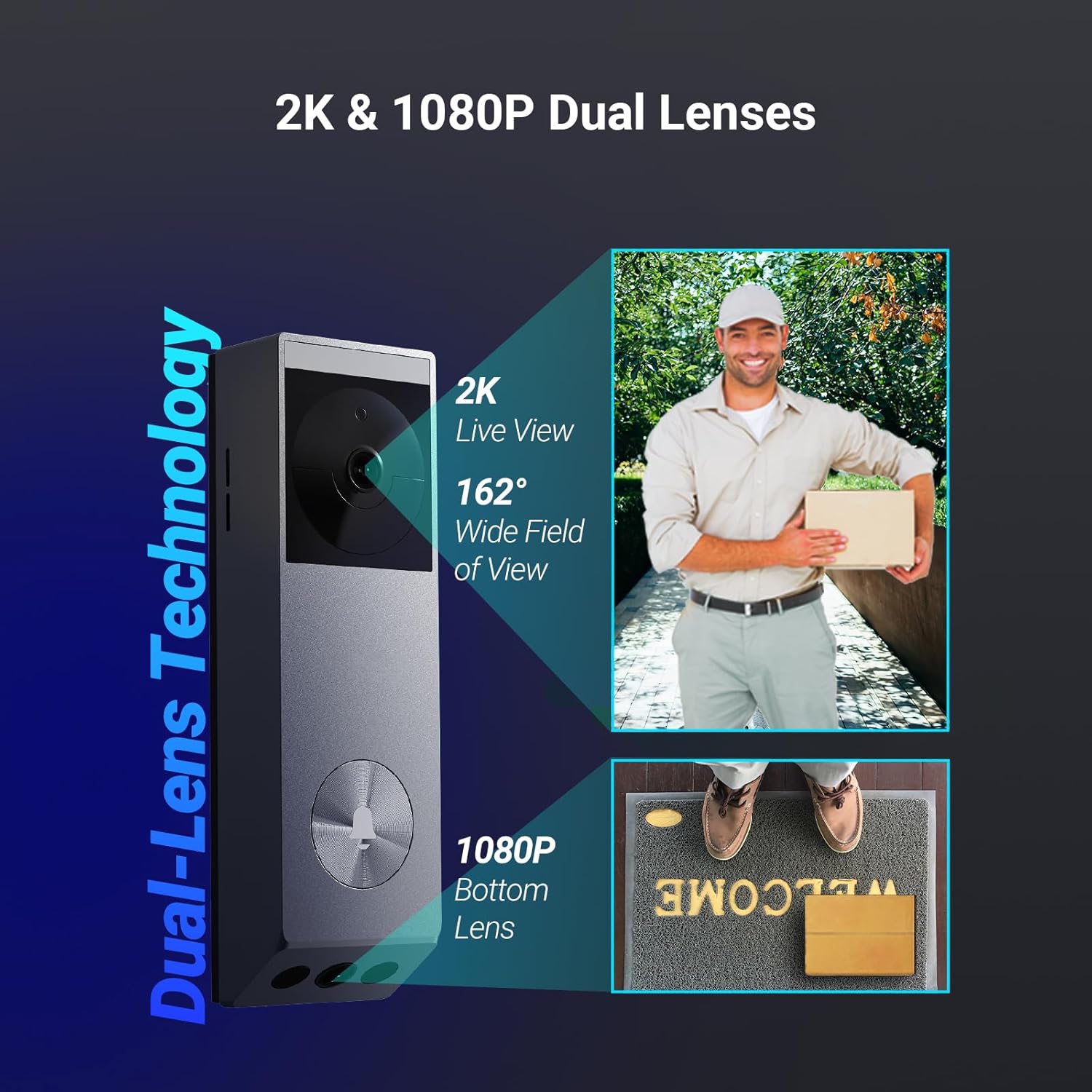
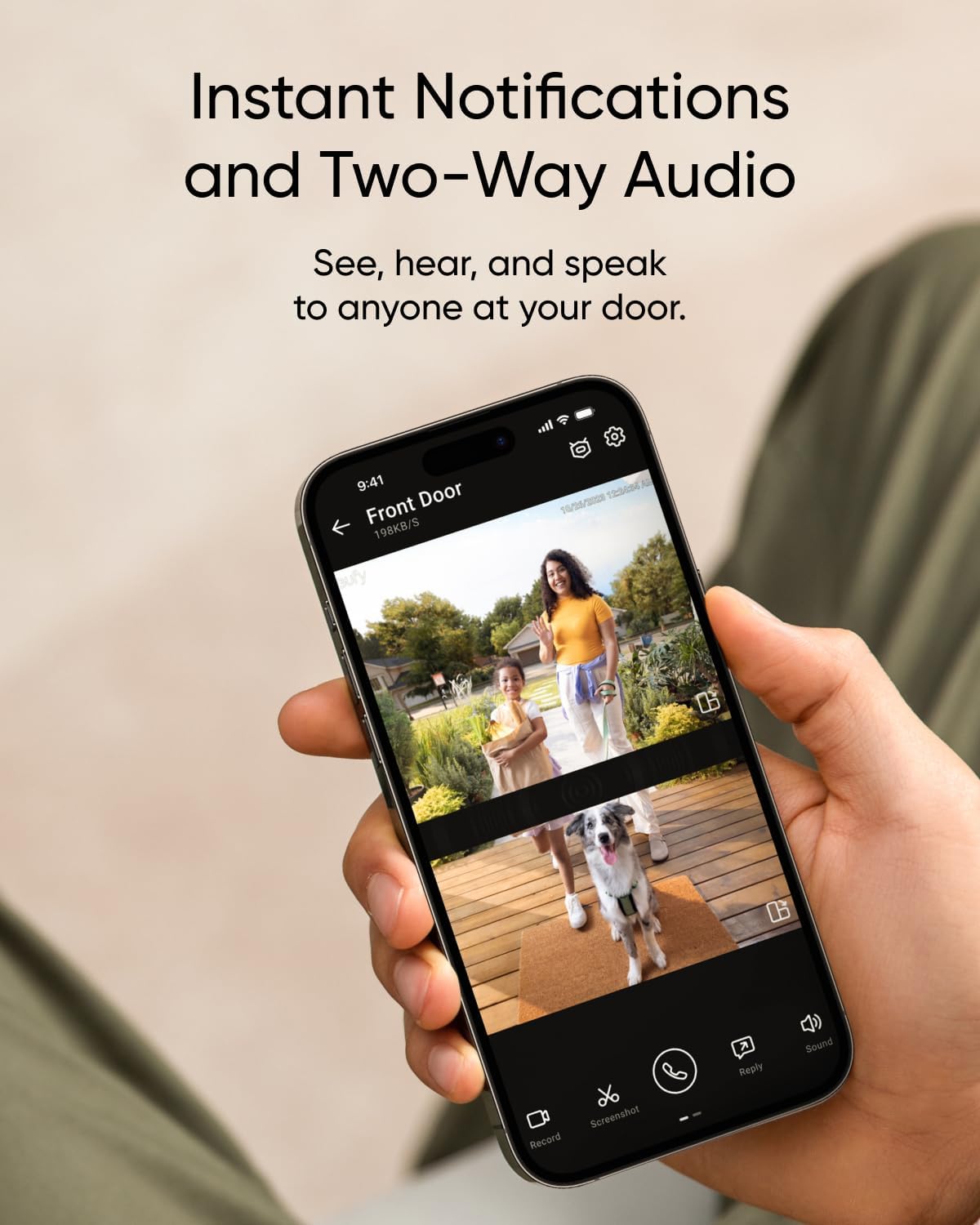
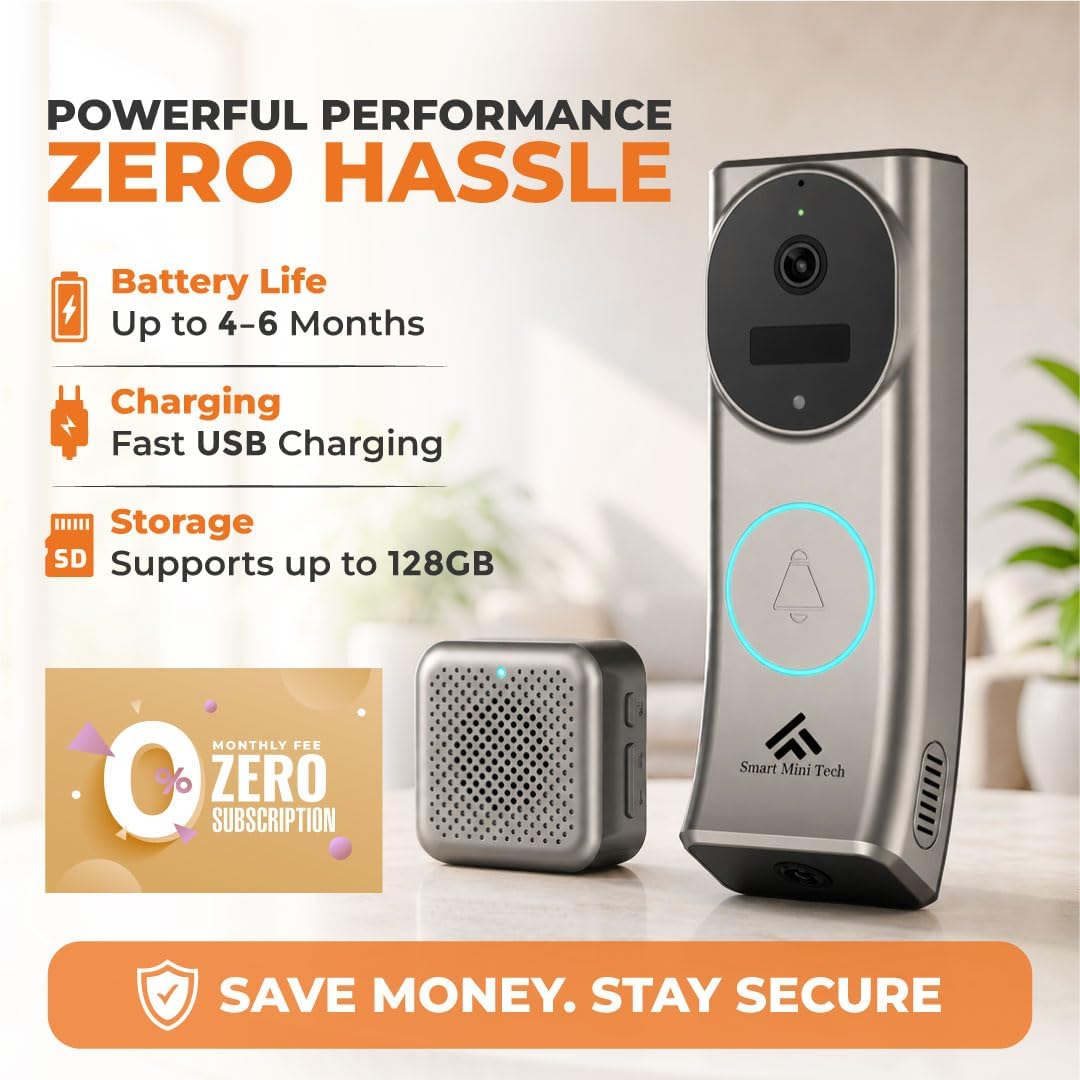
Key features that define the best smart doorbells with dual camera
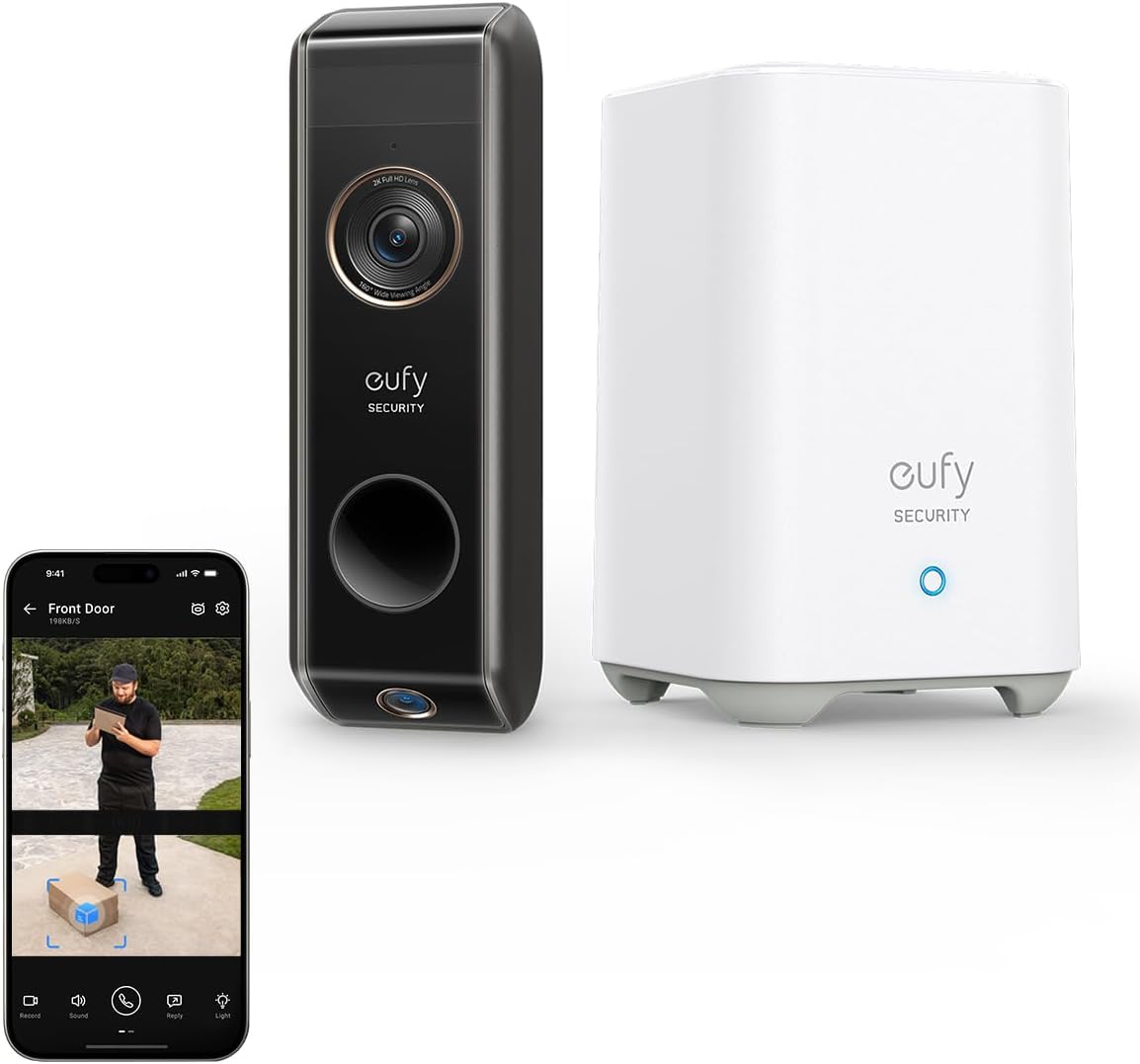
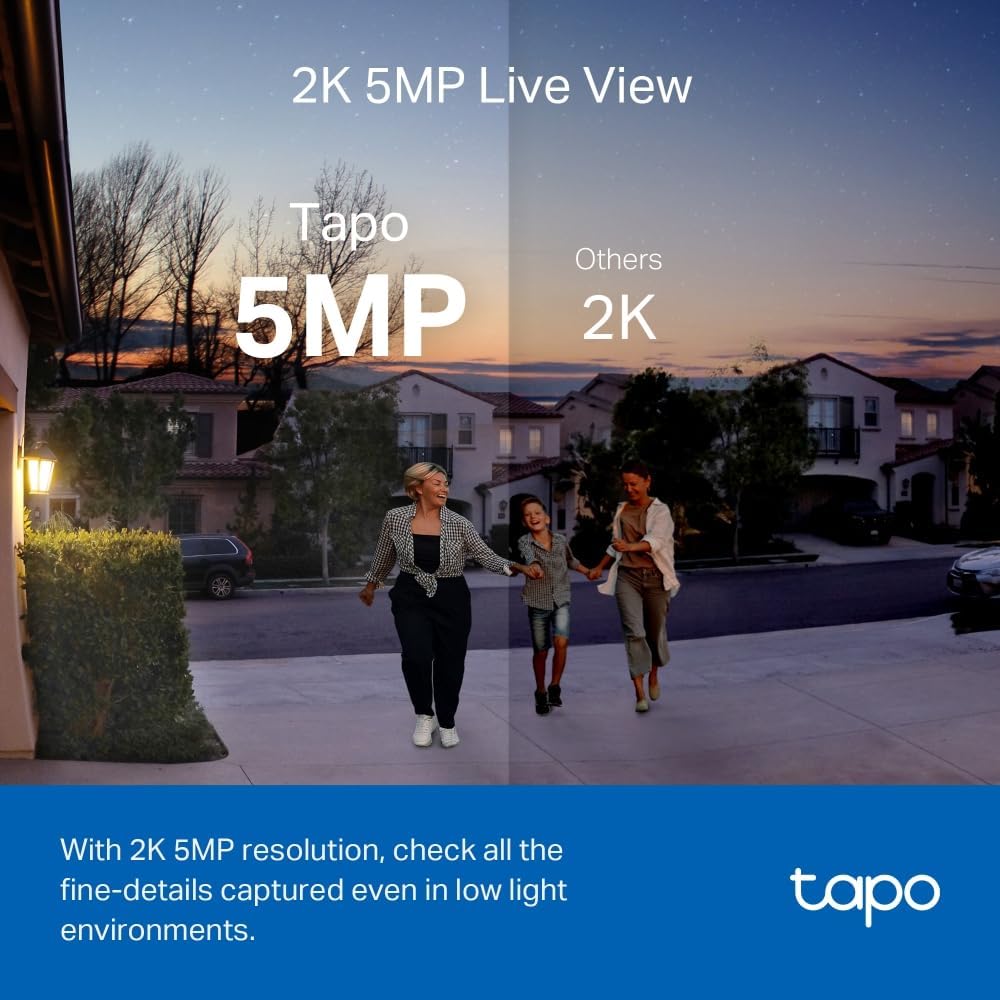
Choosing among the best smart doorbells with dual camera systems starts with image quality. Look for a video doorbell that records at least Full HD resolution, because high definition video footage makes it easier to identify faces and read labels on parcels, especially when you review video storage later. Some premium doorbells offer higher resolution cameras, but consistent performance and reliable night vision usually matter more than raw pixel counts.
The second essential feature is how the doorbell handles storage and power, since dual camera models generate more video data and draw more energy than single lens doorbell cameras. Many brands push cloud storage with a monthly subscription, which can be convenient if you want remote access to video doorbells from anywhere and automatic backups in case the doorbell is stolen. Others emphasise local storage through a microSD card or built in memory, which avoids ongoing subscription costs but requires you to manage the video storage capacity yourself, while a doorbell wired to existing chimes can support longer clips than a battery powered model that must conserve charge.
Power options also shape the experience, because a doorbell wired to existing chimes behaves differently from a battery powered model with a removable pack. A wired video doorbell can record longer clips and support continuous recording, while a Ring battery style design or similar battery system trades that for flexible placement and easier installation. For a deeper comparison of dual lens models, including how each balances battery life, field view and storage choices, you can consult this dedicated guide on top smart doorbells with dual camera which examines real world performance.
| Model (example) |
Resolution |
Approx. battery life |
Primary storage options |
| Ring Video Doorbell (battery) |
1080p HD |
2–6 months (typical use: 10–20 events/day, 20–30 s clips) |
Cloud subscription; limited local snapshots |
| Google Nest Doorbell (battery) |
Up to 960 x 1280 HD |
1–6 months (depending on activity and Wi‑Fi strength) |
Cloud recording via Nest Aware plans |
| Eufy dual camera doorbell |
2K (around 2560 x 1920) |
3–6 months (optimised settings, 15–25 events/day) |
Local storage on HomeBase; optional cloud |
Cloud storage, local storage and how to protect your footage
Every dual camera smart doorbell records more video than a basic doorbell camera, so your storage strategy matters. Cloud storage services keep video footage on remote servers, letting you access clips from your phone even when you are far from home, and this works especially well when you pair a video doorbell with Amazon Alexa or Google smart displays. The trade off is that cloud storage usually requires a subscription, and the cost rises when you add more cameras or extend the retention period.
Local storage offers a different balance, because the video stays on the device or on a home recorder instead of in the cloud. Many smart doorbells now support a microSD card, and some Eufy video doorbells, for example, use a base station with local storage that keeps footage on your network without monthly fees. When you rely on local storage alone, you must check that the microSD card capacity matches the higher data needs of dual camera doorbells, especially if you enable high resolution recording and long motion clips.
A hybrid approach often delivers the best security, combining local storage for everyday video and cloud storage as a backup for critical events. Some brands let you store continuous footage locally while sending only motion events to the cloud, which reduces subscription costs while still protecting key clips from theft or damage. For readers who want to compare person detection and recording options across different video doorbells, this analysis of top video doorbells with person detection explains how smart analytics interact with both cloud and local storage in practical scenarios.
Smart ecosystems, voice assistants and daily usability
Dual camera smart doorbells become far more useful when they integrate cleanly with your existing ecosystem. If you already use Amazon Alexa speakers or displays, choosing a video doorbell that supports Amazon Alexa routines lets you see the doorbell camera feed instantly, trigger lights when motion is detected and even talk to visitors hands free. For households invested in Google Nest devices, a Nest Doorbell or compatible Google Nest video doorbells can show live video on Nest Hub screens and tie into other security cameras around the property.
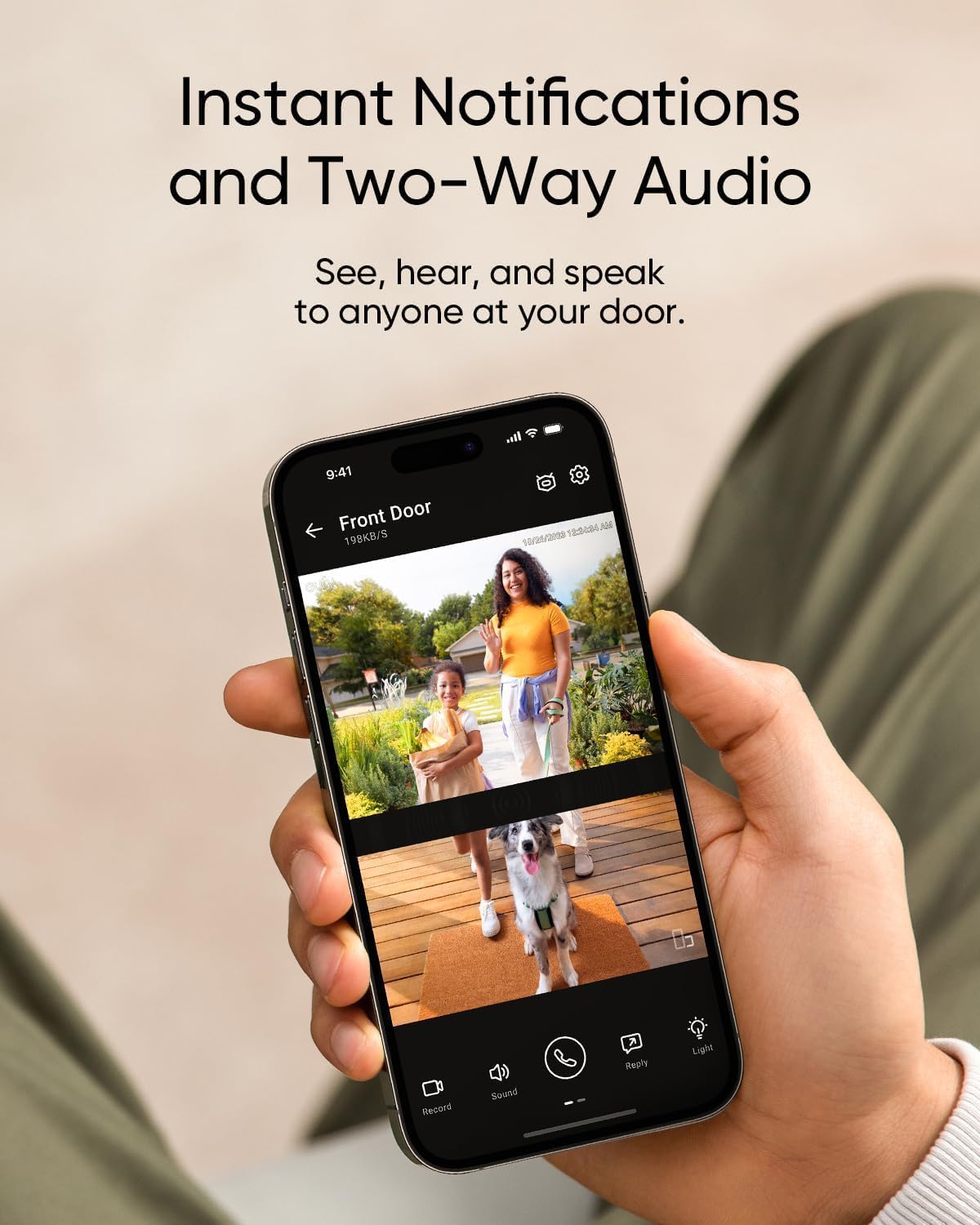
Voice assistant compatibility also affects how you manage recordings and alerts from multiple doorbells or cameras. With Alexa and Google Assistant style cross platform support, you can ask a smart speaker to show the best video feed from the front door, pause a movie on your television and check who rang the doorbell without reaching for your phone. This seamless control matters more with dual camera models, because you often want to switch between the main field view and the downward parcel view while you are already doing something else.
Smart home platforms also influence how your doorbell handles automation, such as arming security modes when you leave or muting chimes during quiet hours. A Ring battery powered doorbell, for instance, can link with other Ring cameras to create a unified security system, while some Eufy video doorbells integrate with local hubs that manage both video storage and motion rules. If you are unsure which ecosystem fits your habits, this comparison of Alexa, Google Home and HomeKit for doorbells helps you align your choice of smart doorbell with the rest of your connected home.
Battery versus wired power for dual camera doorbells
Power supply decisions become more important when you move to the best smart doorbells with dual camera setups. A doorbell wired directly to your existing transformer can support features like pre roll video, continuous recording and faster notifications, because it never has to conserve battery. This makes wired video doorbells attractive for busy entrances where the cameras will trigger many times each day.
Battery powered models offer different strengths, especially for renters or anyone without existing doorbell wiring. A battery powered video doorbell can be mounted almost anywhere, and modern Ring battery designs or similar packs often last several months between charges if you tune motion sensitivity carefully. Dual camera systems do consume more power than single lens doorbells, so you should check realistic battery life estimates and consider whether a removable battery or quick release mount will make maintenance easier.
Hybrid designs that support both wired and battery power give you flexibility if you plan to move or renovate later. You can start with a battery powered installation, then convert to a doorbell wired setup when you update the entrance, keeping the same cameras and storage configuration. Whatever you choose, remember that reliable power underpins every other security feature, from night vision performance to the speed at which your smart home sends alerts when someone presses the doorbell.
How to compare brands like Ring, Nest and Eufy for dual camera needs
When you compare brands for dual camera smart doorbells, focus on how each handles privacy, storage and ecosystem lock in. Ring, for example, leans heavily on cloud storage with a subscription model, offering features such as extended video history and rich notifications when you pair a Ring battery doorbell with other Ring cameras. Google Nest emphasises tight integration between the Nest Doorbell, Google Nest cameras and its cloud storage platform, which can be appealing if you already use other Google services.
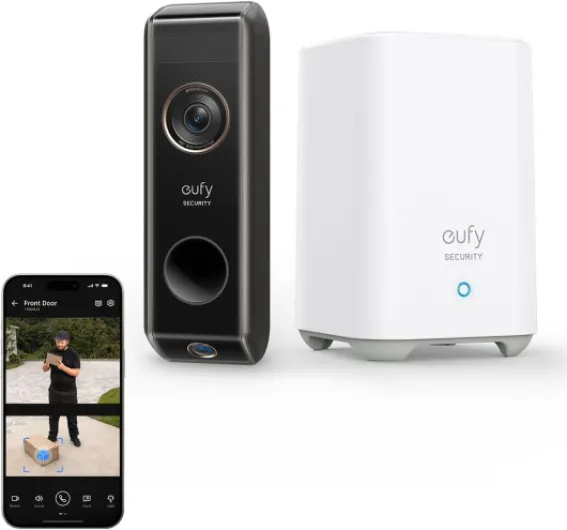
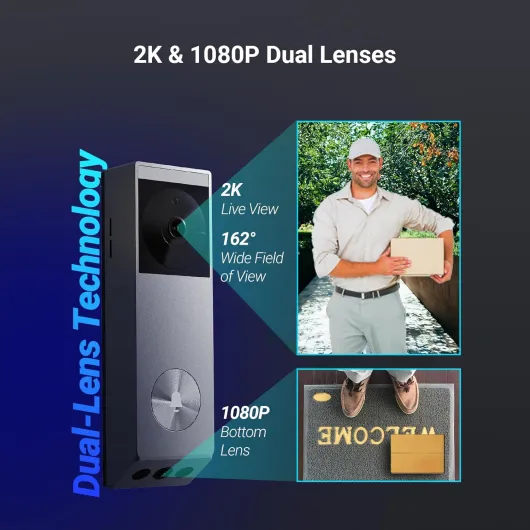
Eufy video doorbells often stand out for their emphasis on local storage, using a base station or microSD card to keep video footage on your network rather than in the cloud. This approach reduces long term subscription costs and appeals to privacy conscious users, though you still need to manage video storage capacity and backups yourself. Some models from these brands now experiment with dual camera designs that show both a wide field view and a close up of packages, which is particularly useful if you receive frequent deliveries.
Retailers such as Amazon make it easy to compare these doorbells side by side, but you should read full product descriptions carefully to understand whether features like night vision, local storage options and smart assistant support match your expectations. Pay attention to how each video doorbell handles motion detection zones, how long it keeps clips in cloud storage and whether the cameras maintain good image quality in low light. By weighing these details against your own habits and entrance layout, you can identify the best smart doorbells with dual camera setups that genuinely improve your daily security rather than just adding another gadget to manage.
Practical buying guide for people seeking their first dual camera smart doorbell
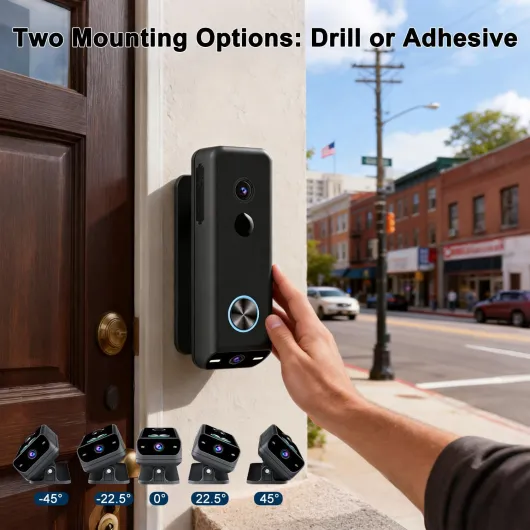
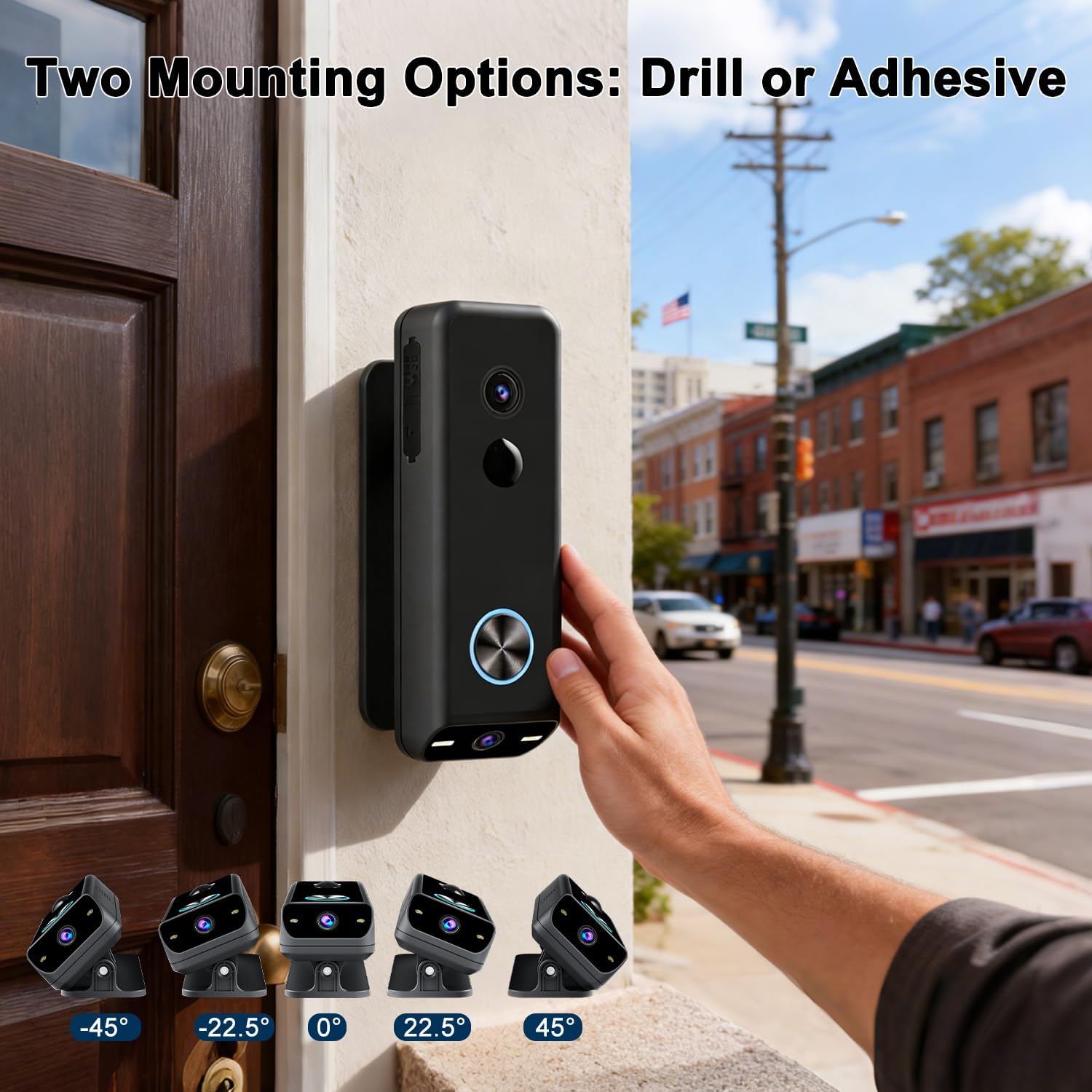
Start your search by mapping the physical space around your entrance, because the field view of the cameras must match real world obstacles. Measure the height of your existing doorbell, the distance to the street and any walls or railings that might block the lower camera, then choose a video doorbell that can capture both faces and packages clearly. If you have steps or a sloped path, consider whether a dual lens design with adjustable angles will give the best video coverage.
Next, decide how you feel about ongoing costs and data control, since this shapes your choice between cloud storage and local storage. If you value simplicity and remote access above all, a model that leans on cloud storage with a clear subscription plan may suit you, especially when combined with Amazon Alexa or Google Nest displays for quick viewing. If you prefer to keep footage on site, look for doorbells that support a high endurance microSD card, robust local storage encryption and easy tools to export video when you need to share footage with neighbours or authorities.
Finally, think about how the doorbell fits into your broader security habits rather than treating it as an isolated gadget. A dual camera smart doorbell works best when paired with sensible lighting for night vision, clear house numbers for delivery drivers and a routine for checking alerts without becoming overwhelmed. By aligning power supply, storage choices, smart assistant compatibility and the physical layout of your entrance, you turn the best smart doorbells with dual camera technology from a novelty into a reliable part of your everyday safety toolkit.
Key figures on smart doorbells and home security
- According to Strategy Analytics, global shipments of video doorbells surpassed 3.5 million units in 2019, reflecting rapid adoption of smart security at the front door (Strategy Analytics, “Smart Home Device Market Exceeds 100 Million Units in 2019,” 2020, based on vendor shipment data collected through Q4 2019).
- Consumer surveys from Parks Associates indicate that households with at least one smart security device, such as a video doorbell camera, are more than twice as likely to add additional cameras within the following 12 months (Parks Associates, “Smart Home Buyer Journey and User Experience,” 2021, using a panel of U.S. broadband households surveyed in Q1 2021).
- Studies and briefings from several United Kingdom police forces report that properties using visible video doorbells and other smart cameras experience noticeably lower rates of opportunistic doorstep theft, particularly for parcel deliveries (for example, Metropolitan Police Service guidance on residential CCTV, updated 2022, summarising internal crime pattern analysis and victim reports).
- Energy testing by independent reviewers shows that battery powered video doorbells can operate for between two and six months on a single charge, depending on motion activity and video quality settings; figures are typically based on mixed real world usage tests published between 2021 and 2023 with around 10–30 motion events per day and default clip lengths.
- Cloud storage plans for popular brands typically range from a few euros to around ten euros per month, with higher tiers extending video history from a few days to several weeks, according to current pricing pages and product documentation reviewed in 2023 for major manufacturers.