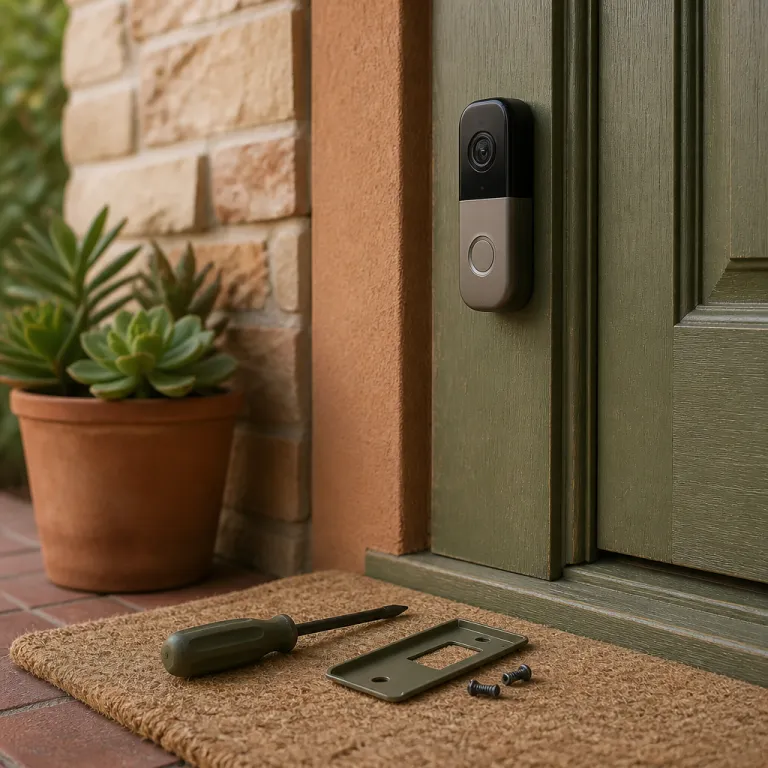
How smart doorbells quietly create a street level neighborhood watch
Walk down any suburban block and you will see at least one smart doorbell mounted beside a front door. When several neighbors install a doorbell camera or full security camera system, those overlapping camera feeds start to form an organic smart doorbell neighborhood watch without anyone planning it. The result is a patchwork of security cameras that can either keep the neighborhood safer or feel intrusive, depending on how people use them and how clearly they explain that use to one another.
On a typical cul de sac, three Ring doorbell units and two Eufy doorbell cameras can cover most driveways, sidewalks, and package drop zones. That cluster of smart cameras gives real time visibility on package theft, suspicious cars, and even lost dogs trotting past multiple homes, but it also captures people who never agreed to be filmed. Many cities now publish basic guidance on residential video surveillance and data retention, and some homeowner associations add their own rules, so the main content of any National Night Out conversation should be how to use this accidental coverage to help neighbors while still respecting privacy, local expectations, and basic crime safety standards.
Think of each smart doorbell as one node in a loose neighborhood watch grid rather than a private gadget. When neighbors agree on simple norms for where each security camera points, what gets saved, and what gets shared, the street gains useful security without turning into a surveillance corridor. A practical starting point is to follow manufacturer support pages that recommend avoiding direct views into bedroom windows or fenced yards and to keep routine clips for only a short period unless they document an incident. National Night Out is the perfect time to walk the block, compare camera angles, sketch a quick map of coverage, and decide together how to keep the neighborhood observant but not over monitored.
Sharing footage without turning your block into surveillance theater
Most smart doorbell systems now come with some kind of mobile app that makes it easy to share clips with a tap. The Ring app, the Neighbors app, and similar app smart platforms from other brands encourage users to share neighbors stories about suspicious people, porch pirates, or lost dogs, but the tone of those posts can quickly shape how safe a neighborhood feels. Before National Night Out, decide as a group what you will share, when you will call law enforcement, and what should stay in a private email or text thread instead of a public feed, keeping in mind that many police departments advise calling 911 only for immediate threats and using non emergency lines for delayed reports supported by video.
Clips of a friendly dog slipping a leash or a genuine search party looking for lost dogs are usually harmless and can help neighbors reconnect pets with families. Repeatedly posting video of the same teenager walking home from school, or every unknown car that pauses to search for an address, can cross the line into harassment and feed unnecessary fear among people who only skim the app. A smart rule of thumb is to share only footage that shows a clear security issue, such as package theft, attempted car break ins, or someone testing door handles in real time, and to include a short, factual caption that avoids guessing about motives or identity.
Two way audio etiquette matters as much as what you post from your doorbell camera. If you use the microphone to call out to visitors, keep your tone calm and specific, and consider using tested scripts from a dedicated guide on two way audio etiquette for couriers and neighbors. Simple phrases such as “Hi, this is the homeowner, I see you at the door, how can I help you?” for strangers, or “Thanks for the delivery, you can leave the package by the mat, have a good day” for couriers, keep conversations brief, clear, and respectful. For a worried visitor at night, a script like “Hi, I’m speaking through the doorbell camera, you’re being recorded for safety, what do you need help with?” sets expectations without sounding aggressive. When people know that the neighborhood watch culture values respect as much as security, they are more likely to accept the presence of cameras and less likely to feel constantly judged.
Dialing in motion zones and hardware before the block party
In the weeks leading up to a National Night Out party, treat your smart doorbell like any other piece of safety gear that needs a tune up. Start with motion zones on each security camera, aiming them to cover your porch, immediate walkway, and any shared driveway area without staring straight into a neighbor’s living room or yard where their dog plays. A simple checklist helps: stand at your property line and confirm the camera view does not extend far beyond it, use the app’s “live view” while a friend walks the sidewalk, and adjust the zone boxes until only the sidewalk and entry areas trigger alerts. If several neighbors coordinate these zones, you can keep the neighborhood covered from multiple angles while reducing duplicate alerts and pointless clips of passing cars.
Most modern doorbell cameras and security cameras let you adjust sensitivity, clip length, and night vision settings inside the mobile app. In many models, these controls live under menus labeled “Motion Settings,” “Detection Zones,” or “Video Settings,” and a quick look at the manufacturer’s support articles can confirm the exact steps. For a busy summer evening when people will be walking, biking, and chatting outside, widen your motion zones slightly and extend recording duration so you capture the full context of any real security incident, not just a few seconds of motion. If your model supports it, enable color night vision and test whether you can clearly identify people and vehicles under your porch light or a shared floodlight camera, using a reference like a detailed outdoor floodlight camera test or a manufacturer recommended test pattern such as a license plate at the curb.
Hardware placement still matters more than any smart feature buried in an app menu. Mount the doorbell at the manufacturer’s recommended height, usually around 1.2 to 1.4 meters, and angle it so the camera feed captures faces rather than just hats or torsos. A quick diagram sketched at the block party can help: draw your front door, mark eye level, and show the camera cone reaching the sidewalk but not a neighbor’s windows. If your neighborhood has intense summer heat, check battery health and read guidance on how prolonged high temperatures affect sensors and battery life in a resource about smart doorbells in a heat wave, then plan a quick test recording during the hottest part of the day and note any warnings the app displays about temperature limits.
Setting community rules so smart doorbells build trust, not tension
National Night Out exists to get people talking face to face, not just through a camera lens. Use the block party to ask neighbors how they feel about smart doorbells, what they expect from a neighborhood watch, and when they think it is appropriate to involve law enforcement based on a doorbell camera clip. Those conversations help people understand that the goal is crime safety and mutual support, not constant monitoring of every person who walks a dog past your house, and they also surface concerns from renters, older residents, or people who have had negative experiences with surveillance in the past.
One practical step is to agree on a simple communication ladder for security issues. For minor concerns, such as a package delivered to the wrong porch or a dog slipping a gate, people can send a quick email, text, or app message to help neighbors directly before posting to a wider audience. For serious incidents, such as attempted break ins or repeated vandalism, neighbors can share neighbors footage with police through official channels rather than blasting it across every app smart platform and social feed. A basic protocol might be: step one, confirm the time and address in the clip; step two, save the original file in case law enforcement requests it; step three, share only the relevant portion instead of a full day of recording to limit unnecessary exposure of bystanders.
Remember that not everyone has a smart doorbell or feels comfortable with security cameras, and their voices matter in shaping norms. Some residents may prefer that their homes not appear as the constant background in every shared camera feed, and a respectful neighborhood watch will honor those requests where possible. A short checklist can help: confirm camera angles avoid bedroom windows, agree not to post clips of children at play, decide how long to store routine footage based on manufacturer defaults and any local privacy ordinances, and review settings once a year. When people see that smart technology is being used to keep the neighborhood safer while still respecting boundaries, and that the group is willing to adjust practices as new research on video surveillance and community trust emerges, they are more likely to support future upgrades and to participate in shared mobile app groups as thoughtful users rather than reluctant bystanders.
FAQ
How can we coordinate smart doorbells without creating a formal surveillance system ?
Start by mapping where existing smart doorbells and security cameras point, then adjust angles and motion zones so they cover entryways and shared walkways rather than private windows or yards. Use National Night Out to agree on a few basic rules about what to record, how long to store clips, and when to share footage with neighbors or law enforcement. Keeping the setup informal but intentional helps your smart doorbell neighborhood watch stay focused on real security needs instead of blanket monitoring, and it also makes it easier to adapt if local regulations or best practice guidelines change.
What should we avoid posting from our doorbell camera feeds ?
Avoid sharing clips that show children playing, routine dog walks, or people simply passing by without any clear security concern. Refrain from posting video that mocks how people look, dress, or behave, even if they are strangers, because that quickly turns a helpful app into a gossip channel. Focus shared posts on specific incidents such as package theft, attempted car break ins, or verified lost dogs that a search party could realistically help find, and when in doubt, keep the clip in a private message thread or save it in case authorities request it later.
Do I need a specific brand like Ring to participate in a neighborhood watch ?
You do not need a Ring doorbell or any particular brand to contribute to neighborhood safety. Any reliable smart doorbell or security camera that records clear video and lets you share clips through a mobile app, email, or text can support the same goals. The real value comes from how neighbors communicate, coordinate, and respect boundaries, not from whether their cameras came from Amazon or a local retailer, and most major manufacturers now publish privacy and data retention guidance that you can adapt to your street.
How often should we review our smart doorbell settings as a community ?
Plan to review settings together at least once a year, ideally around National Night Out when people are already thinking about safety. Use that time to check motion zones, recording length, and notification levels so they match current traffic patterns, new landscaping, or recent security concerns. A short annual check in keeps your smart doorbell neighborhood watch effective without overwhelming people with constant tweaks, and it provides a natural moment to mention any new local ordinances or manufacturer updates that affect how long video is stored.
Can smart doorbells replace traditional neighborhood watch patrols ?
Smart doorbells and security cameras are useful tools, but they do not replace neighbors who know each other and pay attention to what feels normal on their street. Cameras can provide real time evidence and alerts, yet they cannot host a block party, comfort a worried resident, or decide when a situation needs a calm conversation instead of a call to police. The strongest neighborhoods use technology to support human relationships, not to stand in for them, and they treat video footage as one piece of information alongside direct observation, local crime prevention advice, and common sense.