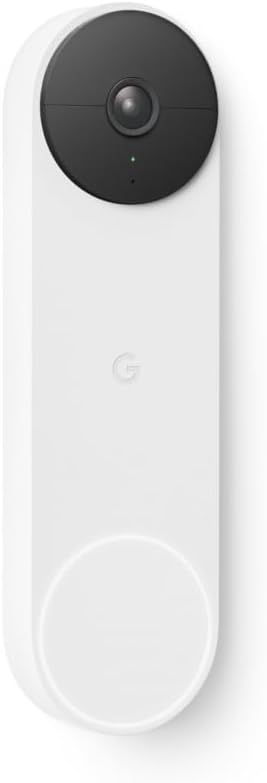
Key technologies behind accurate person and motion detection
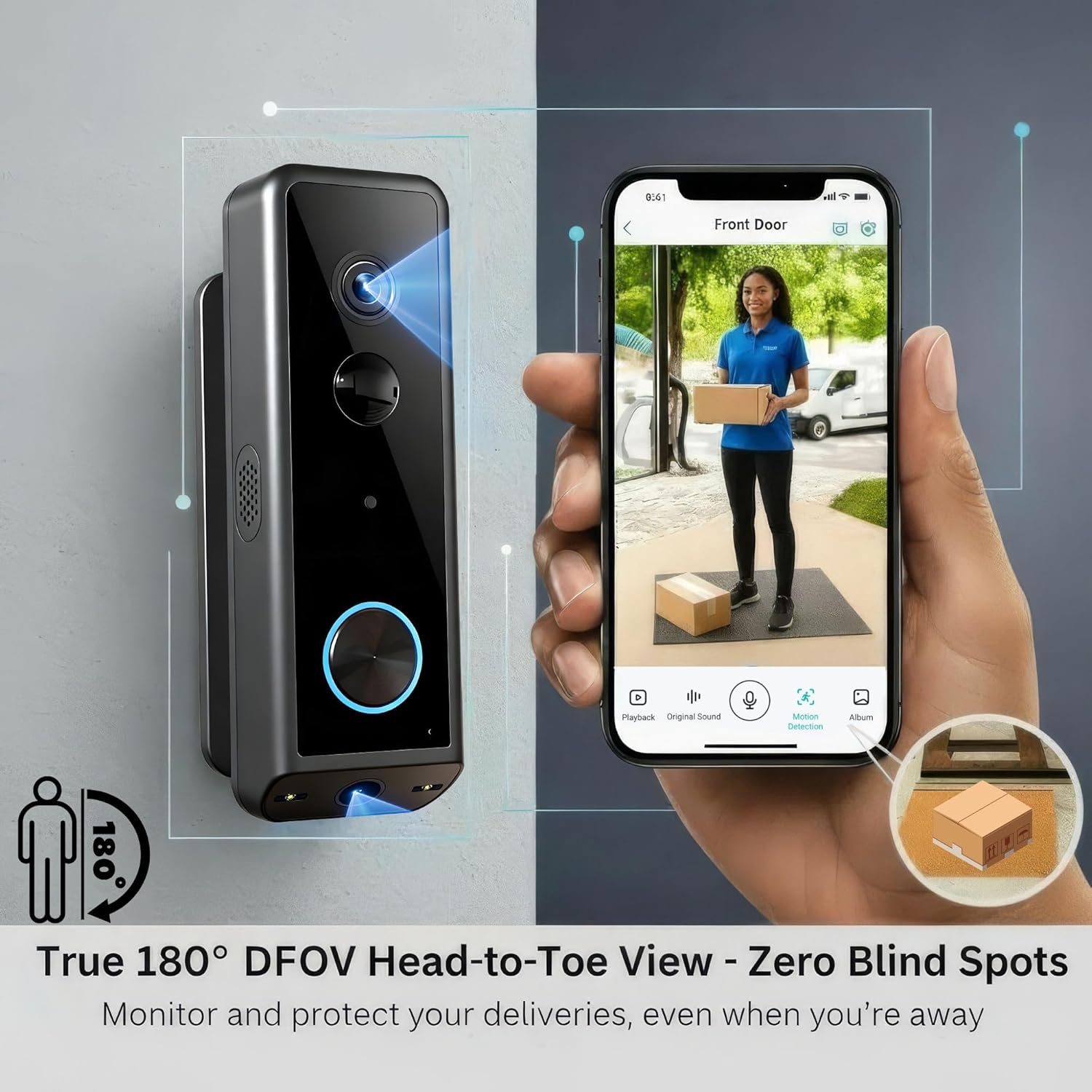
Person detection on a modern video doorbell relies on a mix of motion sensors, image analysis, and sometimes radar. Basic doorbells use simple motion detection that triggers whenever something moves in the frame, while the best video doorbells with person detection analyse the video feed to distinguish a person from a cat, a branch, or a passing vehicle. This smarter approach reduces notification fatigue and makes your doorbell camera feel more like a focused security guard than a nervous alarm.
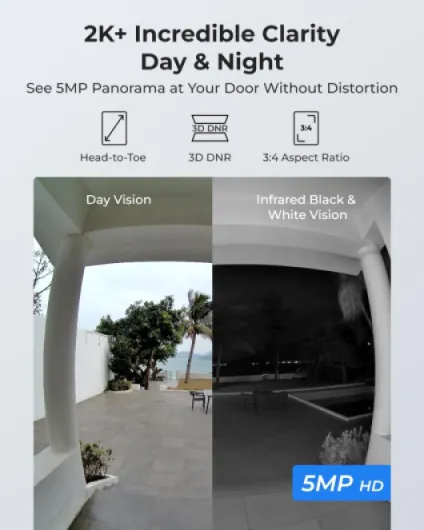
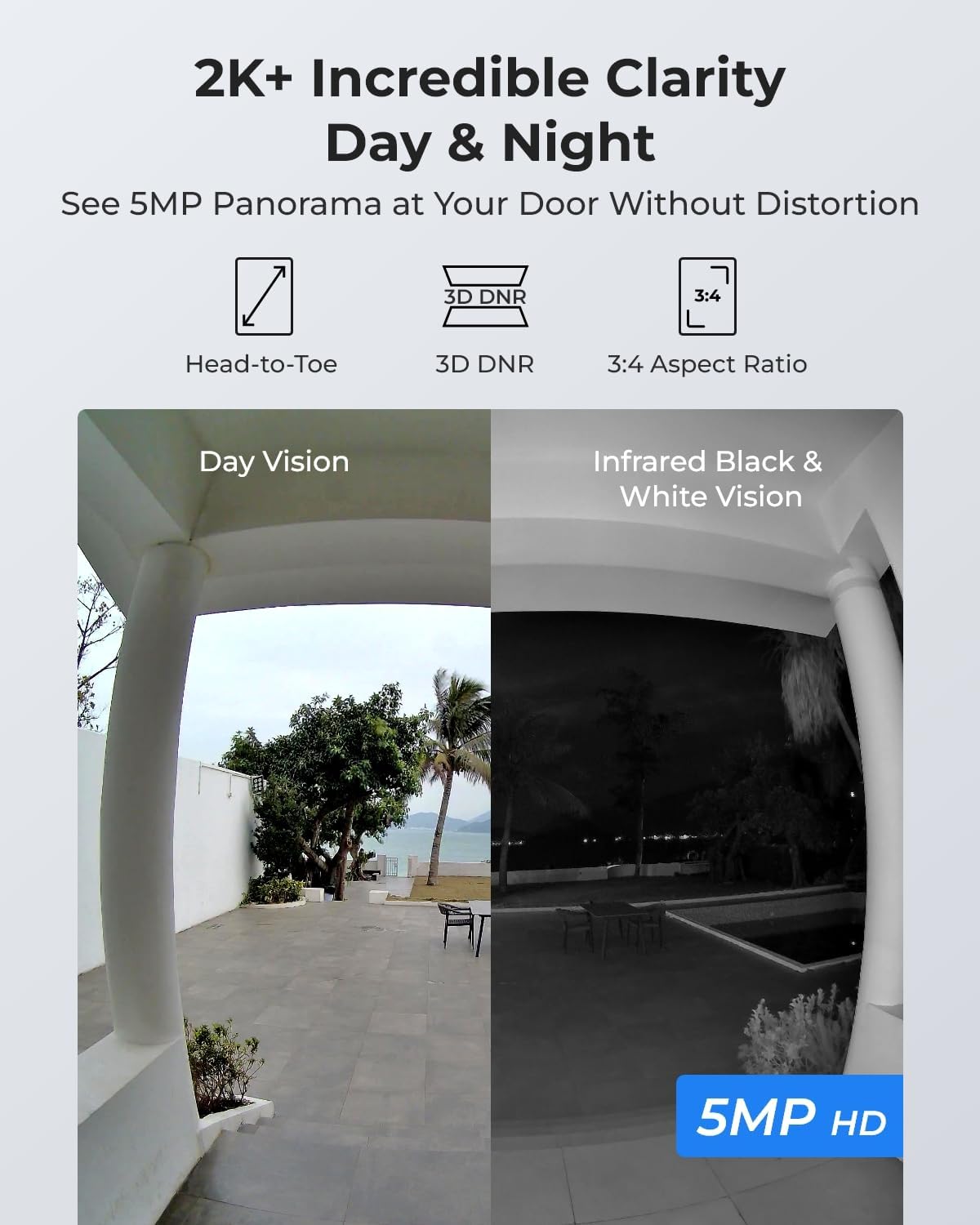
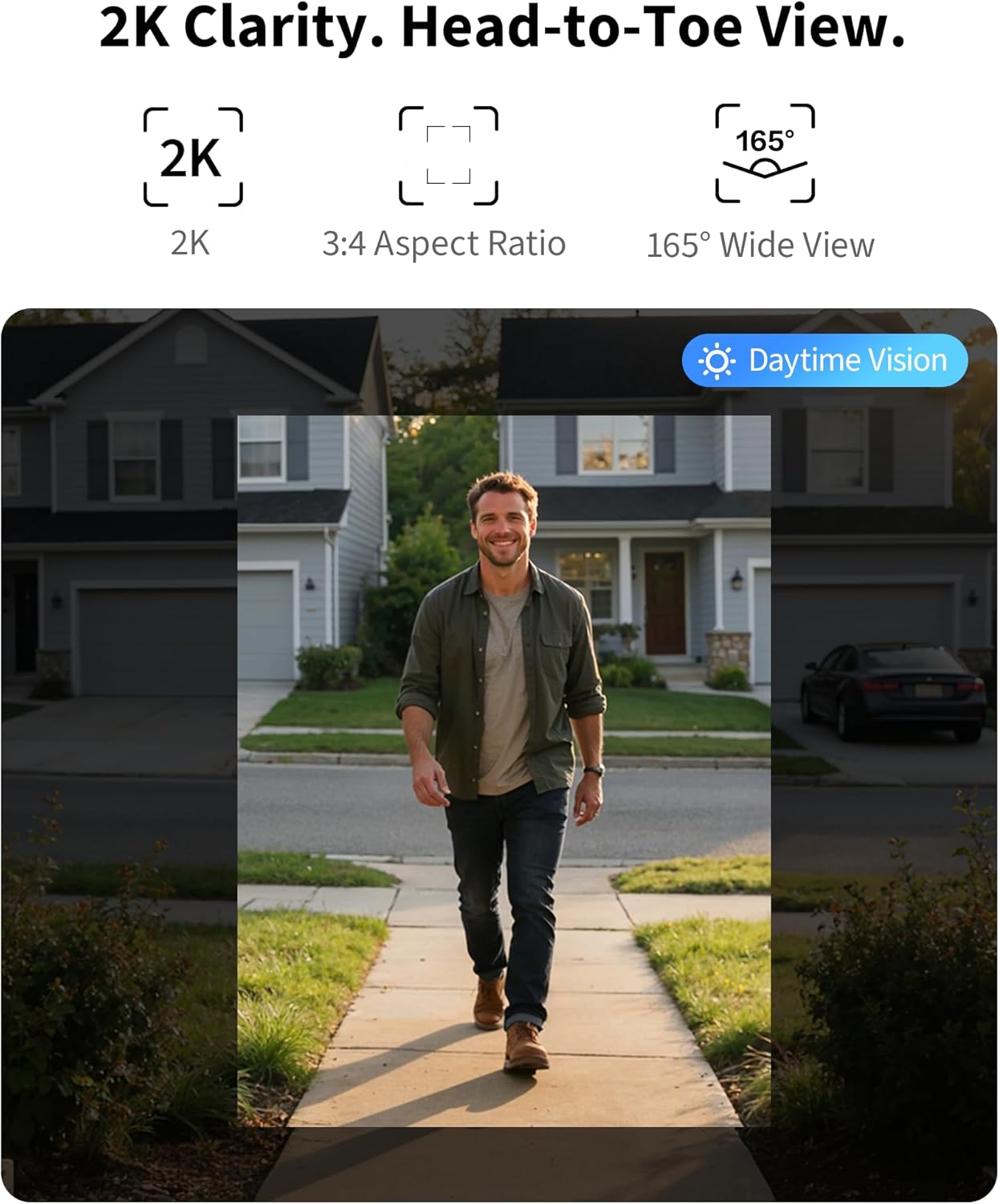
Infrared night vision and colour night video are crucial for reliable detection after dark, because many security incidents happen when lighting is poor. A smart doorbell with strong night vision and a wide field of view can still identify a person’s outline and movement pattern, even when the porch light is off or the street is dim. If you want to go deeper into how colour night video compares with traditional infrared night vision on smart doorbells, a detailed guide on what actually shows you who is at the door at 2 am explains the trade-offs clearly.
Brands such as Ring, Nest Doorbell, Lorex, and Tapo each implement motion detection differently, which is why two doorbell cameras with similar specifications can behave very differently in daily use. Ring Wired and Ring Battery Doorbell models often combine pixel-based motion detection with adjustable zones, while some Lorex doorbell cameras add person and package recognition without any ongoing subscription. Tapo smart doorbells tend to emphasise local storage and flexible video storage options, which can appeal to buyers who want person detection without committing to long-term cloud storage fees.
Independent testing from organisations such as Consumer Reports and Which? has found that advanced person detection can cut false motion alerts by around 50–80% compared with basic motion sensing, depending on placement and settings. These lab-style evaluations typically measure how often a doorbell correctly identifies a human visitor while ignoring cars, animals, and background movement, which helps explain why higher-quality detection feels calmer in everyday use.
Choosing between battery and wired doorbells for person detection
One of the first decisions when shopping for the best video doorbells with person detection is whether you want a battery doorbell or a wired doorbell. A battery-powered video doorbell is easier to install on a rental property or a home without an existing doorbell, but its battery life can be affected by how often motion detection triggers recordings. Wired doorbells draw power from your existing chime transformer, which supports continuous recording and more aggressive person detection without worrying about recharging.
Battery models from Ring, Tapo, and other brands usually offer power-saving modes that limit how often the camera wakes up, which can slightly delay motion alerts. If you live on a busy street where the doorbell camera faces constant movement, a wired doorbell such as Ring Wired or a Nest Doorbell wired model may deliver more consistent performance. These wired video doorbells can maintain a live video stream, support higher bitrates for clearer video, and keep person detection running at full strength without draining a battery.
Homeowners in compact apartments or small houses often worry about overkill, yet a smart doorbell with person detection can still be valuable in tight spaces. A guide to the top smart doorbells for small homes shows how narrower fields of view and tuned motion zones help avoid constant alerts from shared hallways. Whether you choose a battery doorbell or a wired model, focus on how the camera, motion detection, and storage options work together in your specific entrance layout.
Storage, subscriptions, and what “sold separately” really means
Person detection does not operate in isolation, because it is tightly linked to how your video doorbell handles storage and subscriptions. Many of the best video doorbells with person detection offer a choice between cloud storage through a subscription and local storage on a microSD card or hub. The right balance depends on how long you want to keep video clips, how comfortable you are with remote servers, and whether you need advanced analytics from the cloud.
Ring, Nest Doorbell, and several other brands lock extended video storage and some smart alerts behind paid plans, which are billed monthly or annually. Accessories such as chimes, power adapters, and even some local storage modules are often sold separately, so the initial price of a doorbell camera may not reflect the total cost of ownership. Before committing to any smart doorbells, read the fine print on what happens to your video storage and person detection features if you cancel the subscription.
Google’s shift from Nest Aware to a broader Google Home subscription model has changed how Nest Doorbell owners think about long-term costs and features. A detailed breakdown of how this new structure affects doorbell subscriptions and cloud storage is available in an analysis of how Google Home Premium rewrites your doorbell subscription math. If you prefer to avoid recurring fees altogether, consider Lorex or Tapo models that emphasise local storage, where a simple microSD card can hold weeks of motion detection clips without any ongoing subscription.
Ecosystems, assistants, and how your doorbell talks to the rest of your home
When you evaluate the best video doorbells with person detection, think beyond the camera and look at the wider ecosystem. A smart doorbell that integrates smoothly with Alexa and Google voice assistants, smart displays, and existing security cameras can create a more coherent home security experience. For example, a Ring Wired doorbell camera can show live video on an Echo Show when motion detection spots a person, while a Nest Doorbell can cast its feed to a Google Nest Hub.
Compatibility with existing doorbell wiring, chimes, and routers still matters, especially in older buildings. Some wired doorbell models require a specific transformer voltage, and certain chimes or power kits are sold separately, which can surprise buyers during installation. Battery doorbells avoid these wiring issues but may need Wi-Fi extenders or chime accessories to ensure that motion alerts and person detection events reach you reliably.
Security and privacy should sit at the centre of any ecosystem decision, because your doorbell cameras are always watching the threshold of your home. Look for brands that offer strong encryption, clear privacy controls, and transparent policies on how video storage and cloud storage are handled. Whether you choose Ring, Nest Doorbell, Lorex, or Tapo, make sure the person detection features you value do not come at the expense of data protection or control over your recordings.
Practical buying guide for top video doorbells with person detection
Turning all these technical details into a confident purchase means focusing on a few concrete questions. First, decide whether you want a wired doorbell or a battery doorbell, based on your existing doorbell wiring, your comfort with DIY installation, and how often you are willing to recharge a battery. Then compare how each video doorbell handles person detection, night vision, and field of view, because these three factors shape what you actually see when someone approaches your door.
Next, map out your storage strategy, including whether you prefer local storage on a microSD card or cloud storage through a subscription. If you value long-term video storage, look closely at how much history each plan offers, how many doorbell cameras or security cameras are covered, and what happens to your clips if you stop paying. Some of the best models from Lorex and Tapo emphasise local storage, while Ring and Nest Doorbell lean more heavily on cloud-based subscriptions with rich notifications and advanced motion detection options.
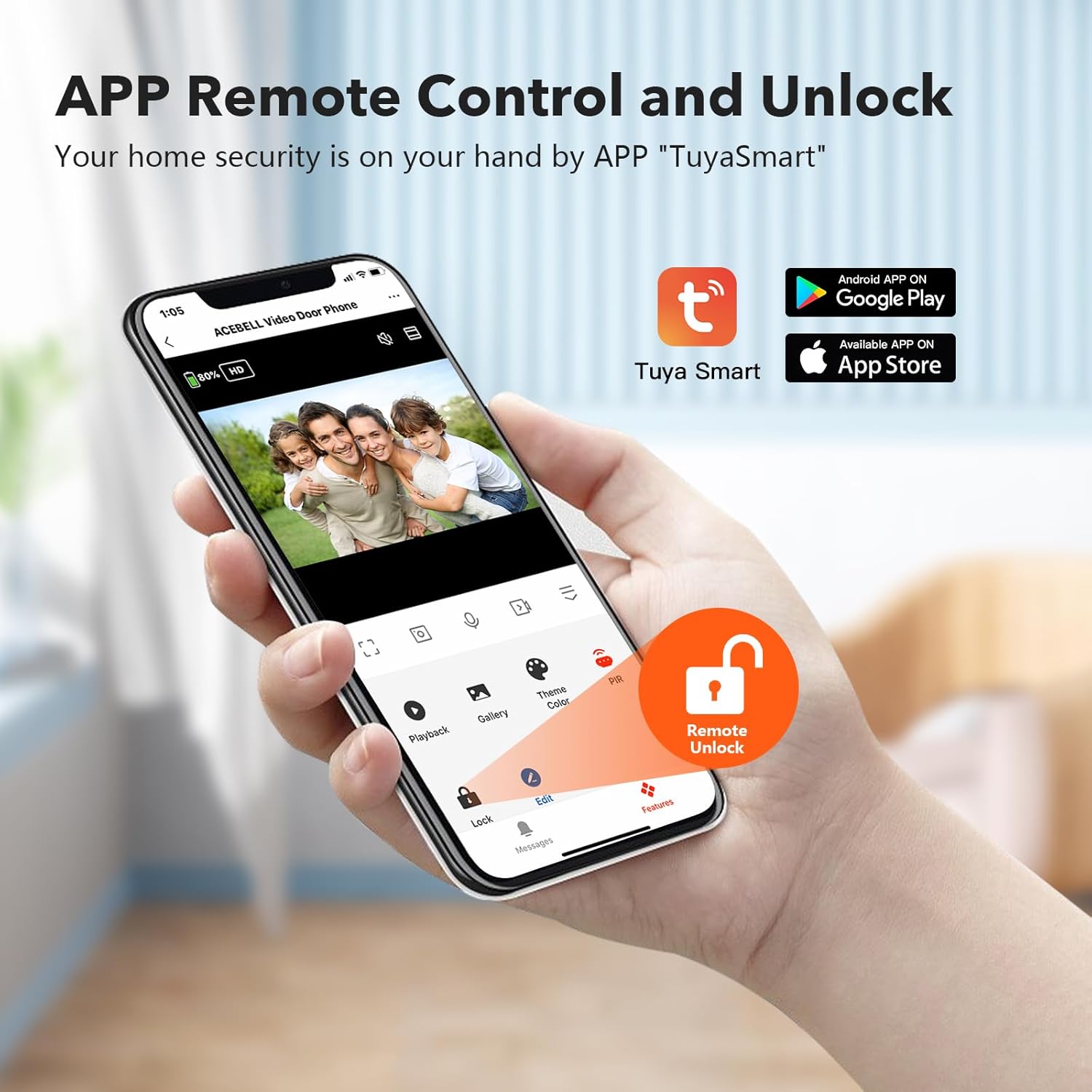
Finally, test how the smart features fit into your daily routine, including how quickly your phone receives alerts and how easily you can talk through the doorbell camera. Check whether the app works smoothly with Alexa and Google devices, whether accessories are sold separately, and whether the interface makes it simple to adjust motion zones or person detection sensitivity. A well-chosen video doorbell, whether it is a compact Ring Wired unit or a larger Doorbell Pro style model, should quietly enhance your security without demanding constant attention.
Key figures on smart video doorbells and person detection
- Industry analysts have reported that global shipments of smart video doorbells reached the multi-million-unit range in a recent twelve-month period, reflecting rapid adoption of connected security at the front door.
- Independent lab testing from consumer advocacy organisations has found that person detection can reduce false motion alerts by more than half compared with basic motion sensing, which significantly improves day-to-day usability.
- Surveys of US broadband households with security cameras or doorbell cameras consistently show that video storage length ranks among the top factors when choosing a subscription plan.
- Regulatory and market research in the UK indicates that battery-powered smart doorbells now account for a substantial share of new installations, driven by easier DIY setup in homes without existing doorbell wiring.