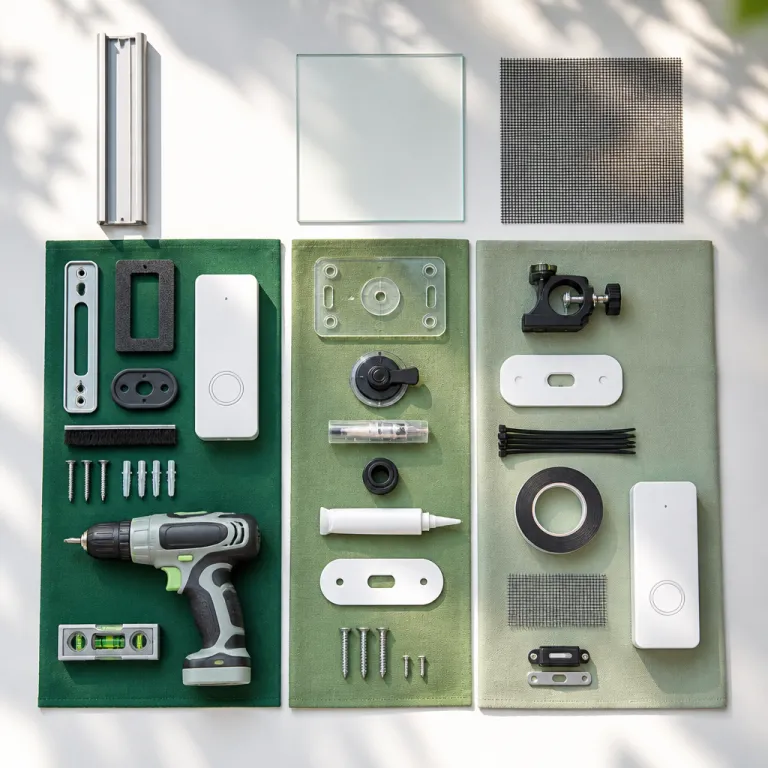
Why smart doorbells struggle behind glass and storm doors
A smart doorbell looks simple on the box, but a storm door or glass panel can quietly break the whole system. The passive infrared (PIR) motion sensor that most battery doorbell and video doorbell models use cannot see heat through glass, so your doorbell video may stay stubbornly still while the delivery driver walks away with your parcel. When you try a doorbell through glass storm door mount without planning for sensors, the result is often missed alerts, a useless night vision mode, and a wide view of your own reflection instead of your front step.
The core problem is physics, not the product brand or price, because a passive infrared motion sensor detects changes in heat rather than simple movement. Glass on a storm door or security door blocks that heat signature, so even a premium doorbell pro or the latest Ring Video Doorbell 4 or Ring Video Doorbell Pro 2 will not trigger reliably when mounted behind a closed panel. You still get a crisp doorbell video clip when someone presses the ring doorbell button, but renters who rely on motion alerts for security lose most of the value they expected from a ring battery powered unit.
Radar based motion sensor systems are starting to appear in some Ring Video Doorbell Pro 2, Ring Battery Doorbell Pro, and Eufy Video Doorbell Dual models, and those can penetrate glass panels on storm doors better than infrared alone. Yet most affordable battery doorbell and doorbell pro devices on Amazon or in local stores still use infrared only, especially in the lower price brackets that appeal to renters. That means a typical doorbell through glass storm door mount needs to push the camera and sensor past the glass plane, using a wedge bracket, a purpose built doorbell mount, or a siding mount that shifts the device onto the main door frame.
The frame mount workaround: beside the storm door, not on it
For most renters, the most reliable doorbell through glass storm door mount is not on the storm door at all. Instead, you mount the battery doorbell on the fixed frame beside the storm door, using a slim bracket or adjustable doorbell mount that keeps the device clear of the swinging panel. This approach respects the landlord’s rules about not drilling into the main door while still giving the motion sensor a clean view of the entry path and any delivery activity.
On a typical timber frame around a storm door, you can often mount ring devices with two small screws into the trim, leaving the original wired doorbell and chime untouched. If you cannot drill, a no drill doorbell mount that clamps to the frame or a siding mount designed for vinyl siding can hold a video doorbell securely without permanent holes. When you choose an adjustable wedge style product such as an angle mount for wireless video doorbells, you can tilt the camera away from the storm door glass to reduce reflections and improve night vision performance.
Frame mounting has trade offs that matter in daily use, especially with different door and siding layouts. On a narrow security door frame, the ring doorbell or similar battery doorbell may sit very close to the storm door hinge, so you must test that the door opens fully without scraping the doorbell mount or bracket. If your entry has wide vinyl siding around the storm doors, a vinyl siding clip style siding mount can shift the doorbell video camera outward, but you may need a stronger ring battery or spare doorbell battery because the device now sees more street motion and records more video.
The wedge that clears the glass: pushing the camera past the panel
When the only practical spot is directly behind a glass panel, a carefully chosen wedge kit can turn a bad doorbell through glass storm door mount into a workable compromise. The idea is simple but effective, because a thick adjustable wedge or corner bracket pushes the video doorbell forward so that its motion sensor and lens sit just past the storm door glass. With the right angle, the ring video or similar doorbell video feed now captures the walkway instead of the reflection of your own door.
Most major brands sell corner and wedge options, but third party kits often give renters more flexible mount ring choices at a lower price. A typical kit for a ring doorbell or doorbell pro includes several stackable wedges, letting you tune the view in 5 to 15 degree steps until the night vision and motion sensor behave properly. For a deeper dive into which wedge product shapes work best with different storm doors and vinyl siding profiles, you can review a curated guide to top smart doorbell wedge kits before you buy.
Using a wedge does not remove every limitation, especially when the doorbell mount still sits close to the storm door frame. If the storm door closes tightly against the main door, you must check that the wedge and bracket do not block the latch or rub the weatherstripping each time the door moves. Renters should also confirm with their landlord that a stacked wedge and siding mount combination on vinyl siding is acceptable, because the total depth can bring the battery doorbell very close to the swing path of the storm doors and the main door.
Heat, adhesives, and why some mounts fall off in summer
Many renters reach for adhesive pads or so called no drill kits when planning a doorbell through glass storm door mount. That instinct makes sense, because nobody wants to argue about screw holes in a security door or in expensive vinyl siding at the end of a lease. The problem is that storm door frames, especially aluminum and vinyl, expand and flex in heat, while cheap adhesive pads soften and let a video doorbell slowly slide out of position.
On a south facing door, the metal around a storm door can reach temperatures that push low grade foam tape past its rated limits. When that happens, the weight of a ring doorbell or similar battery doorbell, plus the leverage from any wedge bracket or adjustable doorbell mount, can peel the adhesive away from the frame. You may not notice until the next time a delivery driver presses the ring button and the entire doorbell mount shifts, tilts the view toward the ground, and leaves your night vision footage filled with nothing but the threshold.
To avoid this, treat adhesive as a temporary aid rather than the only support for a doorbell mount on storm doors or vinyl siding. Look for kits that combine a mechanical clamp or lip with adhesive, so the product grips the door or siding even if the glue softens in a storm. If you rely on a heavy ring battery pack or a third party doorbell battery such as those tested in a quick release replacement battery review, that extra weight makes a strong bracket even more important for long term stability.
Chime wiring, power, and battery life when the doorbell moves
Shifting a smart doorbell away from the original button location creates a wiring puzzle that many renters only notice after installation. The old wired doorbell on the main door frame often connects to a transformer and indoor chime, but a new battery doorbell mounted on the storm door frame or vinyl siding usually cannot share that wiring. As a result, you rely entirely on the internal doorbell battery and wireless chime accessories, which changes how often you must recharge and how you hear the ring inside.
Battery life depends heavily on where the doorbell mount sits and what the camera sees each day. A ring battery powered unit placed on a siding mount with a wide street view will record more doorbell video clips than the same product tucked into a recessed security door alcove, and that extra activity can cut battery life from several months to just a few weeks. When you angle the device with an adjustable bracket to avoid the storm door glass, you may also bring more of the sidewalk into the frame, which improves security but increases motion sensor triggers and shortens the time between charges.
Renters should plan a realistic charging routine before committing to any doorbell through glass storm door mount layout. If you cannot easily reach the device on a tall door frame, consider a model with a removable doorbell battery so you can swap packs without taking the whole ring doorbell or video doorbell off its bracket. It is also worth checking whether your chosen product offers free delivery or free shipping on spare batteries and chimes from Amazon or other retailers, because the long term price of accessories can matter as much as the initial doorbell gen model you pick.
When to rethink the storm door and other last resort options
Sometimes the honest answer is that no clever doorbell through glass storm door mount will fully fix a bad layout. If the storm door opens outward into a narrow hallway, the only available door frame space may sit behind a wall, leaving any video doorbell with a useless sideways view. In other homes, a deep overhang and tinted storm doors combine to defeat both the motion sensor and the night vision, no matter how many wedge kits or siding mount accessories you stack.
In those edge cases, you have three realistic options, each with its own trade offs for renters. One is to negotiate with the landlord about removing or replacing the storm door entirely, especially if it is already damaged or if the security door behind it offers better insulation and safety. Another is to accept a limited camera view and treat the ring doorbell or similar product mainly as a smart chime and intercom, relying on the ring video feed only when someone presses the button rather than for full time security.
The third path is to move the smart doorbell away from the main door and onto a nearby gate, fence post, or porch column that offers a clear view of the approach. This off door mount ring strategy can work well when the front door sits behind heavy storm doors or glass that cannot be changed, but it requires careful testing of Wi Fi signal and motion zones. Whatever you choose, be honest about what your specific door, siding, and storm doors allow, because a realistic plan will always beat a perfect spec sheet that ignores your actual entryway.
Key figures on smart doorbells, storm doors, and mounting choices
- Industry testing from manufacturers and home security labs shows that passive infrared motion sensors used in most consumer video doorbell models cannot reliably detect human movement through standard double glazed glass, which explains why a doorbell through glass storm door mount often fails to trigger until the door opens.
- Radar assisted motion detection, now appearing in some higher end smart doorbells such as Ring Video Doorbell Pro 2, Ring Battery Doorbell Pro, and Eufy Video Doorbell Dual, can detect movement through glass at distances of several metres in controlled tests, but these models typically cost significantly more than basic battery doorbell units and are still rare in budget focused product ranges.
- Consumer surveys published by major home security brands report that a large share of missed package alerts occur at homes with storm doors or security door grilles, where the combination of glass reflections and metal frames interferes with both motion detection and Wi Fi signal strength.
- Independent lab tests on adhesive mounting tapes, including common foam pads used in no drill kits, show that many products lose more than half their holding strength when aluminium storm door frames reach temperatures above 40 °C, which is common on dark coloured doors in direct summer sun.
- Field data from smart doorbell manufacturers indicates that moving a battery powered doorbell from a recessed doorway to an exposed siding mount facing the street can increase motion events by several hundred percent, cutting typical doorbell battery life from months to a few weeks.
FAQ: practical questions about mounting a doorbell with storm doors and glass panels
Can a smart doorbell detect motion through a closed storm door or glass panel ?
Most smart doorbells use a passive infrared motion sensor that cannot detect heat based movement through glass, so a doorbell through glass storm door mount usually will not trigger reliably until the door opens. You still receive alerts when someone presses the button, but motion based recording and early warnings are limited. A few newer models use radar based detection that can work through glass, yet these remain the exception rather than the rule for budget minded renters.
Is it better to mount the doorbell on the storm door or on the frame ?
Mounting directly on a moving storm door exposes the doorbell mount and bracket to constant vibration and slamming, which can loosen screws or adhesives over time. A fixed frame mount beside the storm door generally gives a more stable view, better motion sensor performance, and fewer issues with night vision reflections. For renters, a clamp style or no drill siding mount on the frame often balances stability with respect for the landlord’s property.
How can I avoid reflections and glare in my doorbell video at night ?
Reflections happen when the camera lens and infrared night vision LEDs point straight at glass, which is common with a flush doorbell through glass storm door mount. Using an adjustable wedge or corner bracket to angle the video doorbell slightly away from the panel usually reduces glare dramatically. Keeping the glass on storm doors clean and avoiding bright interior lights directly behind the door also helps the motion sensor and camera see visitors more clearly.
What if I am not allowed to drill into the door or siding ?
Renters who cannot drill into a security door or vinyl siding can use clamp on or clip on mounts designed for storm doors and siding, many of which rely on pressure rather than screws. These products often combine a mechanical grip with adhesive to hold a battery doorbell or ring doorbell securely without permanent marks. Always check the product description and any landlord rules, and test the mount with gentle force before trusting it with an expensive video doorbell.
Will moving the doorbell away from the original wired button affect the indoor chime ?
Yes, relocating the device to a storm door frame or siding mount usually means you are no longer using the original wired circuit that powers the indoor chime. Most battery powered models rely on wireless chimes or smartphone notifications instead, so you may need to buy an extra chime unit if you want a traditional ring inside. When planning a doorbell through glass storm door mount, include the cost and placement of any wireless chime in your overall setup.