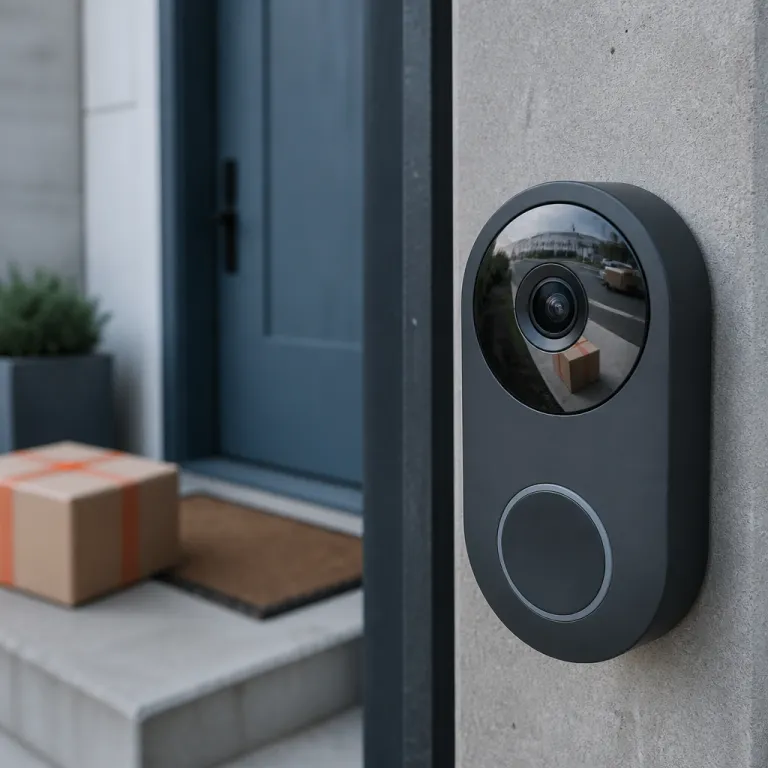
Why doorbell package detection accuracy matters more than resolution
When you buy a video doorbell for package protection, you are really buying doorbell package detection accuracy rather than just another wide video view. The right doorbell camera will quietly log every delivery, filter out false alerts from passing cars, and give you a clean report of what was actually detected on your doorstep. A poorly tuned camera with weak detection turns every shadow into a supposed package and quickly trains you to ignore notifications.
Package detection sounds simple, yet the reality is layered, because the system must recognise the delivery moment, the idle box, and the pickup as three distinct security events. A smart video doorbell with strong artificial intelligence will tag when a package is first detected, keep tracking it while it sits in frame, and then send a final package notification when someone removes it, which is often the most critical moment. When this chain breaks, you either miss the delivery entirely or drown in false positives that mention a package every time a neighbour walks past the doorbell installed near the street.
For a security conscious homeowner, the key question is not whether the camera can technically see a box, but whether the app and its settings turn that raw video into reliable, timely information. A system with high doorbell package detection accuracy lets you scroll a clean timeline of deliveries and pickups, instead of scrubbing through hours of video to check if a parcel was ever dropped. That difference in service quality will decide whether you trust the doorbell as part of your home security routine or treat it as another gadget that failed to support your real needs.
What “package detection” really means in daily use
Manufacturers use the phrase package detection loosely, yet in practice it covers three separate behaviours that affect your security. First, the video doorbell must recognise the delivery event itself, which means the camera and motion detection zones need a clear view of where the courier actually sets the package down. Second, the system should keep that package detected in its database while it remains on the porch, even if there is no new motion to trigger a fresh alert.
Third, a well designed doorbell camera will send a specific package notification when the box leaves the frame, whether that is you collecting it or a thief grabbing it quickly. Many cheaper cameras treat this as just another motion issue, so you only receive a generic alert that something moved, with no hint that your delivery might have vanished. Over time, that vague service erodes trust, because you cannot tell from the english text of the notification whether the system saw a person, a car, or a package in singular or multiple forms.
High quality systems also let you tune app settings so that package detection alerts behave differently from standard motion alerts, which is vital if your street is busy. You might choose to mute general motion but keep every package report active, or route only package notifications to your smartwatch while leaving other security events on your phone. For a deeper dive into how motion sensing underpins all this logic, a guide on a moving sensor camera for smart doorbell security explains why the sensor hardware often limits what the software can achieve.
AI on the doorbell versus in the cloud: where accuracy is decided
Behind every package detection label sits an artificial intelligence model that has been trained to recognise boxes, bags, and human hands in video frames. Some brands run this model directly on the doorbell camera, which is called on device processing, while others send short video clips to cloud servers for analysis before returning a package notification. Local processing usually means faster alerts and better privacy, because the raw footage never leaves your home network, but it can limit how complex the detection model can be.
Cloud based analysis gives companies like Ring and Google more computing power to push doorbell package detection accuracy into the low to mid nineties, which is where the feature starts to feel genuinely reliable. In independent benchmarks, best in class services such as Ring Protect Pro AI and Nest Aware via Google Home Premium have reached roughly ninety two to ninety five percent accuracy for package classification, while mid tier systems like Eufy and Aqara often sit between seventy five and eighty five percent. At the bottom end, many sub one hundred euro video doorbells still behave like simple motion sensors and loosely tag almost any object as a person or package, which creates a constant stream of false alerts.
For most homeowners, the trade off will be between subscription cost, privacy policy, and the level of security they expect from their front door. A cloud heavy service will usually require a paid plan to unlock the best detection features, while a local processing doorbell installed with strong Wi Fi support can still offer solid accuracy without ongoing fees. If you want to understand how motion logic interacts with lighting and power, a detailed article on a motion sensor switch for smart doorbells shows how smarter switching can reduce missed events and improve overall detection reliability.
The drop zone problem: why placement beats marketing claims
Even the best video doorbell cannot detect a package it never sees, which is why camera placement matters more than any artificial intelligence slogan on the box. Many porches have a natural drop zone tucked behind a pillar or low wall, and if the doorbell camera is mounted too high or too far to the side, the delivery will sit in a blind spot. In that scenario, the system might only send a package notification when the courier briefly crosses the motion zone, then lose track of the box entirely once it is set down.
To maximise doorbell package detection accuracy, start by standing where your courier usually stands and looking back at the door frame to choose a mounting point that keeps the drop zone in full view. Angled wedges can help tilt the camera toward the step where packages in singular or plural form tend to land, and a slightly lower mounting height often improves detection of smaller parcels. If you already have a doorbell installed, review a week of video clips in the app and note how often the package is only partially visible or hidden behind railings, then adjust the hardware before blaming the software.
Lighting also plays a quiet but decisive role in whether a package is correctly detected or misclassified as general motion. Strong backlighting from a glass door can turn the box into a dark silhouette, which some models struggle to recognise, while deep shadows under an overhang can hide smaller deliveries completely. When you plan a new smart lock or camera upgrade, consider integrated options such as a front door Wi Fi lock with built in camera, because combining lighting, access control, and video in one unit can simplify placement and improve overall security coverage.
How to test your own doorbell package detection accuracy at home
Marketing claims about package detection rarely match the messy reality of your front step, so a simple home test will tell you far more than any spec sheet. Over two weeks, arrange for at least ten deliveries of different sizes and colours, or simulate them by placing various boxes in your usual drop zone while the video doorbell records. Each time, note whether the system detected the delivery, whether it sent a clear package notification, and whether any false alerts appeared when no package was present.
Keep a small log in english with three columns labelled delivery, detected, and alert type, then add a fourth column for any issue you notice, such as late notifications or missing clips. After ten events, calculate how many deliveries were correctly detected as packages in singular or plural form, how many were only tagged as generic motion, and how many were missed entirely. This simple report will give you a personal accuracy percentage that often reveals whether your current settings, Wi Fi support, or camera placement are holding the system back.
During the test, experiment with app settings such as motion zones, sensitivity sliders, and package specific toggles, because small adjustments can dramatically change the balance between missed events and false positives. If your doorbell camera integrates with Amazon Alexa, try enabling spoken package notifications on a nearby smart speaker to see whether real time audio alerts feel more useful than silent push messages. By the end of the trial, you will know whether your existing video doorbell is delivering the best security it can, or whether a different model or service tier would better match your front door and your expectations.
What to look for on the spec sheet and in the app
When you compare smart doorbells online, ignore the glossy lifestyle photos and scroll straight to the sections that mention package detection, motion zones, and artificial intelligence features. Look for phrases such as on device package recognition or advanced object detection rather than vague claims about smart alerts, because the former usually signals a more mature model. If the manufacturer only mentions generic motion detection, expect more false alerts and weaker doorbell package detection accuracy, especially in busy suburban streets.
Check whether the video doorbell requires a subscription service to unlock package notifications, cloud video history, or advanced security analytics, because those recurring costs add up quickly. Some brands keep basic package detection free on the doorbell camera itself but charge for longer video storage or richer reports, while others lock almost everything behind a monthly fee. Read the privacy policy carefully to understand how your video and audio are stored, whether clips are used to train future detection models, and what controls you have inside the app settings.
Integration with wider smart home systems can also change how useful package alerts feel in daily life. A doorbell installed with Amazon Alexa support can announce deliveries on Echo speakers, trigger smart lights when a package is detected, or even start a routine that locks a nearby smart deadbolt for extra security. The best setups treat the doorbell, camera, and notification system as one coordinated service, so that every delivery in singular or plural form is seen, tagged, and acted on without you constantly checking your phone.
Key statistics on video doorbells and package focused security
- Market research from Parks Associates reports that roughly 58.9 million Americans now own at least one video doorbell, and surveys show that package theft prevention is the dominant purchase driver among these households.
- Independent benchmarks of artificial intelligence models used in consumer smart cameras indicate that best in class cloud assisted systems, such as Ring Protect Pro AI and Nest Aware via Google Home Premium, achieve around 92 to 95 percent accuracy when classifying packages in varied lighting conditions.
- Mid tier devices that rely mainly on local processing, including several Eufy and Aqara models, typically reach between 75 and 85 percent package classification accuracy, which is enough for many homes but still produces occasional missed deliveries or extra false alerts.
- Entry level smart doorbells priced under 100 euros often lack true object recognition and instead trigger on any motion, which can lead to more than half of all alerts being unrelated to actual visitors or packages in busy suburban environments.
- Consumer surveys from multiple security firms consistently show that users who receive frequent false notifications are two to three times more likely to disable alerts entirely, which effectively cancels the security benefits of having a smart doorbell in the first place.
FAQ: practical questions about doorbell package detection accuracy
How accurate are modern smart doorbells at detecting packages ?
High end systems that combine strong camera hardware with cloud based artificial intelligence typically reach around ninety two to ninety five percent accuracy for recognising packages in front of the door. Mid range models that process video on the device itself usually land between seventy five and eighty five percent, which still leaves some room for missed deliveries or extra false alerts. Budget devices that only use simple motion detection often cannot reliably distinguish a package from other objects, so their effective accuracy is much lower in real homes.
Why does my doorbell send package alerts when nothing is there ?
Most false package notifications come from motion detection that is too sensitive or from poorly defined activity zones that include the street, a busy sidewalk, or moving foliage. When the camera sees a shape or shadow in those areas, the artificial intelligence sometimes misclassifies it as a box, especially in low light or heavy rain. Tightening your motion zones, lowering sensitivity, and ensuring the drop zone is clearly visible usually reduces these false alerts significantly.
Can I improve package detection without buying a new doorbell ?
In many cases, careful adjustment of app settings and camera placement can noticeably improve doorbell package detection accuracy. Try lowering the mounting height slightly, angling the camera toward the step where deliveries usually land, and refining motion zones so they cover only the porch area. Updating firmware, checking Wi Fi strength, and enabling any package specific detection toggles in the app can also help your existing hardware perform closer to its potential.
Do I need a subscription for reliable package notifications ?
Some brands offer basic on device package detection for free, while reserving advanced analytics, longer video history, and richer notifications for paying subscribers. Cloud assisted services with subscriptions often achieve higher accuracy because they can run more complex artificial intelligence models on powerful servers. If package security is a top priority, paying for a well reviewed subscription can be worthwhile, but only after you confirm that the core camera placement and motion settings are already optimised.
Is local processing safer for my privacy than cloud based detection ?
Local processing keeps most video analysis on the doorbell itself, which means fewer clips are sent to remote servers and stored under a third party privacy policy. This approach can reduce exposure of your household routines, but it may limit how advanced the detection models can be compared with cloud heavy services. The safest option is to choose a vendor with transparent data practices, strong encryption, and clear controls in the app that let you manage how long video is stored and where it is processed.