Balancing cloud storage, local storage, and subscription costs
Behind every smart doorbell is a decision about where your video lives. Cloud storage for video doorbells offers convenient access from anywhere, but it usually requires a subscription that adds to the long term cost of smart security. Local storage on a microsd card or other local card avoids recurring fees, yet it demands more hands on management from people who want to archive important video.
Many of the best video smart doorbells now combine cloud and local storage options. A video doorbell with hybrid video storage can record continuously to local storage while sending motion detection clips to the cloud for quick review. This approach helps doorbell cameras maintain security even if your internet connection fails, while still giving you remote access to key events.
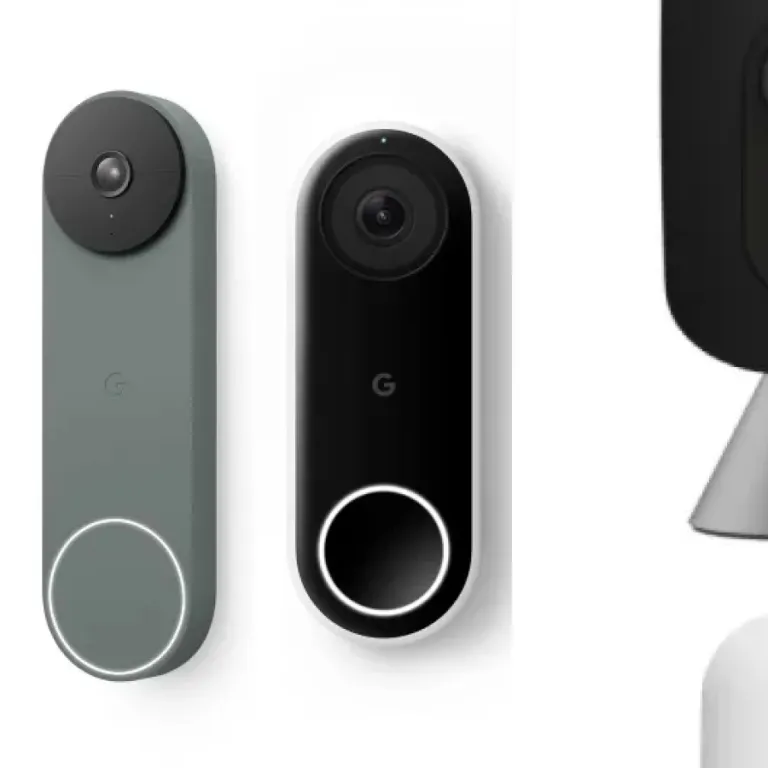
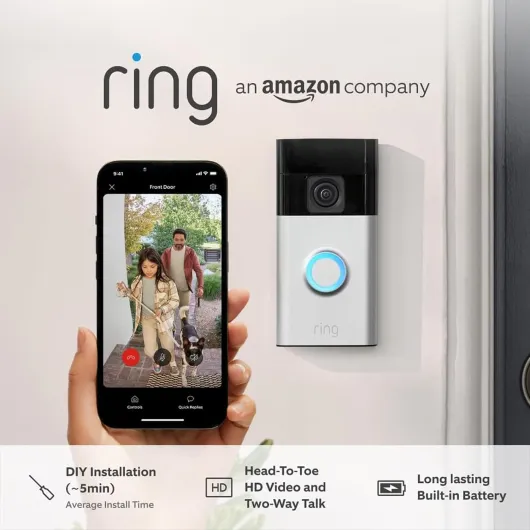
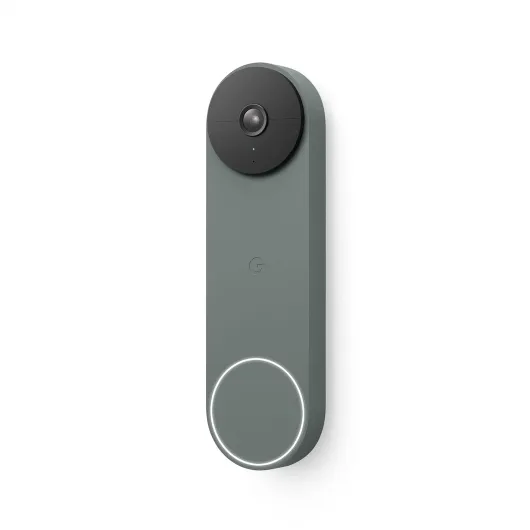
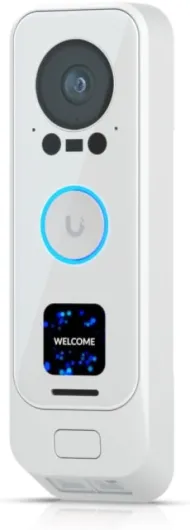
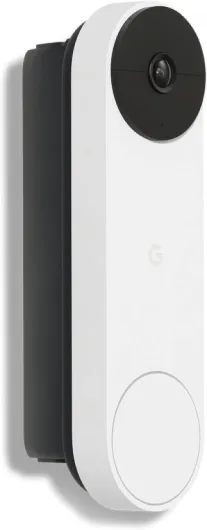
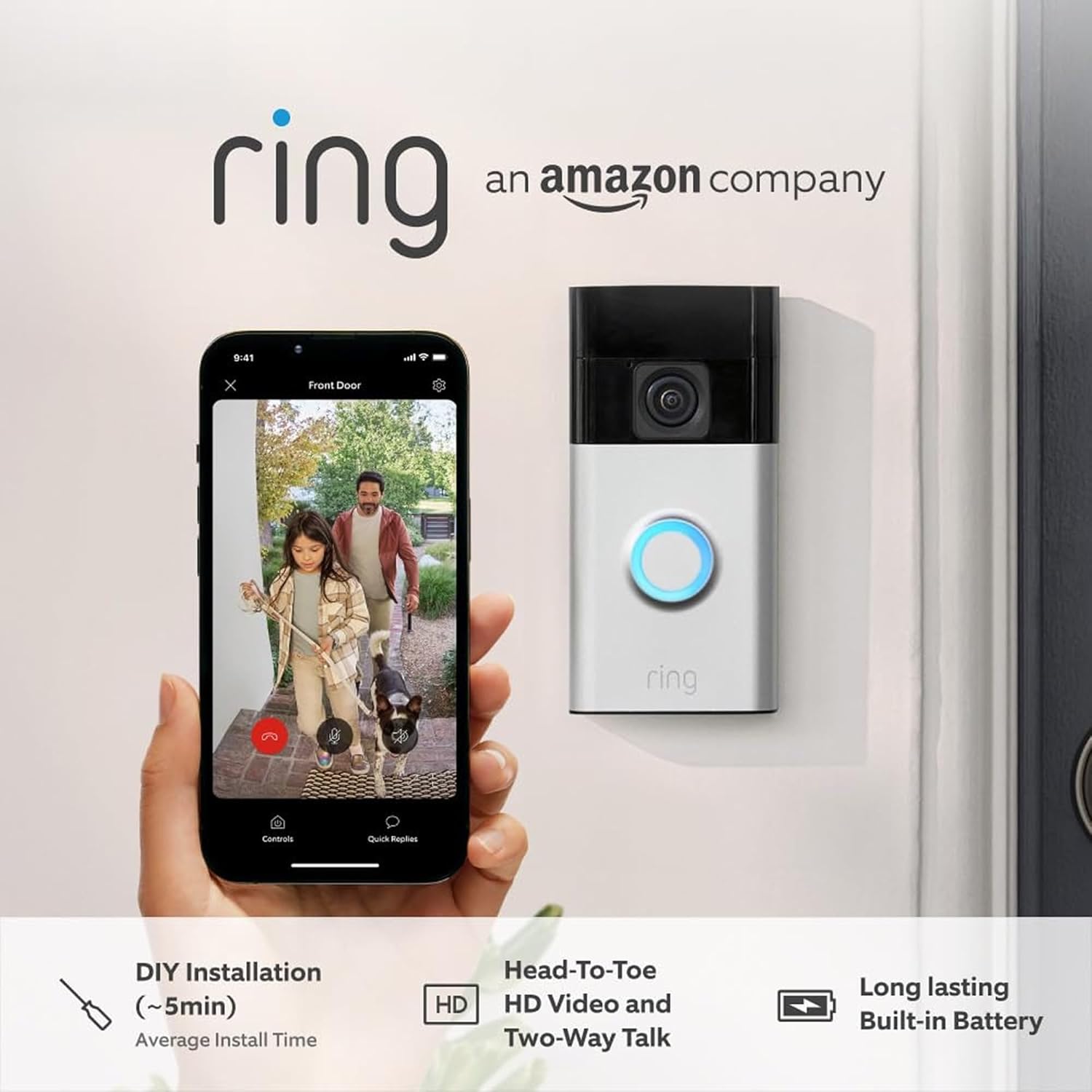
Brands such as Ring, Nest Doorbell, Tapo, and Lorex each take different approaches to storage and subscription. A Ring video doorbell leans heavily on cloud storage and subscription plans, while a Nest Doorbell integrates tightly with Google Nest services and other security cameras. Lorex and some Tapo video doorbells often emphasize local storage, appealing to people who want more control over their video doorbell data.
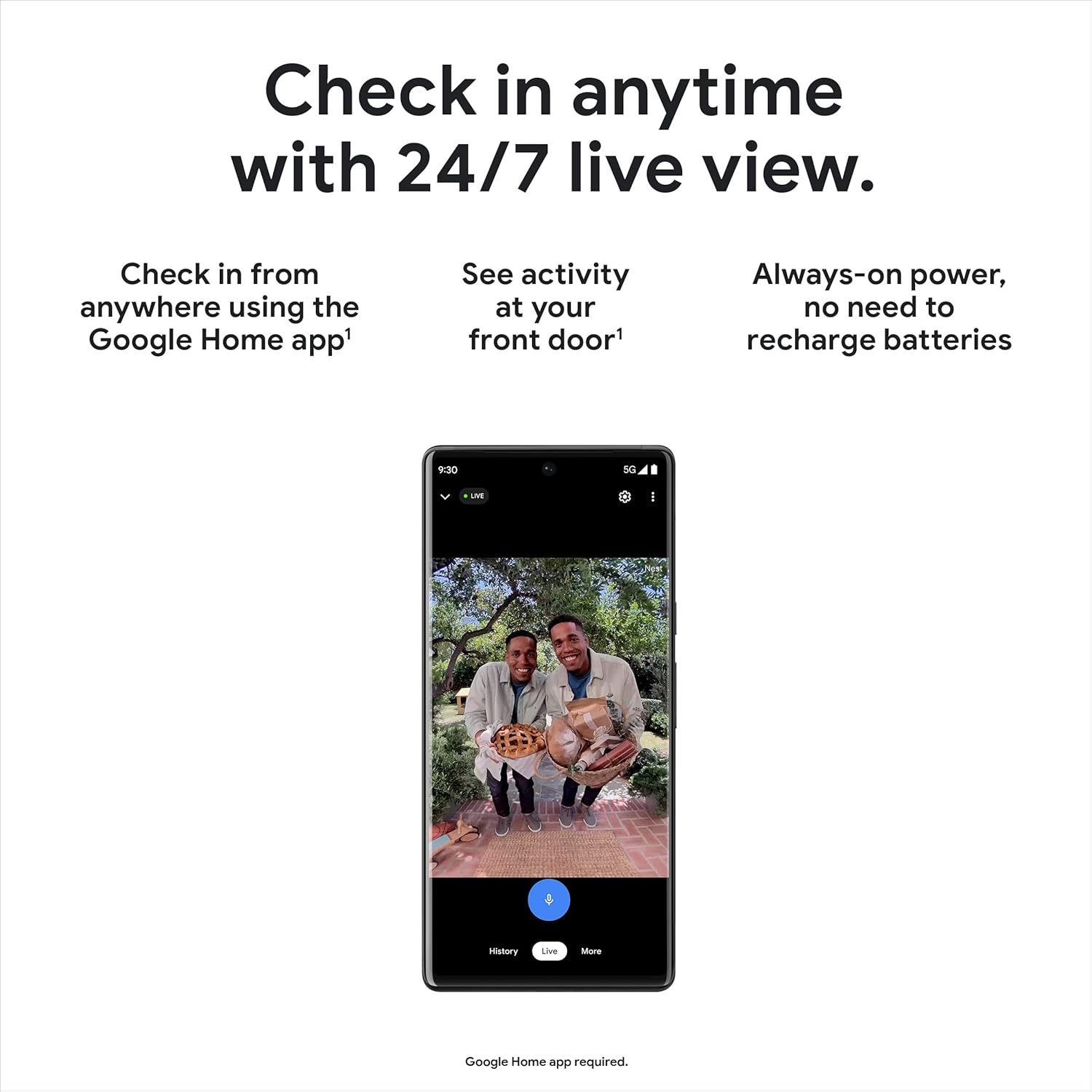
Smart integrations also influence how you use stored video in daily life. Many smart doorbells now support Amazon Alexa, Alexa Google, and other voice assistants, allowing you to pull up a doorbell camera feed on a smart display with a simple command. For a broader view of how smart security cameras fit into a whole home system, you can study this guide on enhancing home security with smart security cameras and compare it with your doorbell cameras strategy.
Power, battery life, and reliability in everyday use
Choosing between a wired doorbell and a battery powered smart doorbell is more than a technical detail. A doorbell wired to your existing transformer can support continuous video recording and more demanding security cameras features, while a battery doorbell prioritizes flexible installation. People in older homes sometimes find that upgrading wiring is necessary before installing the best video smart doorbells.
Battery life depends on motion detection settings, video quality, and how often people press the doorbell. If your smart doorbell sends frequent video clips to cloud storage, the battery may drain faster than with local storage on a microsd card. Adjusting motion zones and sensitivity can reduce unnecessary video storage and extend the time between charges.
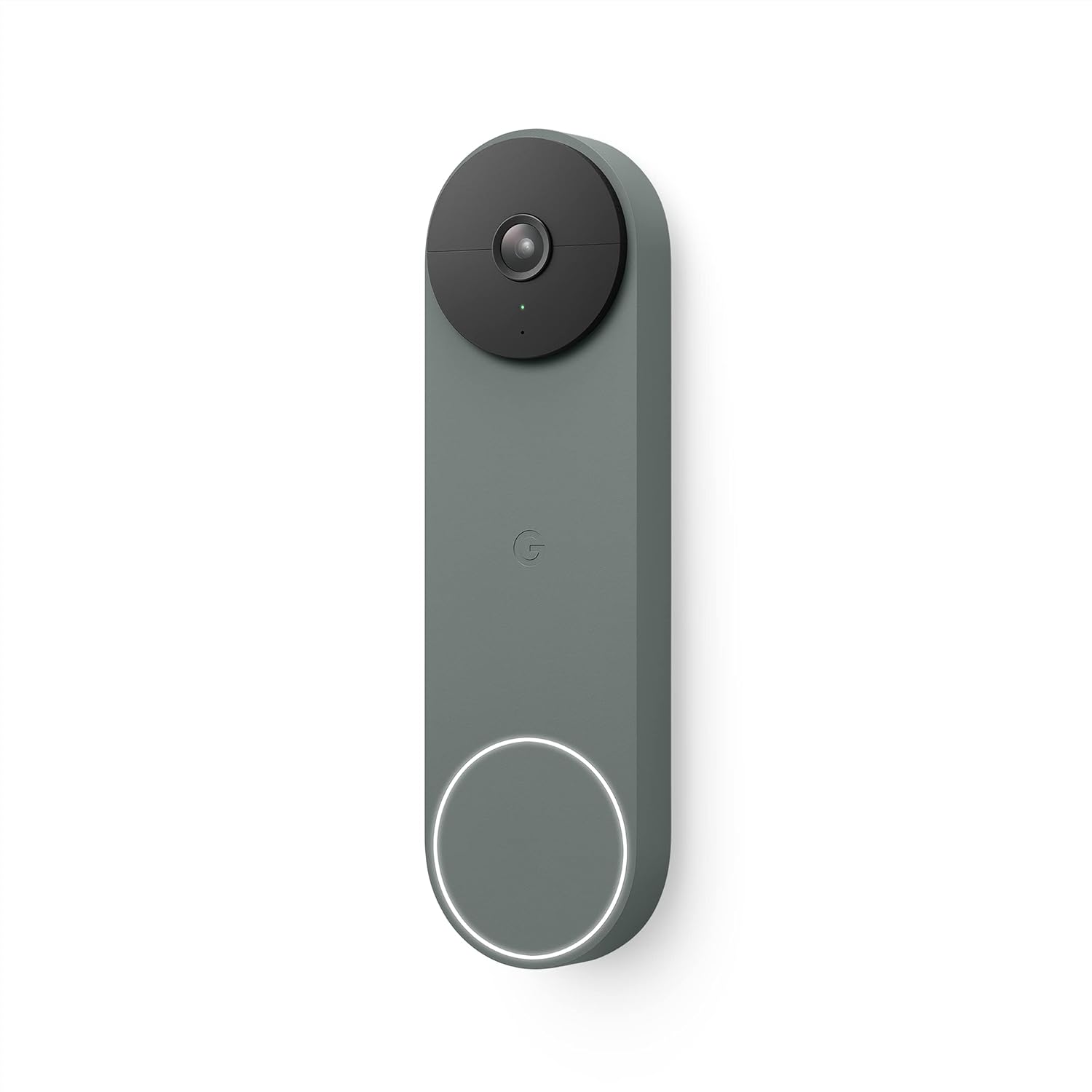
Some brands, including Ring, Nest Doorbell, Lorex, and Tapo, offer both wired and battery powered versions of their video doorbells. A Nest Doorbell can integrate with Google Nest displays, while a Ring video doorbell works smoothly with Amazon Alexa and many Alexa Google compatible devices. When comparing these video doorbells, pay attention to whether the same subscription covers both your doorbell camera and any additional security cameras you might add later.
Reliability also includes how the smart doorbell behaves during power cuts or network outages. Battery powered doorbells can keep recording to local storage even when the mains power fails, while wired models may depend more heavily on your home infrastructure. For a deeper comparison of smart doorbell generations and their reliability, you can review this analysis on differences between advanced smart doorbells and apply similar criteria to other brands.
How motion detection and night vision shape real security
Motion detection is at the heart of how the best video smart doorbells protect your entrance. A smart doorbell with refined motion detection can distinguish between people, vehicles, and animals, reducing false alerts and unnecessary video storage. When motion detection is poorly tuned, doorbell cameras may flood your phone with notifications and drain the battery faster than expected.
Advanced video doorbells now use AI based people detection to focus on human movement. This people detection helps your doorbell camera prioritize relevant events, such as someone approaching the door or leaving a parcel, instead of reacting to every passing shadow. Combined with smart security zones, these features allow people to tailor their video doorbells to busy streets or quiet cul de sacs.
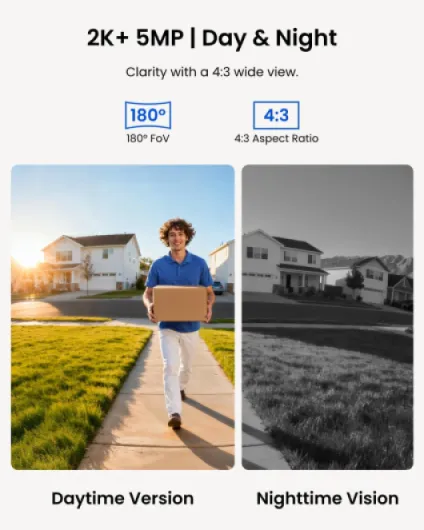
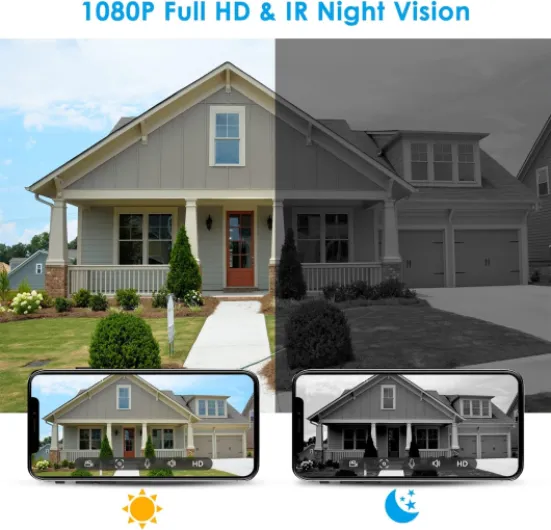
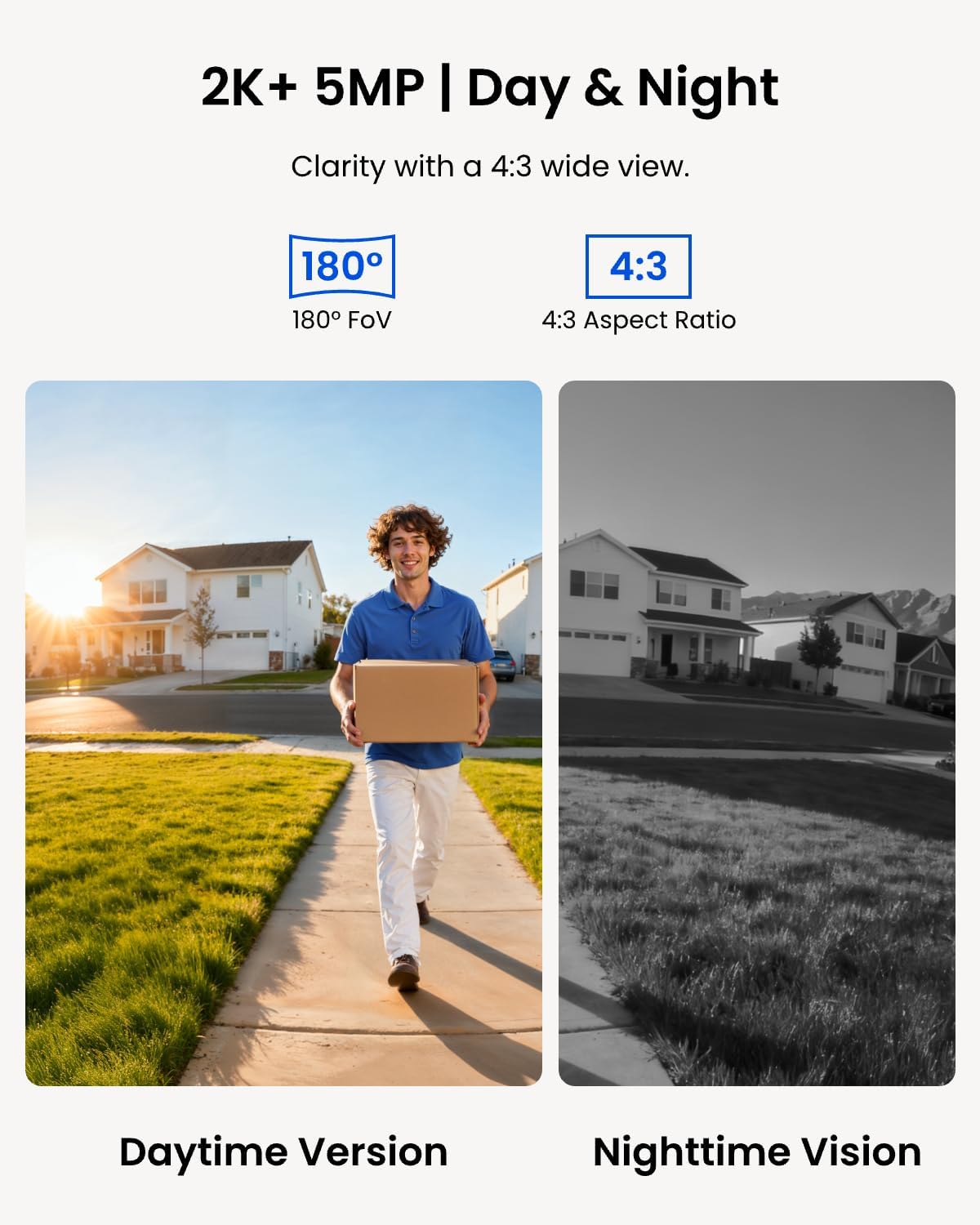
Night vision is equally important for a smart doorbell that must work around the clock. Infrared night vision on a video doorbell camera ensures that faces remain recognizable even in low light, while some premium doorbell cameras add color night vision for better detail. Whether you use cloud storage or local storage, clear night video helps security cameras provide evidence if an incident occurs.
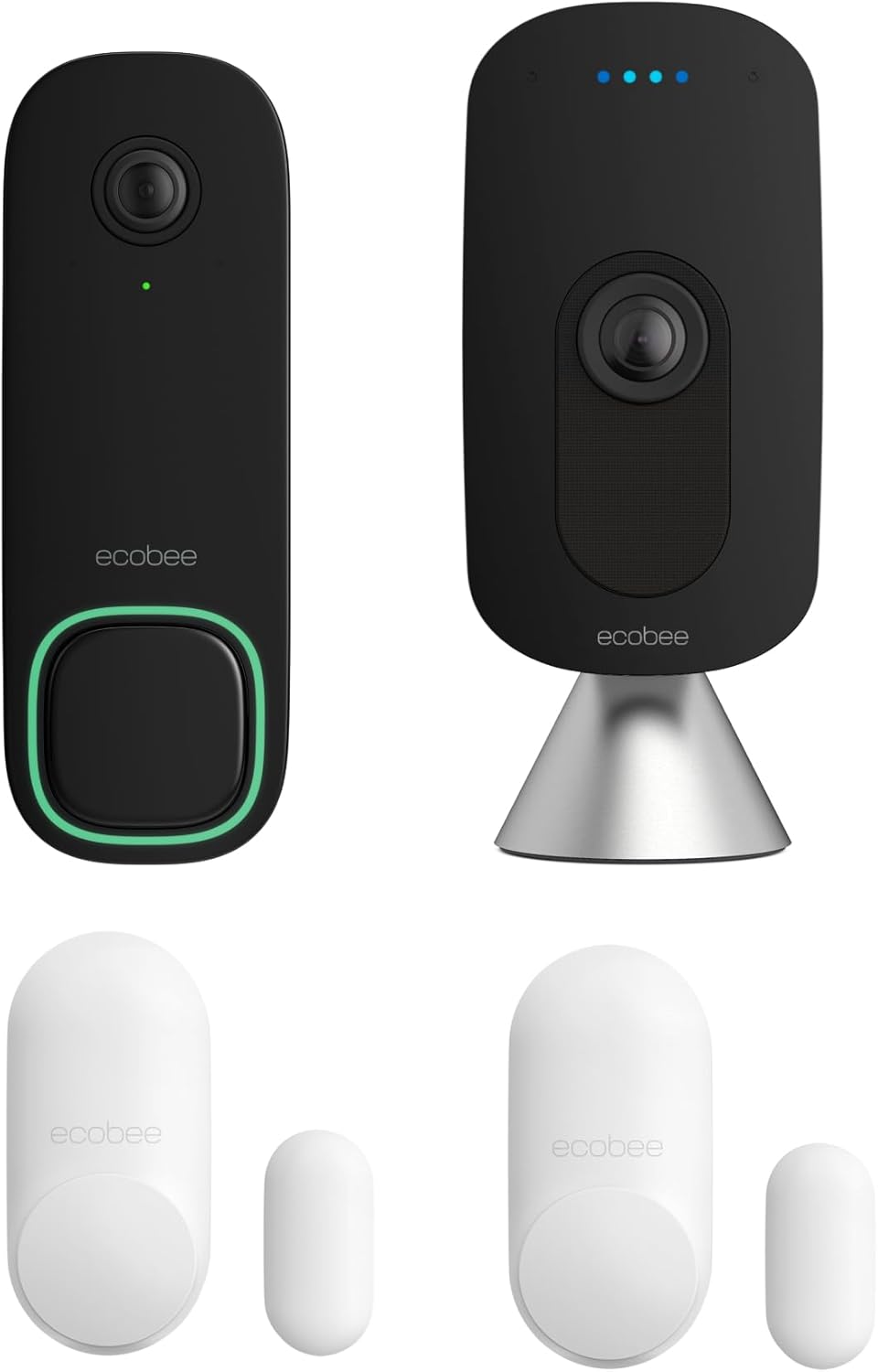
Integration with Amazon Alexa and Alexa Google ecosystems can enhance how you respond to motion detection alerts. For example, a smart doorbell can trigger compatible security cameras or lights when motion is detected, creating a layered smart security response. To see how a complete bundle of smart devices can work together, examine this overview of a home security bundle with a wired smart doorbell camera and compare it with your own setup.
Privacy, data handling, and the role of smart platforms
Behind the convenience of the best video smart doorbells lies a complex question about privacy and data control. When a smart doorbell records video of people at your entrance, it generates sensitive information that must be stored securely. Whether you choose cloud storage or local storage on a microsd card, understanding how your video doorbell handles data is essential.
Cloud storage services for video doorbells typically encrypt video in transit and at rest. However, using cloud storage means trusting a provider with your video, subscription details, and sometimes integration data with Amazon Alexa, Google Nest, or other smart platforms. People who prefer more control often lean toward local storage, where the doorbell camera writes video directly to a local card or network device.
Smart platforms such as Google Nest and Amazon Alexa add another layer of complexity. A Nest Doorbell integrates deeply with Google Nest accounts, while a Ring video doorbell ties into Amazon Alexa routines and displays, creating a seamless smart security experience. These integrations can make it easier to manage multiple security cameras and video doorbells, but they also centralize data in large ecosystems.
Responsible use of smart doorbells includes adjusting motion detection zones to avoid filming neighbors unnecessarily. Many modern doorbell cameras allow you to mask parts of the frame, reducing the amount of video storage devoted to public spaces. As people adopt more smart security devices, transparent privacy policies and clear controls become as important as battery life, wired reliability, or night vision performance.
Practical checklist for choosing the best video smart doorbells
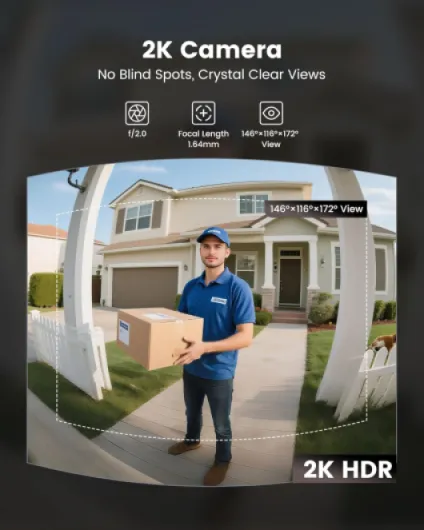
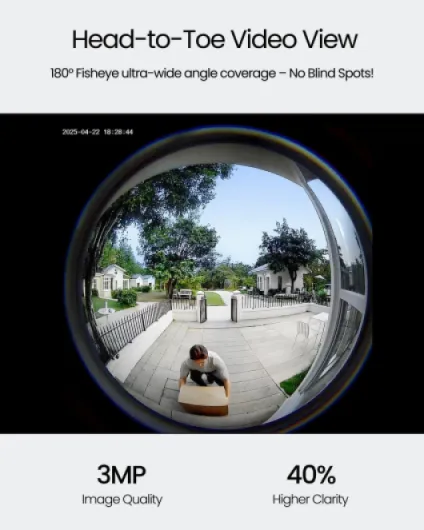
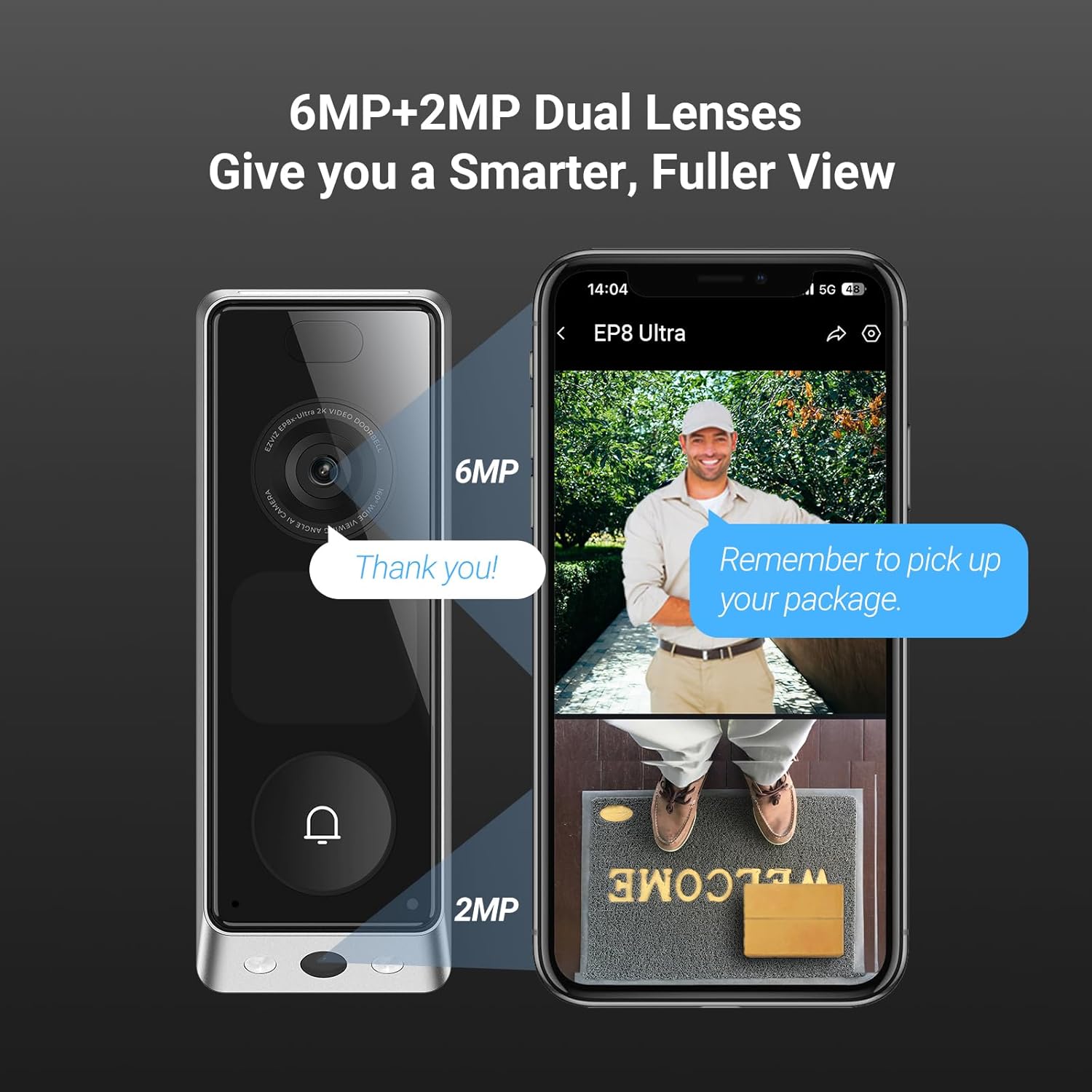
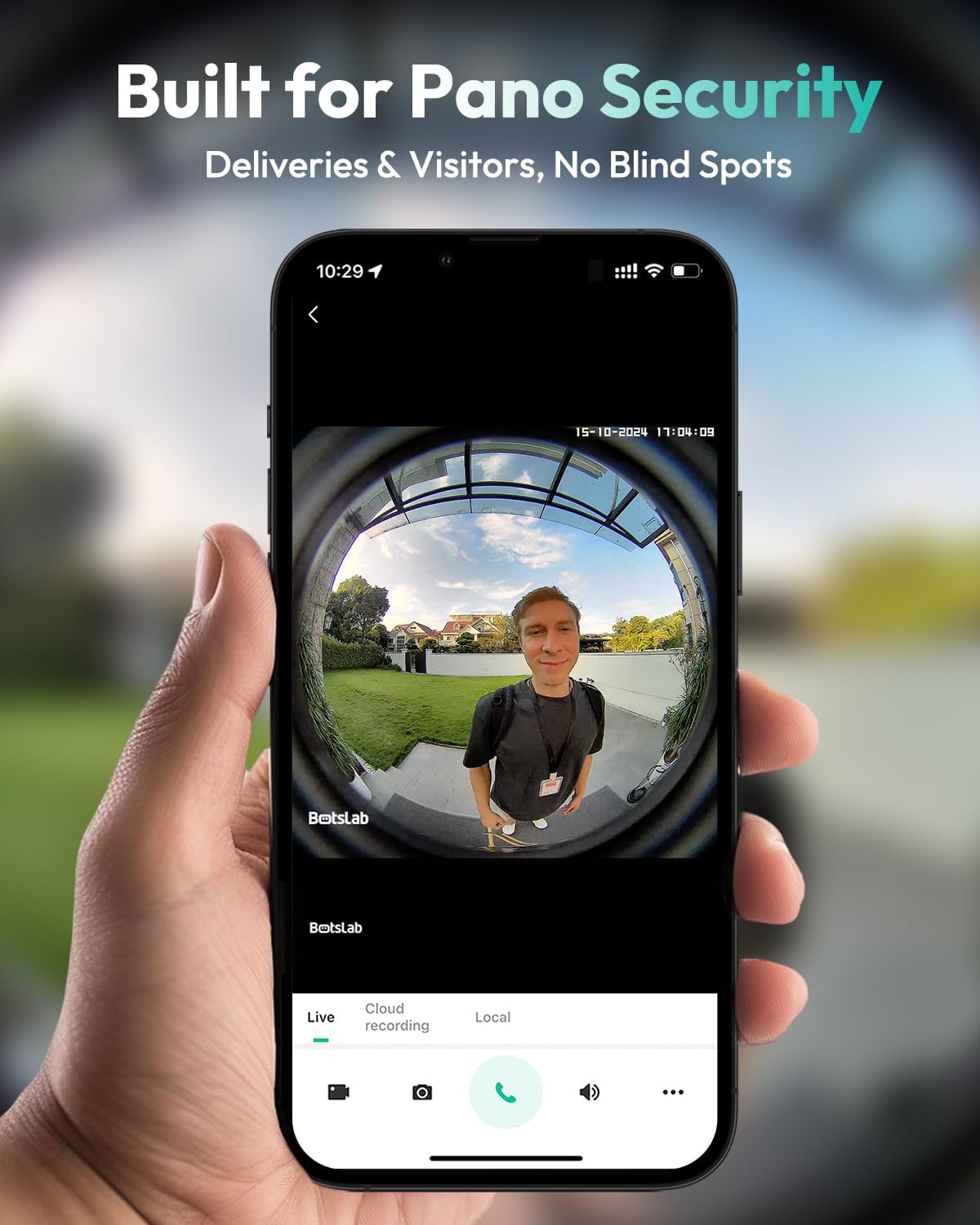
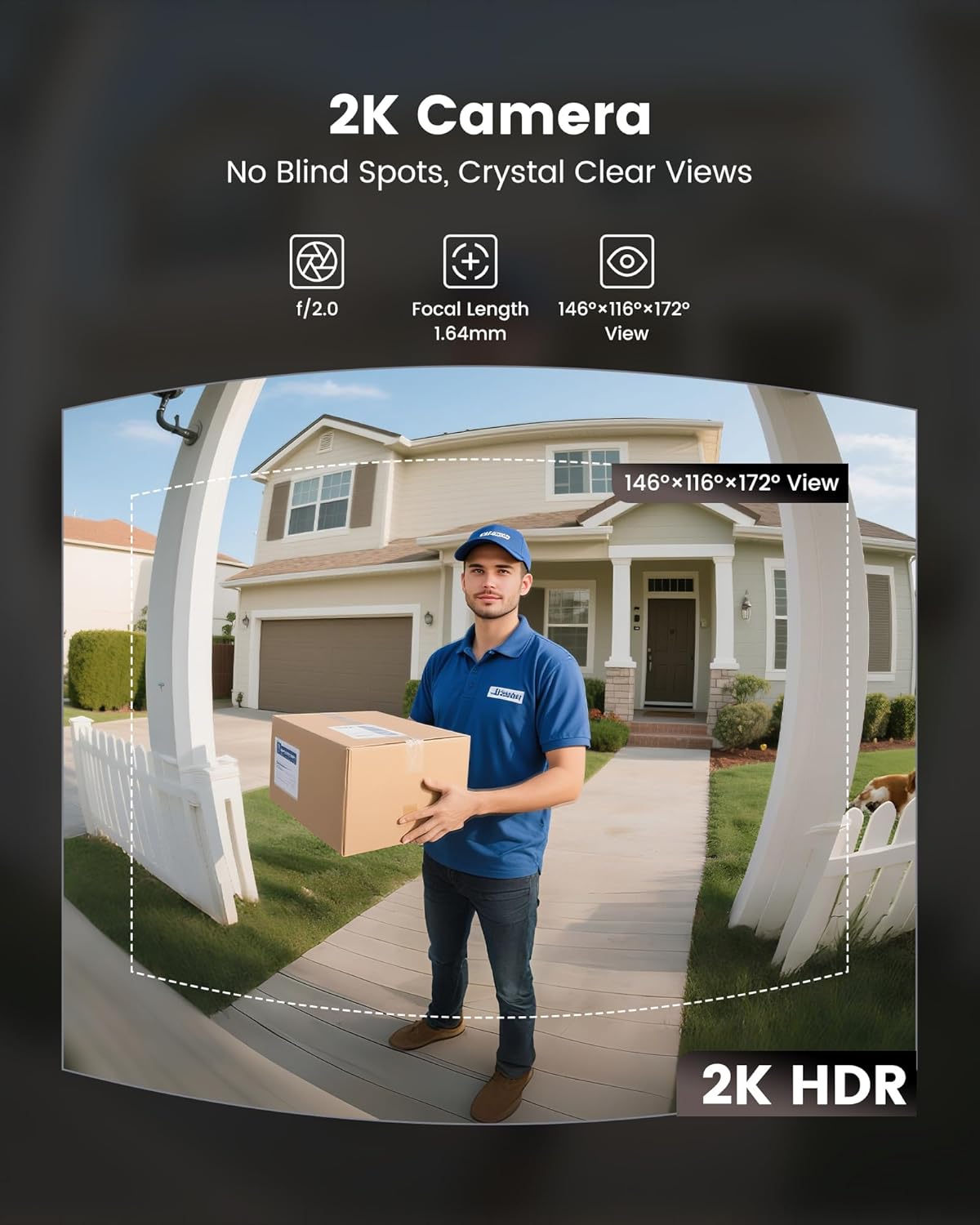
When comparing the best video smart doorbells, start with the basics of video quality and field of view. A smart doorbell should offer clear video in daylight and reliable night vision, matching or exceeding the performance of entry level security cameras. Look for a video doorbell camera that captures enough detail to identify people, parcels, and vehicles without distortion.
Next, evaluate power and installation options that fit your home. If you already have a traditional wired doorbell, a doorbell wired smart model may provide continuous power and fewer battery concerns. For renters or people who cannot modify wiring, a battery powered or battery doorbell design offers flexibility, as long as you are comfortable managing charging cycles.
Storage and subscription terms deserve careful attention before purchase. Decide whether you prefer cloud storage with a predictable subscription, local storage on a microsd card, or a hybrid approach that combines both. Remember that some brands link doorbell cameras and other security cameras under one subscription, which can improve value if you expand your smart security system.
Finally, consider ecosystem compatibility and everyday usability. Check whether the smart doorbell works smoothly with Amazon Alexa, Alexa Google, or Google Nest devices already in your home, and test how quickly motion detection alerts reach your phone. By weighing video performance, storage strategy, motion detection quality, and platform integration together, people can select video doorbells that genuinely strengthen their security rather than simply adding another gadget.
Key statistics about smart doorbells and home security
- Up to 80 % of attempted parcel thefts are deterred when a visible doorbell camera or other security cameras are installed at the entrance.
- Households that enable motion detection and people detection on their smart doorbell report up to 60 % fewer false alerts compared with basic motion sensing.
- More than half of smart doorbell owners choose cloud storage with a subscription, while around one third rely primarily on local storage such as a microsd card.
- Battery powered video doorbells can typically operate between two and six months on a single charge, depending on motion activity and video quality settings.
- Among users of Amazon Alexa and Google Nest ecosystems, over 70 % integrate their smart doorbell with at least one additional smart security device.
Common questions about the best video smart doorbells
Are battery powered video doorbells as reliable as wired models ?
Battery powered smart doorbells can be highly reliable when installed with strong Wi Fi and optimized motion detection settings. However, a wired doorbell or doorbell wired model benefits from continuous power, which supports more frequent video recording and reduces maintenance. People who experience heavy motion activity or want constant video storage may prefer wired video doorbells for long term stability.
Is cloud storage necessary for a smart doorbell to be effective ?
Cloud storage is not strictly necessary, but it adds convenience for accessing video from multiple devices. A video doorbell with local storage on a microsd card or similar local card can still provide strong smart security, especially when combined with robust motion detection. Many of the best video smart doorbells now offer both local storage and cloud storage, allowing people to choose the balance of privacy, cost, and accessibility that suits them.
How important is night vision on a video doorbell camera ?
Night vision is critical because many security incidents and parcel deliveries occur in low light. A smart doorbell with high quality night vision ensures that people, vehicles, and packages remain visible in recorded video. When comparing doorbell cameras, prioritize models whose night video is clear enough for identification, whether you use cloud storage or local storage for your footage.
Can smart doorbells work with both Amazon Alexa and Google Nest platforms ?
Some smart doorbells support both Amazon Alexa and Alexa Google style integrations, while others are optimized for a single ecosystem such as Google Nest. Before buying, check whether the video doorbell camera is certified for your preferred platform and whether features like live video, motion detection alerts, and doorbell chimes are fully supported. Aligning your doorbell cameras and other security cameras with one main ecosystem often simplifies daily use and improves smart security automations.
What should people look for in motion detection settings ?
Effective motion detection on a smart doorbell should allow you to define zones, adjust sensitivity, and enable people detection where available. These controls help reduce false alerts, conserve battery life on battery powered models, and limit unnecessary video storage in both cloud storage and local storage. When testing the best video smart doorbells, spend time fine tuning motion detection so that your doorbell camera focuses on genuinely important activity around your entrance.