Power, wiring, and chime options for different homes
Choosing between wired and battery powered models is one of the most practical decisions when assessing the best video doorbell cameras. A wired video doorbell connects to your existing doorbell wiring and often to a traditional chime, which means no recharging but a slightly more complex installation. Battery powered doorbells avoid electrical work, yet you must manage battery life carefully to keep the camera and chime working reliably.
If you already have a functioning mechanical doorbell, a wired doorbell camera from Ring, Nest Doorbell, or Eufy can reuse that circuit and sometimes the original chime. These wired smart doorbells draw constant power, so they support continuous video recording, richer night vision, and more demanding detection features without draining a battery. For renters or people uncomfortable with wiring, easy install smart doorbells described in this guide to simple smart doorbell installation are often safer and faster choices.
Battery powered video doorbells from Ring, Eufy, and Tapo rely on rechargeable packs, so pay close attention to quoted battery life and real world reviews. Frequent motion events, high resolution video, and aggressive detection settings can shorten battery life from several months to just a few weeks, especially in cold climates. When you compare doorbells and cameras, check whether spare batteries are affordable, whether the chime doubles as a Wi-Fi extender, and whether the camera still records locally during brief power or network outages.
Storage, subscriptions, and privacy in smart doorbell ecosystems
Behind every smart doorbell sits a storage strategy that shapes cost, privacy, and convenience. The best video doorbell cameras give you a clear choice between cloud storage, local storage, or a hybrid model that combines both. Before you commit to any video doorbell or doorbell camera, map out how much video storage you need and how long you want to keep recordings.
Cloud storage usually requires a monthly subscription plan, as seen with Ring Protect, Nest Aware for the Nest Doorbell, and Tapo Care for Link Tapo cameras. These subscription services expand video storage history, unlock advanced detection analytics, and sometimes enable rich notifications that show a video preview on your phone lock screen. However, ongoing subscription costs can exceed the original camera price over time, so calculate the total cost of ownership for several years when comparing the best video doorbell cameras.
Local storage appeals to people who prefer keeping video on site, often through a microSD card slot or a home base station. Eufy video doorbells and some Tapo doorbell cameras offer local storage options that reduce reliance on cloud storage and keep recordings within your own network. For small homes or apartments, pairing a compact smart doorbell with local storage, as discussed in this overview of smart doorbells for small homes, can deliver strong security without a long term subscription commitment.
Ecosystems, assistants, and connectivity for a seamless smart home
Modern doorbell cameras rarely operate alone, because they sit at the edge of a broader smart home ecosystem. The best video doorbell cameras integrate smoothly with Amazon Alexa, Google Nest, and other platforms so you can view live video on smart displays or trigger routines. When you evaluate any smart doorbell, consider which voice assistant you already use and how the camera will fit into that environment.
Ring video doorbells work especially well with Amazon Alexa, allowing you to see the front door feed on Echo Show screens and use two way audio hands free. Google Nest Doorbell models naturally align with the Google Nest ecosystem, where you can cast video to Nest Hub displays and link detection events to other Google Home automations. Many Tapo and Eufy doorbell cameras now support both Alexa and Google, often labelled as compatible with Alexa Google integrations, which gives you more flexibility if your household mixes devices.
Connectivity also extends to Wi-Fi bands and network reliability, which directly affect video quality and alert speed. Some of the best video doorbell cameras support both 2.4 GHz and 5 GHz Wi-Fi, and choosing between them is explained in depth in this guide to Bluetooth versus 2.4 GHz for smart doorbells. Stable connectivity ensures that motion detection alerts arrive quickly, that live video loads without stuttering, and that cloud or local video storage stays in sync with your security system.
Comparing leading brands and generations of video doorbells
Brand ecosystems shape how the best video doorbell cameras feel in everyday use. Ring, Google Nest, Eufy, and Tapo each approach smart doorbell design differently, from hardware and battery design to subscription plans and privacy policies. Understanding these differences helps you choose a video doorbell that matches your expectations rather than just following marketing claims.
Ring offers several generations of wired and battery powered doorbells, with Ring Video Doorbell 2nd gen and Ring Video Doorbell Pro models targeting different budgets and wiring situations. These Ring doorbell cameras lean heavily on cloud storage through Ring Protect plans, which extend video history and enable rich notifications, but they rely less on local storage or microSD card options. Eufy video doorbells, by contrast, emphasise local storage through encrypted home bases, longer battery life, and no mandatory subscription, which appeals to privacy conscious buyers who still want strong night vision and accurate detection.
Google Nest Doorbell models integrate tightly with Google Nest cameras and displays, offering refined video quality, smart detection, and polished apps. Tapo and Link Tapo doorbells focus on value, often including microSD card slots for local video storage and flexible chime accessories that suit smaller homes. When you compare several generations of these doorbells, pay attention to improvements in field view, night performance, and motion detection, because these incremental gen upgrades often matter more than minor cosmetic changes.
Practical buying guide for different homes and lifestyles
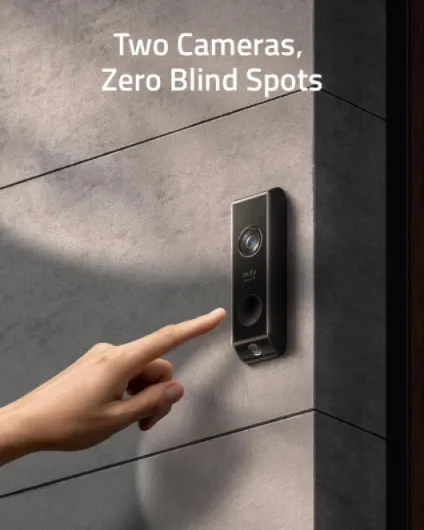
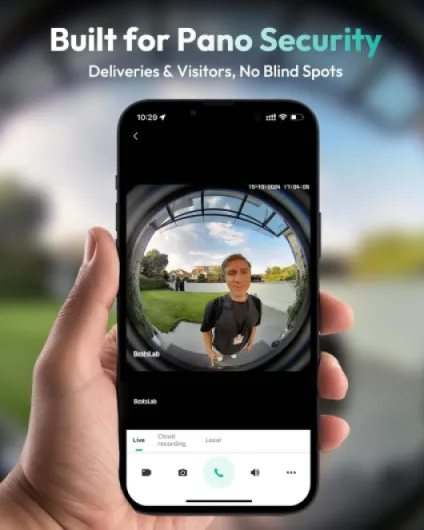
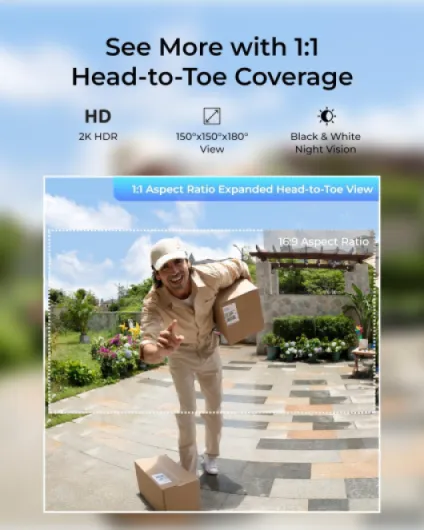
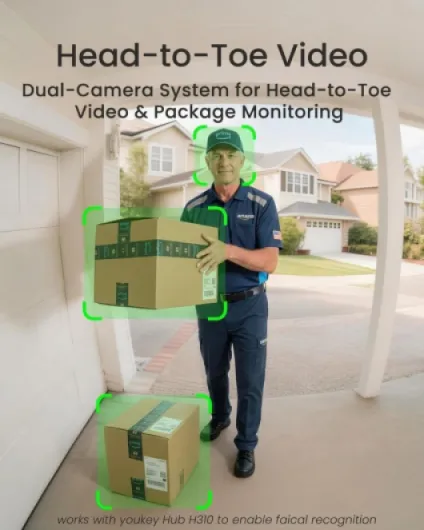
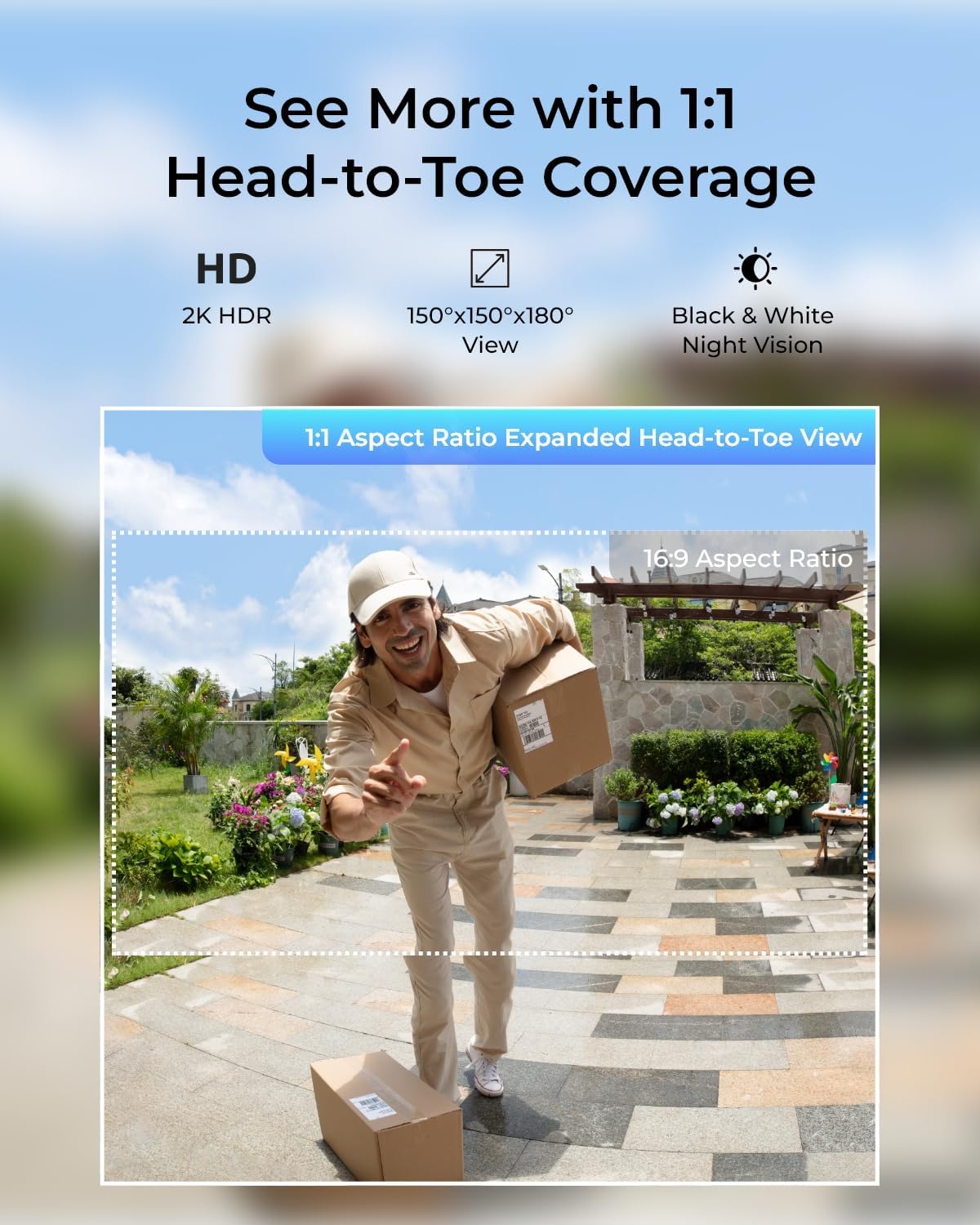
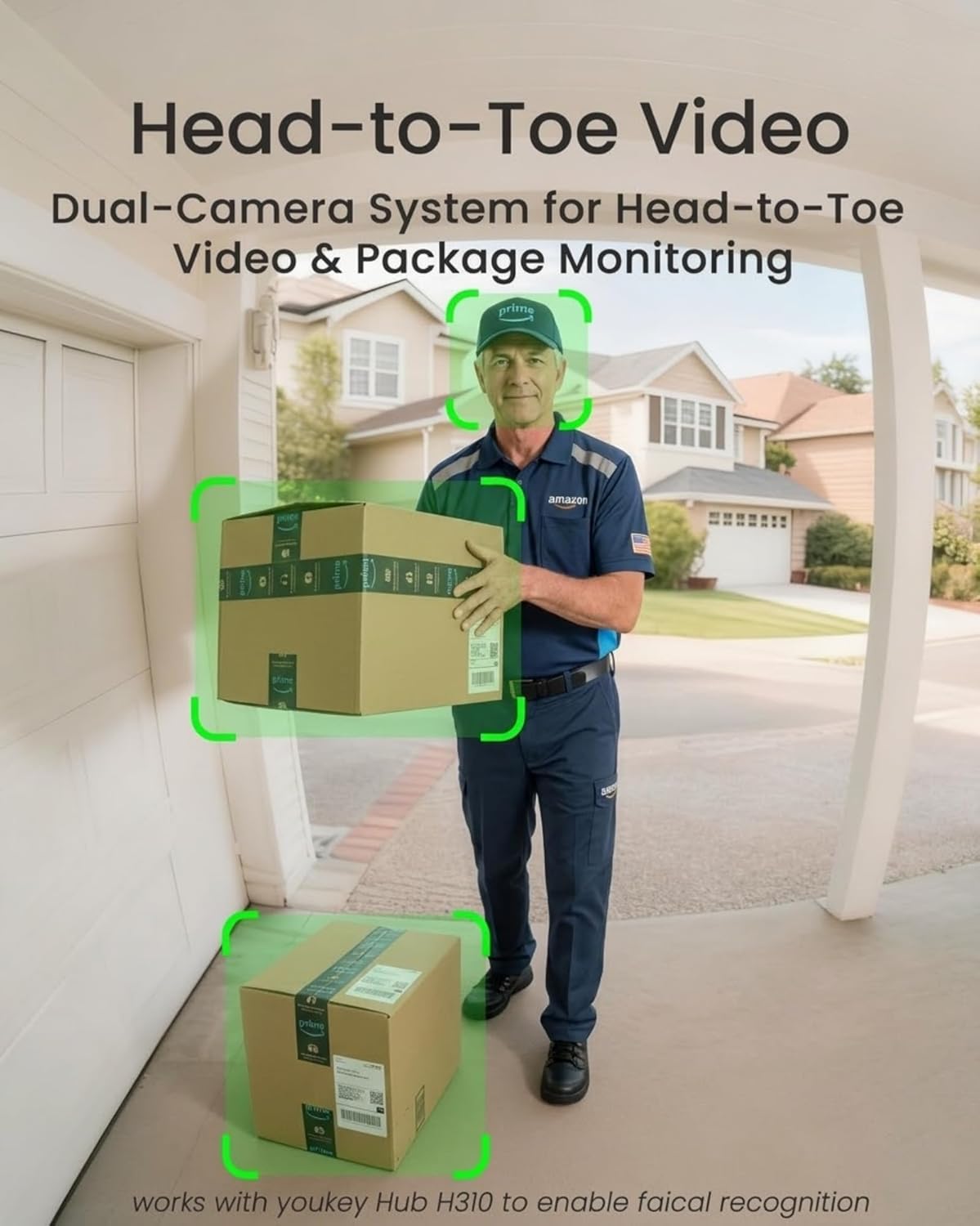
Different homes demand different configurations of the best video doorbell cameras, so start with your entrance layout. A narrow townhouse front door benefits from a tall field view that captures packages on the ground, while a wide driveway may require a broader horizontal angle from the camera. Apartments with shared hallways often need more precise detection zones to avoid constant alerts from neighbours.
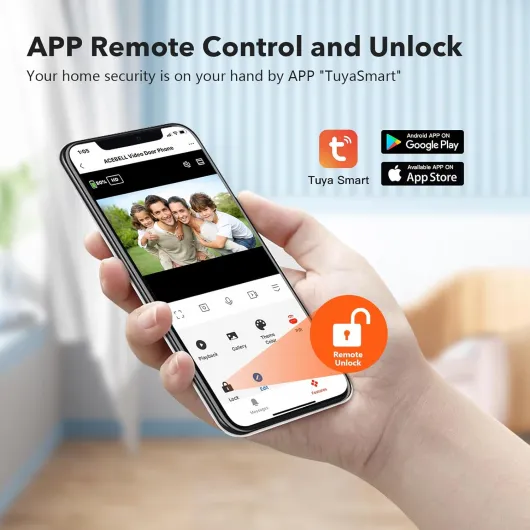
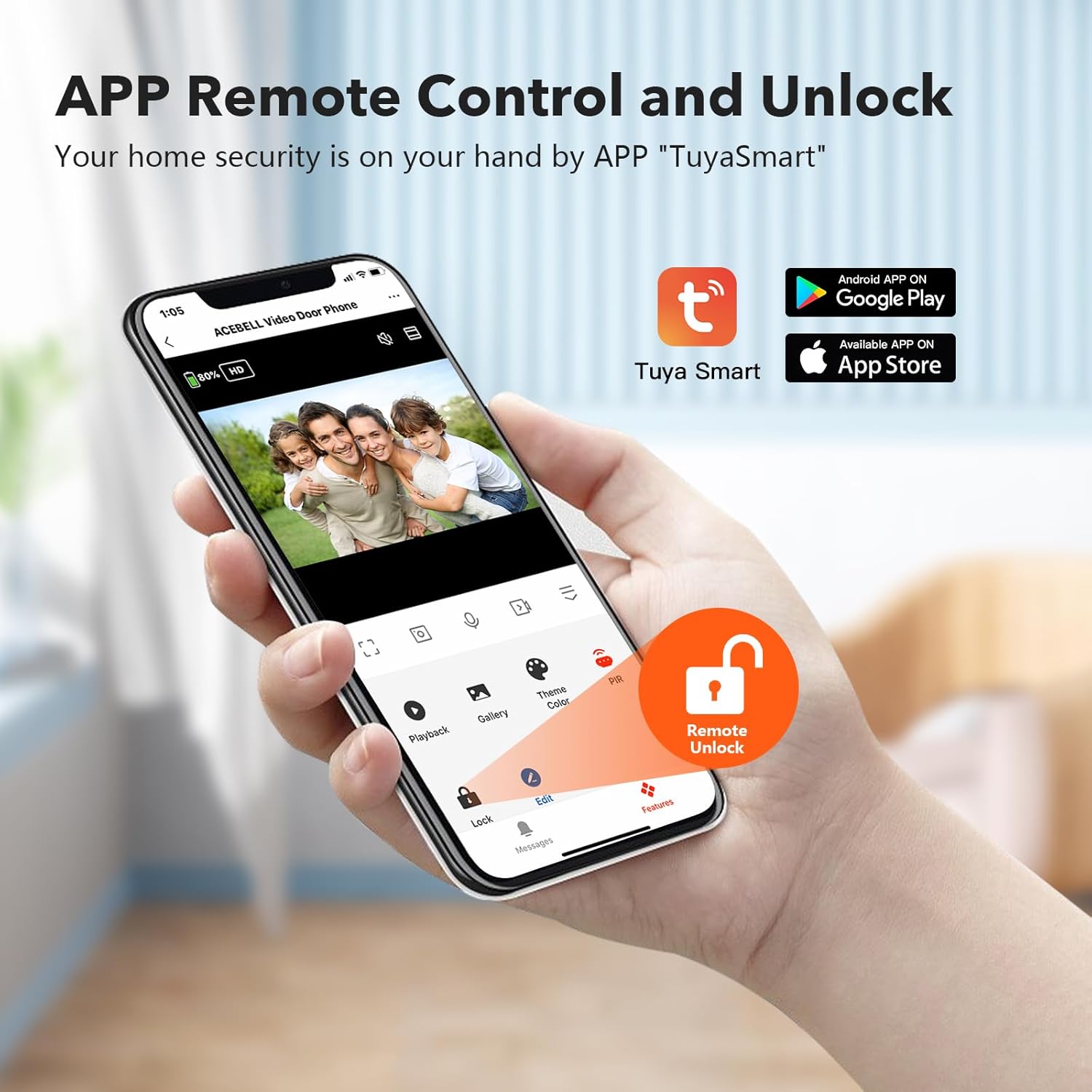
For busy families, a battery powered smart doorbell with strong battery life and quick release packs can reduce maintenance, especially when combined with a plug in chime placed centrally indoors. People who travel frequently may prefer a wired video doorbell with continuous power, cloud storage, and a robust subscription plan that keeps an extended video history for peace of mind. If you already own other security system components such as outdoor cameras or a smart lock, choose a doorbell camera that integrates cleanly so that one app controls most devices.
Privacy minded buyers should prioritise models with clear data policies, strong encryption, and flexible options for local storage or microSD card recording. Look for smart doorbells that allow you to disable audio recording, mask parts of the video frame, or limit how long clips remain in cloud storage. By matching power source, storage approach, ecosystem compatibility, and detection features to your daily habits, you can select one of the best video doorbell cameras that genuinely strengthens home security without adding unnecessary complexity.
Key statistics about smart doorbells and home security
- According to a report from Parks Associates, more than 20 % of broadband households in the United States now own at least one smart home security device, and video doorbells are among the fastest growing categories within that segment (see Parks Associates, Smart Home Tracker, 2023).
- Research from Strategy Analytics found that global shipments of video doorbells grew by roughly 25 % year over year, reflecting strong consumer interest in front door monitoring and integrated security system solutions (Strategy Analytics, Smart Home Device Market Report, 2022).
- A survey by the National Home Security Alliance reported that homes using visible security cameras or a smart doorbell at the main entrance experienced around 30 % fewer opportunistic break in attempts compared with similar homes without such devices (National Home Security Alliance, Residential Security Survey, 2021).
- Data from several major insurers show that policyholders who install approved security cameras or video doorbells sometimes qualify for premium reductions between 5 % and 10 %, depending on the insurer and the overall security system configuration, as summarised in industry briefings and consumer insurance guides published between 2020 and 2023.