Key features that define the best smart doorbells with dual band Wi‑Fi
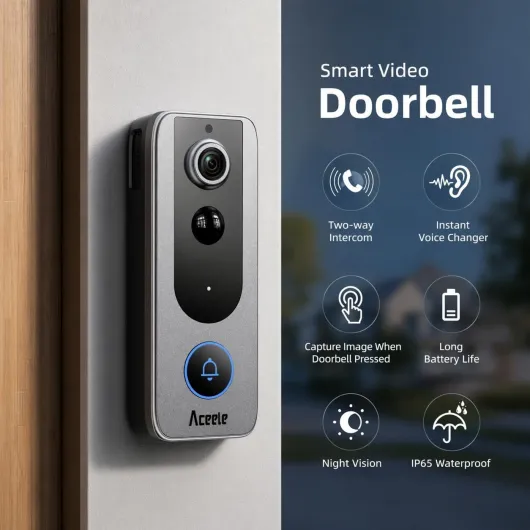
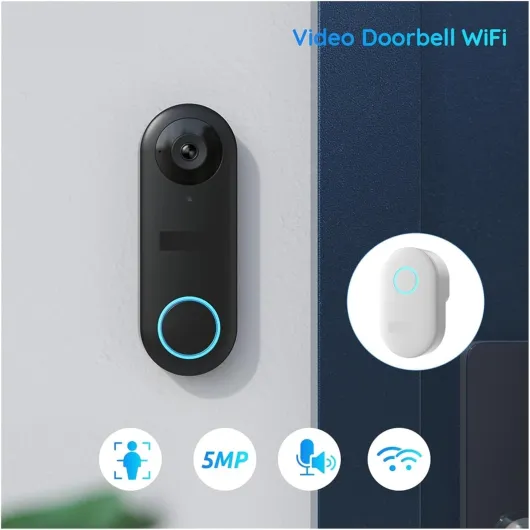
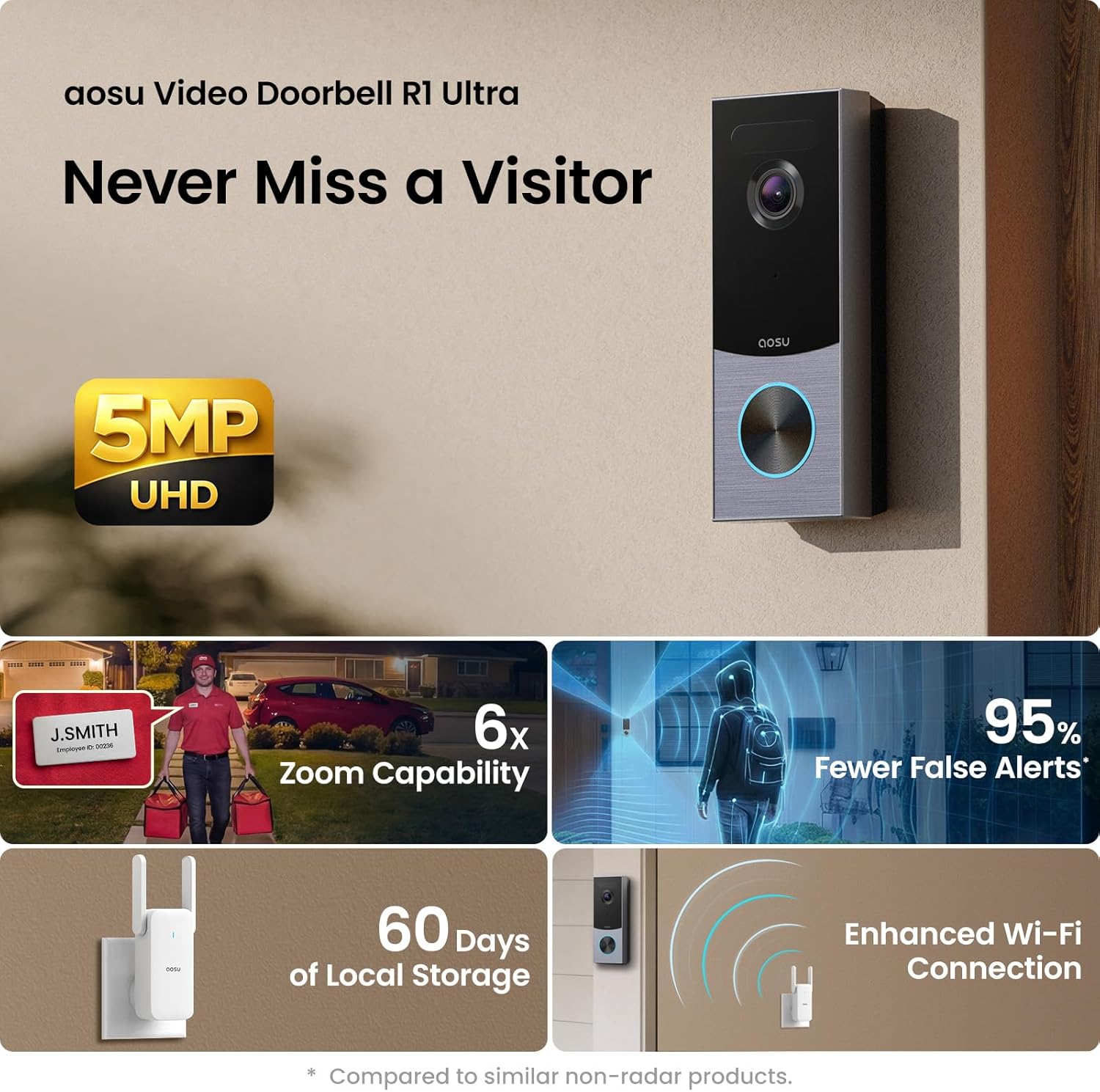
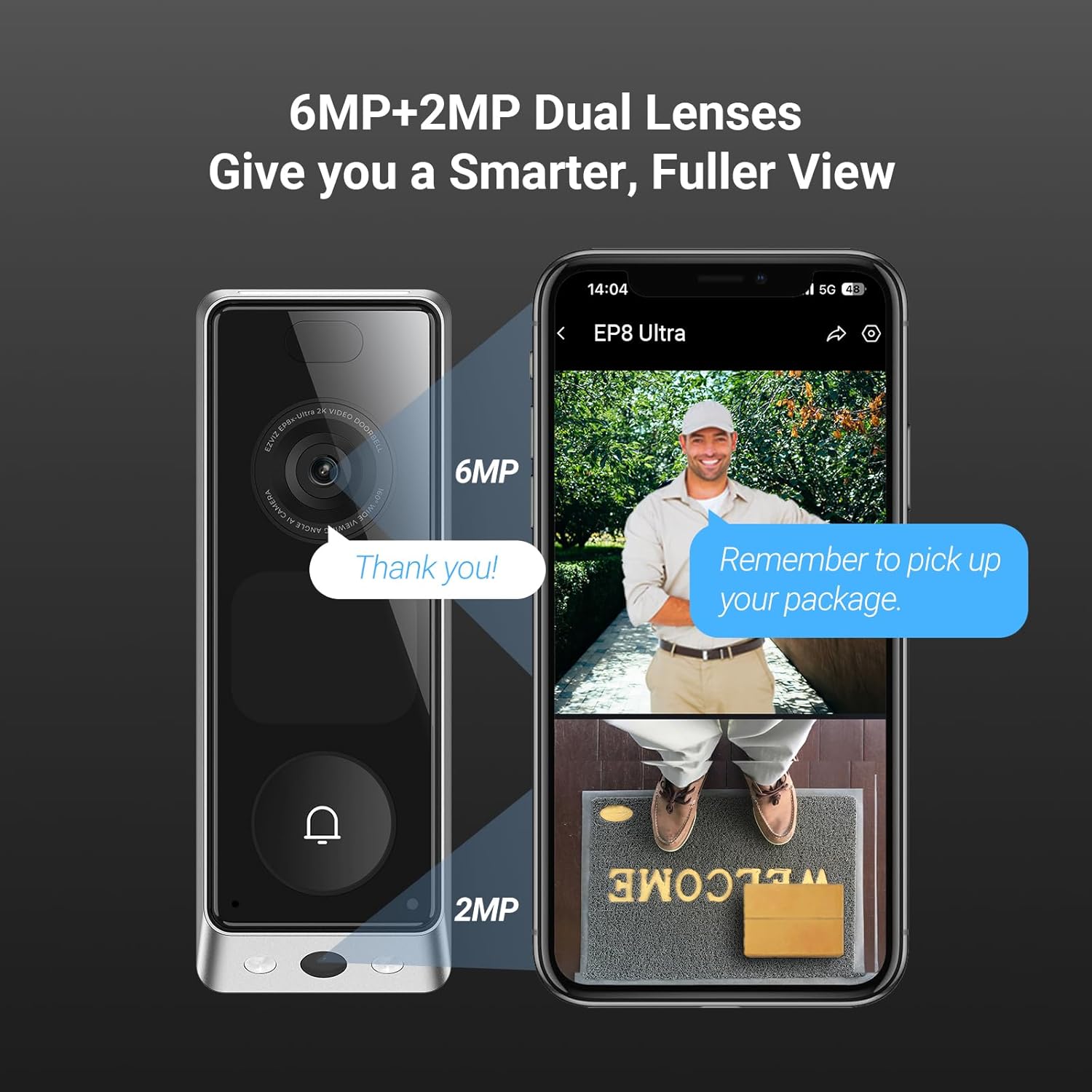
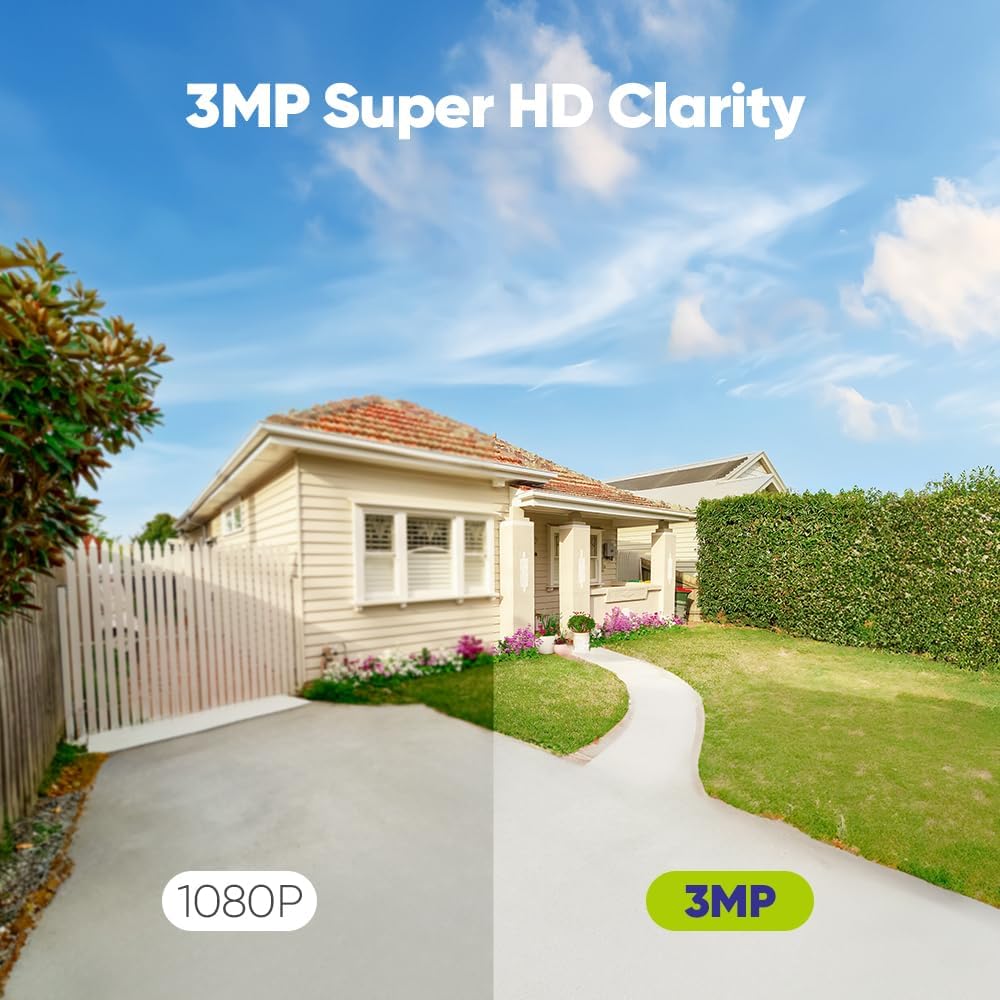
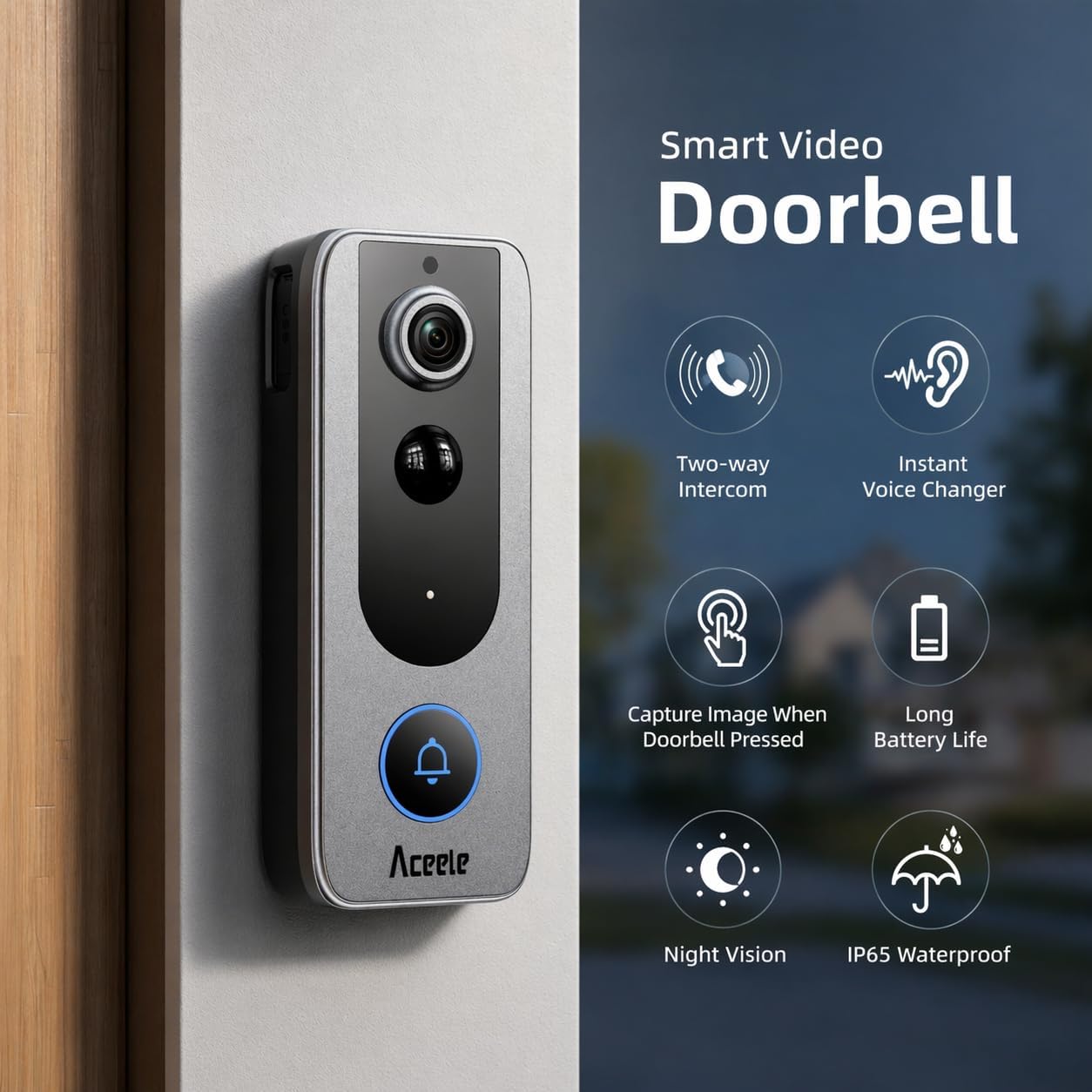
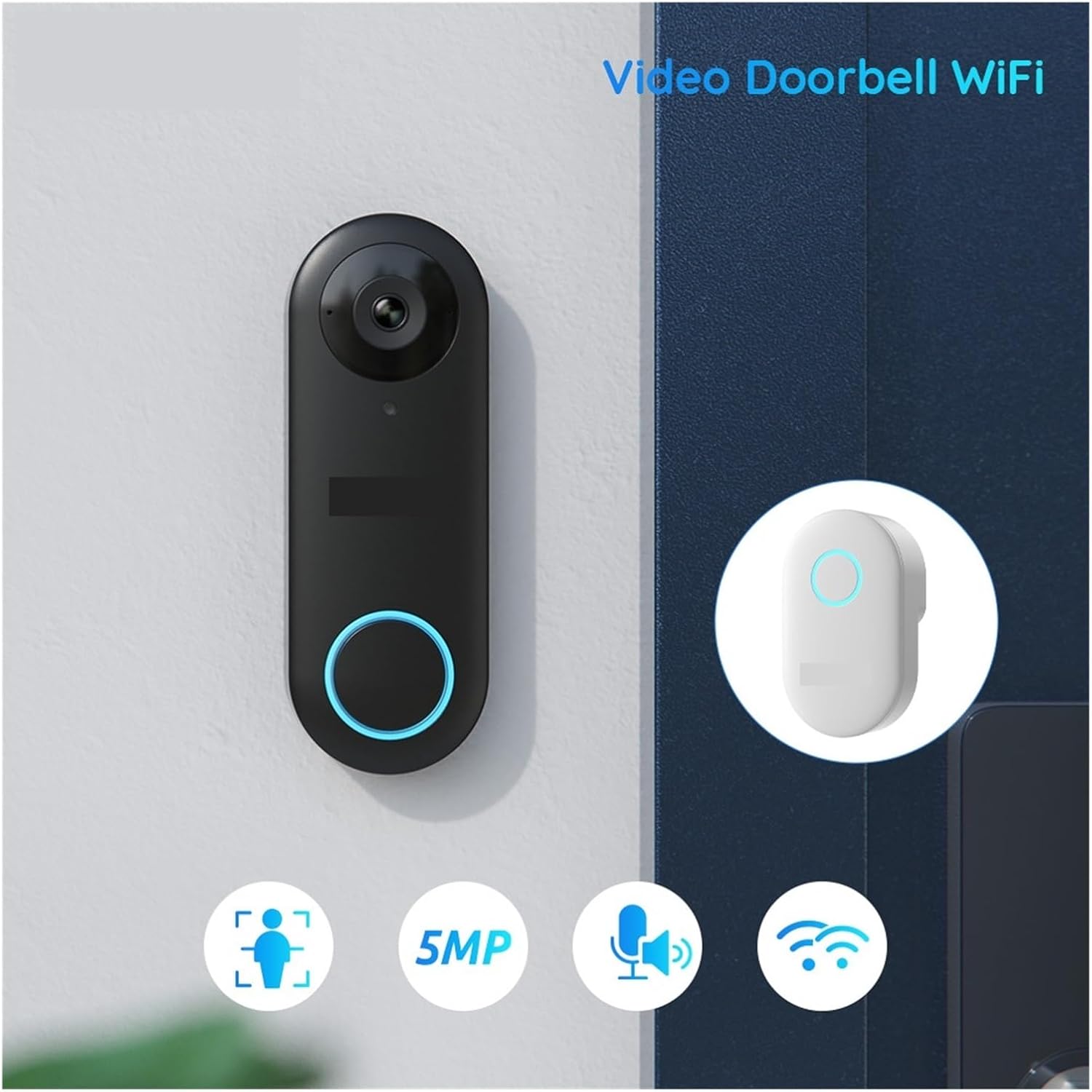
When evaluating which smart doorbell is best for your home, start with the camera and audio specifications. Look for a doorbell camera that records in at least 1080p video, offers clear night vision, and provides a wide field view so you see both faces and parcels on the ground. High dynamic range in the camera helps balance bright sunlight and shadows, which is vital for front doors facing strong daylight.
Motion detection quality separates average video doorbells from the best smart doorbells with dual band Wi Fi. Advanced motion detection uses person, package, or vehicle recognition to reduce false alerts from trees or passing cars, and some models integrate tightly with Google Assistant or Amazon Alexa for spoken alerts on smart speakers. If you choose a wired doorbell or a battery doorbell, ensure the motion zones are configurable so you can fine tune where the cameras watch and how often the video storage fills up.
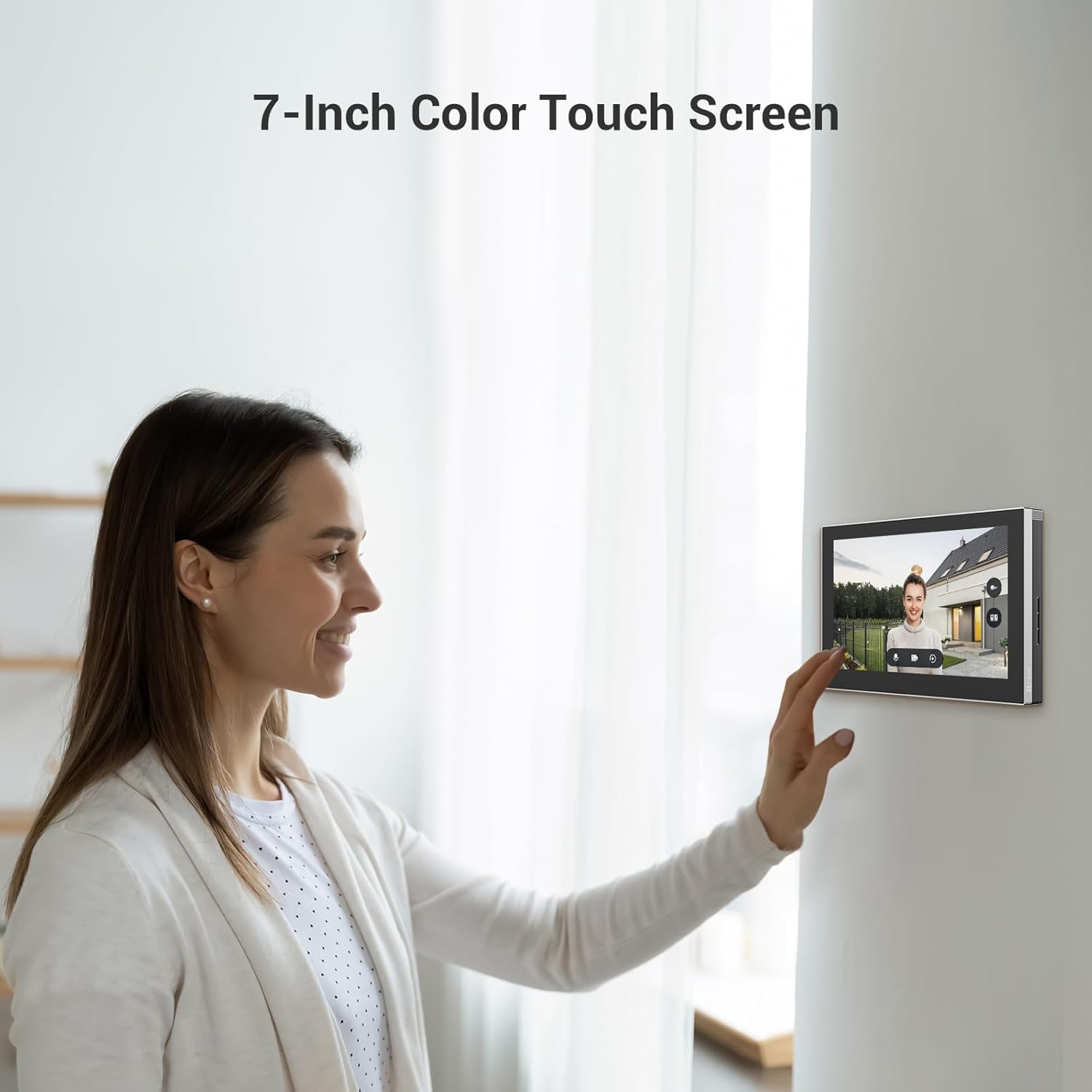
Connectivity with other smart devices is another decisive factor. A ring style chime, smart display, or television that shows live video from the nest doorbell or another brand’s doorbell pro can make daily use much smoother. For deeper automation and reliable monitoring, some buyers look at how IoT monitoring transforms smart doorbells into reliable security sentinels, which you can explore in more detail through this guide on advanced smart doorbell monitoring.
Battery versus wired smart doorbells on dual band networks
Choosing between a battery doorbell and a wired doorbell is one of the most practical decisions you will make. A battery powered smart doorbell is easier to install, especially in apartments or older houses without existing chime wiring, and it still benefits from dual band Wi‑Fi for smoother video. However, the battery must be recharged or replaced periodically, and frequent motion events or long live view sessions shorten the battery life.
A wired smart doorbell draws constant power from your existing doorbell transformer, which means no charging breaks and more consistent performance for continuous recording or frequent motion detection. Wired doorbells often support more advanced features such as pre roll video, where the camera records a few seconds before motion is detected, and this can be crucial when reviewing security incidents. If you choose a wired doorbell camera, confirm that your transformer voltage matches the manufacturer’s requirements and that your router’s dual band Wi‑Fi signal reaches the front door reliably.
Security conscious buyers should also think about resilience and privacy. Battery doorbells can keep recording during short power cuts as long as the Wi‑Fi router or mesh system stays online, while wired models may go offline if your home loses electricity. For a deeper look at how connected cameras can be attacked and what that means for any video doorbell or doorbell cameras, consult this analysis of IoT camera vulnerabilities and smart doorbells.
Subscription plans, local storage, and video retention
Every smart doorbell generates video clips and snapshots that must be stored somewhere. Many of the best smart doorbells with dual band Wi Fi rely on a cloud subscription for video storage, advanced motion detection, and rich notifications, which adds a recurring cost to your security setup. Before you commit, compare how long each subscription keeps your video doorbell recordings and whether multiple cameras are covered under one plan.
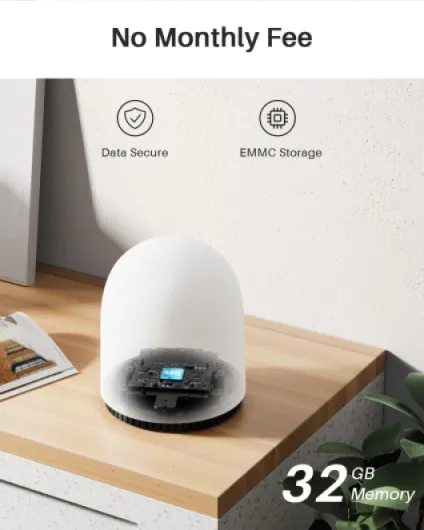
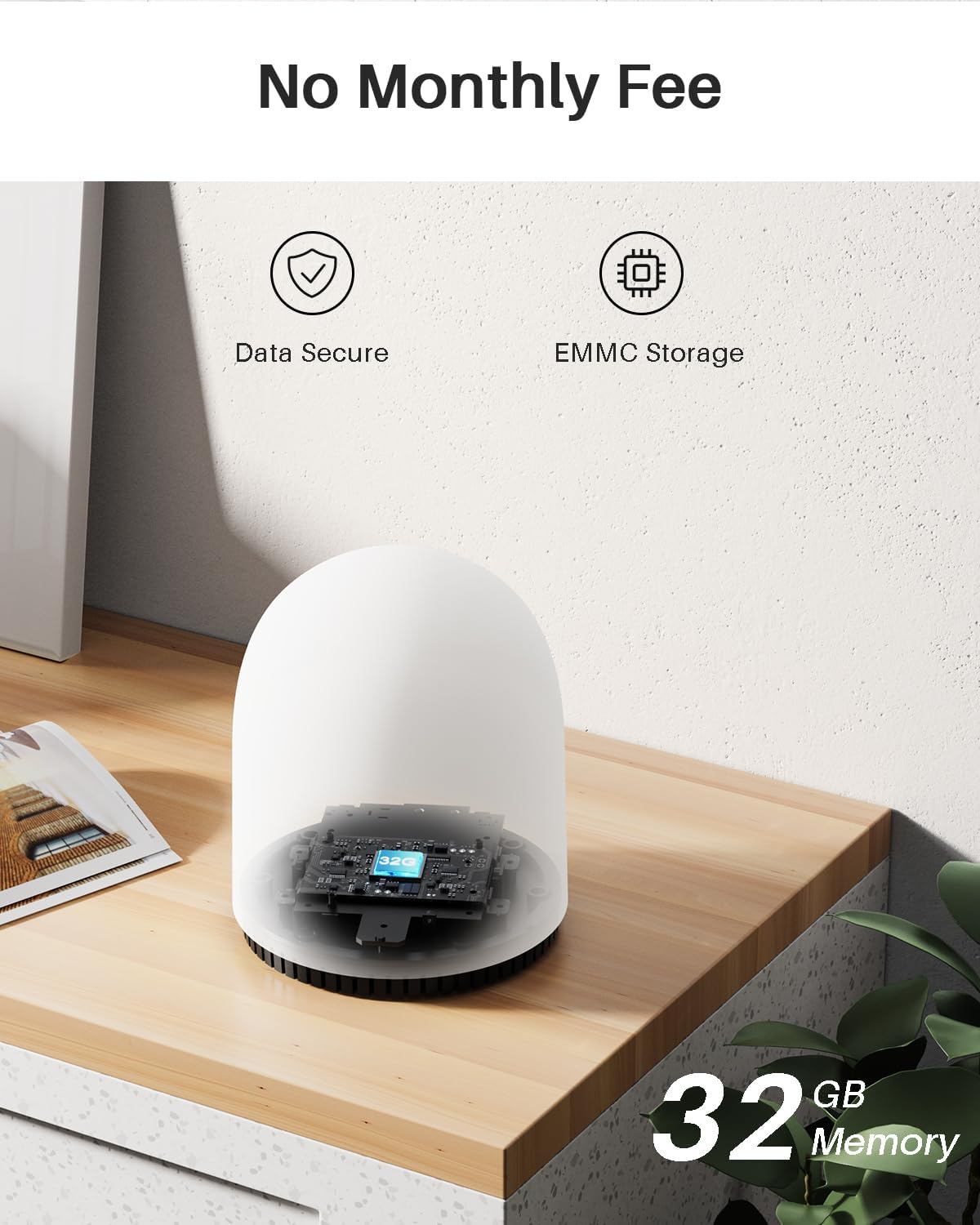
Some doorbell cameras support local storage through a microSD card or a compatible hub, which can reduce reliance on cloud video storage. Local storage keeps footage within your home network and can be attractive for privacy focused buyers, but it may not protect recordings if the doorbell itself is stolen or damaged. A balanced approach is to use local storage for day to day convenience while enabling a limited cloud subscription for critical security events.
Brands such as Ring, Google with its nest doorbell range, and Arlo with its Arlo Video doorbell each structure subscription tiers differently. Ring and Arlo Video plans often bundle multiple video doorbells and cameras, while Google focuses on tight integration with Google Assistant and the wider Google Home ecosystem. When you evaluate which doorbell best fits your needs, pay attention to whether features like smart motion detection, rich notifications on Amazon Alexa devices, and extended video storage are locked behind higher subscription levels.
Ecosystem choices: Ring, Google, Amazon Alexa, and more
Smart doorbells rarely operate alone, because they sit at the centre of a broader home security ecosystem. If you already use Amazon Alexa speakers or displays, a Ring video doorbell or another Amazon compatible doorbell camera will feel more natural, and you can answer the door with voice commands. People invested in Google Assistant and Nest displays often prefer a nest doorbell or other Google compatible video doorbells for seamless casting of live video to televisions and smart screens.
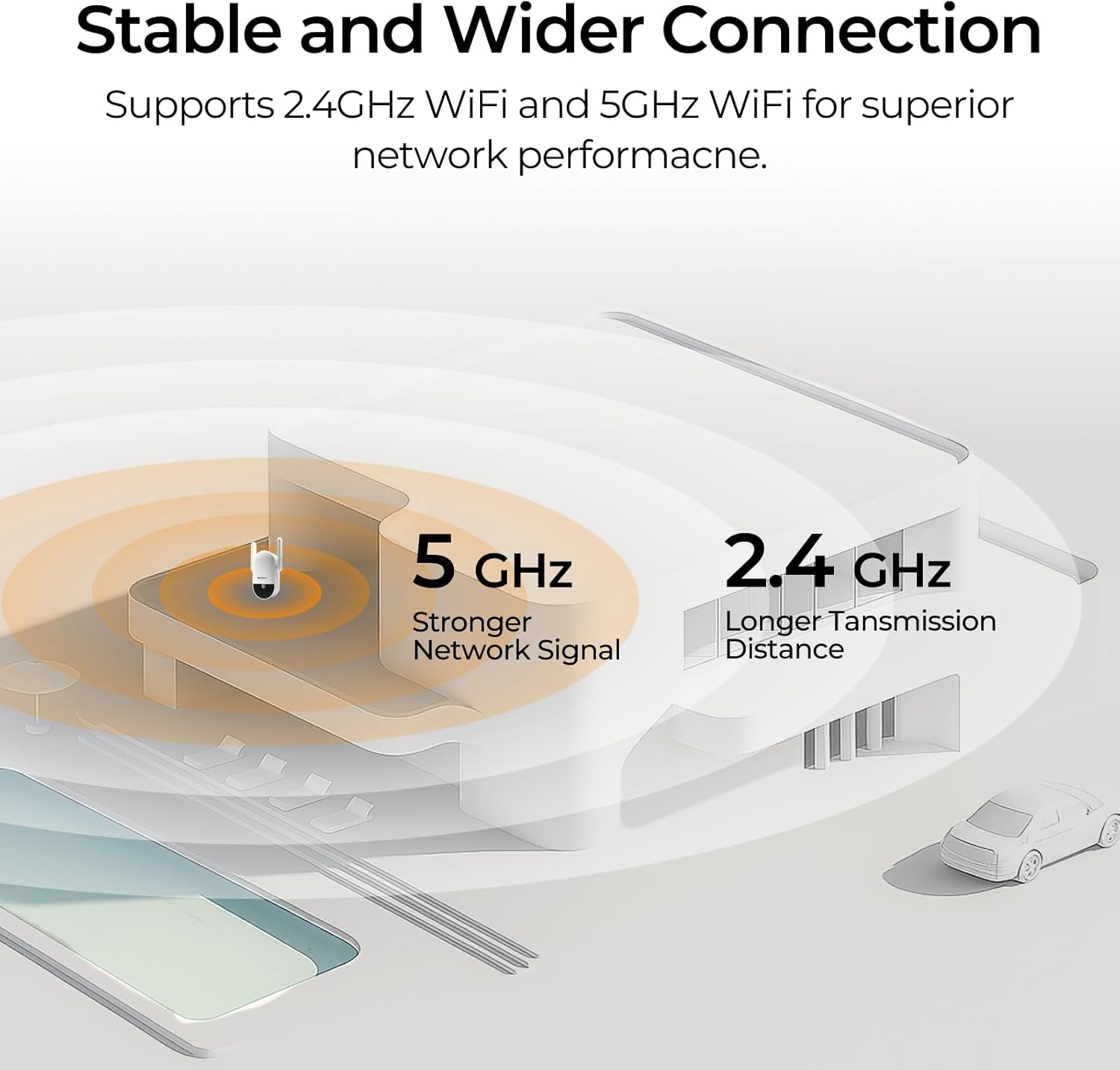
Dual band Wi‑Fi support is now common across major ecosystems, but integration depth still varies. Some doorbell pro models can trigger routines such as turning on porch lights when motion detection fires, while others only send basic notifications and video clips. When you compare the best smart doorbells with dual band Wi Fi, check whether they support both Amazon Alexa and Google Assistant, sometimes marketed as alexa google compatibility, if you plan to mix ecosystems.
Third party brands like Arlo, Eufy, and others offer strong alternatives to Ring and Google, often with more generous local storage options. An Arlo Video doorbell, for example, can integrate with both Amazon Alexa and Google Assistant while still offering flexible video storage choices. To understand how a technological house transforms your front door with smart video doorbells and how these ecosystems interact, you can read this detailed overview of connected video doorbell systems.
Image quality, field of view, and night performance
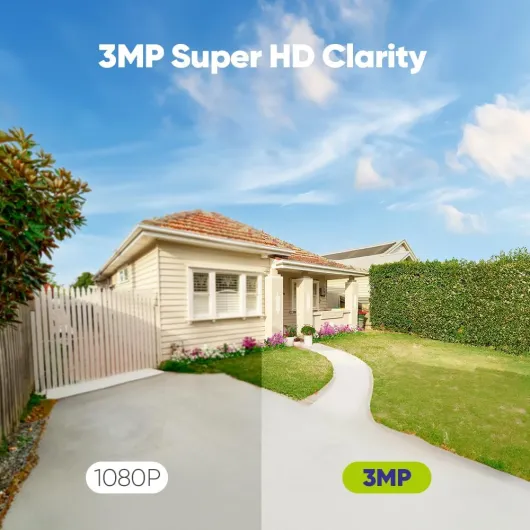
Image quality is not just about resolution numbers on a box. The best video from a smart doorbell depends on sensor size, lens quality, compression, and how well the camera handles low light at night. A wide field view helps you see visitors from head to toe and monitor parcels left close to the door.
Look for a doorbell camera that offers at least a 150 degree vertical or diagonal field view, because narrower lenses may cut off important details. Night vision performance is critical, and infrared based night video should still show clear faces at several metres without blowing out nearby objects, which is where better sensors and image processing matter. Dual band Wi‑Fi helps maintain a stable bit rate so that night footage does not become blocky or unusable when motion detection triggers recording.
Some premium doorbell pro models add colour night vision using low light sensors and built in LEDs. These features can make it easier to identify clothing colours or vehicle details in security incidents, especially when combined with reliable video storage and accurate motion detection zones. When you compare different doorbells, test how quickly the video stream loads on your phone and how smoothly it plays back over both Wi‑Fi bands, because real world performance often reveals more than specification sheets.
Practical buying guide for people seeking the best smart doorbells with dual band Wi‑Fi
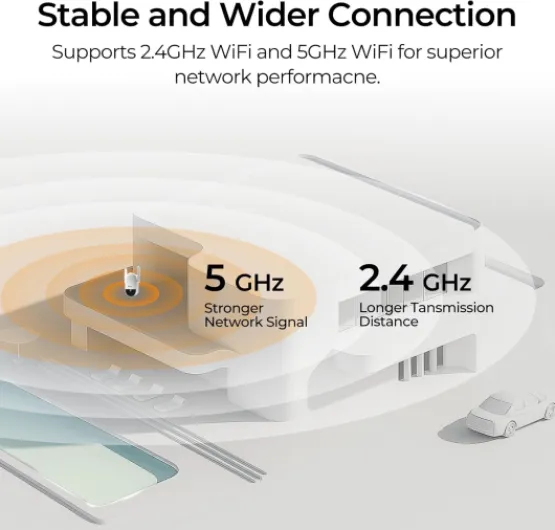
Choosing among many smart doorbells can feel overwhelming, so a structured checklist helps. Start by confirming that your router supports dual band Wi‑Fi and that the signal at your front door is strong enough for stable video, perhaps by testing with a smartphone speed test. If coverage is weak, consider a mesh Wi‑Fi system or a simple extender before investing in a premium video doorbell.
Next, decide whether a battery powered or wired doorbell suits your home and your DIY comfort level. Check if you already have a traditional doorbell transformer and chime, because that can make a wired doorbell installation straightforward and more reliable for continuous motion detection and recording. For renters or those without existing wiring, a battery doorbell with a plug in chime and strong dual band support is usually the best compromise.
Finally, weigh ecosystem and privacy considerations. If you rely heavily on Amazon Alexa, a Ring or other Amazon compatible doorbell camera will integrate more tightly, while Google Assistant users may lean toward a nest doorbell or similar Google friendly video doorbells. Pay close attention to subscription terms, local storage options, and how long video storage is retained, because these factors determine the long term value and security of your chosen doorbell cameras.
Key figures about smart doorbells and home security
- Market research from Strategy Analytics reported that smart home security devices, including smart doorbells and doorbell cameras, grew by more than 20 percent year over year, reflecting strong consumer interest in connected security.
- A study by Parks Associates found that over 40 percent of US broadband households consider a video doorbell to be a top priority smart home device, placing it ahead of many other cameras and sensors.
- Data from Ring and other major brands indicate that homes with active video doorbells receive motion alerts several times per day on average, which highlights the importance of accurate motion detection and efficient video storage.
- Consumer surveys published by the Consumer Technology Association show that more than half of smart doorbell owners subscribe to at least one cloud storage or security subscription, underlining the need to evaluate ongoing costs carefully.
- Independent testing by organisations such as Consumer Reports has shown that dual band Wi‑Fi support can reduce connection related video dropouts by a significant margin compared with single band models, especially in congested urban environments.