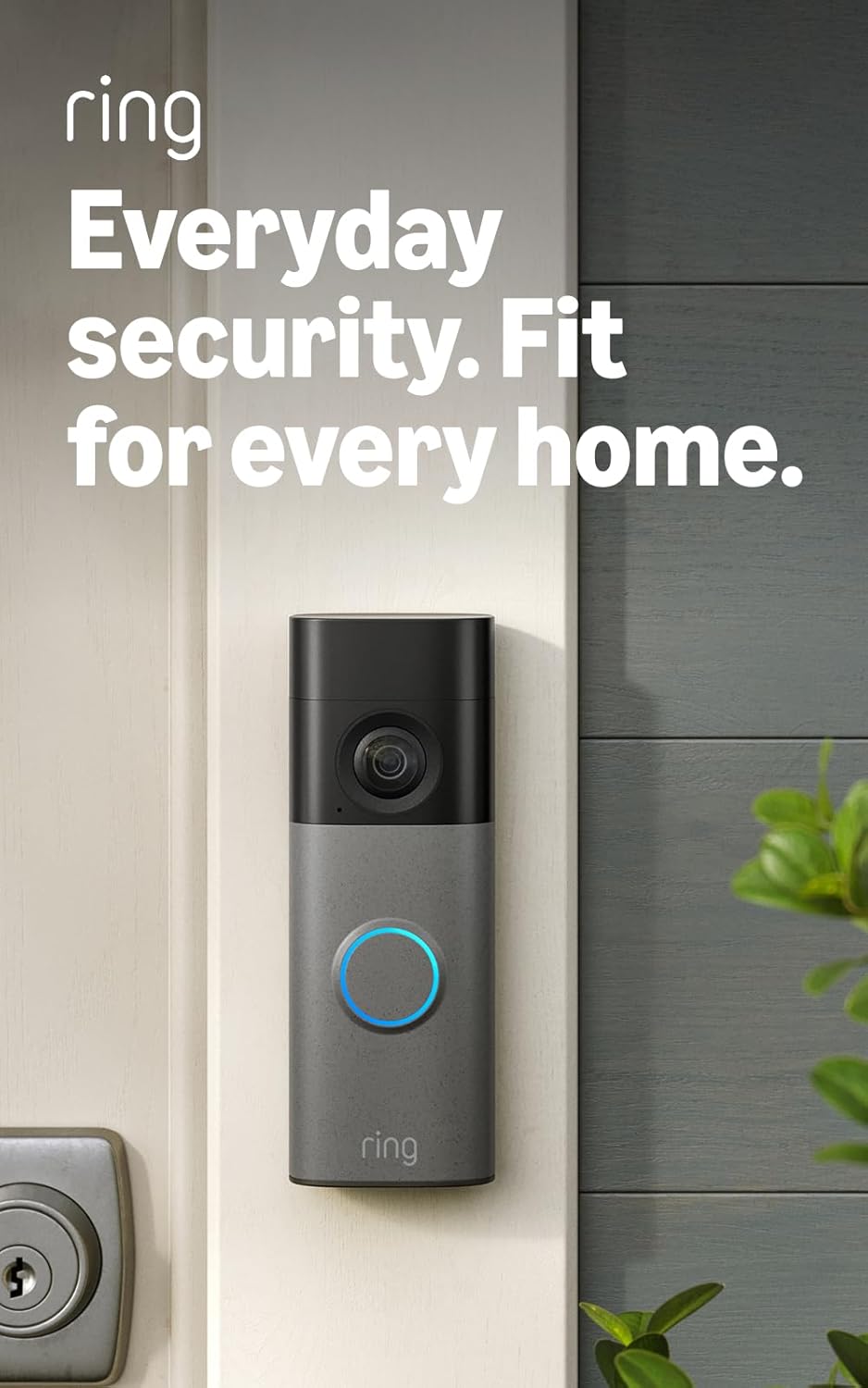
Security, privacy, and video storage choices that actually matter
Smart security starts with how your doorbell cameras handle and store your video. Every video doorbell captures sensitive footage of your entrance, neighbours, and sometimes the street, so you must understand where that video storage lives and who can access it. The best easy install smart doorbells explain clearly whether they use local storage, cloud storage, or a mix of both.
Cloud storage is convenient because your video clips stay safe even if the doorbell is stolen, but it usually requires a monthly subscription. Before you commit, compare what each subscription includes, such as how many days of video history, how many cameras are covered, and whether advanced features like smart person detection are locked behind higher tiers. For instance, in 2024 typical entry plans from major brands offer around 30 days of event history for a single camera, while higher tiers extend this to 60 days or more and add rich notifications. These figures are drawn from published plan details from major providers such as Ring, Google Nest, and TP-Link.
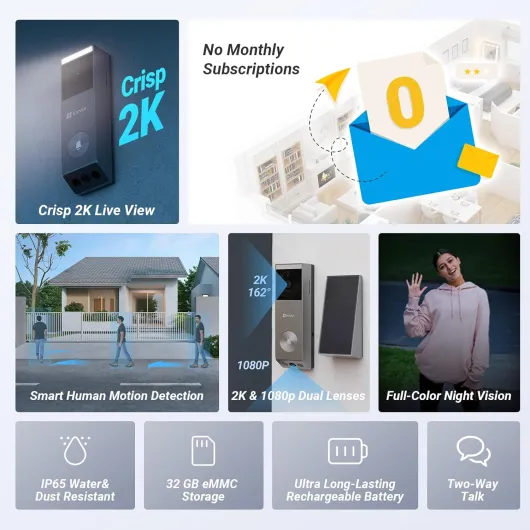
Local storage on a base station or microSD card avoids recurring fees, yet it demands more attention from you. You must check that the local storage capacity matches your recording habits, especially if your doorbells watch a busy street with constant motion. When evaluating the best easy install smart doorbells, look for clear tools in the app to manage storage, delete old clips, and export important video for police or insurance when needed.
Security updates are as important as video quality for any smart doorbell. Choose brands with a track record of patching vulnerabilities quickly and communicating openly about risks, especially after high profile reports about IoT camera vulnerability news and what it means for smart doorbells. Avoid obscure products that offer impressive specs but no clear policy on software support, because an unpatched wired or wireless doorbell can become a weak point in your home network.
Privacy controls should let you limit who can view your live feed and recordings. Check whether the app supports multiple user accounts with different permissions, and whether you can mask parts of the field of view to avoid filming neighbours’ windows. When you read independent security analyses or manufacturer white papers, focus on whether the smart platform encrypts video in transit and at rest, and whether the company shares data with third parties beyond what is necessary to run the service.
Power, connectivity, and reliability in real world conditions
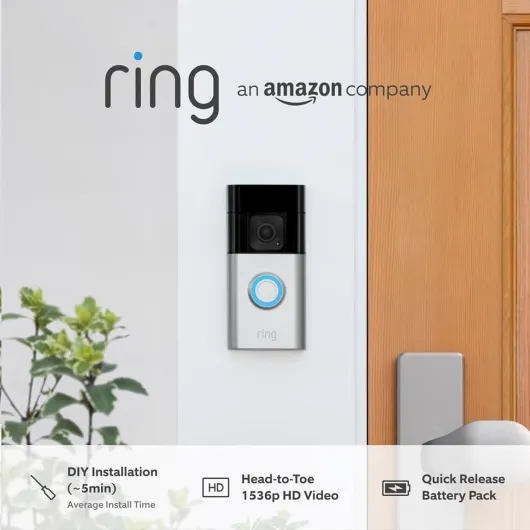
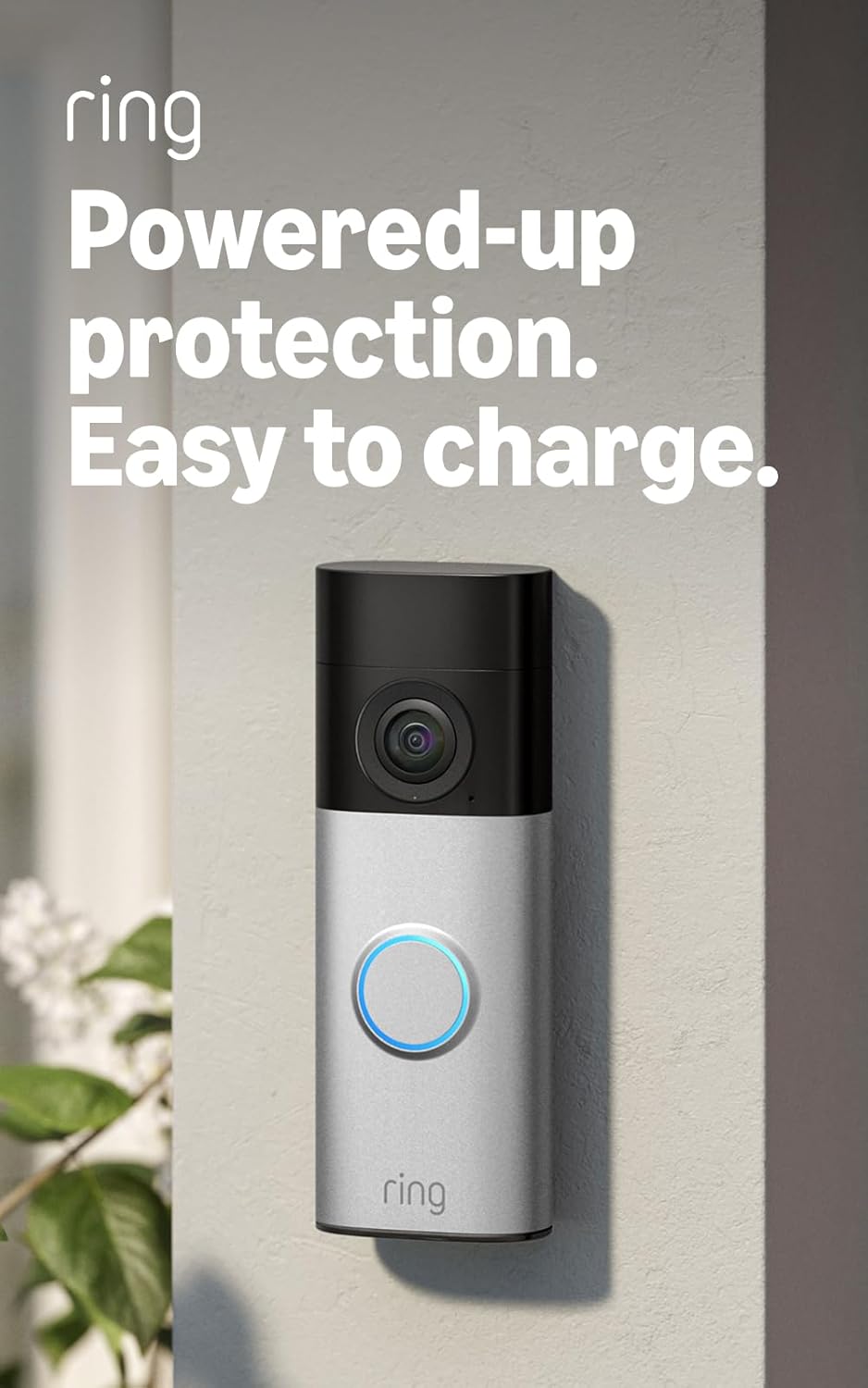
Power and connectivity determine whether even the best easy install smart doorbells stay reliable after the first week. A battery powered video doorbell offers flexible placement, but you must plan for recharging or swapping batteries every few months depending on motion activity. For example, in long term tests a Ring Battery Doorbell Plus typically lasts around 90 to 120 days between charges in moderate traffic, while a busy urban entrance can shorten that to roughly 45 to 60 days. If you prefer a set and forget approach, a doorbell wired to your existing transformer can deliver constant power as long as the wiring meets the manufacturer’s voltage requirements.
Wi Fi stability is just as critical as power for any smart doorbell camera. Before you mount the product, test your signal strength at the door with your phone, because thick walls or metal doors can weaken the connection and cause delayed video or missed notifications. Some brands now support dual band Wi Fi, which can improve performance for doorbell cameras installed far from the router.
Households in areas with frequent internet outages may want to look at how IoT SIM cards keep smart doorbells online and secure through cellular backup. This approach is still rare in consumer doorbells, but it is becoming more common in professional security systems that combine cameras, sensors, and smart hubs. If you rely heavily on remote access, consider whether a model with optional cellular connectivity or robust local recording is worth the extra cost.
Weather resistance is another point where marketing claims and reality sometimes diverge. When you read long term tests, such as reports on smart doorbells after harsh winters and what actually fails first, pay attention to how rubber seals, buttons, and battery compartments hold up under rain, snow, and heat. A doorbell that survives years of temperature swings without water ingress is often a better investment than a cheaper alternative that needs replacement after one bad season.
Latency, or the delay between someone pressing the doorbell and your phone ringing, can vary widely between brands. Look for reviews that measure this delay in seconds, and avoid models where the app routinely opens the live view several seconds after motion starts. In independent 2023 testing by publications such as Wirecutter and Consumer Reports, for example, the Google Nest Doorbell (battery) often connected in about 2 to 3 seconds, while slower budget models stretched beyond 6 seconds. For many people, the best easy install smart doorbells are those that balance strong Wi Fi performance, efficient battery use, and responsive notifications without demanding constant troubleshooting.
Smart ecosystems, voice assistants, and everyday usability
Smart home integration can turn a simple doorbell into a central part of your daily routine. If you already use Amazon Alexa speakers, a video doorbell that works with Amazon Alexa lets you say “show me the front door” and instantly see the live video on an Echo Show. For households that prefer Google Assistant, choosing a Nest doorbell or another compatible model ensures that your voice commands and routines feel seamless.
Many of the best easy install smart doorbells now support both Amazon Alexa and Google Assistant ecosystems, but the depth of integration still varies. Some doorbells only allow basic announcements when someone presses the button, while others support two way talk, motion alerts, and even automation such as turning on porch lights when the doorbell detects movement. Check the product details carefully to see which features work with your chosen assistant, and whether any require a paid subscription.
App design is often overlooked, yet it shapes how you experience your smart doorbell every day. A clear timeline of events, quick access to live view, and simple controls for sharing video clips make the difference between a gadget you enjoy and one you ignore. When you compare doorbells, look for screenshots or demos that show how easy it is to adjust motion zones, change notification settings, and manage multiple cameras from one screen.
Some brands add extra features such as package detection, familiar face recognition, or integration with smart locks. These tools can be valuable, but they also raise questions about data handling and long term support, especially when they rely on cloud processing. Before you pay extra, decide whether these smart features genuinely improve your daily security or simply add complexity to a system that should remain straightforward.
Voice control is helpful, yet it should never be the only way to operate your doorbell camera. Ensure that the physical button is easy to press, that visitors can see the camera and microphone clearly, and that the chime volume suits your home layout. In practice, the best easy install smart doorbells blend reliable hardware, intuitive apps, and flexible voice options without locking you into one narrow way of using them.
Key features that define the best easy install smart doorbells
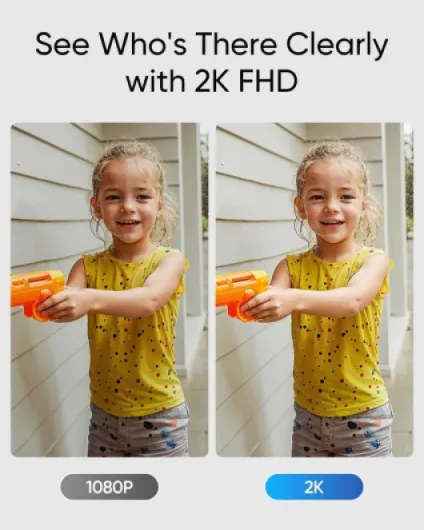
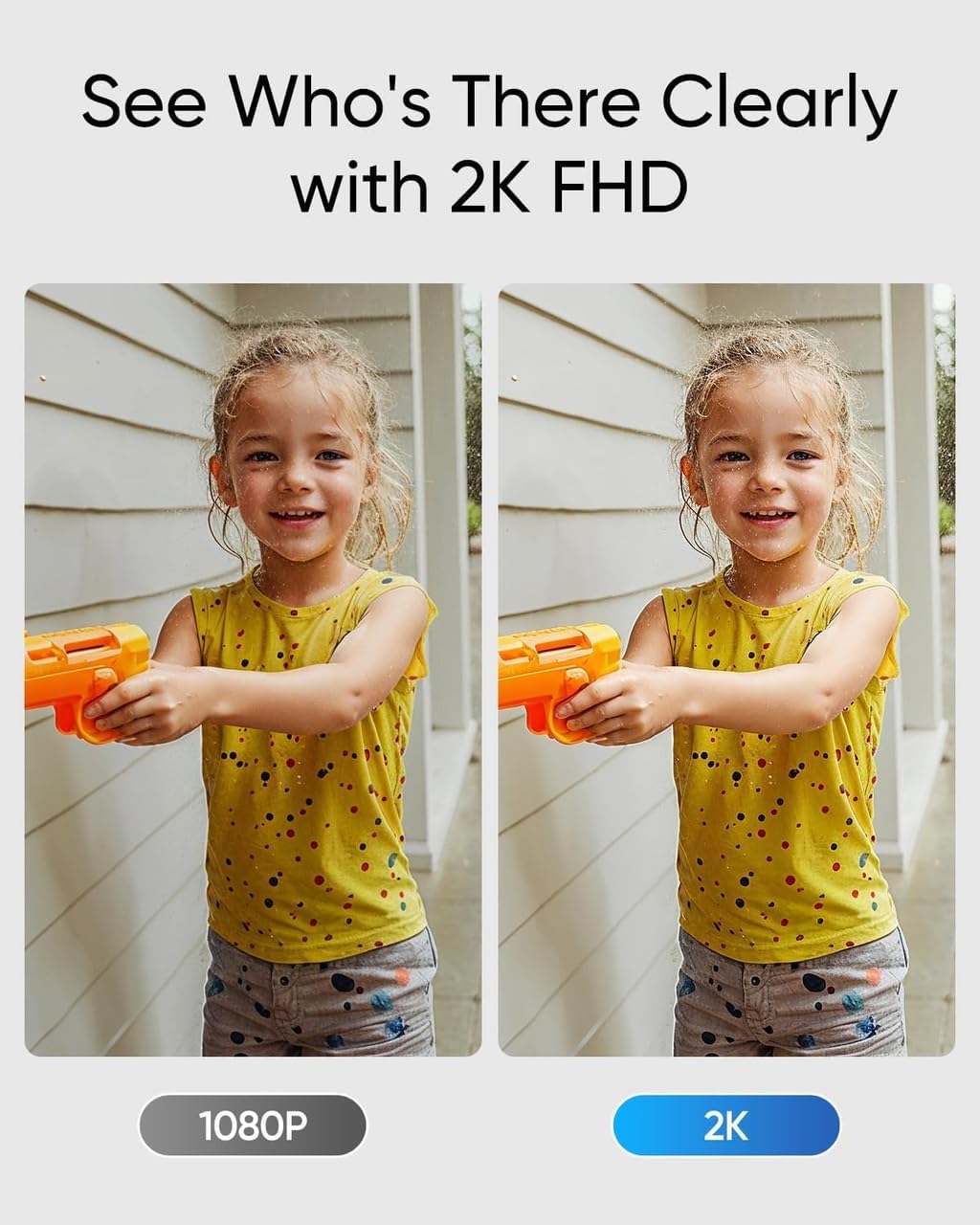
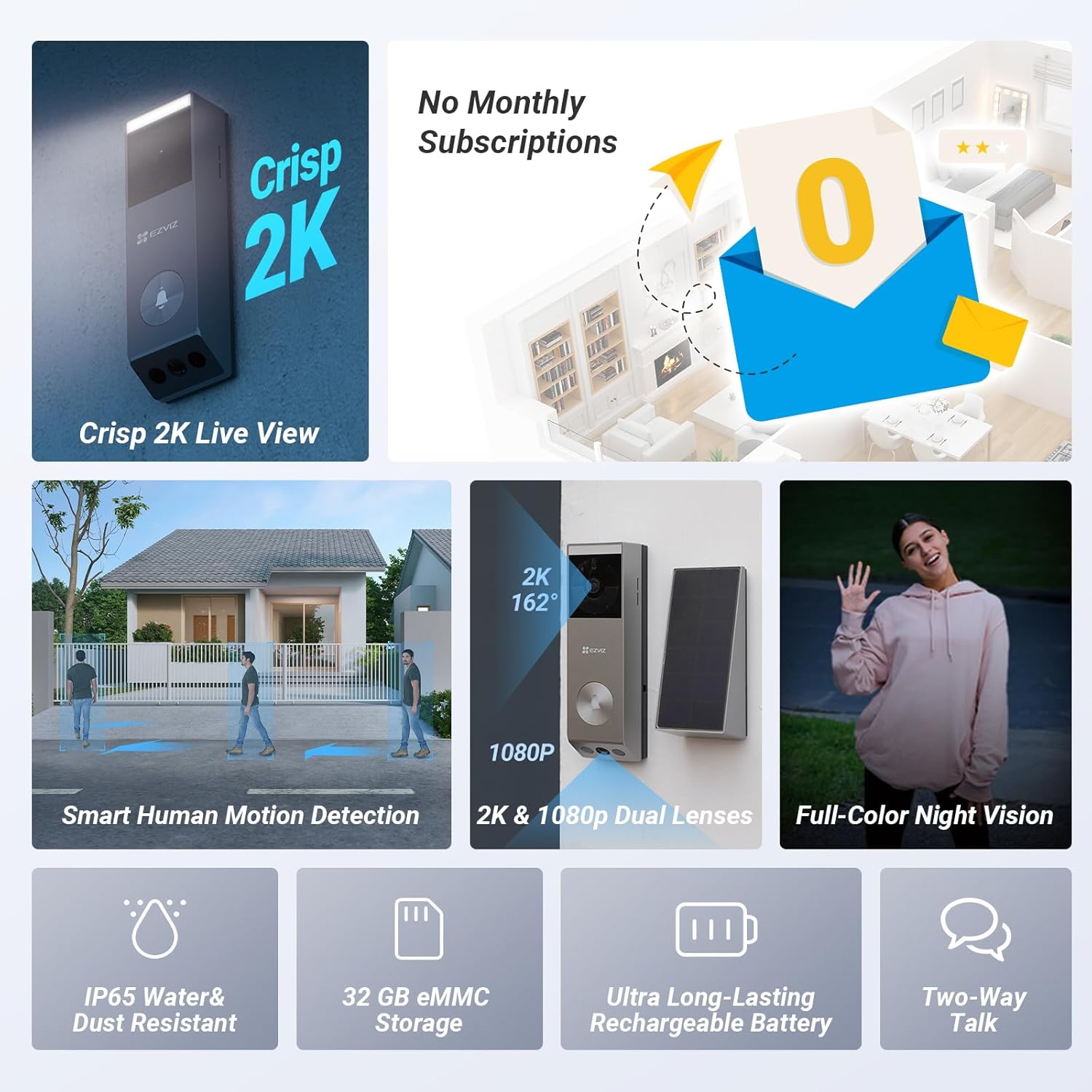
Several technical features consistently separate the best easy install smart doorbells from the rest of the market. Resolution matters, but so does how the camera handles contrast, backlighting, and fast motion when someone walks quickly toward your door. Look for at least full HD video with high dynamic range, because this combination helps you see faces clearly even when the sun sits behind the visitor.
Field of view is another crucial specification that deserves careful attention. A wider field of view lets your doorbell cameras capture parcels on the ground, side entrances, and multiple visitors at once, but an excessively wide lens can distort faces at the edges. Aim for a balanced field of view that covers your porch without wasting pixels on the sky or pavement, and check sample clips rather than relying only on numbers.
Night vision performance often reveals how serious a brand is about real security. Infrared night vision should provide enough detail to recognise clothing and faces at typical doorstep distances, not just vague silhouettes. In 2023 testing, for example, 1080p models such as the TP-Link Tapo D230S1 produced usable detail at around 10 feet in near darkness, while older 720p doorbells struggled to show facial features clearly. Some models now add colour night vision using low light sensors and gentle illumination, which can make identification easier without blinding visitors.
Two way audio quality is just as important as video clarity for a smart doorbell. Test whether the microphone and speaker handle street noise, wind, and echoes from porches or stairwells, because poor audio can make conversations frustrating. The best easy install smart doorbells minimise lag between speech and response, allowing natural exchanges with couriers and guests.
Finally, consider how the product handles notifications and event filtering. Features such as person only alerts, adjustable motion zones, and quick response messages help you manage frequent activity without feeling overwhelmed. When a doorbell offers these tools in a simple interface, it becomes easier to treat it as a reliable part of your home security rather than another demanding gadget.
Comparing popular models, subscriptions, and long term value
When you compare the best easy install smart doorbells, you quickly notice how pricing structures differ. Some brands sell the hardware at an attractive price but rely heavily on subscription revenue for cloud storage and advanced analytics. Others charge more upfront yet include generous local storage options or limited free cloud recording that may suit smaller households.
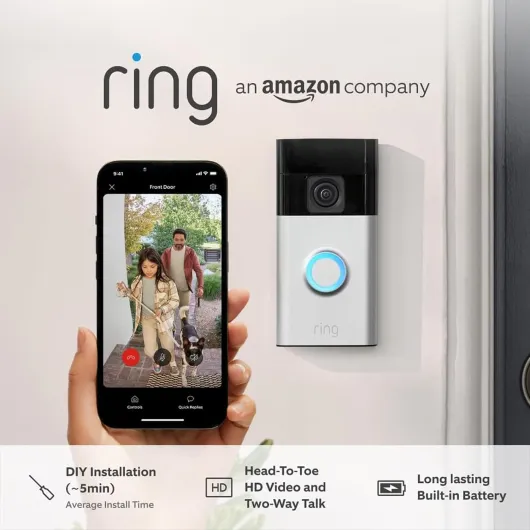
For example, a Tapo video doorbell with local storage on a hub can appeal to buyers who dislike recurring fees, while a Nest doorbell that leans on cloud storage may suit those who value advanced smart detection features. Amazon’s own video doorbells integrate tightly with Amazon Alexa and often receive prominent placement on Amazon listings, but you should still read beyond the star rating to understand how each model behaves in daily use. Pay attention to whether features such as person alerts, rich notifications, and extended video history require extra payments.
Battery life is a major part of long term value for any battery powered wireless doorbell. Manufacturers often quote optimistic figures based on light usage, so look for independent tests that measure performance in busy urban settings with frequent motion events. In 2023, for instance, Consumer Reports and similar testers found that typical battery powered models ranged from roughly 60 to 180 days of real world runtime, depending on temperature and traffic. If you live in a cold climate, remember that low temperatures can shorten battery life, making a wired option more attractive despite the extra installation effort.
Some technical terms in product listings can confuse buyers, such as CLS fill or obscure references to compression standards. Focus instead on clear metrics like resolution, field of view, supported Wi Fi bands, and whether the doorbell supports both local storage and cloud backup. When a brand explains these points plainly, it usually signals a more transparent approach to customer communication.
To make comparisons easier, the table below summarises three representative options and how they typically balance installation, storage, and subscriptions based on publicly available specifications and plan descriptions.
| Model example |
Power & install |
Storage approach |
Voice ecosystem |
Subscription impact |
| Ring Battery Doorbell Plus |
Battery, simple mounting; optional wiring |
Cloud recording only |
Strong Amazon Alexa support |
Ring Protect plan needed for history and smart alerts |
| Google Nest Doorbell (battery) |
Battery or wired; easy retrofit |
Cloud first with limited free clips |
Deep Google Assistant integration |
Nest Aware extends history and familiar face detection |
| TP-Link Tapo D230S1 |
Battery with hub; straightforward install |
Local hub storage with optional cloud |
Works with Amazon Alexa and Google Assistant |
Subscription mainly for extended cloud backup |
Ultimately, the best easy install smart doorbells are those that fit your home layout, your tolerance for subscriptions, and your expectations for reliability. Take time to jump into details such as warranty length, support channels, and how often the company updates its apps. A slightly higher initial price can be justified if the doorbell delivers stable performance, strong security practices, and a user experience that still feels modern several years after installation.
Statistics that shape the smart doorbell market
- According to research by Strategy Analytics, global shipments of video doorbells exceeded 8 million units in 2019, reflecting rapid adoption as prices fall and wireless doorbell options improve. This figure is reported in Strategy Analytics’ 2020 smart home device shipment summaries.
- A 2022 survey by Parks Associates reported that more than 40 percent of US broadband households with a smart home device consider a doorbell camera a top priority for future purchases, highlighting the perceived security value of front door monitoring. The statistic comes from Parks Associates’ smart home buyer intention studies.
- Consumer testing by organisations such as Consumer Reports in 2023 has shown that models with at least 1080p resolution and high dynamic range can improve facial recognition accuracy by more than 25 percent compared with older 720p doorbells in mixed lighting conditions. This improvement is based on aggregated lab comparisons of image clarity and identification scores.
- Data from multiple insurers compiled between 2020 and 2023 indicate that homes with visible security cameras or video doorbells can experience burglary rates up to 20 percent lower than comparable homes without visible deterrents, although results vary by neighbourhood and overall security habits. These findings are drawn from insurer loss statistics and crime pattern reviews.
Trusted sources for further research
- Consumer Reports – independent testing and ratings for video doorbells and home security cameras, with updated rankings published annually. Their lab notes often explain how latency, image quality, and battery life are measured.
- Parks Associates – market research on smart home device adoption and consumer preferences, including recurring studies on security cameras and video doorbells. Their reports help explain why certain features, such as cloud recording, gain traction.
- Strategy Analytics – industry analysis on global shipments and trends in connected home products, with detailed smart home device reports released in recent years. These documents provide context for how quickly video doorbells are spreading worldwide.