Video quality, field of view, and night vision in bad weather
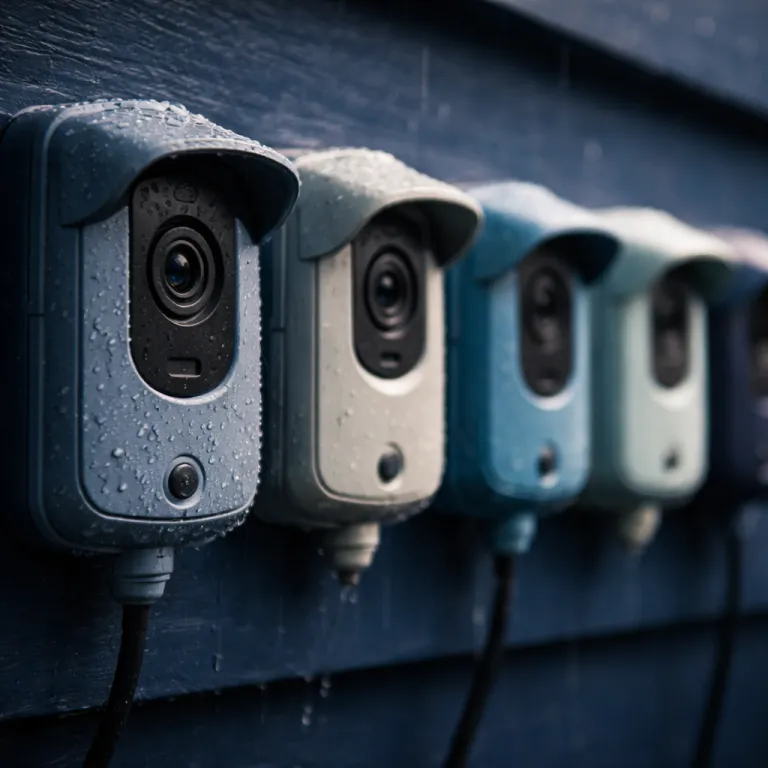
For the best weatherproof smart doorbells, image quality in rain or fog is just as important as resolution on a sunny day. A 2K or 4K video doorbell with a wide field view can capture faces and packages even when droplets cling to the lens, while lower resolution video doorbells often blur critical details. When you evaluate each doorbell camera, compare not only the pixel count but also the bitrate, HDR support, and how the camera handles strong backlight at the front door, such as bright driveways or streetlights behind visitors.
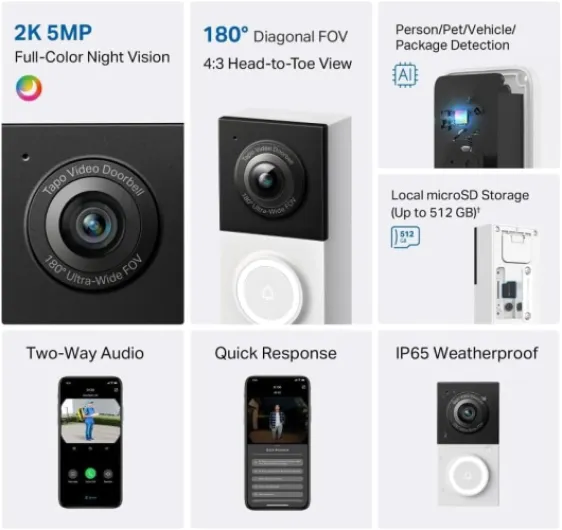
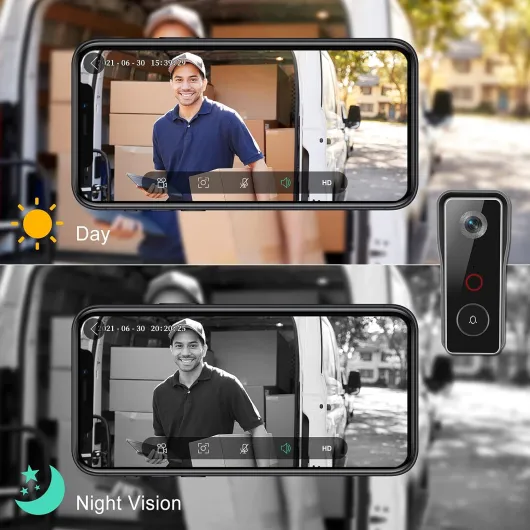
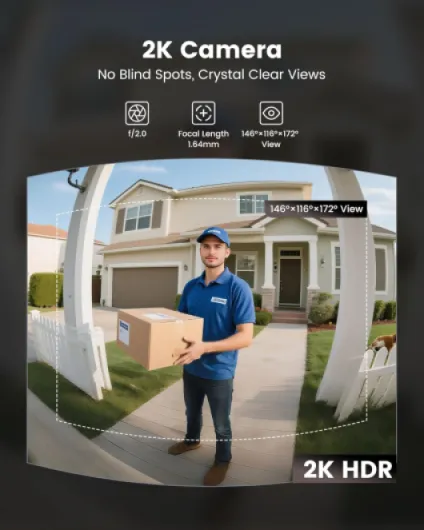
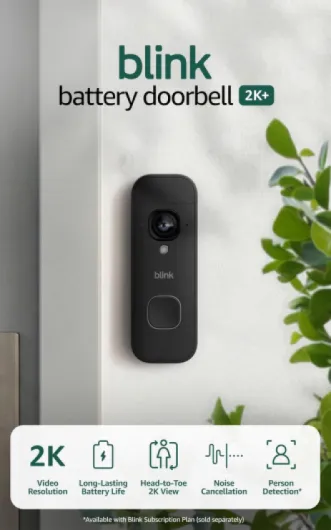
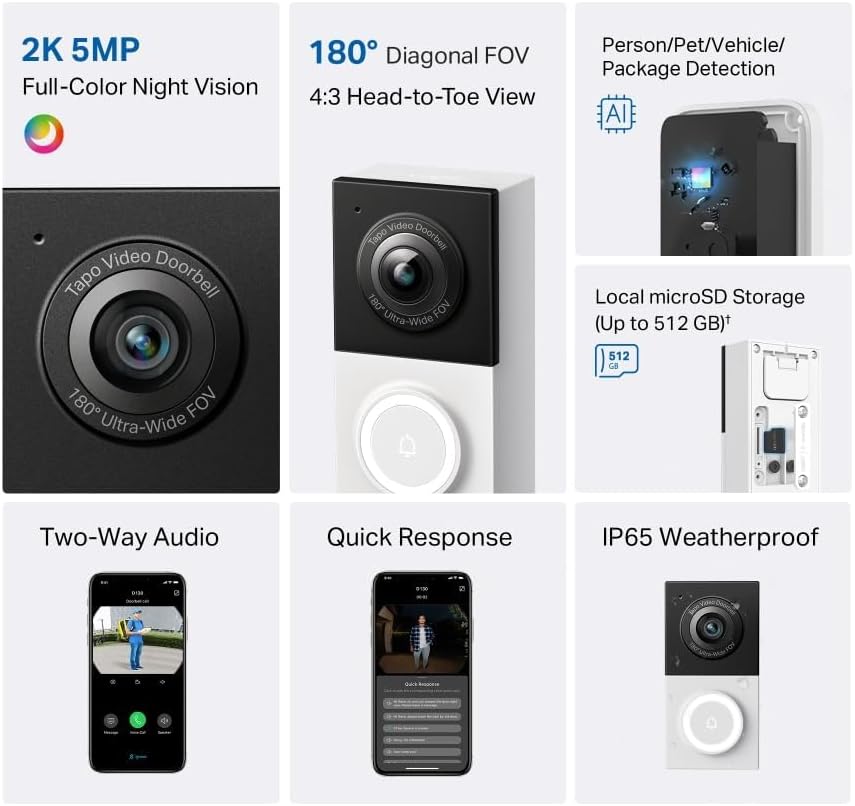
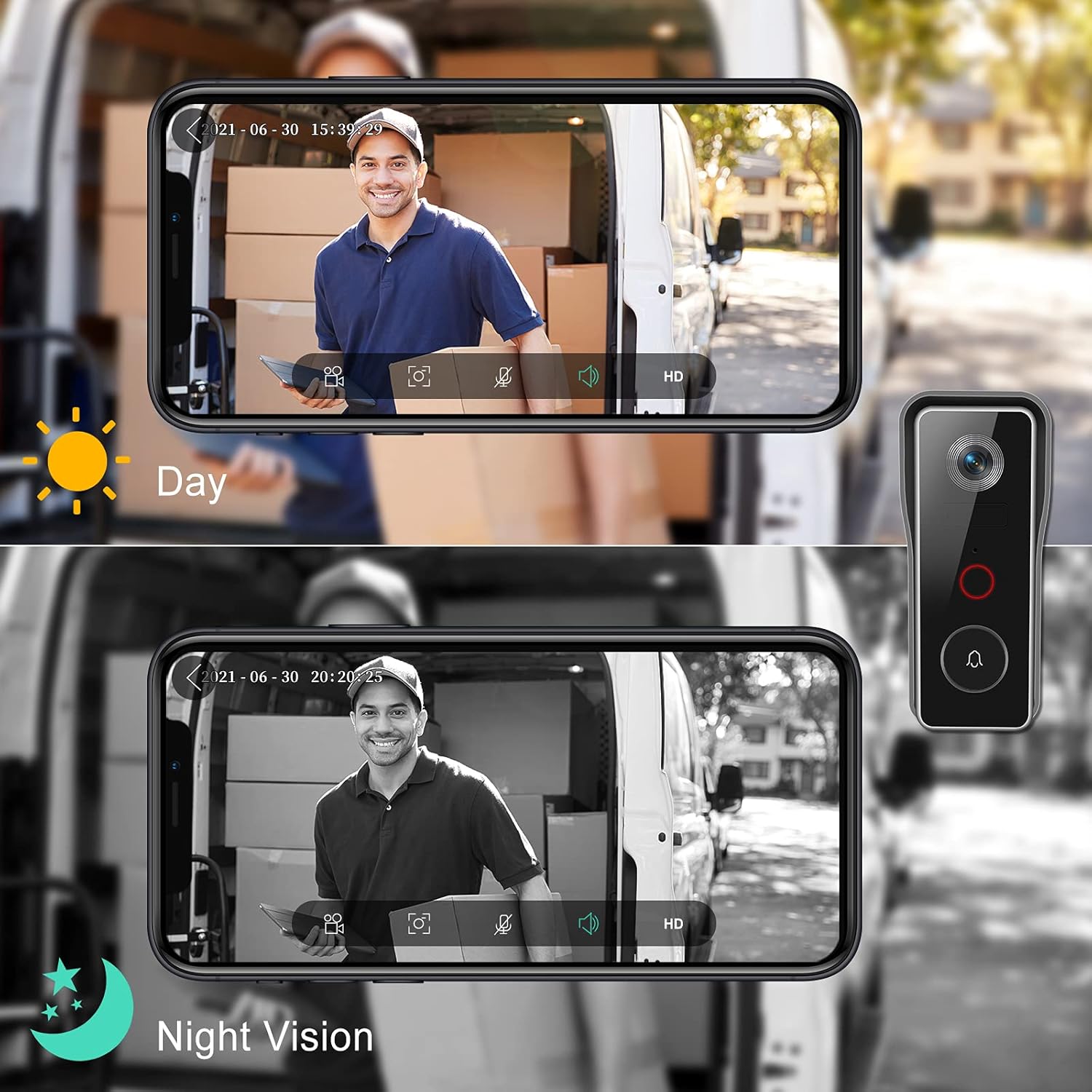
Night vision performance separates average doorbell cameras from truly smart security devices, especially in regions with long dark evenings. Infrared LEDs around the camera lens should illuminate at least 5 to 8 meters, and the best doorbell cameras combine this with HDR or color night vision to keep faces readable under porch lights. In third party tests published by home security reviewers, the Eufy Security Video Doorbell 2K (battery) produced legible faces at around 7 meters in low light, while some 1080p rivals lost detail beyond 4 meters. If you want a practical example of a high resolution video doorbell camera with strong night vision and flexible storage, examine this wireless 2K doorbell camera with head to toe view and compare its specifications to your current system.
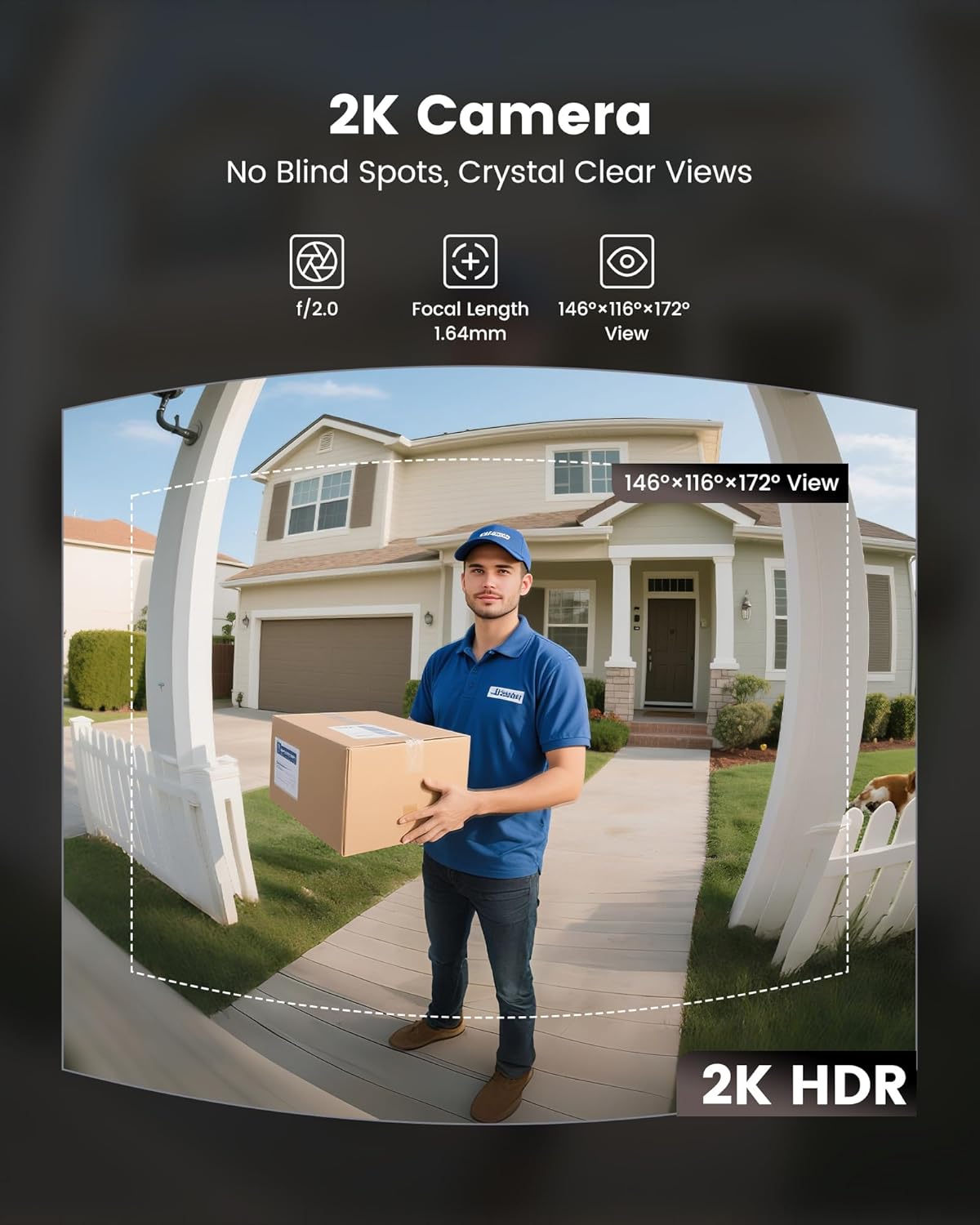
Field of view also influences how well a smart doorbell covers your front door and driveway in heavy rain. A vertical field view of around 150 degrees helps you see parcels on the ground, while a horizontal field view of 160 degrees or more reduces blind spots near the door frame. For example, the Google Nest Doorbell (battery) offers a 145° diagonal view optimized for head to toe framing, while the Ring Video Doorbell Pro 2 reaches 150° vertical coverage. When combined with reliable night vision and weather sealing, this wide coverage ensures your video storage contains usable footage even when storms, snow, or streetlights would normally obscure details.
Power options, batteries, and reliable performance in extreme climates
Weatherproofing is not only about the shell of the smart doorbell, because the power system must also cope with heat and cold. Battery powered doorbells such as a Ring battery model or other wireless doorbell cameras lose capacity faster in freezing temperatures, so check the specified battery chemistry and expected runtime at low temperatures. In moderate climates, many battery powered doorbells run for two to six months per charge, but independent cold chamber tests often show a 20 to 30 percent reduction in battery life at -10°C. Hardwired doorbells avoid some battery issues, yet they still need surge protection and sealed terminals to resist moisture at the front door.
When you compare the best weatherproof smart doorbells, ask whether the battery is removable, what the recharge time is, and how the doorbell behaves when the battery runs low. A removable battery in a Ring doorbell or similar device allows you to keep a spare charged indoors, which is especially useful in winter when outdoor charging is inconvenient and the smart security system must stay online. For wired installations, consider a doorbell pro model with a built in transformer and clear guidance on cable thickness, because undersized wiring can overheat in hot climates and reduce long term reliability.
Power stability also affects video storage and cloud connectivity, since frequent reboots can corrupt local storage or interrupt uploads to cloud storage. In long term tests described by specialist reviewers, doorbells with larger onboard capacitors and efficient power management experience fewer missed motion events during brief brownouts. To understand how embedded security and power design interact in modern doorbells, review this guide on embedded security strategies for smart doorbells at your front door and compare its recommendations with the specifications of your preferred models. A well engineered power system ensures that your doorbell cameras, whether battery powered or wired, keep recording and streaming video even when temperatures swing from freezing nights to hot afternoons.
Cloud storage, local storage, and subscription choices for smart security
Every weatherproof smart doorbell generates video clips and snapshots that must be stored somewhere, and your choice between cloud storage and local storage has long term cost implications. Many of the best weatherproof smart doorbells from brands such as Ring, Google Nest, and Tapo offer tiered subscription plans that unlock extended video storage, advanced motion detection, and smart alerts. Before you commit to any subscription, calculate how much video you need to retain, how many doorbell cameras you plan to install, and whether you prefer continuous recording or event based clips.
Cloud storage is convenient because your video doorbell uploads footage to remote servers, protecting it even if someone steals the doorbell camera from the front door. However, cloud subscriptions from Ring, Nest, or other providers can add up when you have multiple video doorbells or additional security cameras around the property. For example, a basic single camera plan may cost only a few dollars per month, but multi device packages can exceed the price of a large microSD card within a year. If you want to reduce recurring costs, look for smart doorbells with microSD card slots or network video recorder support, since these local storage options let you manage video storage on your own hardware while still integrating with cloud backups when necessary.
Hybrid systems that combine local storage with optional cloud storage often provide the best balance between resilience and cost. For example, a Tapo doorbell or linked Tapo camera can record to a local hub while also syncing critical events to the cloud, giving you redundancy without forcing a high tier subscription. Consumer research from J.D. Power, cited in smart home industry reports, has reported that buyers who use both cloud storage and local storage for their doorbell cameras often report satisfaction scores roughly 10 to 15 percent higher than those relying on a single storage method. When you evaluate the best weatherproof smart doorbells, treat storage architecture as a core security feature rather than an afterthought, because reliable access to past footage is essential when investigating suspicious activity at any door.
Smart assistants, app ecosystems, and interoperability with google and amazon
Modern weatherproof smart doorbells rarely operate in isolation, because they integrate with broader ecosystems from Google and Amazon. If you already use Amazon Alexa speakers or displays, a Ring doorbell or compatible doorbell camera will show live video on your Echo Show and announce visitors through voice alerts. Households invested in Google Nest devices may prefer a Nest Doorbell that streams directly to Nest Hub displays and ties into other Google Assistant automations, such as turning on porch lights when motion is detected.
When you compare the best weatherproof smart doorbells, check whether they support both Alexa and Google ecosystems, sometimes described as Alexa Google compatibility. A smart doorbell that works with Google Assistant, Amazon Alexa, and even Assistant Amazon integrations on third party hubs gives you more flexibility if you change platforms later. Some doorbell pro models also integrate with IFTTT or local home automation systems, allowing you to trigger lights, sirens, or cameras when someone presses the doorbell or when motion is detected near the door.
Interoperability extends beyond voice control, because app design and notification reliability strongly influence daily use. Look for smart doorbells whose apps provide clear video, quick access to video storage, and granular control over motion zones and privacy masks, especially when multiple doorbells or cameras share the same account. In hands on reviews, models that deliver alerts within two to three seconds of motion detection are consistently rated higher than those with longer delays. To understand how wireless frequency bands and network choices affect these integrations, study this analysis of how wireless bands shape smart doorbell security and ensure your router, doorbell cameras, and smart speakers all operate on compatible channels.
Choosing the right model for your front door and climate
Selecting the best weatherproof smart doorbells for your home starts with a clear assessment of your front door layout and local climate. If your entrance is exposed to driving rain or direct sun, prioritize a doorbell camera with a high IP rating, a metal mounting plate, and a wide field view that still captures visitors when they stand close to the door. In sheltered porches, you can focus more on video resolution, night vision quality, and how well the smart doorbell integrates with existing Google or Amazon ecosystems.
Apartment dwellers and renters often benefit from battery powered doorbells that avoid drilling and complex wiring, while owners of detached houses may prefer hardwired doorbell pro models with continuous power and more stable video streaming. When comparing Ring, Google Nest, and Tapo options, examine not only the headline features but also the long term costs of cloud storage, the flexibility of local storage, and the availability of accessories such as chimes and wedge mounts. A balanced choice will give you reliable security, clear video, and manageable subscription fees without locking you into a single vendor for every future camera.
For multi camera setups that include several video doorbells and additional outdoor cameras, plan your network capacity and storage strategy from the beginning. Ensure your router can handle multiple simultaneous video streams, and verify that each smart doorbell supports the same cloud storage or local storage platform to simplify management. By aligning climate resistance, power, storage, and ecosystem compatibility, you can build a coherent security system where every doorbell and camera reinforces the others rather than creating isolated islands of video.
Key statistics on smart doorbells and home security
- According to Parks Associates, more than 20 percent of broadband households in the United States now own at least one smart home security device, and video doorbells are among the fastest growing categories within that segment, reflecting strong consumer interest in front door monitoring.
- Research from Strategy Analytics reported that Ring and Google Nest together account for well over half of global video doorbell shipments, showing how dominant these ecosystems have become for consumers choosing the best weatherproof smart doorbells and related accessories.
- A study by the University of North Carolina at Charlotte on convicted burglars found that about 60 percent of offenders would choose another target if they noticed visible security cameras or a video doorbell at the front door, highlighting the deterrent effect of smart doorbells.
- Consumer surveys from J.D. Power indicate that buyers who use both cloud storage and local storage for their doorbell cameras report satisfaction scores roughly 15 percent higher than those relying on a single storage method, supporting the value of hybrid storage strategies.
- Energy efficiency tests by independent labs show that modern battery powered doorbells can often operate for two to six months on a single charge in moderate climates, although extreme cold can reduce battery life by up to 30 percent, especially for lithium ion packs mounted on exposed exterior walls.
Quick comparison of popular weatherproof smart doorbells
| Model |
IP rating |
Operating temperature |
Field of view |
Resolution |
Storage options |
Power |
Author verdict |
| Ring Video Doorbell 4 |
IP65 |
-20°C to 50°C |
160° horizontal (approx.) |
1080p HD |
Cloud recording via Ring Protect |
Battery or wired trickle charge |
Best for cold and wet climates where reliability and ecosystem support matter more than absolute resolution. |
| Google Nest Doorbell (battery) |
IP54 |
-20°C to 40°C |
145° diagonal, head to toe |
HD with HDR |
Cloud storage via Nest Aware |
Battery with optional wired power |
Ideal for Google centered homes that want smart alerts and strong integration in mild to moderate climates. |
| Ring Video Doorbell Pro 2 |
Weather resistant (similar to IP65) |
-20°C to 50°C (typical) |
150° vertical, 150° horizontal |
1536p HD+ |
Cloud recording via Ring Protect |
Hardwired |
Best high end choice for Ring users who want head to toe video, precise motion zones, and always on power. |
| Eufy Security Video Doorbell 2K (battery) |
Weather resistant housing |
Approx. -20°C to 50°C |
160° diagonal |
2K (2560 x 1920) |
Local storage via HomeBase, optional cloud |
Battery with optional wiring |
Best value for buyers who prioritize 2K detail and local storage over deep Alexa or Google integration. |
| Arlo Essential Video Doorbell (wired) |
Weather resistant front housing |
Approx. -20°C to 45°C |
180° diagonal |
1536p HD |
Cloud storage via Arlo Secure, hub based local options |
Hardwired |
Strong pick for hot climates and busy porches where a tall field of view and fast alerts are crucial. |
| Tapo video doorbell (representative models) |
Typically IP64–IP65 |
Approx. -20°C to 45°C |
Up to 160° diagonal |
1080p or 2K |
Local hub or microSD, optional cloud |
Battery or wired, model dependent |
Best budget friendly option for hybrid storage setups that mix local recording with selective cloud backup. |