Power, batteries and wiring in an apartment setting
Power is often the hardest part of installing a smart doorbell in an apartment. Many older buildings have a basic wired chime but cannot safely support a high‑demand video doorbell camera without an electrician. In those cases, a modern battery doorbell with a long‑lasting removable battery pack is usually the best product to buy.
Battery‑powered smart doorbells avoid drilling into shared walls and reduce landlord objections. A good battery doorbell model will offer at least two to three months of battery life with standard motion settings, even when recording high‑resolution video at night. For example, typical mid‑range devices advertise 60–90 days between charges in moderate climates. Some doorbell cameras also allow quick‑swap batteries, so you can keep a spare battery charged and minimise downtime for your apartment entrance security.
Cold stairwells and exposed entryways can shorten battery life in smart video devices. Independent tests of video doorbells in harsh climates, such as long New England winters, suggest that batteries and seals are usually the first components to fail under repeated freezing and thawing cycles rather than the camera sensor itself. For a deeper look at how smart doorbells cope with harsh weather over time, you can read this analysis of what actually fails first in winter tested models, which is especially relevant if your apartment door opens directly to the outside.
Video quality, night vision and field of view in tight corridors
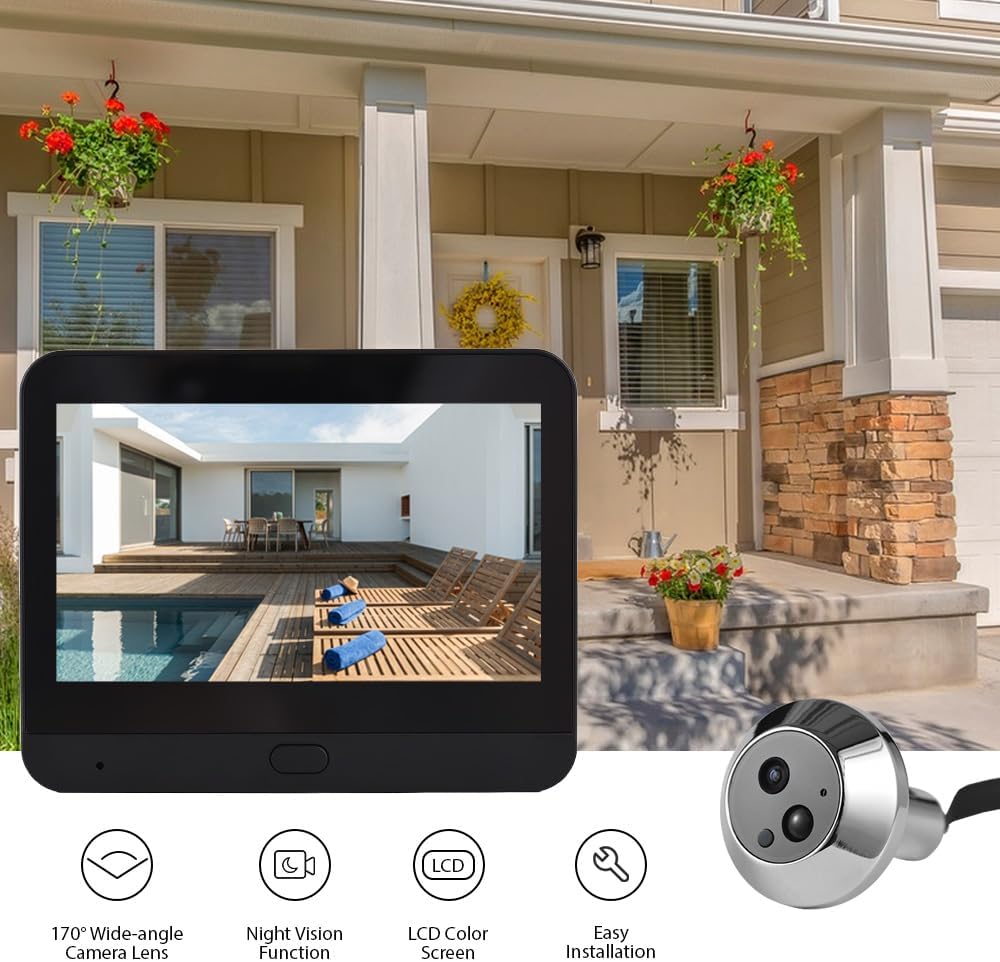
In narrow apartment corridors, the quality of the video and the field of view matter more than raw resolution. A wide‑angle doorbell camera can capture visitors standing close to the door, but an excessively wide field of view may also record neighbours passing by every few seconds. The best smart doorbells for apartments balance these needs with adjustable motion zones and smart video detection that focuses on people rather than every movement.
Night vision performance is critical because many apartment hallways are dim even during the day. Look for video doorbells with infrared night vision that keeps faces recognisable at two to three metres, instead of producing washed‑out silhouettes. Some doorbell cameras combine infrared with a small LED that activates only when motion is detected, which improves security while avoiding constant bright light in shared spaces at night.
For renters, it is also important to consider how video footage is stored and accessed. Models that support both cloud storage and local storage on a microSD card give you flexibility if you later move to another apartment or change internet providers. If you want to understand how embedded security strategies protect that stored video, this guide on embedded security strategies for smart doorbells explains how encryption and secure chips defend against tampering with security cameras at the front door.
Cloud storage, local storage and ongoing subscription costs
When you compare the best smart doorbells for apartments, storage is often the hidden cost. Many popular video doorbells from brands sold on Amazon rely on paid cloud storage plans to keep recordings beyond a short free period. Over several years in an apartment, those cloud storage fees can exceed the original price of the product, especially if you add multiple cameras.
Some smart doorbells, including several TP‑Link Tapo models and certain Nest Doorbell alternatives, now offer a choice between cloud storage and local storage. With local storage, the doorbell camera writes video clips to a microSD card or to a base station inside your apartment, which can reduce monthly costs while keeping security footage under your direct control. However, cloud storage still has advantages, such as off‑site backups if the doorbell is stolen or damaged.
Integration with Amazon Alexa and Google Assistant also affects how you access stored video. A smart video doorbell that works with both Amazon and Google ecosystems lets you ask a voice assistant to show the latest clip from your doorbell cameras on a compatible screen. For a broader view of how a technological house transforms your front door with smart video doorbells and storage options, you can consult this overview of front door smart video systems before you buy anything.
Ecosystems, apps and how your apartment life shapes the right choice
The best smart doorbells for apartments do not exist in isolation, they live inside an ecosystem. If you already use Amazon Alexa speakers or a Fire TV, choosing a video doorbell that integrates tightly with Amazon services will simplify daily use. On the other hand, residents who rely on Google Assistant displays or Nest security cameras may prefer a Nest Doorbell that keeps everything in one app.
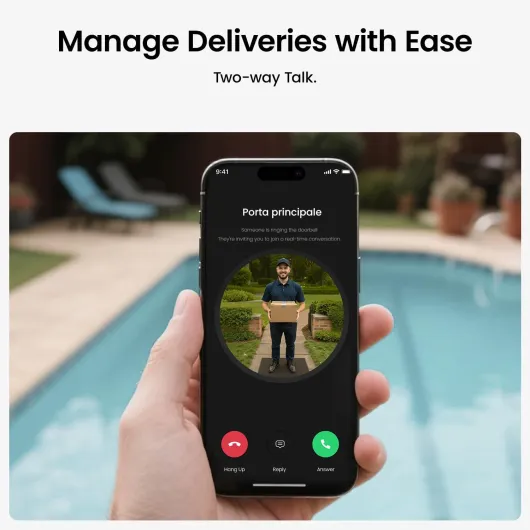
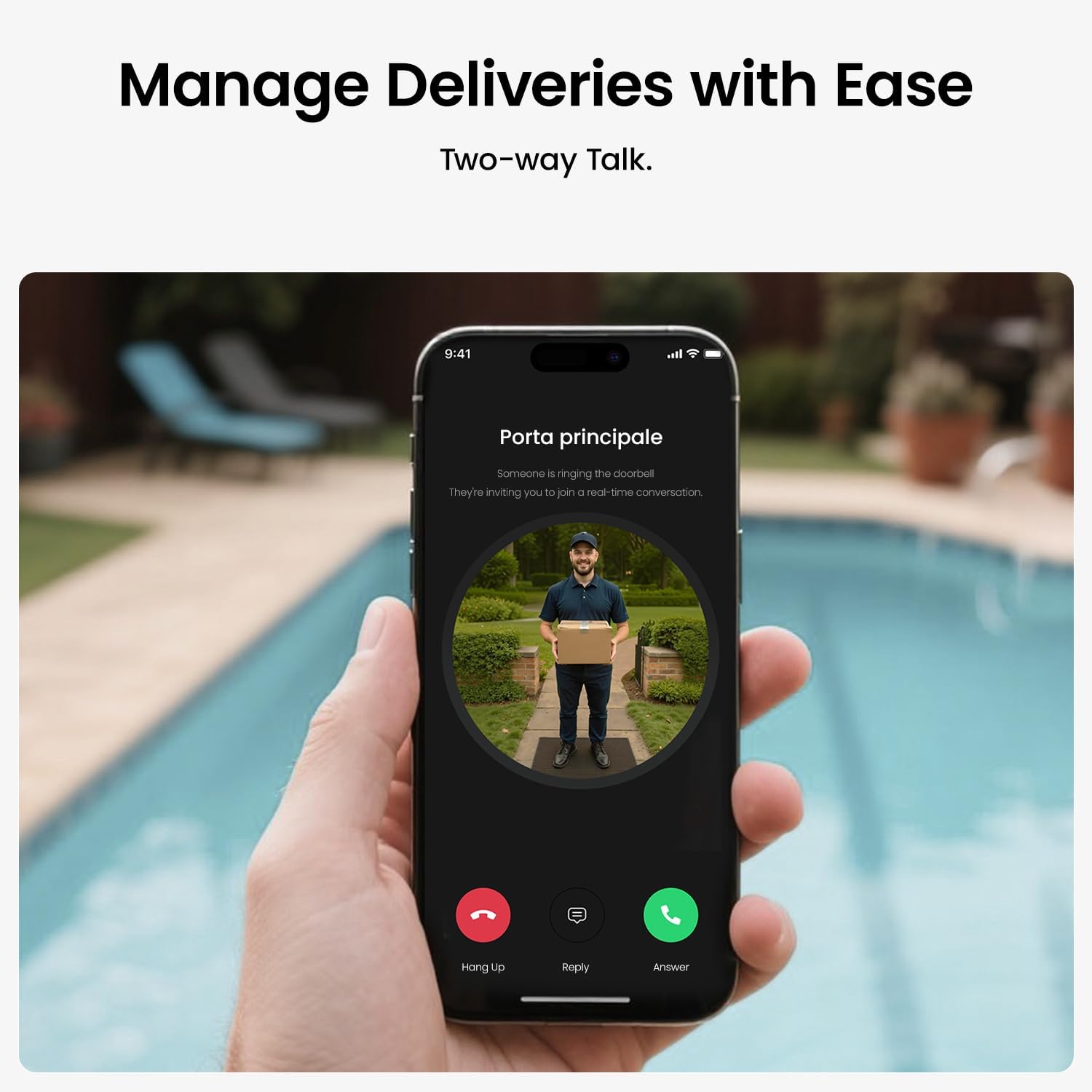
App design matters because apartment residents often manage deliveries, guests and building access remotely. A well‑designed smart doorbell app should show a clear live video feed, quick access to two‑way audio and simple controls for motion zones and night vision. Some apps from brands such as TP‑Link Tapo also allow you to link multiple doorbells and indoor security cameras, which is useful if your apartment has both a main door and a secondary entrance.
Think about how you actually live in your apartment before you buy a new doorbell. If you travel often, prioritise a product with reliable cloud storage and fast push notifications so you never miss a courier. If you work from home, a battery doorbell with quiet modes and precise motion detection will reduce unnecessary alerts while still maintaining strong security at your door.
Practical buying guide for the best smart doorbells for apartments
Turning all these factors into a buying decision can feel overwhelming. Start by listing your apartment constraints, such as whether you can access existing doorbell wiring or must rely on a battery‑powered model. Then decide how important advanced features like colour night vision, wide field of view and integration with Amazon Alexa or Google Assistant really are for your daily routine.
Next, compare storage and privacy options across several smart doorbells and video doorbells. If you prefer not to send every video clip to the cloud, prioritise models with robust local storage on a microSD card or a secure base station. If you are comfortable with cloud storage, check how long clips are kept, whether the subscription covers multiple doorbell cameras and whether you can easily download important security footage.
Finally, consider long‑term support and security updates before you buy any smart product. Established brands that sell through Amazon and major retailers usually maintain firmware updates for longer, which is crucial for a connected doorbell that guards your apartment entrance. As you compare camera quality, battery life and app reliability, remember that the best smart doorbells for apartments are those that quietly fit your building rules, your budget and your personal sense of security.
Key figures and market statistics for smart doorbells
- Industry analysts estimate that global shipments of smart video doorbells now exceed several million units per year, reflecting rapid adoption in both houses and apartments. Exact totals vary by research firm and methodology.
- Consumer surveys from firms such as Parks Associates consistently report that a large share of smart home security device owners choose a doorbell camera as their first outdoor product, highlighting its role as an entry‑level security upgrade rather than a niche gadget.
- Independent testing by organisations including Consumer Reports indicates that models with both local storage and cloud storage tend to reduce data loss incidents compared with cloud‑only devices, because recordings are preserved even if the internet connection fails temporarily.
- Energy use measurements from European efficiency studies suggest that a typical battery doorbell consumes well under 5 kilowatt hours per year, which keeps operating costs low even in small apartments and makes continuous monitoring practical.