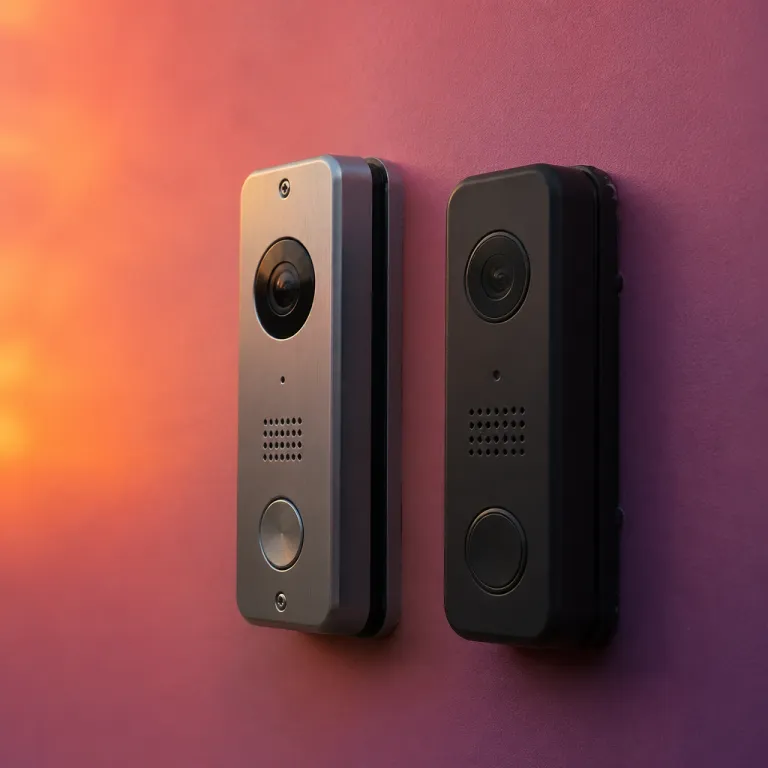
When a premium smart doorbell is actually worth it
A high-end smart doorbell only earns its price tag when the extra capabilities solve real problems at your front door. For many homeowners comparing a mid range doorbell camera with a flagship model, the price gap feels like a premium doorbell tax rather than a clear upgrade in everyday security. The question is not whether a premium smart doorbell is worth it in theory, but whether those added pixels, smarter alerts, and longer video storage meaningfully change how safe and informed you feel.
Take the step from a solid mid tier video doorbell to something like a Ring Battery Doorbell Pro second generation or a Nest Doorbell wired model. You pay significantly more for higher resolution video, a wider field of view (often 150–160 degrees diagonally instead of 120–130 degrees), stronger night vision, and deeper integration with platforms such as Amazon Alexa, Google Assistant, and sometimes Apple HomeKit. That extra spending only makes sense when you actually use the advanced motion zones, the smarter person and package detection, and the extended cloud storage or local storage options that separate premium smart doorbells from cheaper doorbells.
Many first time buyers assume the best video doorbells must be the most expensive doorbells on Amazon or in big box stores. In practice, the best smart doorbell for you depends on your wiring, your Wi Fi stability, and how you feel about ongoing subscription fees for video storage and cloud storage. Before paying the premium doorbell tax, map out whether you want a battery powered doorbell or a doorbell wired to your existing chime, how wide a field view you really need, and whether you prefer local storage on a microSD card or remote storage in the cloud.
4K versus 2K: what the extra resolution really buys you
Manufacturers love to sell 4K video as the main reason a premium smart doorbell is worth it, but resolution alone rarely transforms your day to day security. In testing across several recent models, the jump from a 2K video doorbell (typically 2560 × 1440 pixels) to a 4K doorbell camera (3840 × 2160 pixels) only became decisive when we tried to read license plates or identify faces beyond roughly eight metres in daylight. Inside typical porch distances of two to four metres, a well tuned 2K smart doorbell often delivered the best video balance between clarity, bandwidth, and battery life.
Premium models such as a Ring Battery Doorbell Pro second generation or a high end Eufy Video model pair 4K sensors with enhanced zoom claims, sometimes up to ten times digital zoom. That zoom can help you crop into a wide field of view, but it does not create new detail that the original camera sensor failed to capture, so you still need good lighting and strong night vision to recognise visitors. When you stream this higher resolution video to your phone through Amazon Alexa, Google Assistant, or a Nest smart display, remember that every extra pixel increases the demand on your Wi Fi and on any cloud storage or local storage system you use.
There is also a hidden cost to chasing the best video resolution in premium smart doorbells. Higher resolution video doorbells generate more data, which can push you toward a paid subscription for longer video storage, whether that is Ring Protect, Nest Aware, or a third party cloud storage plan. If you prefer to avoid subscriptions, look for premium doorbells that support local storage on a microSD card or a home hub, and weigh whether the extra resolution is still worth the premium doorbell tax once you factor in storage, bandwidth, and battery drain.
Doorbell cameras with robust local storage can narrow the gap between mid range and premium pricing when you calculate total cost of ownership over several years.
AI, subscriptions, and the real cost of smarter alerts
The second pillar of the premium doorbell tax is artificial intelligence, bundled with subscription plans that promise fewer false alerts and better security insights. A premium smart doorbell is worth it here only if you actually rely on advanced motion detection, rich notifications, and long term video storage for investigations or insurance claims. For many households, the free tier on a mid range video doorbell already covers basic motion clips and live view, making the jump to expensive subscriptions less compelling.
High end models such as Ring Battery Doorbell Pro or Nest Doorbell wired lean heavily on cloud based AI to classify people, packages, vehicles, and animals. These systems can send you a smart alert that says “package left at front door” instead of a generic motion ping, and they often allow quick video search across weeks of recordings stored in cloud storage. The trade off is that you are paying both the upfront premium for the doorbell camera and an ongoing subscription for the AI features and extended video storage that make the premium smart doorbell worth it for busy households.
Some brands, including several Eufy Video doorbells, push back against this model by offering local storage and on device AI, which reduces reliance on cloud servers and recurring fees. If you choose a premium smart doorbell with strong on device processing, you can often keep your clips on a local hub or microSD card while still enjoying smart alerts through Amazon Alexa, Google Assistant, or even Apple HomeKit. For readers who care about night time performance, a guide to top video doorbells with strong night vision can help you judge whether AI powered enhancements or pure image quality matter more at your front door.
Power, wiring, and the hidden costs of going premium
Power is where many buyers feel the premium doorbell tax most sharply, because higher end cameras often demand more from your wiring or your battery. A premium smart doorbell is worth it only if you understand how its power needs fit your home, whether you choose a battery powered unit or a doorbell wired to an existing transformer. Extra resolution, wider field view, and always on pre roll video all increase energy use, which can shorten battery life or expose weaknesses in older wiring.
Battery powered premium smart doorbells offer flexible installation but require realistic expectations about charging cycles. A 4K video doorbell with aggressive motion detection and frequent live view sessions through Amazon Alexa or Google Assistant can drain its battery much faster than a simpler 2K model, especially in cold climates. In independent lab style tests using controlled motion events and fixed temperature ranges, typical battery powered units lasted around 30–45 days at 10–15 events per day, while higher resolution models with similar usage often dropped closer to three weeks between charges. If you do not want to climb a ladder every few weeks, consider a wired doorbell camera or a hybrid design that uses wiring for trickle charging while still keeping a backup battery inside the unit.
Wired premium doorbells, including many Nest Doorbell wired and Ring Doorbell wired variants, can deliver more consistent performance but may require a new transformer or professional installation. That extra installation cost is part of the real premium doorbell tax, even if the product price on Amazon looks competitive at first glance. As a rough example, a £220 doorbell plus a £70 annual subscription and a £120 electrician visit can turn into more than £550 over three years, which is far higher than a £130 mid range model with no subscription. Before committing, check whether your chosen smart doorbell supports your existing chime, whether it plays nicely with Amazon Alexa and Google Assistant simultaneously, and whether your router and Wi Fi security settings are compatible, because many owners only learn about Wi Fi 6 and WPA3 issues after reading a detailed guide on a smart doorbell that refuses to connect to a new mesh router.
Ecosystems, support, and who should actually pay the premium
The final piece of the premium doorbell tax is not in the spec sheet at all, but in ecosystems, support, and long term reliability. A premium smart doorbell is worth it when it fits cleanly into your existing smart home, whether that is centred on Amazon Alexa, Google Assistant, or Apple HomeKit, and when the manufacturer commits to firmware updates for many years. The best smart doorbells at the high end often justify their price through better app design, faster support response, and clearer privacy controls for both cloud storage and local storage.
If you already use Amazon Alexa speakers, a Fire TV, and Ring cameras, then a Ring Doorbell Pro or another Ring video doorbell can feel like the most seamless choice. Households invested in Nest cameras and Google Assistant displays may find that a Nest Doorbell wired or battery model offers tighter integration, especially for casting live video to televisions and sharing access with family members. Apple HomeKit users have fewer options, but a compatible premium smart doorbell can route encrypted video through HomeKit Secure Video, shifting some of the premium doorbell tax from hardware to iCloud storage.
Support and warranty terms also separate truly premium smart doorbells from cheaper doorbells that look similar on Amazon. Longer warranties, transparent repair or replacement policies, and a clear track record of security updates can matter more than one extra camera feature or a slightly wider field view. When you add up the cost of the doorbell, any subscription, potential wiring work, and the time you spend managing the system, the premium smart doorbell is worth it mainly for homeowners who value deep ecosystem integration, long term reliability, and smarter alerts over raw savings.
- Best for Apple HomeKit users: a HomeKit compatible wired doorbell that supports HomeKit Secure Video and iCloud storage.
- Best for no subscription and local storage: a premium Eufy Video doorbell with on device AI and microSD or hub based recording.
- Best for battery life: a 2K battery powered model with conservative motion settings and optional solar trickle charging.
FAQ
Is a premium smart doorbell really worth it over a mid range model ?
A premium smart doorbell is worth it if you need specific upgrades such as clearer identification beyond eight metres, smarter AI alerts, or deep integration with Amazon Alexa, Google Assistant, or Apple HomeKit. For many homes with a standard porch and moderate traffic, a well chosen mid range video doorbell offers similar day to day security without the full premium doorbell tax. The decision hinges on how much you value advanced features like extended video storage, better night vision, and wider field of view compared with a lower upfront price.
Do I need a subscription for a premium smart doorbell to be useful ?
Most premium smart doorbells work without a subscription, but many flagship features sit behind paid plans. Cloud storage for long video history, advanced motion detection, and rich notifications often require monthly fees from brands such as Ring or Nest. If you prefer to avoid subscriptions, look for premium models with strong local storage options, such as microSD card support or a dedicated hub, and confirm which smart features still function on the free tier.
Should I choose a battery powered premium doorbell or a wired one ?
A battery powered premium smart doorbell is easier to install and suits renters or homes without existing doorbell wiring. However, high resolution video and frequent motion events can shorten battery life, so you must be comfortable recharging or adding a solar accessory. A wired premium doorbell offers more consistent power and often better pre roll video, but it may require upgrading your transformer or hiring an electrician, which adds to the overall premium doorbell tax.
How important is local storage compared with cloud storage on premium models ?
Local storage keeps your video clips on a microSD card or home hub, which can reduce ongoing costs and give you more control over your data. Cloud storage, by contrast, offers easier remote access, off site backups, and powerful AI search tools, but it usually requires a subscription. Many premium smart doorbells now blend both approaches, letting you store critical footage locally while still using cloud features for sharing and smart alerts.
Will a premium smart doorbell work with both Amazon Alexa and Google Assistant ?
Some premium smart doorbells support both Amazon Alexa and Google Assistant, but integration depth varies by brand and model. Ring products tend to work best with Amazon Alexa, while Nest doorbells lean toward Google Assistant, and Apple HomeKit compatibility is limited to specific models. Before buying, check the official compatibility lists and confirm whether features such as live view, two way audio, and doorbell chimes work across all the platforms you plan to use.