Cloud storage, local storage, and subscriptions explained
Every smart video doorbell records video clips when motion or person detection is triggered, and those clips must be stored somewhere. You usually choose between cloud storage managed by the manufacturer, local storage on a microSD card or hub, or a hybrid approach that combines both for redundancy. This decision affects your long term costs, your privacy, and how quickly you can access recordings from your doorbell cameras.
Cloud storage is common with Ring, Nest Doorbell, and several Amazon Alexa compatible video doorbells, where you pay a monthly subscription for extended history and advanced features. For example, Ring Video Doorbell models typically store up to 180 days of history with a paid plan, while Nest Doorbell (battery) offers 30 to 60 days of event history depending on the Nest Aware tier. Local storage is more typical of Lorex and some Tapo smart video systems, where the doorbell camera saves video to a recorder or card inside your home, keeping sensitive footage off remote servers. Many of the best smart doorbells with person detection now offer both options, letting you keep critical security cameras online even if a subscription lapses, while still benefiting from cloud backups for serious incidents.
When you compare storage options, look carefully at how long each plan keeps your video history and whether person detection features require a paid subscription. Some brands limit smart detection or the highest video quality to paying users, while others include person alerts and colour night vision at no extra cost. For a deeper look at how smart doorbells hold up over time, including how storage hardware survives harsh climates, examine long term testing such as Consumer Reports’ multi year reliability surveys and regional field trials, which highlight what actually fails first in real deployments.
| Brand example |
Typical subscription (per device) |
Stored history |
Person detection without plan |
| Ring Video Doorbell |
From around $3–$4/month |
Up to about 180 days |
Basic alerts only; richer analysis with plan |
| Nest Doorbell |
Nest Aware from roughly $6/month |
About 30–60 days of events |
Limited detection free; full features on Nest Aware |
| Lorex / Tapo |
Often optional or bundled |
Depends on local storage size |
Person alerts frequently included without fees |
Wired versus battery powered smart doorbells
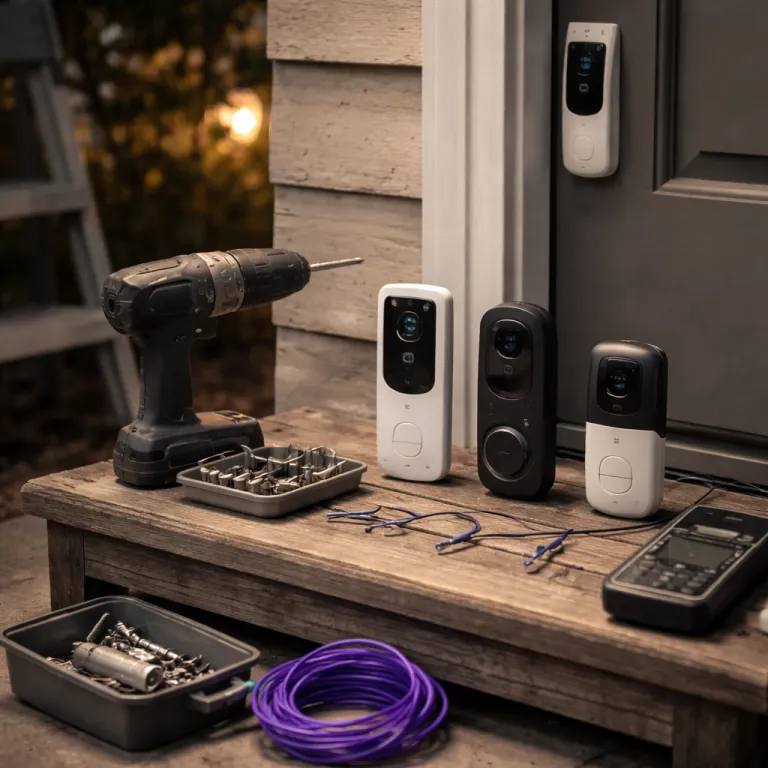
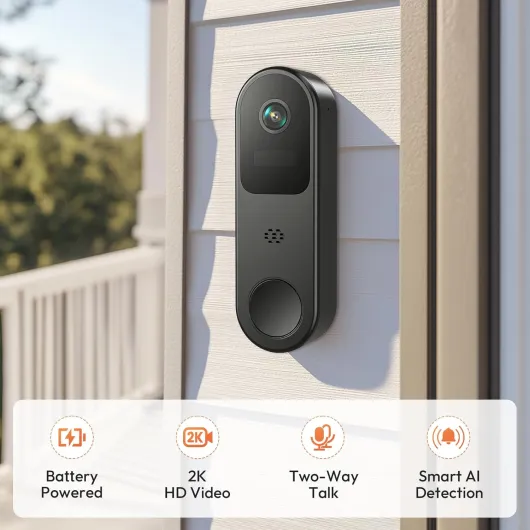
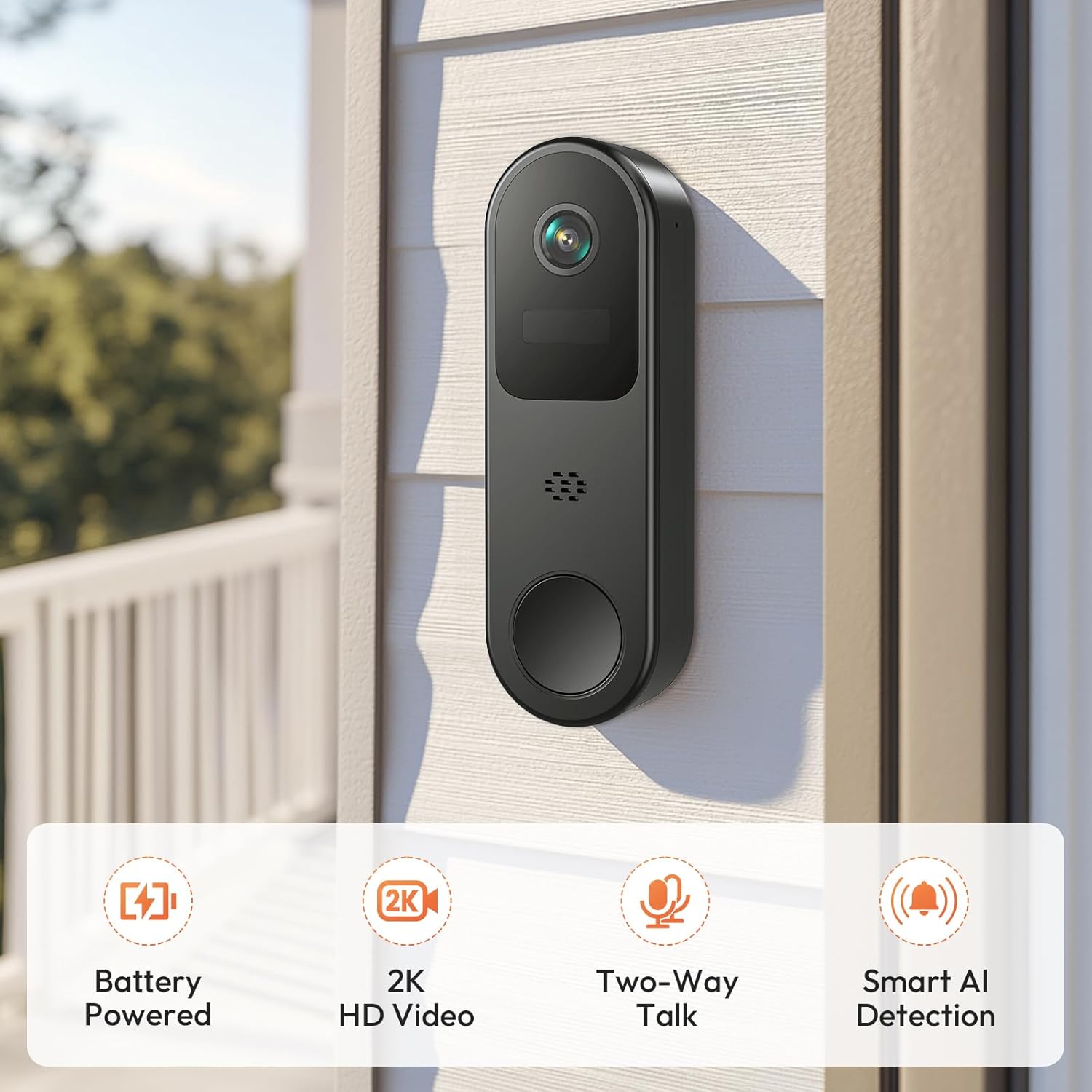
Choosing between a wired video doorbell and a battery powered model is one of the most practical decisions you will make. A wired doorbell connects to your existing chime circuit, draws continuous power, and usually supports more advanced features such as higher bitrate video and always on pre roll recording. Battery powered doorbells are easier to install at the front door or at a gate, but they require regular charging and may limit recording length to preserve battery life.
For many households, the best smart doorbells with person detection are wired because they can process smart video analytics continuously without worrying about power drain. A wired Ring Video Doorbell Pro 2 or Nest Doorbell (wired), for example, can maintain a constant video buffer, enabling you to see a few seconds before motion detection is triggered, which is invaluable when someone moves quickly. Battery powered video doorbells from brands such as Tapo, Lorex, and Amazon compatible systems still offer strong person detection, but they often reduce frame rate or resolution when the battery runs low.
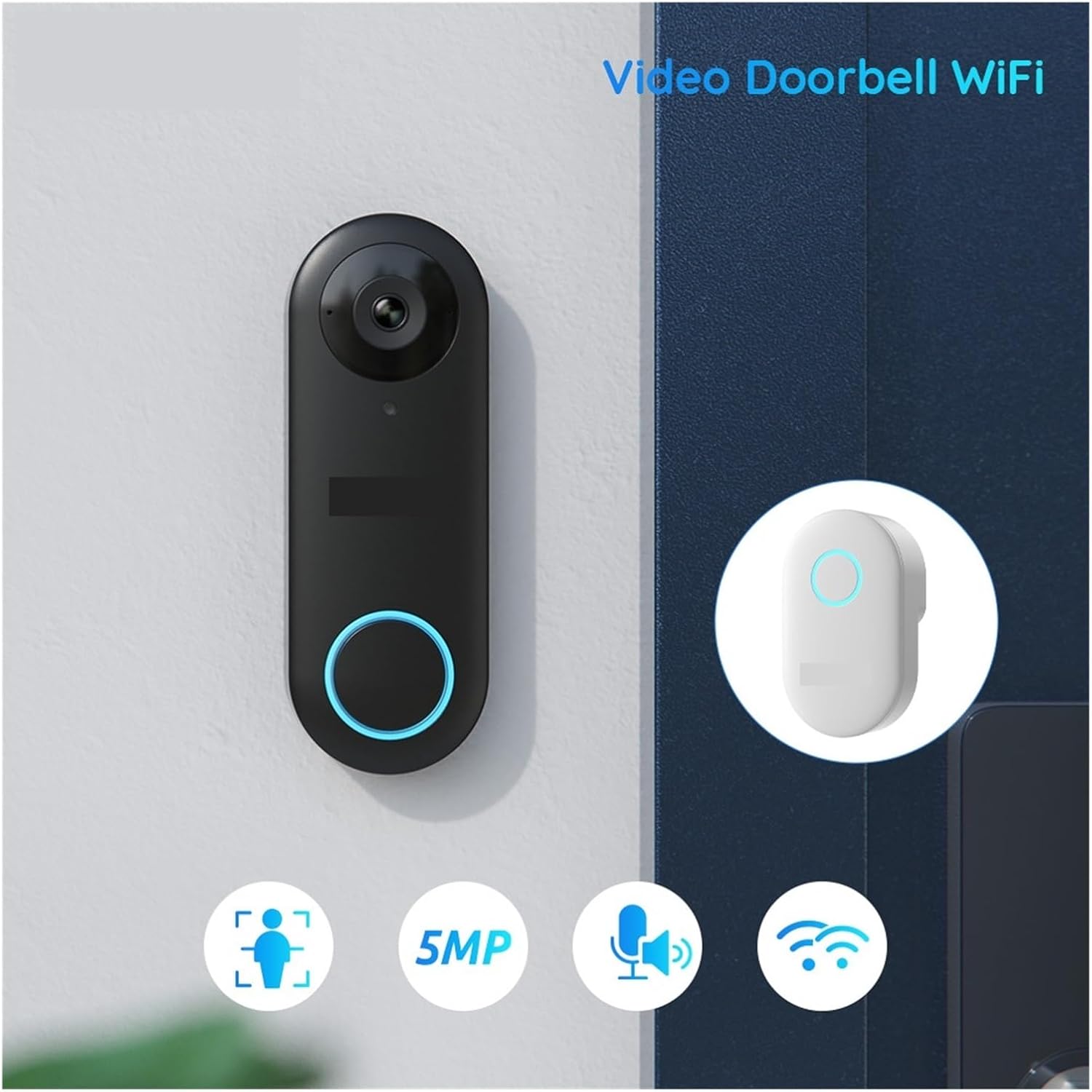
Connectivity is another factor, especially if your Wi Fi signal is weak at the front door or if you rely on IoT SIM cards to keep security cameras online and secure in remote locations. Some wired video doorbells integrate better with existing routers and mesh systems, while battery powered doorbell cameras may support flexible placement to find the strongest signal. If you are unsure about wiring, consult a detailed smart doorbell installation guide on wiring, Wi Fi, and the mistakes that can brick your chime, because a poor installation can undermine even the best video doorbells with person detection.
Smart assistants, ecosystems, and daily usability
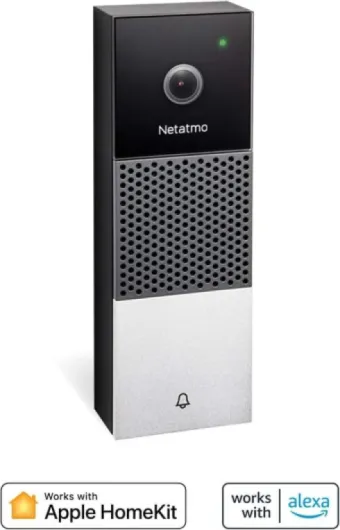
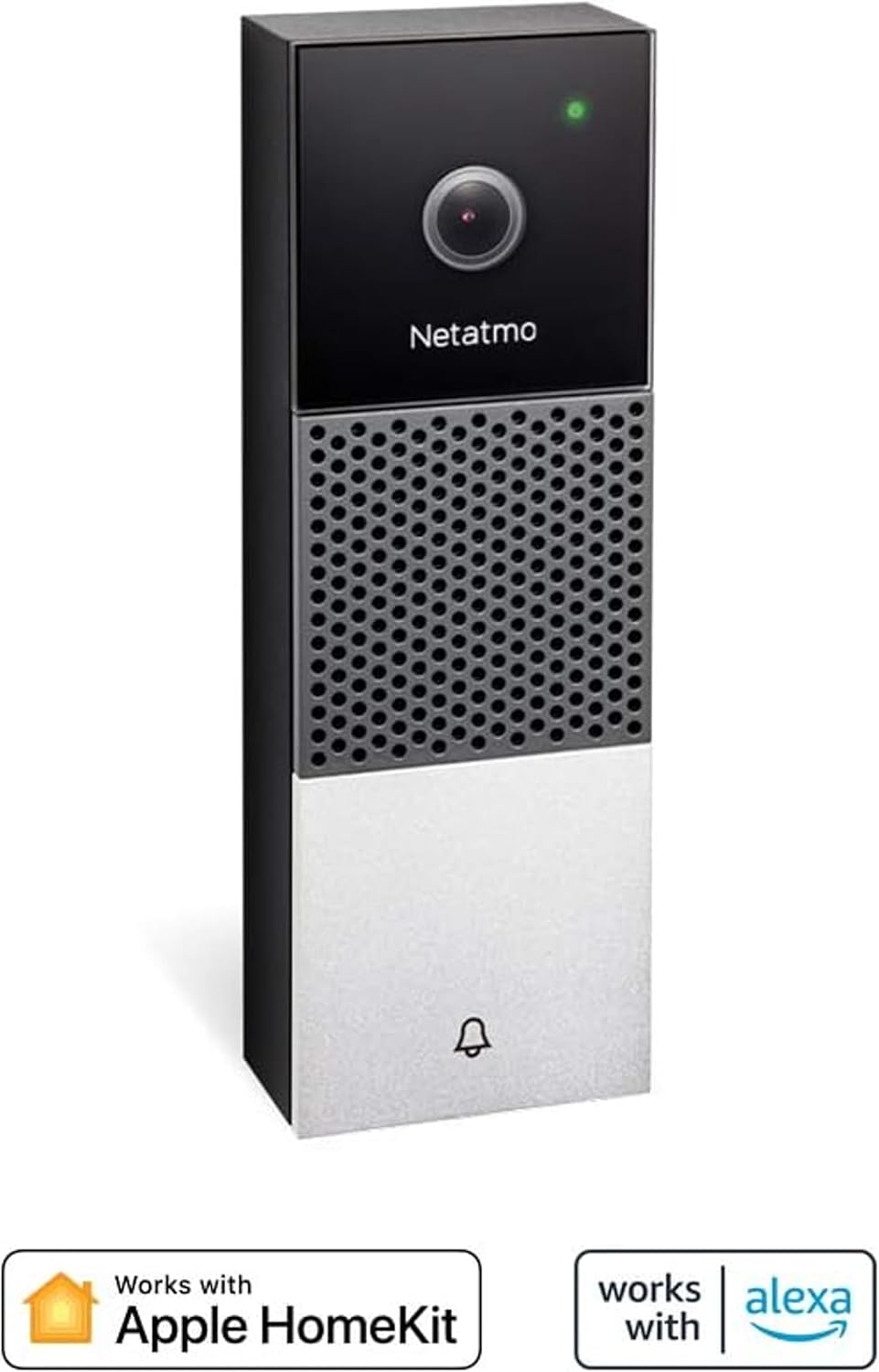
Smart doorbells do not operate in isolation, and their value grows when they integrate smoothly with your existing ecosystem. If you already use Amazon Alexa, Google Assistant, or a mix of Alexa Google devices, you should prioritise a video doorbell that supports hands free announcements and live video on your preferred screens. This integration turns a simple doorbell into a central part of your smart home security routine.
Ring and Nest Doorbell models work tightly with their parent ecosystems, offering voice commands, automatic routines, and rich notifications on Amazon and Google smart displays. Many of the best smart doorbells with person detection can announce “person at the front door” on a speaker, show live video on a television, and even lock or unlock compatible smart locks in response to motion detection. Third party brands such as Lorex, Tapo, and other security cameras manufacturers increasingly support both Amazon Alexa and Google Assistant, but the depth of integration still varies, especially for advanced features like colour night vision or local storage management.
When you evaluate usability, pay attention to how quickly the doorbell camera connects when you tap a notification and how intuitive the app is for reviewing stored video. A system that combines reliable person detection, clear night vision, and responsive controls will feel genuinely smart, while laggy apps can make even the best video hardware frustrating. If you plan to mix several doorbells and security cameras, choose a platform that handles multiple video doorbells gracefully, with consistent alerts and shared cloud storage or local storage policies.
Image quality, field of view, and night performance
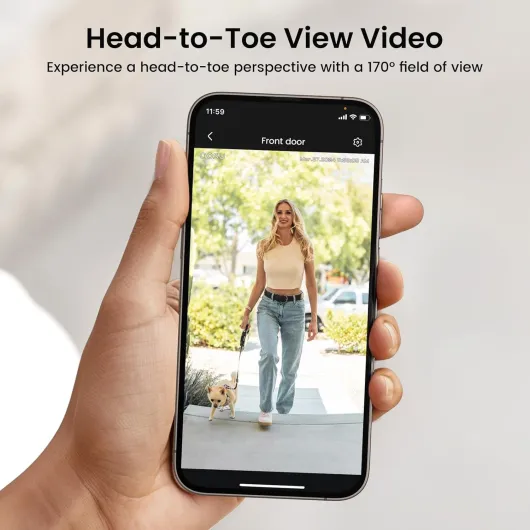
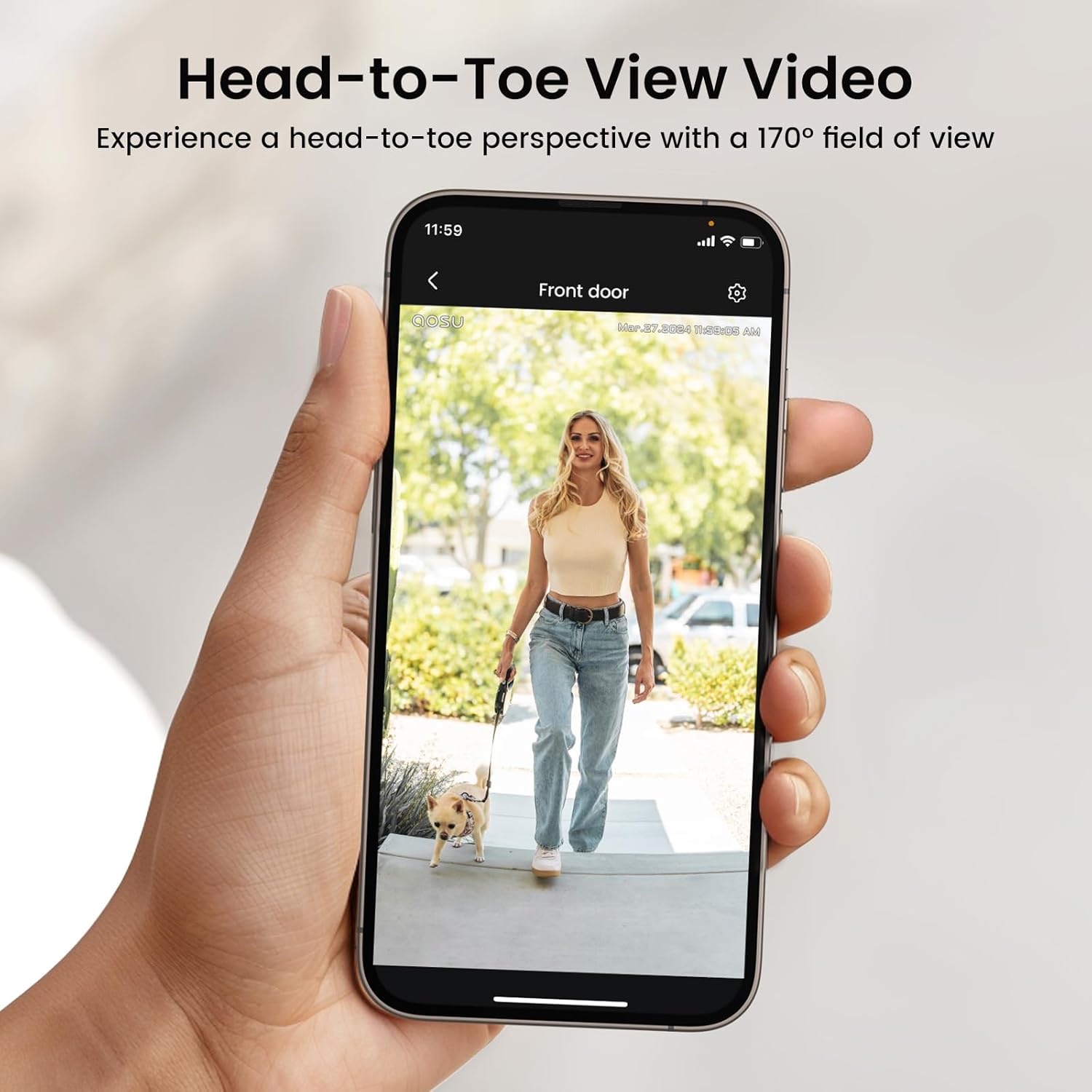
Person detection is only as useful as the image quality that supports it, so you should examine resolution, field of view, and low light performance carefully. A wide field view helps a smart video doorbell capture visitors approaching from the side, packages left close to the wall, and any suspicious activity near the front door. However, an excessively wide lens can distort faces, so the best smart doorbells with person detection balance coverage with clarity.
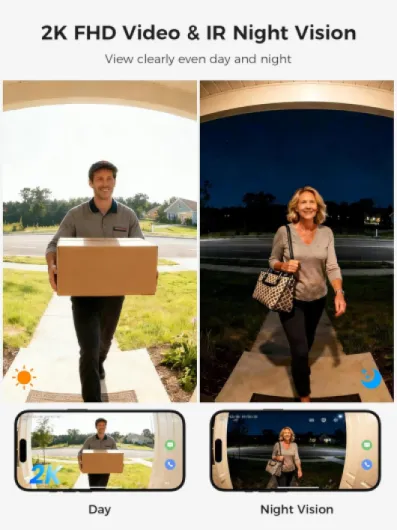
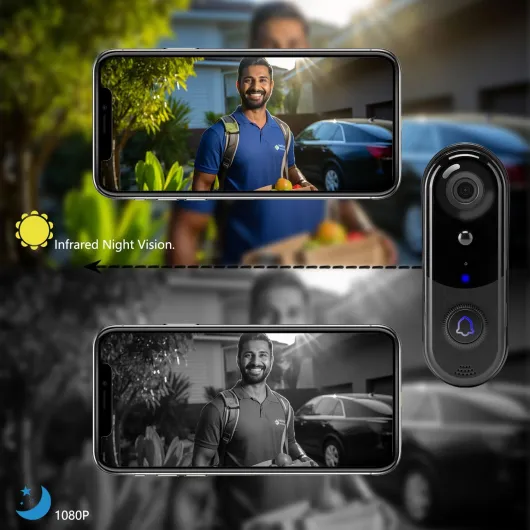
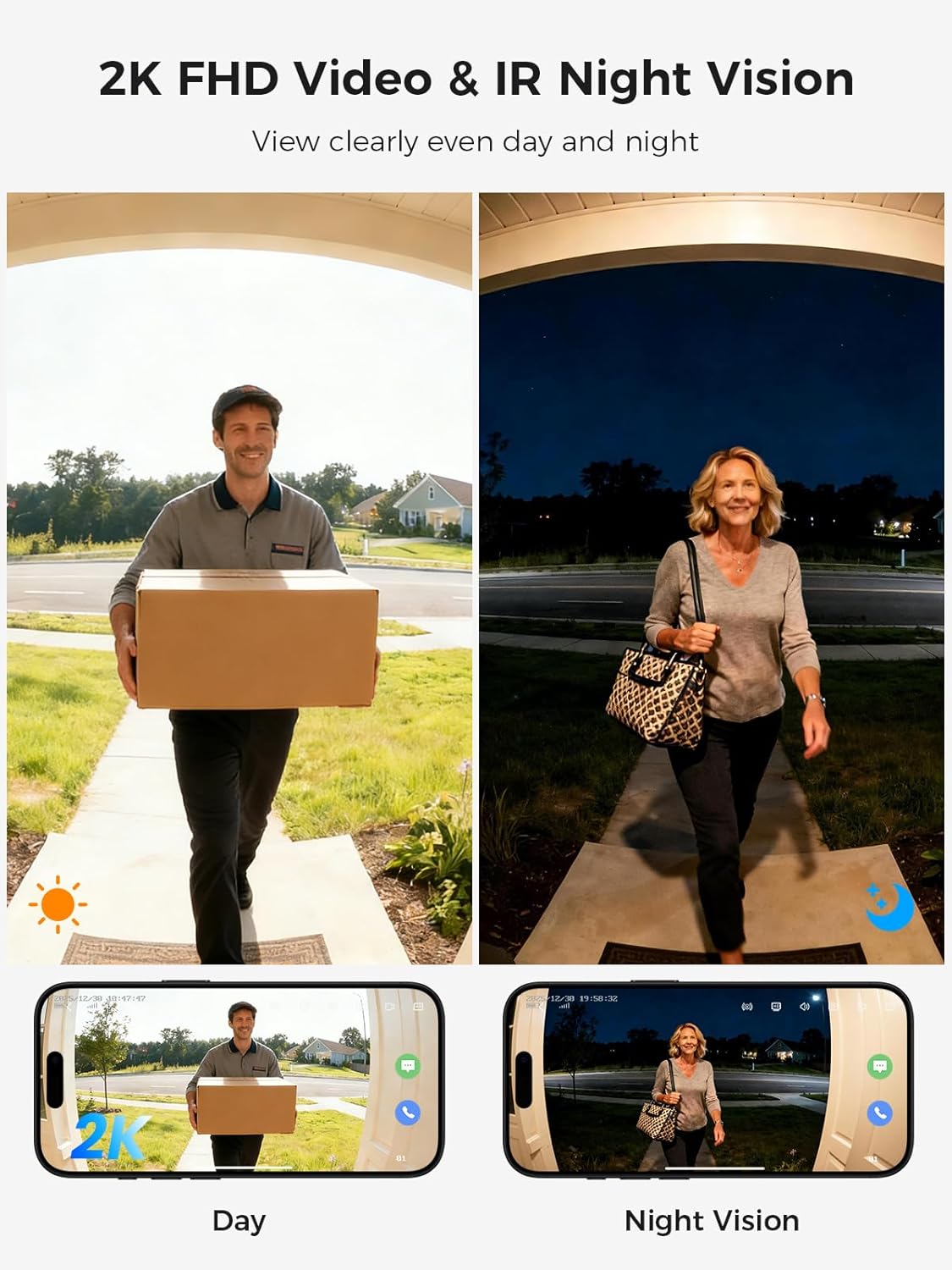
Most modern video doorbells record in at least Full HD, while premium doorbell cameras push into higher resolutions that reveal more detail when you zoom in. For instance, Ring Video Doorbell Pro 2 records at 1536p with a tall aspect ratio, while Nest Doorbell (battery) captures 960 x 1280 video at up to 30 frames per second. For security, the combination of sharp video, accurate motion detection, and reliable storage matters more than raw pixel counts, because you need to identify faces and clothing clearly in both daylight and darkness. Brands such as Ring, Nest Doorbell, Lorex, and Tapo now offer colour night vision on several models, using built in LEDs to add enough light for the sensor to capture realistic colours at night.
When comparing the best video doorbells, test how they handle backlighting, such as a bright street behind a visitor, and how quickly they adjust when a door opens into sunlight. A doorbell pro model with high dynamic range will keep faces visible instead of turning them into silhouettes, which is crucial for both live viewing and stored clips in cloud storage or local storage. Remember that security cameras mounted higher or at an angle may need a different field of view than a standard doorbell, so choose hardware that matches your specific entrance layout.
Privacy, security, and long term ownership costs
Buying the best smart doorbells with person detection is not only about features on day one, but also about how the product will treat your data and your wallet over time. Every video doorbell collects sensitive footage of your home, your family, and your visitors, so you must understand how that video is encrypted, where it is stored, and who can access it. Cloud storage services should offer strong encryption in transit and at rest, while local storage devices must be physically secure inside your property.
Subscription costs can add up quickly when you combine multiple doorbells and security cameras, especially if each device requires its own plan for extended history or advanced motion detection. Some brands bundle several video doorbells and doorbell cameras under a single subscription, while others charge per device, which can make a large system significantly more expensive over a few years. When you compare Ring, Nest Doorbell, Lorex, Tapo, and other smart video providers, calculate the total cost of ownership, including hardware, cloud storage, and any optional professional monitoring.
Privacy controls also matter, such as the ability to disable audio recording, set motion zones that exclude neighbours, and manage shared access for family members or tenants. A trustworthy doorbell camera platform will offer transparent policies, regular security updates, and clear tools for deleting stored video from both local storage and cloud accounts. If you ever change ecosystems from Amazon Alexa to Google Assistant or vice versa, check whether your chosen doorbells remain compatible, because long term flexibility can be as valuable as any single feature on the spec sheet.
Key statistics about smart doorbells with person detection
- According to Strategy Analytics’ “Smart Home Device Sales Tracker 2021” (published 2021), more than 20 million smart video doorbells were installed globally in that year, and models with person detection accounted for a rapidly growing share of new sales.
- Consumer surveys from the United States, such as Parks Associates’ 2022 smart home buyer study (fielded in 2022), show that around 60 percent of smart doorbell owners cite motion detection and person alerts as their primary reason for purchase, ahead of two way audio or package detection.
- Independent testing by organisations such as Consumer Reports (doorbell camera ratings updated regularly through 2023) has found that person detection can reduce false motion alerts by more than 80 percent compared with basic pixel based motion detection, especially on busy streets.
- Field tests of colour night vision doorbell cameras, including manufacturer trials and third party lab measurements reported between 2020 and 2023, indicate that models with built in LEDs and higher sensitivity sensors can identify faces at distances of 5 to 7 metres in low light, while older infrared only models often struggle beyond 3 metres.
- Industry data from major brands suggests that more than half of smart doorbell buyers now choose battery powered models for easier installation, but wired doorbells still dominate in multi camera security systems where continuous recording is required.