Power options, battery life, and wired reliability
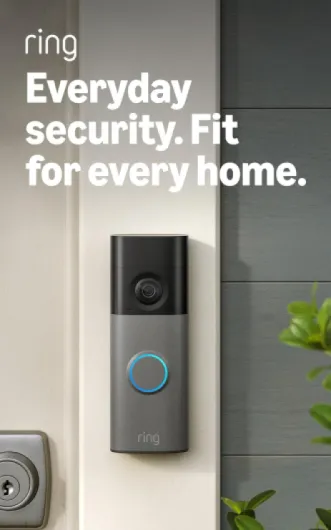
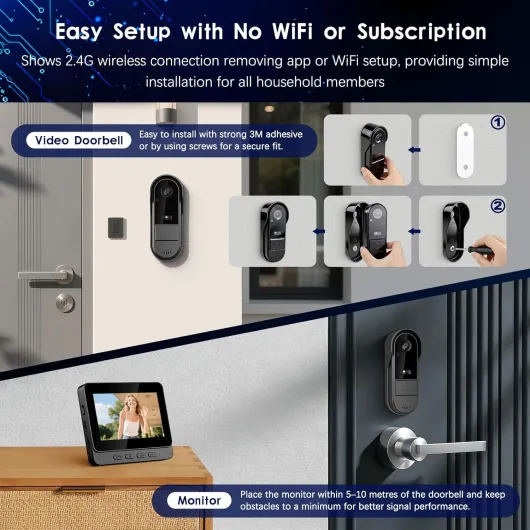
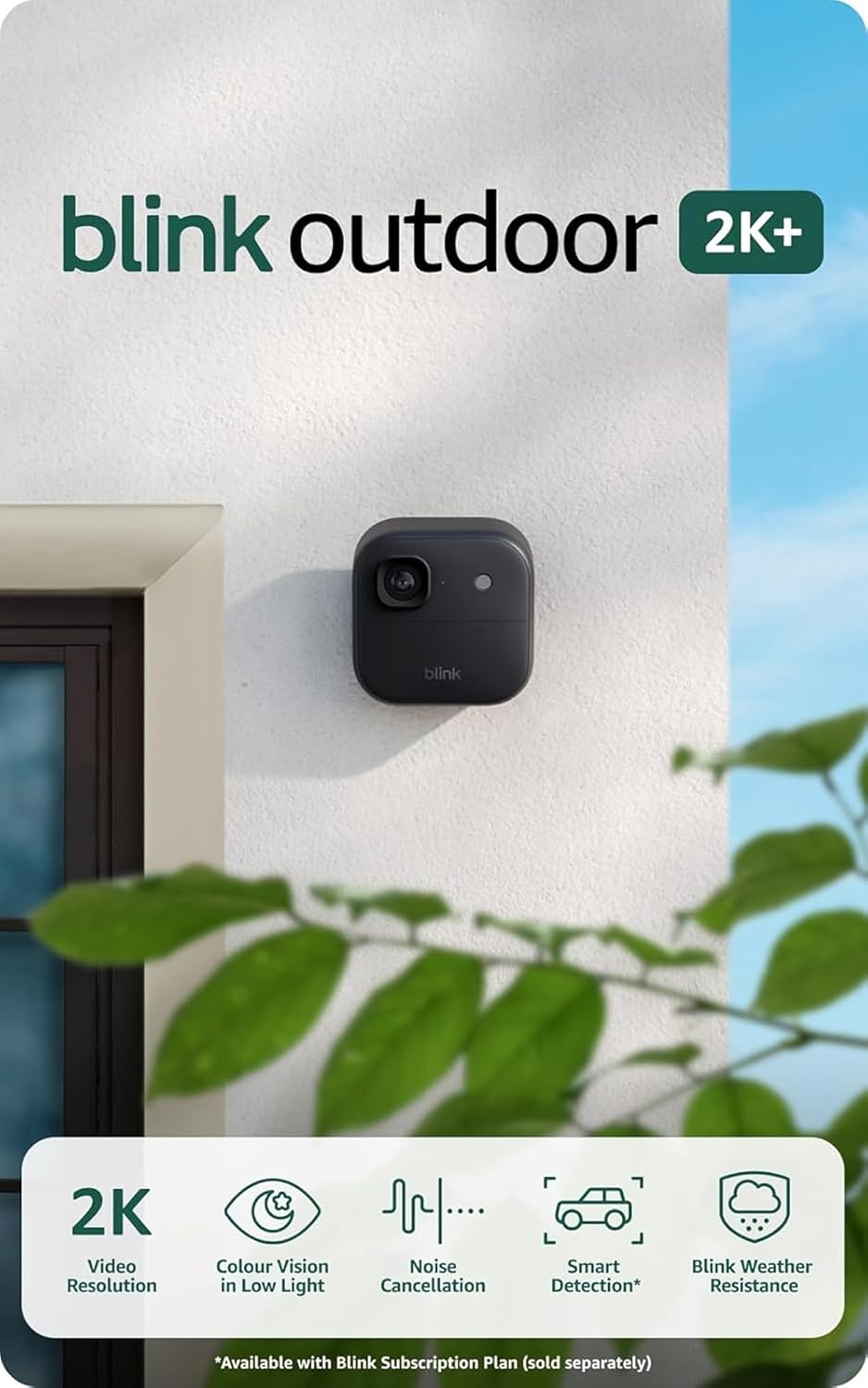
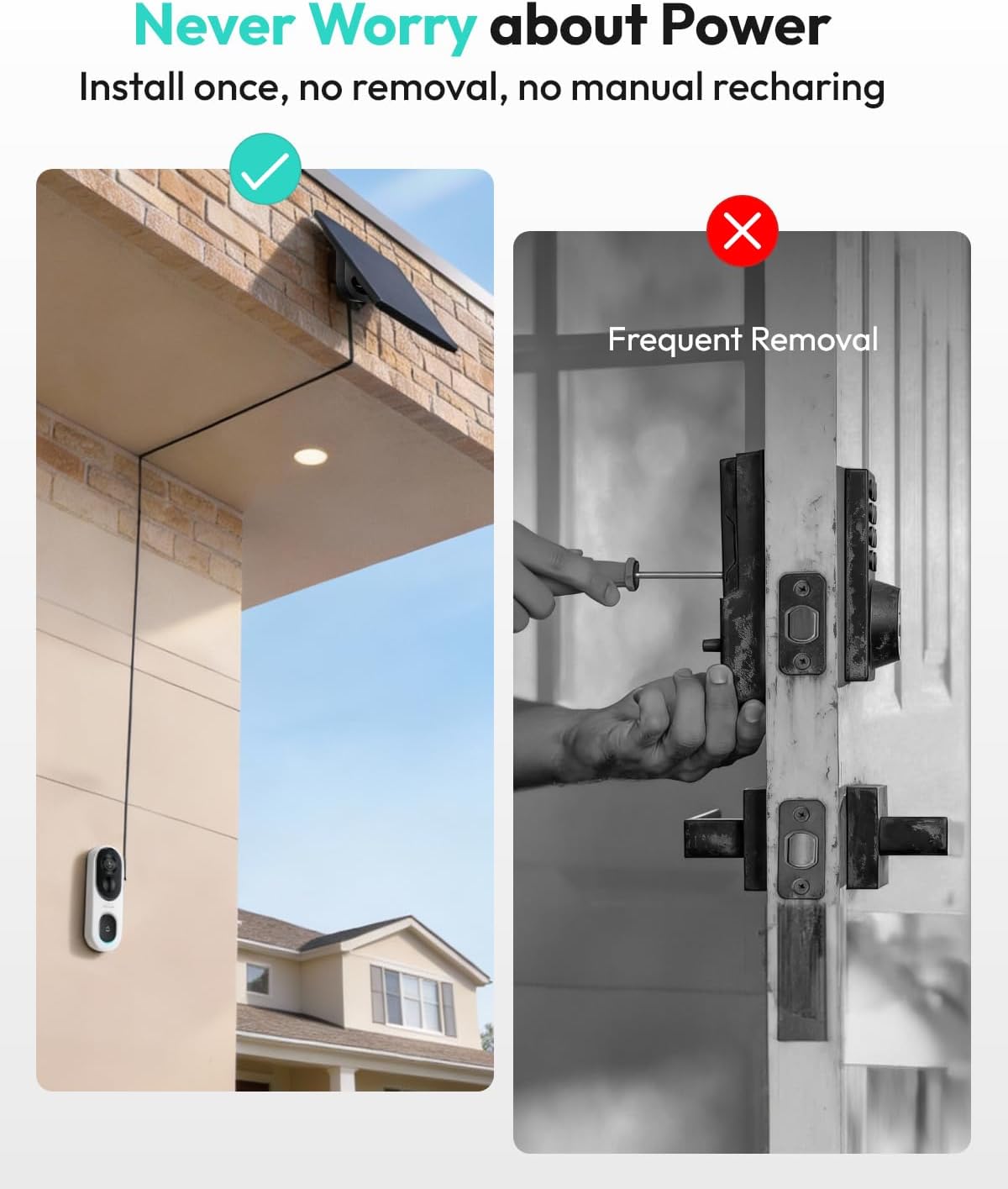
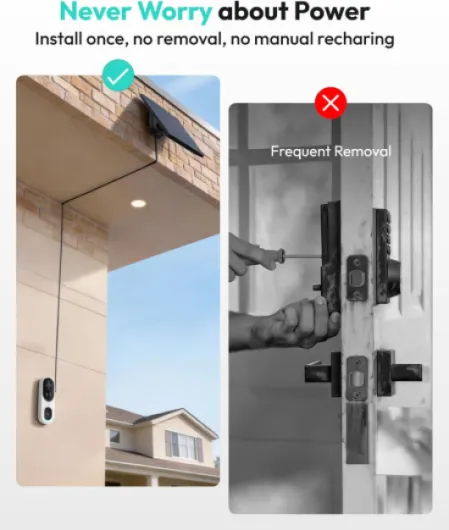
Choosing between a wired doorbell and a battery powered doorbell shapes everything from installation to long term maintenance. A wired smart doorbell connects to your existing chime transformer, so you never worry about a flat battery but you must be comfortable working safely with mains wiring or hiring an electrician. A battery doorbell offers easier mounting and flexible placement, yet you need to track charging cycles and understand how video recording, motion alerts, and night vision drain the battery.
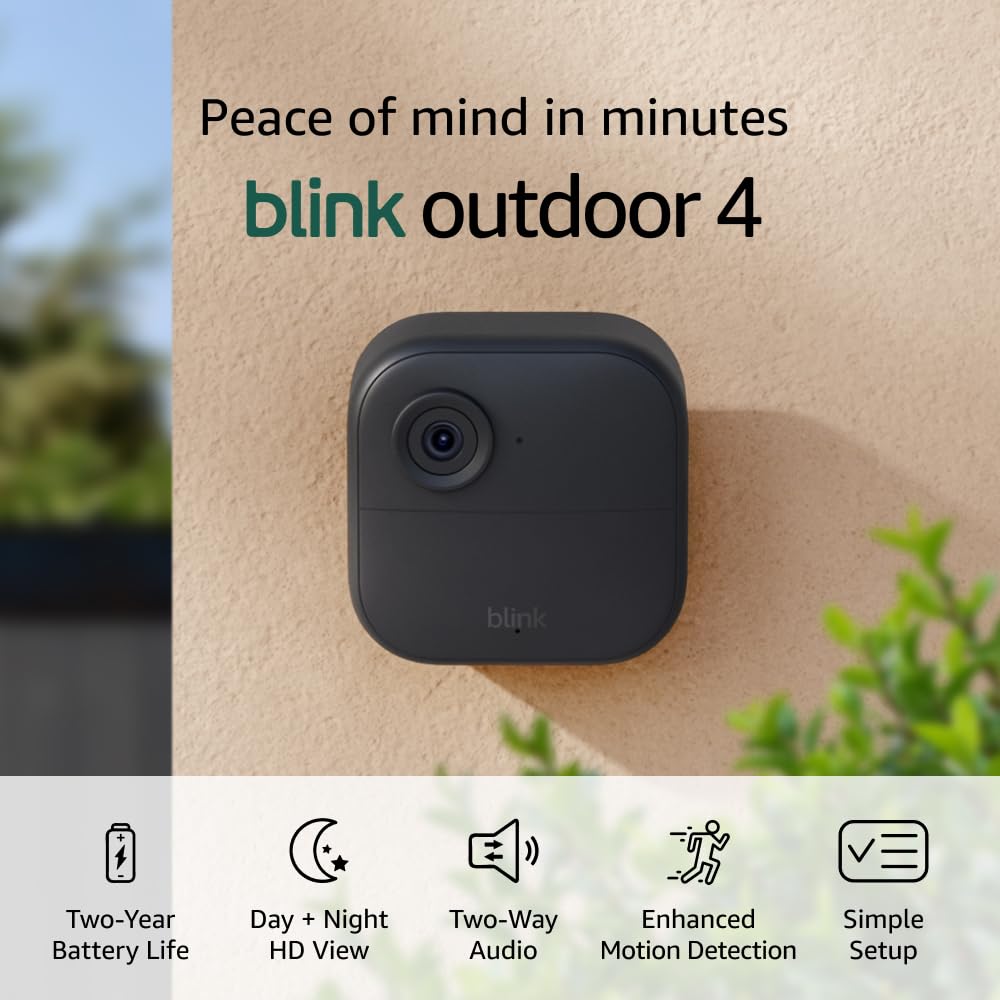
Ring battery models, the Nest Doorbell battery version, and similar battery powered video doorbells usually quote ideal battery life that assumes mild weather and limited motion events. Real homes with busy streets, pets, and frequent deliveries generate more motion clips, which shortens the time between charges for any smart doorbell. Before you buy, check whether the battery is removable, whether spare packs are affordable, and whether the doorbell camera can run temporarily as a wired unit using a compatible power adapter. In long term tests by Wirecutter and RTINGS, Ring Video Doorbell 4 and Nest Doorbell (battery) typically lasted four to six weeks in busy suburban settings rather than the multi month figures in marketing copy.
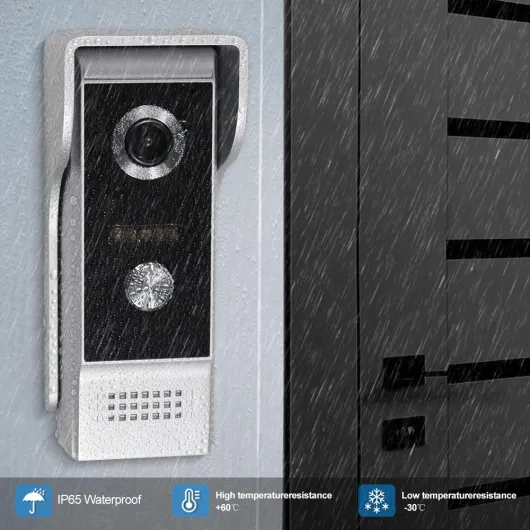
Cold climates add another layer of complexity for the best smart doorbells with two way audio. Lithium batteries lose capacity in freezing temperatures, so a Ring battery device or any battery doorbell may show reduced runtime during winter months. Field measurements from UL and manufacturer white papers commonly show a 20 to 30 percent drop in effective capacity around 0 °C, which aligns with user reports from northern US and Nordic regions. Long term testing of smart doorbells in harsh conditions, such as independent reviews of smart doorbells after several New England winters, shows that seals, charging ports, and mounting brackets often fail before the electronics, so pay attention to build quality as much as quoted battery figures.
Video quality, field of view, and night vision clarity
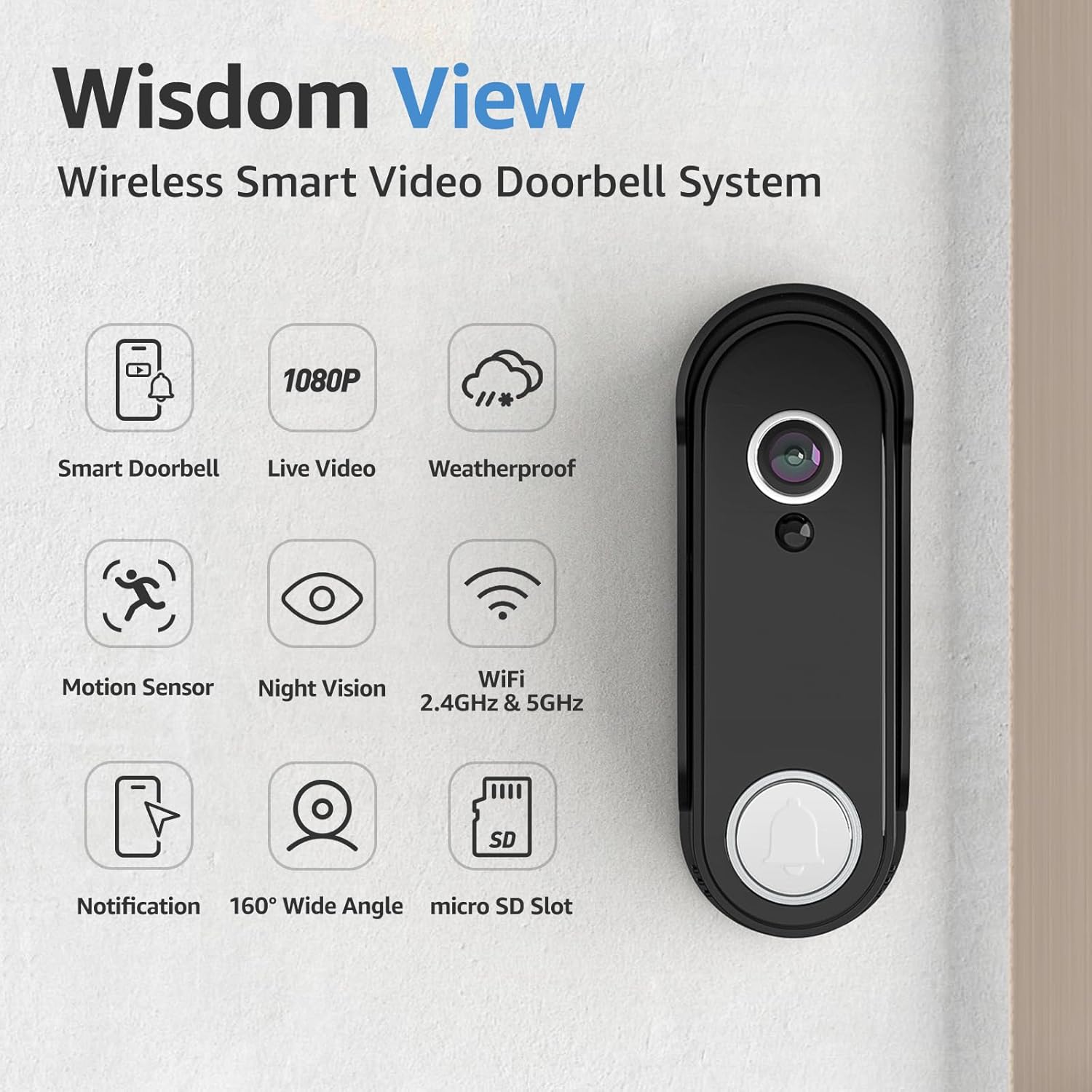
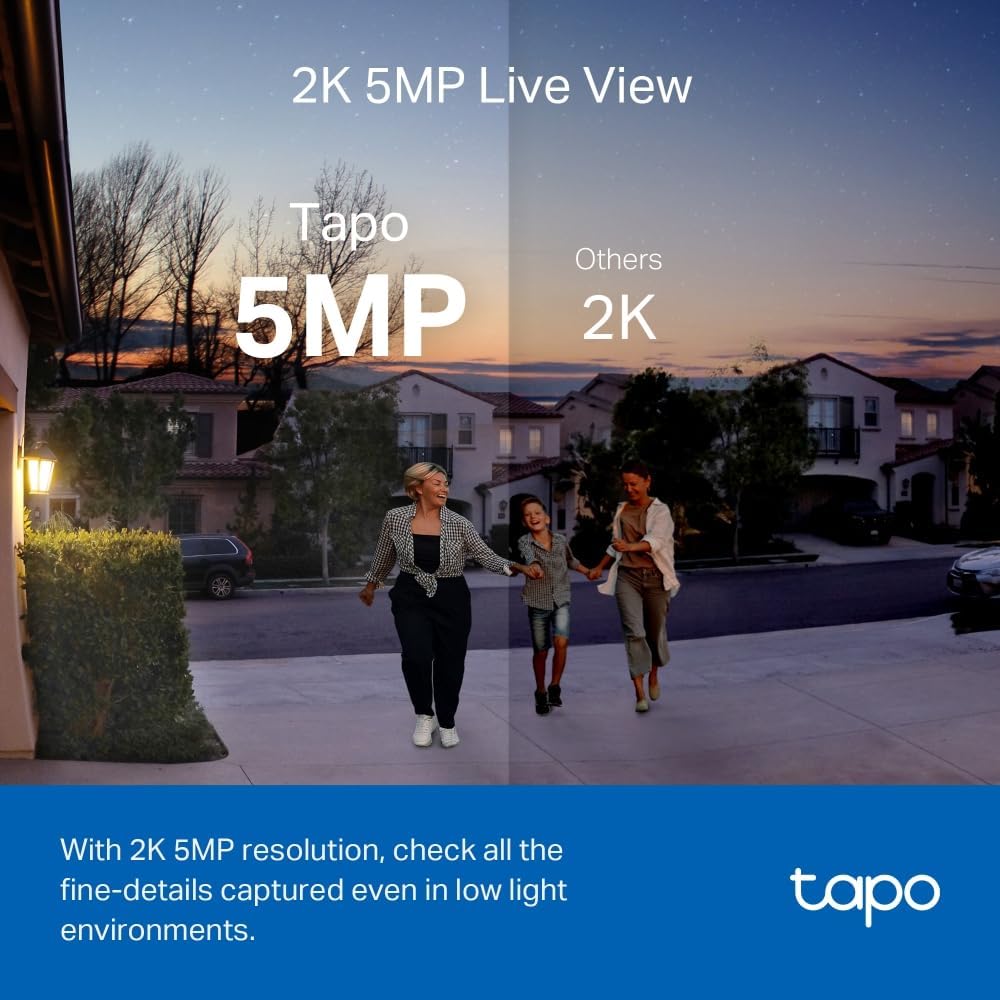
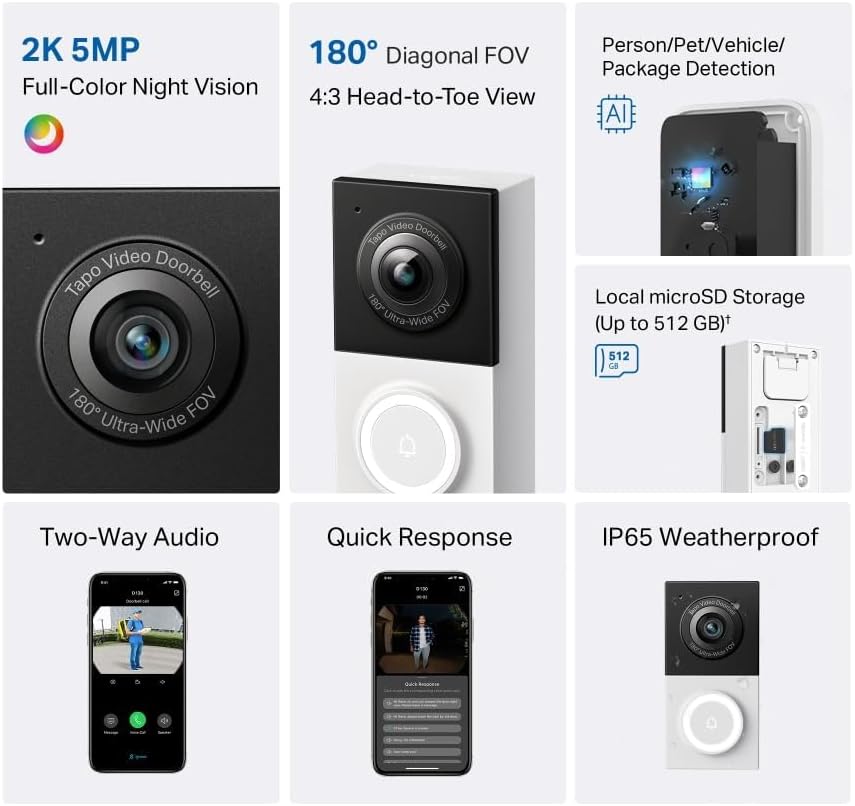
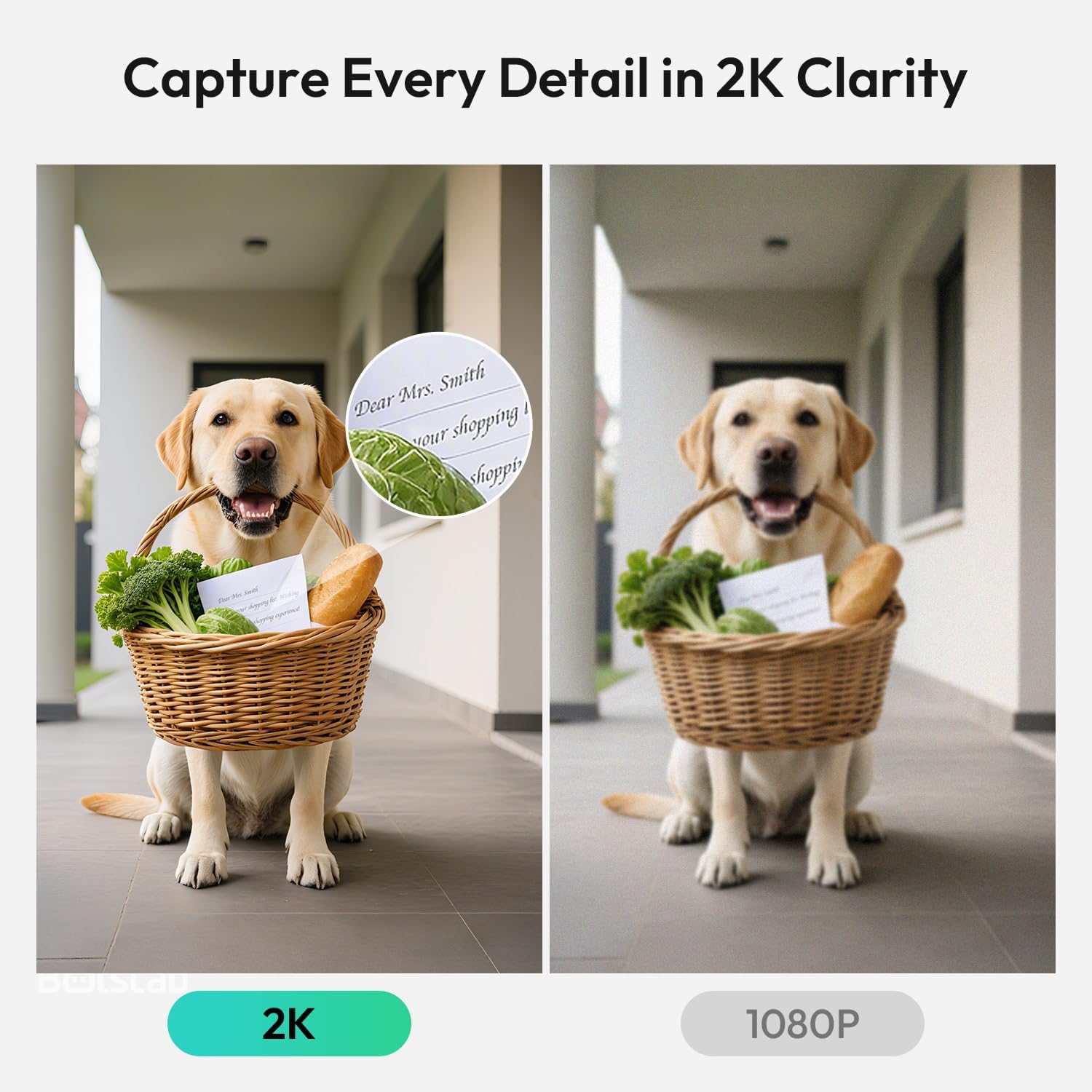
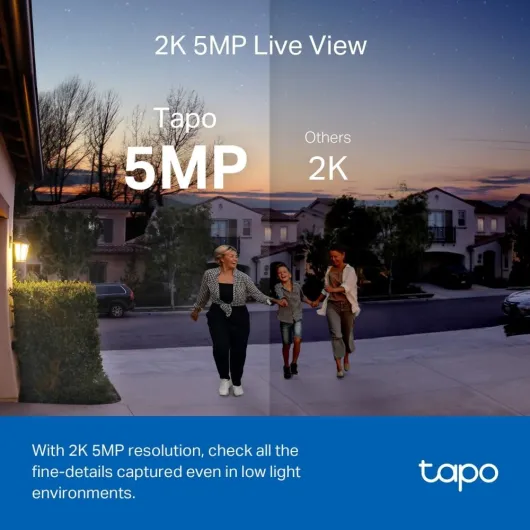
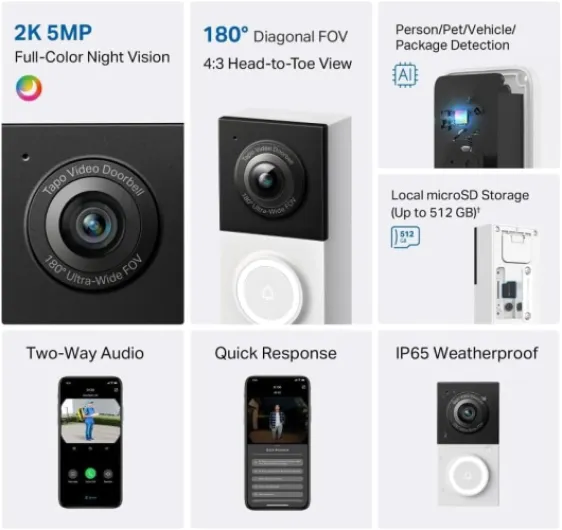
High resolution video is only useful when paired with a sensible field of view that matches your doorway and path. The best smart doorbells with two way audio usually offer at least Full HD video, while premium models push higher resolutions to capture finer details like licence plates or small package labels. A wide field view helps you see parcels left on the ground and people standing to the side, but an excessively wide field of view can distort faces and waste video storage on empty walls.
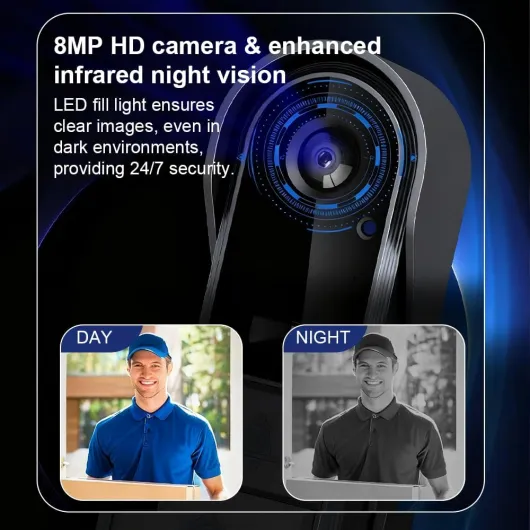
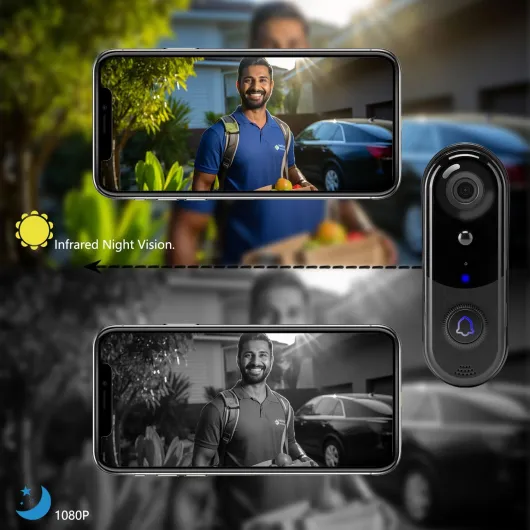
Look closely at how each video doorbell handles low light and night vision, because many incidents happen after dark. Infrared night vision on a smart doorbell should illuminate faces at two to four metres without blowing out close objects or leaving the background in deep shadow. Some doorbell camera designs add colour night vision using nearby street lighting, which can improve identification but may require more video storage due to richer detail. In comparative tests by PCMag and TechRadar, models like Ring Video Doorbell Pro 2 and Arlo Essential Wired Video Doorbell consistently produced more legible faces at night than budget 1080p units with weaker infrared emitters.
Frame rate and compression also matter for security focused video doorbells. A higher frame rate makes motion look smoother, which helps when reviewing how someone approached your door or whether a package was actually delivered. Strong compression reduces cloud storage costs and local storage usage on a microSD card, but if it is too aggressive you may see blocky artefacts that undermine the value of your video evidence. Vendor specs often quote 15 to 25 frames per second and H.264 or H.265 encoding; independent lab reviews that measure bitrates frequently find real world streams between 1.5 and 4 Mbps depending on resolution and motion.
Cloud storage, local storage, and subscription choices
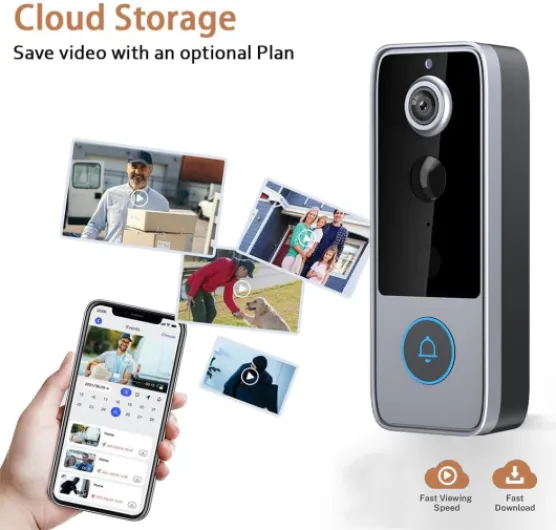
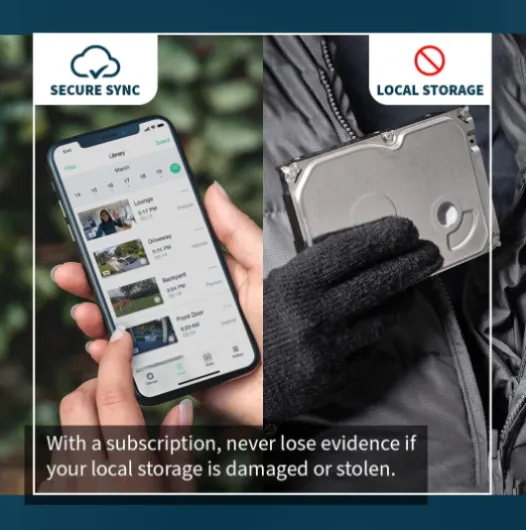
Every smart doorbell generates video clips, and where that video storage lives affects both privacy and long term cost. Many of the best smart doorbells with two way audio rely on cloud storage tied to a monthly subscription, which unlocks features such as extended history, smart motion zones, and person detection. Services from Ring, Google, and other major brands integrate tightly with their apps, but you must accept that your doorbell camera footage travels through their servers.
Households that prefer more control often choose a smart doorbell with local storage options. Some video doorbells include a microSD card slot in the chime or base station, while others support network video recorders that keep video storage entirely on your own network. Local storage reduces ongoing subscription costs and limits exposure in case of cloud breaches, yet you must manage card health, backups, and physical access to the recorder. Testing by home security reviewers frequently shows that cheaper cards can fail after a year of constant overwriting, so choosing high endurance media is important.
Hybrid approaches are becoming common among the best smart doorbells with two way audio. A Nest Doorbell or a Doorbell Pro style device might offer short term cloud storage for quick access, while also supporting local storage through a compatible hub. When you compare subscription tiers, calculate the total cost over several years and weigh it against the value of advanced analytics, extended retention, and multi camera support across your wider home security system. Consumer advocacy groups often publish cost comparisons that reveal how a low monthly fee can add up to several hundred pounds or dollars over a typical five year ownership period.
Smart home integration with Amazon Alexa and Google Assistant
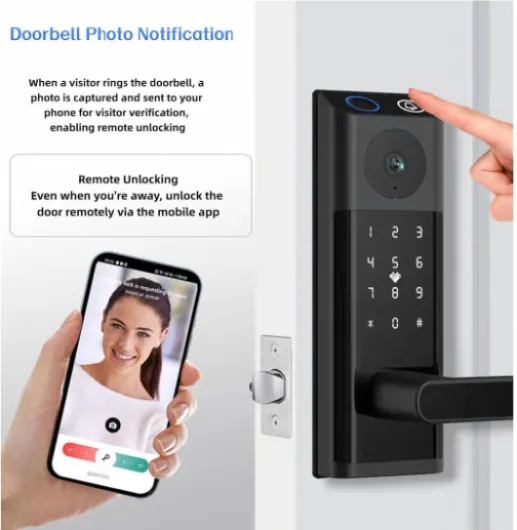
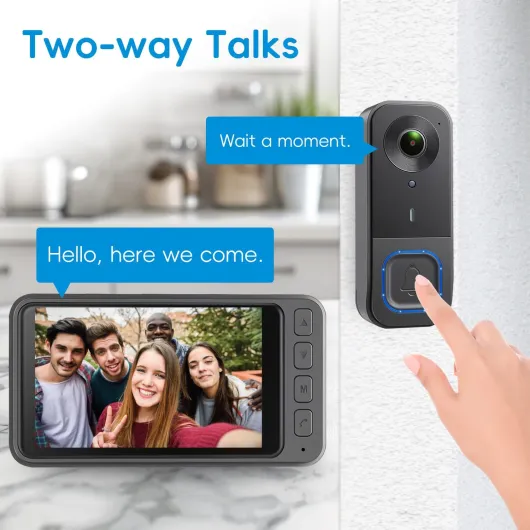
For many buyers, the best smart doorbells with two way audio are those that blend seamlessly into an existing smart home. Deep integration with Amazon Alexa, Google Assistant, and other platforms lets you answer the door from a smart display, trigger routines when motion is detected, or arm other security devices when the doorbell senses activity. When you see references to Amazon Alexa or Alexa Google compatibility on packaging, check whether that includes live video streaming, chime announcements, and two way audio, not just basic notifications.
Ring devices naturally align with Amazon ecosystems, while Nest Doorbell models sit comfortably inside Google smart home setups. If your household already uses Echo speakers, Fire TV sticks, or Nest Hub displays, choosing a smart doorbell from the same family usually delivers the smoothest experience. Mixed environments can still work, but you may lose advanced features such as rich doorbell camera previews on lock screens or tightly integrated automation between video doorbells and other sensors. Reviews from sites like CNET and Tom’s Guide regularly note that cross platform support can lag behind native integrations by several feature generations.
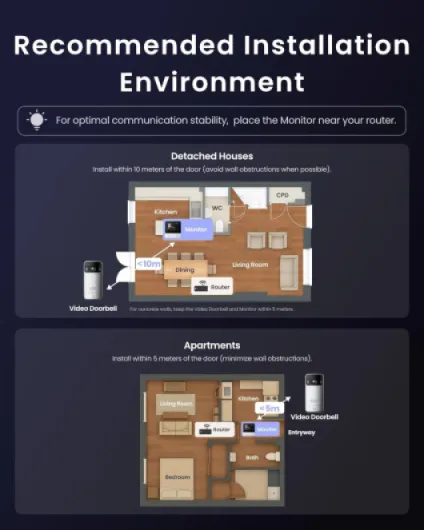
Network reliability underpins all of this smart functionality. A strong Wi Fi signal at the front door ensures that two way audio remains clear and that video clips upload quickly to cloud storage or local storage hubs. If you are balancing multiple wireless devices, including gaming headsets and other IoT cameras, it is worth understanding how Bluetooth and 2,4 GHz Wi Fi share spectrum so your smart doorbell does not compete unnecessarily for bandwidth. Simple steps such as adding a mesh Wi Fi node near the entrance or moving the router away from thick walls can dramatically reduce lag and missed notifications.
Motion detection, privacy, and long term security risks
Motion detection is where the best smart doorbells with two way audio either shine or frustrate. A well tuned motion system reduces false alerts from passing cars while still catching a person who lingers at the edge of the field of view. Look for adjustable motion zones, sensitivity sliders, and options to ignore movement beyond a certain distance from the doorbell.
Privacy controls are just as important as raw security features. Leading video doorbells now offer privacy zones that block parts of the image, such as a neighbour’s window or a public pavement, from being recorded or stored. Some smart doorbell platforms also allow you to schedule when motion alerts are active, which helps households avoid constant notifications during busy daytime hours while still capturing critical events at night.
Any internet connected doorbell camera carries cyber security implications. High profile reports about IoT camera vulnerabilities have shown how weak passwords, outdated firmware, and insecure cloud storage can expose private video feeds. To protect your smart doorbell, use unique credentials, enable two factor authentication where available, and keep firmware updated so that known exploits are patched promptly. Studies cited by Microsoft and Google security teams indicate that enabling two factor authentication can block more than 90 percent of automated account takeover attempts compared with password only setups.
How to compare models and avoid marketing traps
When brands all claim to sell the best smart doorbells with two way audio, a structured comparison helps you cut through the noise. Start by listing your non negotiables, such as wired or battery powered installation, preferred smart home platform, and whether you want cloud storage, local storage, or both. Then compare specific models like Ring Battery devices, Nest Doorbell variants, and Doorbell Pro style products against that checklist rather than chasing every advertised feature.
Pay attention to small technical notes that often hide in specification tables. Terms such as field view, video storage limits, and supported microSD card capacities can reveal whether a video doorbell will actually cover your porch and retain enough history for your needs. Some marketing pages even include prompts like jump details or cls fill in their code, which can hint at rushed design and should encourage you to read independent reviews before committing. Lab based comparisons from organisations such as Consumer Reports, Stiftung Warentest, and Which? often highlight discrepancies between claimed and measured performance.
Finally, think about support and repairability, not just launch features. A smart doorbell that receives regular software updates, replacement batteries, and spare mounting plates will outlast a flashier rival that is effectively disposable. Over several years, the best smart doorbells with two way audio are those that keep working reliably, integrate cleanly with evolving smart home platforms, and maintain strong security practices as threats change. Checking firmware release notes, warranty terms, and spare part availability before purchase can save you from premature upgrades later.
Key statistics about smart doorbells and home security
- Market analysts report that global shipments of video doorbells exceeded 10 million units in a recent twelve month period, reflecting rapid adoption as prices fall and smart home ecosystems mature. IDC and Strategy Analytics have both published shipment estimates in this range for the early 2020s.
- Independent testing organisations have found that enabling two factor authentication on smart home accounts can reduce successful account takeover attempts by more than 90 percent compared with password only setups. Google’s Security Blog and Microsoft’s identity protection studies both cite similar reductions for consumer accounts.
- Consumer surveys in Europe indicate that around one third of households using a smart doorbell primarily value the ability to verify deliveries remotely, while another third prioritise general home security and deterrence. Polls from UK and EU consumer groups, including Which? and Eurobarometer style studies, consistently show delivery confirmation and peace of mind as top motivations.
- Field tests comparing wired and battery powered video doorbells show that cold weather can reduce effective battery capacity by up to 30 percent, which shortens the time between charges during winter months. This aligns with manufacturer low temperature discharge curves for lithium ion cells used in Ring, Nest, and Arlo battery packs.
- Studies of urban burglary patterns suggest that visible security devices, including doorbell cameras and exterior lighting, can reduce opportunistic break in attempts on a given property by a measurable margin compared with similar homes without visible deterrents. Research cited by police crime prevention units in the UK and US notes that signage and cameras contribute to this deterrent effect.




![Smart Video Doorbell [NO SUBSCRIPTION REQUIRED] Full HD Live View & Two-Way Audio - Motion Recordings - Customisable Privacy Zones - Night Vision - Real-Time Call - Works with the Home app Yale Smart Video Doorbell](https://www.smart-doorbell-guru.com/storage/836353/conversions/51ziYZ1jJnL._AC_SL1500_-medium.webp)