Comparing Google Nest, Tapo, Reolink and other leading smart doorbells
Among the best smart doorbells compatible with Google Assistant, three ecosystems dominate many homes. Google Nest doorbells, TP‑Link Tapo models, and Reolink video doorbells each offer a different balance of price, storage, and security features. Understanding how each brand handles video, storage with subscriptions, and integration with Google Assistant helps you avoid expensive mistakes.
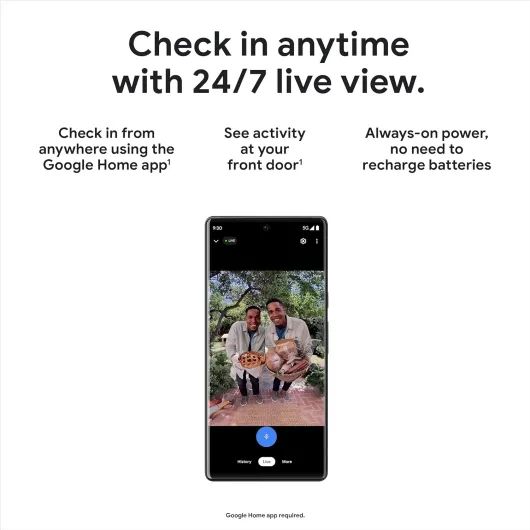
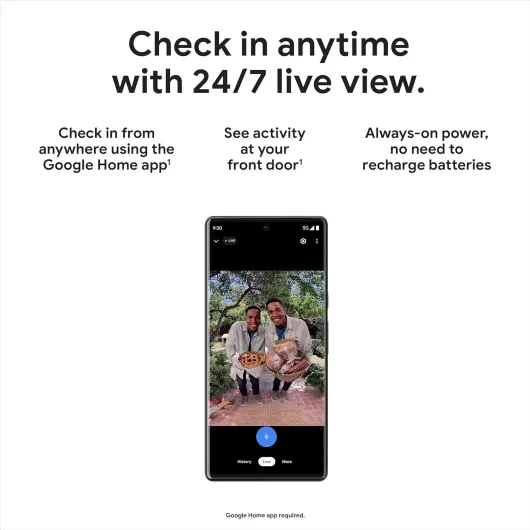
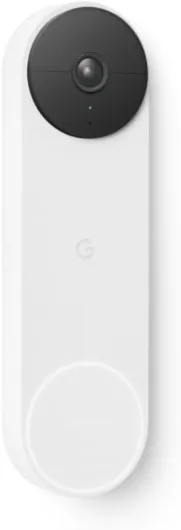
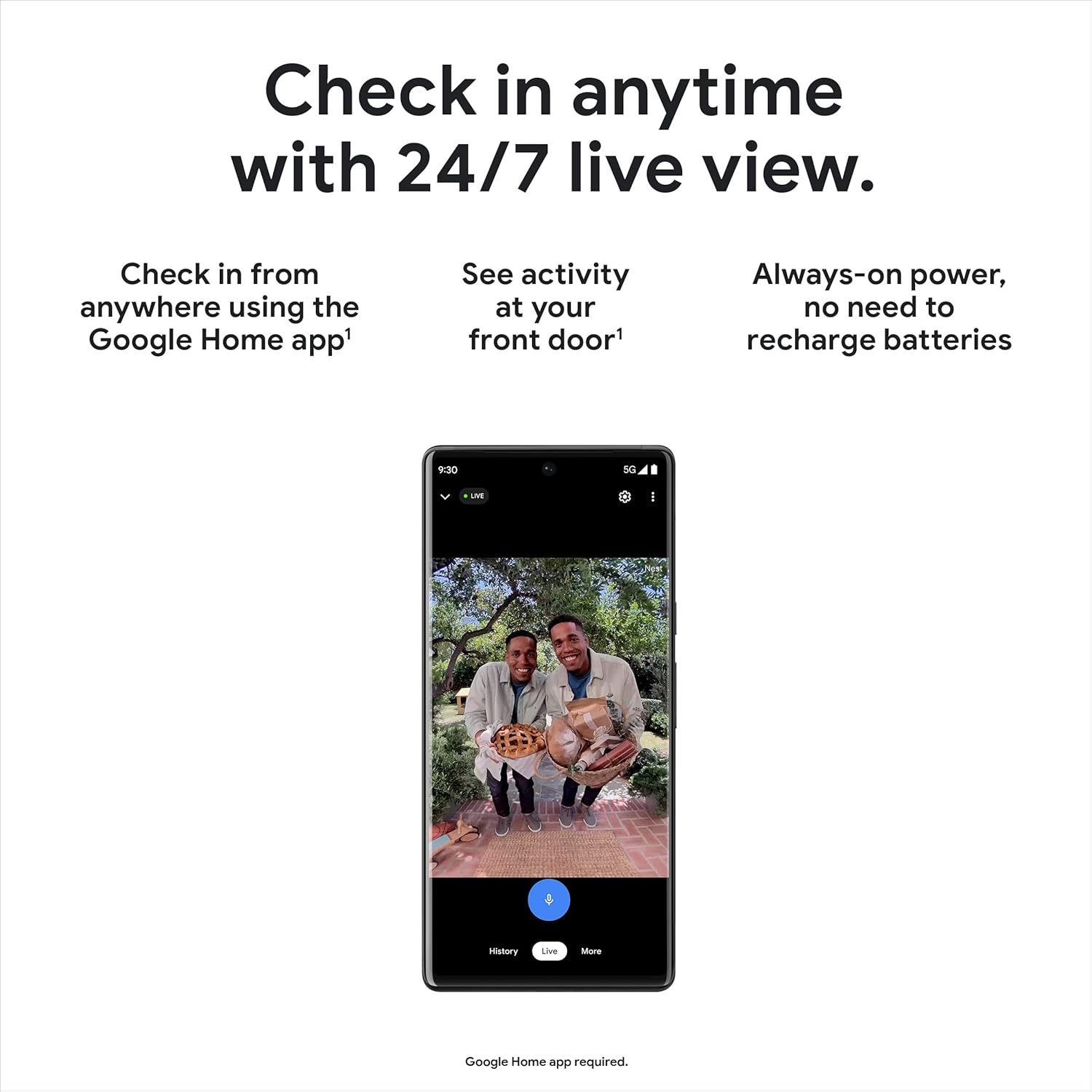
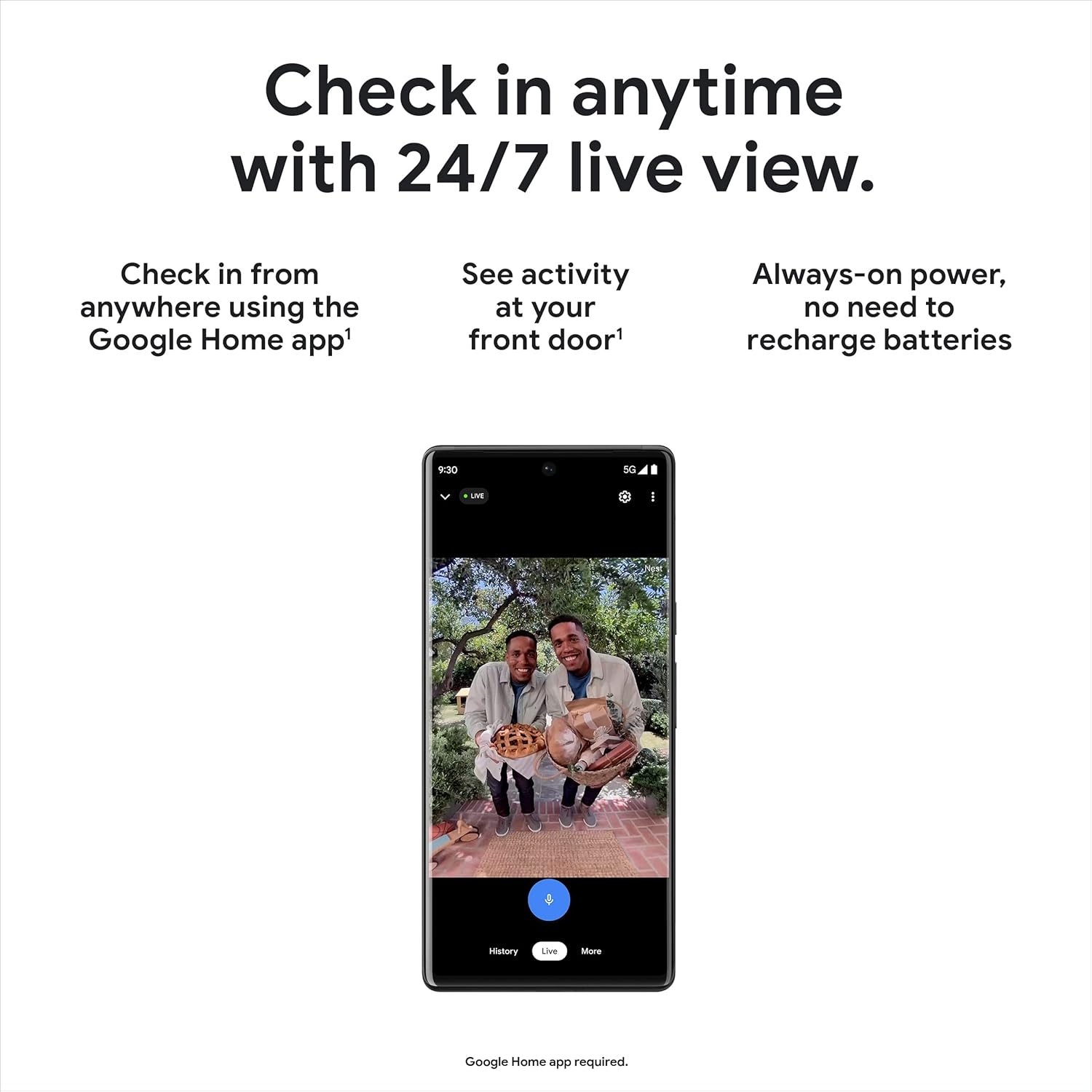
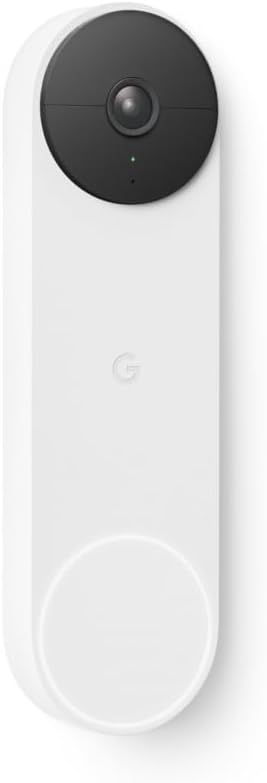
The Nest Doorbell range, including the latest Nest Doorbell gen models such as the Nest Doorbell (battery) and Nest Doorbell (wired, 2nd gen), focuses on tight integration with Google Nest displays and speakers. These doorbells work with Google to show a live video doorbell feed on your Nest Hub when someone presses the doorbell or when motion detection triggers, and they support familiar face alerts in some regions. Nest doorbells lean heavily on cloud storage, and while there is no microsd card slot, the Google Premium Nest Aware subscription adds longer video history and advanced detection options.
TP‑Link Tapo video doorbells and the Link Tapo security cameras appeal to buyers who want local storage and flexible pricing. Many Tapo doorbells, such as the Tapo D230S1 2K QHD model with a 160 degree field view, include a microsd card slot for local storage, so you can keep video clips without paying for cloud storage, while still having the option of a subscription for extra features. If you want a broader overview of modern options, a guide to top modern smart doorbells can help you compare Tapo, Nest, and Reolink video models side by side.
Power, resolution and field of view: what really affects daily use
When you stand at your front door and test a new doorbell camera, three technical details shape your experience. Power source, video resolution, and field view determine how often you see visitors clearly and how often you miss important security events. The best smart doorbells compatible with Google Assistant balance these factors so that the smart video feed remains sharp without draining the battery too quickly.
Battery powered doorbells are ideal for renters or anyone avoiding electrical work, yet they require careful management of motion detection sensitivity to preserve battery life. Wired doorbells, by contrast, can run higher resolution video and more aggressive detection zones because they draw constant power from your existing chime transformer. Some premium models, such as certain Nest Doorbell gen and Doorbell Pro devices, offer HDR video and a tall field view that shows both faces and parcels on narrow porches.
Resolution numbers alone do not guarantee a better image, because lens quality and compression also matter for security. A 2K or 4K doorbell camera with a wide field view can capture more detail at the edges, which helps when reviewing video doorbells footage after a package theft. In one long term test of a 2K Reolink Wi‑Fi doorbell with a 180 degree diagonal field view, for example, license plates remained readable at around 20 feet, while a basic 1080p model in the same spot blurred similar details. For a deeper look at how monitoring and analytics turn smart doorbells into reliable sentinels, you can read about how IoT monitoring transforms smart doorbells into more dependable security cameras.
Cloud storage versus local storage: managing your video securely
Every time your smart doorbell detects motion, it generates video that must be stored somewhere. The best smart doorbells compatible with Google Assistant usually offer a mix of cloud storage and local storage, each with different privacy and cost implications. Choosing between a subscription model and a microsd card slot is as important as choosing the camera itself.
Cloud storage keeps your video doorbell clips on remote servers, which protects them if someone steals the doorbell or damages your home network. Services such as Google Premium Nest Aware add longer history, smarter detection, and easier sharing of video doorbells clips with neighbours or law enforcement when needed. However, ongoing subscription fees can add up, especially if you run multiple security cameras and doorbells with the same account.
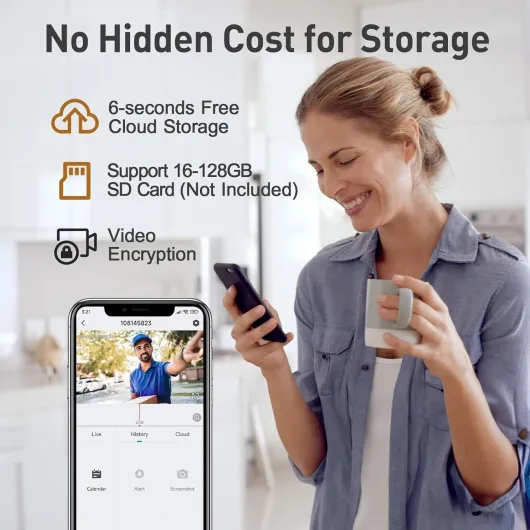
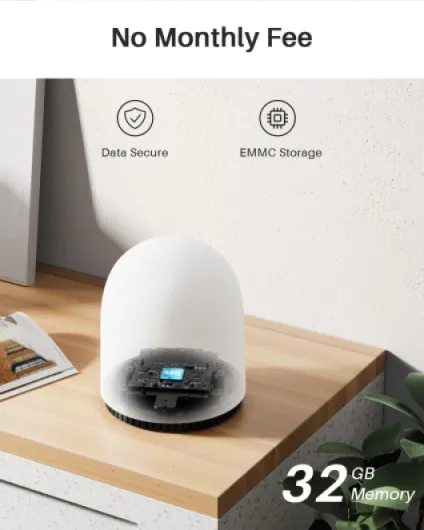
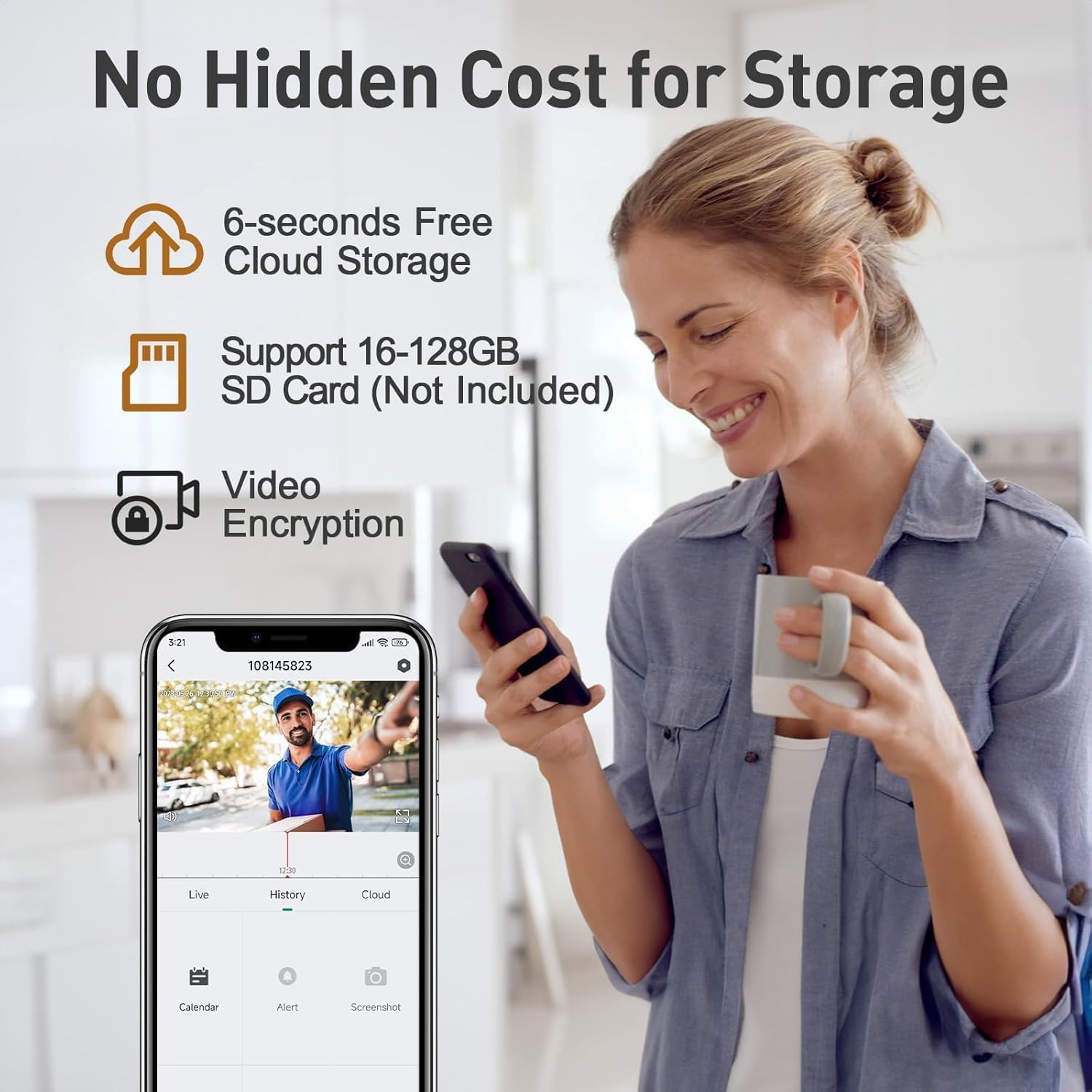
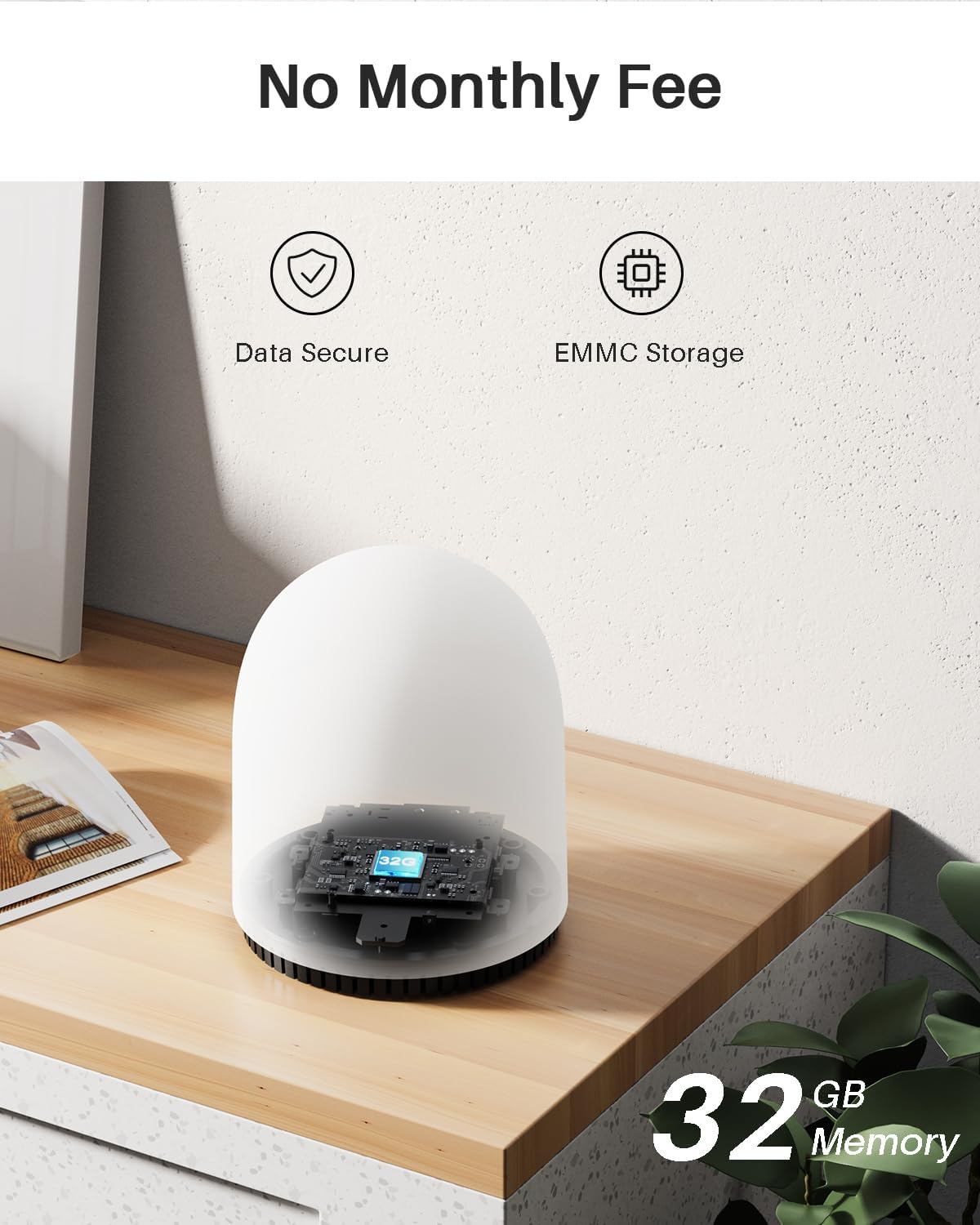
Local storage, often through a microsd card or a local network recorder, keeps your video under your direct control. Brands like Tapo and Reolink video doorbells allow you to combine local storage with optional cloud storage, giving you redundancy without forcing a subscription. In one small apartment test, a 128 GB microsd card in a 2K doorbell stored roughly three weeks of motion events at default settings before overwriting the oldest clips. If you are concerned about how connected devices handle your data, a detailed analysis of risks posed by Internet of Things smart doorbells can help you weigh local versus remote storage with more confidence.
Security, privacy and how Google Assistant fits into your front door
Smart doorbells sit at the intersection of convenience and security, and that tension deserves careful thought. The best smart doorbells compatible with Google Assistant let you answer the door with your voice, yet they must also protect the video and audio they capture every day. When you connect a video doorbell to Google Assistant, you extend your home security cameras into a broader ecosystem that includes speakers, displays, and sometimes smart locks.
Look for models that support encrypted connections, robust account security, and clear privacy controls in the app. A good doorbell camera should let you adjust motion detection zones, disable audio recording if local laws require it, and manage how long video doorbells clips remain in storage with either cloud or local options. When a doorbell works with Google, you should also review your Google account settings, because features like Google Premium services and Google Nest integrations can share notifications across multiple devices.
Some homeowners pair a Nest Doorbell with other Google Nest security cameras to create a unified perimeter, while others mix a Doorbell Pro from one brand with Reolink video cameras elsewhere on the property. Both approaches can work with Google Assistant, but mixing brands may limit advanced automation such as routines that turn on lights when the doorbell gen detects motion. Whatever you choose, treat your smart doorbell as part of a larger security strategy that includes strong passwords, regular firmware updates, and careful control of who can access your video.
Practical buying guide: matching features to different types of homes
Not every home needs the same type of smart doorbell, even among the best smart doorbells compatible with Google Assistant. A small apartment, a suburban house with a long driveway, and a shared entrance in a multi unit building all present different challenges. The right mix of camera resolution, field view, and storage with either cloud or local options depends heavily on your layout.
For renters, a battery powered video doorbell that can work with Google Assistant without rewiring is usually the safest choice. These battery doorbells often attach with adhesive or simple brackets, and they can move with you when you change flats, though you must manage charging cycles carefully. In independent tests of the Nest Doorbell (battery), for instance, typical battery life ranged from around one month in a busy street facing location to close to three months on a quiet side entrance with motion detection tuned down. Look for compact doorbells with a wide field view and reliable motion detection, so you can see visitors even when the camera sits slightly off centre due to limited mounting options.
Homeowners with existing chimes may prefer wired doorbells that integrate into their current electrical system. A wired Doorbell Pro or Nest Doorbell gen model can provide continuous recording, higher resolution video, and more responsive detection, which is useful for monitoring driveways or large front gardens. In larger properties, pairing a main doorbell camera with additional security cameras from the same brand, such as Google Nest or Reolink video units, simplifies management and keeps all alerts within one app alongside Google Assistant notifications.
Future trends in smart video doorbells that work with Google Assistant
Smart doorbells are evolving quickly, and the best smart doorbells compatible with Google Assistant already hint at what is coming next. Manufacturers are refining detection algorithms so that your doorbell camera can distinguish between people, animals, vehicles, and harmless movement like tree branches. This shift reduces notification fatigue and makes video doorbells feel more like intelligent security cameras than simple motion sensors.
We are also seeing more emphasis on flexible storage with hybrid models that combine cloud storage and local storage seamlessly. A single smart video system might record high resolution clips to a microsd card while also uploading key events to the cloud, giving you redundancy without overwhelming your internet connection. As these systems mature, expect tighter integration between Nest Doorbell devices, Doorbell Pro models from other brands, and Google Nest hubs that act as central control panels.
Voice control will remain central, with more routines that work with Google Assistant to automate lighting, announcements, and even parcel delivery workflows. When a doorbell gen detects a visitor, your home could trigger a series of actions across multiple devices, all coordinated through Google. As always, the challenge will be balancing convenience with privacy, ensuring that every new feature in your video doorbell strengthens security rather than simply adding another layer of complexity.
Key figures about smart doorbells and Google Assistant integration
- Industry reports suggest that global smart doorbell shipments now reach tens of millions of units per year, with a substantial share supporting Google Assistant integration through platforms like Google Nest.
- Security specialists commonly observe that households using both a video doorbell and additional security cameras experience noticeably fewer successful porch thefts, because visible cameras and fast notifications deter opportunistic thieves.
- Surveys from major security providers indicate that many smart doorbell owners pay for some form of cloud storage, while a growing minority prefer local storage on a microsd card or network recorder to reduce recurring costs.
- Independent image quality tests generally find that moving from standard HD to higher resolution 2K video can improve how clearly faces appear at typical porch distances, especially when combined with a wider field view.
- Energy consumption measurements show that wired doorbells with continuous recording use modest amounts of electricity over a year, while battery models optimise motion detection to extend battery life to weeks or months between charges.