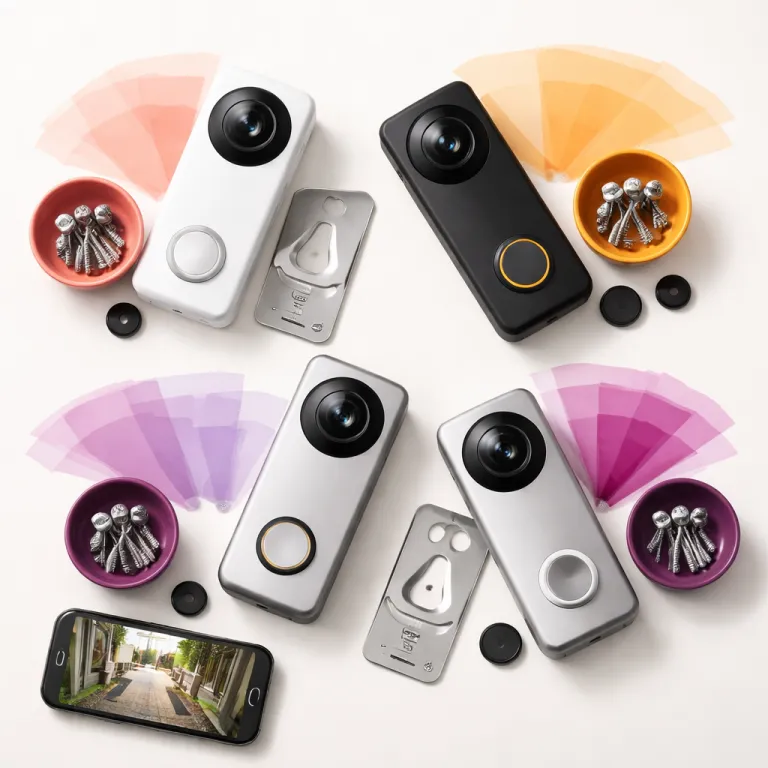
Ring, Nest and eufy video doorbells compared for wide angle security
Among mainstream brands, Ring, Google Nest and eufy video doorbells dominate the conversation about the best smart doorbells with wide angle camera coverage. Each brand takes a different approach to cameras, storage and subscriptions, which matters more over five years than the initial price tag. Understanding how Ring, Nest doorbell models and eufy video doorbells handle video storage, cloud storage and local storage will help you avoid paying for features you never use.
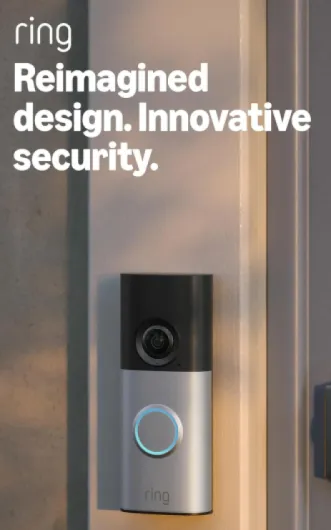
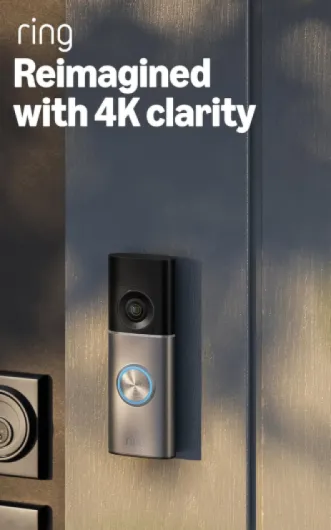
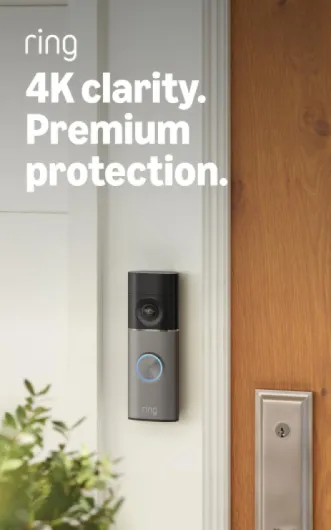
Ring video doorbells, including the Ring Wired and Ring Doorbell Pro lines, focus heavily on cloud storage and tight integration with Amazon Alexa. A typical Ring video doorbell offers a wide field of view around 150–160 degrees, strong night vision and reliable motion detection, but you need a Ring subscription for long term video storage beyond a short trial. As of early 2024, Ring Protect Basic in the US is usually priced around $4 per month per device, with Plus plans covering multiple cameras at a higher monthly fee. If you already live in the Amazon ecosystem and use Echo speakers or Fire TV, Ring doorbells can be the best choice, especially when you want to see the camera feed on multiple screens at once.
Google Nest doorbell models, both wired and battery versions, lean on Google’s AI for smart detection. A Nest Doorbell camera can distinguish between people, animals and vehicles, and some Nest doorbells can even recognise familiar faces when you enable that feature, which makes notifications more meaningful. In 2024, the Nest Aware subscription that unlocks extended history and rich detection typically starts at a single monthly fee for all cameras on an account, with higher tiers adding more days of video. If you rely on Google services and use Nest Hub displays, a Nest doorbell integrates smoothly, and the Google Home or Google Nest app makes it easy to scroll through video storage with clear event labels.
By contrast, many eufy video doorbells emphasise local storage rather than mandatory cloud storage. Several eufy video doorbell cameras include built in memory or a base station that stores encrypted clips at home, which reduces ongoing subscription costs and keeps your security video under your direct control. For privacy focused buyers, this approach can be the best smart doorbell with wide angle camera strategy, because it combines a strong field of view with less dependence on remote servers.
First time buyers often ask whether Ring or Nest offers the best video quality and security features. A detailed comparison of Ring Doorbell versus Nest Doorbell for new users, such as an honest breakdown of motion detection, subscription tiers and integration with Alexa and Google ecosystems, can clarify which brand matches your habits. In general, Ring excels with Amazon Alexa households and simple cloud plans, while Google Nest shines for people who want advanced AI detection and deep integration with other Google services.
Whichever brand you choose, pay attention to whether you want a battery powered or wired doorbell. Battery models are easier to install and suit renters, but wired doorbells avoid recharging and can power more advanced cameras and always on pre roll video, which captures a few seconds before motion detection triggers. Matching the power source to your home layout and patience for maintenance is as important as comparing the headline camera specifications.
| Brand / model (example) |
Resolution |
Approx. field of view |
Primary storage |
Typical subscription need |
| Ring Doorbell Pro line |
1080p–1536p |
~150–160° wide angle |
Cloud recording |
Required for multi day history |
| Google Nest Doorbell |
HD–2K class |
~145–160° diagonal |
Cloud plus limited onboard |
Needed for extended history and AI |
| eufy battery doorbells |
2K (2560×1920) typical |
~160° wide angle |
Local base station / microSD |
Optional cloud backup only |
Battery versus wired smart doorbells and what it means for video
Choosing between a battery powered and wired smart doorbell directly affects how your camera behaves. A wired video doorbell can record longer clips, maintain constant Wi Fi connectivity and support more aggressive motion detection without worrying about draining the battery. In contrast, a battery doorbell camera often limits pre roll video and reduces how frequently it checks for movement, which can slightly narrow the effective field of view in real use.
Battery smart doorbells remain popular because they avoid electrical work. A battery video doorbell can usually be installed with basic tools in under an hour, and many models now last several months between charges, depending on how busy your front door is. If you live in a flat or rented house where you cannot easily access existing doorbell wiring, a battery powered option may be the only realistic path to upgrading your security cameras.
Wired doorbells, including Ring Wired and some Nest Doorbell Pro models, draw power from your existing chime transformer. This constant power supply allows the camera to maintain higher bit rate video, more responsive live view and richer night vision, which all contribute to the best video quality. When you pair a wired doorbell pro with a strong Wi Fi signal, the result is usually smoother streaming to both phones and smart displays, whether you use Amazon Alexa or Google Nest Hubs.
Some advanced wireless video doorbells now offer both local storage and optional cloud storage. For example, a wireless 2K video doorbell camera with no mandatory monthly fee can use a microSD card or base station for local storage, while still offering cloud backup as an extra. Independent hands on tests of 2K wireless video doorbell cameras with PIR motion detection, two way audio, SD card and cloud options consistently show that careful tuning of detection zones is essential to avoid filling storage with irrelevant clips.
When you compare battery and wired models, think about how often you want to interact with the hardware. If you choose a battery doorbell, plan where you will recharge it and whether you prefer removable battery packs or taking the whole unit down, because frequent handling can affect the camera alignment and field of view. With wired doorbells, the main maintenance task becomes keeping the firmware updated and occasionally cleaning the camera glass so that night vision and motion detection remain accurate.
Installation complexity should not scare you away from wired options if they better suit your security needs. Many modern video doorbells include clear wiring diagrams, and professional installation costs are often modest compared with the long term value of stable power and consistent video storage. If you are unsure, look for detailed hands on reviews of easy to install wireless and wired video doorbell cameras that explain how PIR motion detection, SD card recording and cloud features behave in real homes, rather than relying only on spec sheets.
Cloud storage, local storage and the real cost of subscriptions
Behind every smart doorbell with a wide angle camera sits a business model built on storage. When you buy what looks like one of the best smart doorbells with wide angle camera coverage, you are also committing to a video storage strategy that can quietly double the total cost over several years. Understanding the balance between cloud storage, local storage and optional subscription plans is essential if you want your doorbell cameras to remain affordable.
Cloud storage is convenient because your video clips are saved off site. Most major brands, from Ring to Google Nest, offer tiered cloud storage subscriptions that determine how long your video doorbell history is kept, how many cameras you can connect and whether advanced detection features are unlocked. These subscriptions often start with low monthly prices, but over time the cumulative cost can exceed the original price of the doorbell pro hardware, especially if you add multiple video doorbells around your property.
Local storage, by contrast, keeps your security footage on a device you control. Some smart doorbells include built in memory, while others rely on a base station or a microSD card to store video locally, which can significantly reduce ongoing costs and limit exposure if a cloud account is compromised. For privacy conscious users, a hybrid approach that combines local storage for routine clips with optional cloud storage for critical events can offer the best balance between control and resilience.
Subscription creep is a growing concern in the smart home market. Analyses of how smart doorbell subscriptions can quietly double in price over five years show that small increases, extra cameras and add on features like extended video history can accumulate into a substantial monthly bill. Before you commit to any leading doorbell candidate, read the fine print on subscription tiers, check whether discounts apply for multiple cameras and consider whether you truly need 60 days of history for every door.
Some brands now market video doorbells with no mandatory subscription, relying instead on generous local storage. These models often include a microSD card slot or a bundled base station, and they may still offer optional cloud storage for those who want remote backup, which keeps flexibility high. When you evaluate such cameras, confirm how encrypted the local storage is, whether you can export clips easily and how the device handles full storage, because automatic overwriting can erase important security footage if detection settings are too sensitive.
Ultimately, the best smart doorbells with wide angle camera systems are those whose long term costs match your expectations. A slightly more expensive doorbell camera with robust local storage and a modest optional subscription can be cheaper over five years than a budget model that requires a premium cloud plan for basic features. Take the time to calculate the total cost of ownership, including hardware, subscriptions and any extra storage accessories, before you decide which video doorbells deserve a place on your wall.
Smart integrations with amazon alexa and google for everyday use
A smart doorbell only feels truly smart when it works smoothly with the rest of your home. Integration with Amazon Alexa, Google Assistant and other platforms determines how quickly you can see the camera feed, respond to visitors and manage security alerts. When you shortlist the best smart doorbells with wide angle camera coverage, check compatibility with your existing speakers, displays and phones before you fall in love with any single camera specification.
Ring doorbells are tightly integrated with Amazon Alexa devices. You can ask an Echo Show to display the front door camera, receive spoken alerts when someone presses the doorbell and even use routines that turn on lights when motion detection triggers, which extends the practical field of view of the cameras at night. For households already invested in Alexa, a Ring Wired or Ring Doorbell Pro model can feel like a natural extension of the existing smart home rather than a separate gadget.
Google Nest doorbell models, on the other hand, work best in homes built around Google services. A Nest Doorbell camera can stream to Nest Hub displays, send rich notifications to Android phones and integrate with Google Home routines that adjust lighting or lock doors when motion is detected. If you use both Alexa and Google ecosystems, you will need to check carefully which video doorbells support dual integration, because some features, such as advanced detection or best video streaming, may only be available on one platform.
Voice control is not the only integration that matters. Many smart doorbells now link with security cameras, alarm systems and smart locks, allowing you to see a visitor on the doorbell camera, unlock the door remotely and record the entire interaction on multiple cameras for stronger security. When you evaluate doorbell cameras, consider whether they can join a broader security system over time, rather than remaining a standalone video doorbell with limited automation potential.
Notification quality can make or break the daily experience of using video doorbells. The best smart doorbells with wide angle camera setups send timely, relevant alerts that distinguish between people, packages and general motion, which reduces notification fatigue and keeps you responsive to real events. Look for apps that allow you to fine tune detection zones, adjust sensitivity and choose which types of events trigger alerts, because a wide field of view without smart filtering can flood your phone with unnecessary pings.
Finally, think about how guests and family members will interact with the system. Some of the best doorbell options allow multiple user accounts, temporary access for visitors and shared video storage, which is useful in multi generational homes or shared housing. A smart, well integrated doorbell camera should make life easier for everyone at the property, not just the person who set up the app, and that often depends more on software design than on raw camera specifications.
Image quality, cls fill issues and what to check in reviews
Image quality in smart doorbells is about more than resolution numbers on the box. The best smart doorbells with wide angle camera hardware combine a sharp sensor, good lens and efficient compression to deliver clear video that loads quickly on phones and smart displays. When you read reviews, pay attention to how the camera handles backlighting, fast movement and night vision, because these real world conditions reveal weaknesses that specifications hide.
One subtle issue that affects user experience is how quickly video loads when you open a live view or tap a notification. Slow loading can create layout shifts in apps and web interfaces, sometimes referred to as cumulative layout shift or CLS, which can make it harder to tap the right controls when you are in a hurry. Well designed video doorbell apps pre load key interface elements and fill the screen gracefully as the video stream connects, reducing CLS fill problems and making the system feel more responsive.
Field of view and distortion are also critical factors. A doorbell camera with a 160 degree horizontal field of view may sound impressive, but if the lens introduces heavy fisheye distortion at the edges, faces and licence plates can become hard to read, especially in night vision mode. Look for sample clips that show people standing near the edge of the frame, and check whether the doorbell cameras maintain enough detail across the entire image to support real security needs.
Compression and bit rate determine how well motion is captured. Some video doorbells reduce bit rate aggressively to save on cloud storage costs, which can cause smearing or blocky artefacts when someone moves quickly across the field of view, undermining the best video claims in marketing. When possible, compare how different doorbell pro models handle the same scene, and note whether local storage options allow higher quality recording than cloud storage tiers.
Audio quality should not be overlooked either. A smart doorbell with poor microphones or echo prone speakers can make two way conversations frustrating, even if the camera itself is excellent, and this matters when you need to speak to delivery drivers or visitors while away. Reviews that include real world audio samples, especially in windy or noisy streets, are more valuable than those that only mention video resolution and detection features.
Finally, consider how firmware updates affect performance over time. Some brands improve detection algorithms, night vision tuning and app stability through regular updates, while others introduce new subscription tiers that change how much video storage you get for free. Before you commit, scan long term user feedback to see whether the best doorbell models you are considering have maintained or lost quality after major software changes, because your experience will evolve with each update.
Practical buying guide for first time smart doorbell owners
For a first time buyer, the smart doorbell market can feel crowded and confusing. A structured approach helps you identify the best smart doorbells with wide angle camera options for your specific doorway, budget and privacy expectations. Start by measuring your entrance, checking Wi Fi strength at the door and deciding whether you prefer a battery or wired installation, because these basics narrow the field quickly.
Next, define your security priorities. If you mainly want to see parcels and visitors clearly, focus on a wide vertical field of view, strong night vision and reliable motion detection, rather than chasing the highest resolution numbers or the most complex AI features. Households concerned about broader perimeter security may want multiple video doorbells and supporting cameras that share a single app and subscription, which makes managing video storage and alerts more efficient.
Budget planning should include both hardware and ongoing costs. List the price of each doorbell camera, the cost of any required chime or base station, and the monthly or annual subscription fees for cloud storage and advanced detection, then project these over several years. You may find that a slightly more expensive doorbell pro model with generous local storage and optional cloud storage offers better long term value than a cheaper camera that locks essential features behind a subscription.
Privacy and data control deserve careful thought. If you are uncomfortable with continuous cloud recording, prioritise models that support encrypted local storage on a microSD card or base station, and check whether you can disable cloud uploads entirely while still receiving motion alerts. Some users prefer brands that store video primarily on device and only send metadata to servers, which can still support smart detection without exposing every clip to remote analysis.
Finally, test the user experience as much as possible before committing. If friends or neighbours use smart doorbells, ask to see how quickly their apps open live video, how clear the night vision looks and how easy it is to scroll through past events, because these daily interactions matter more than any single specification. A doorbell that your whole household finds intuitive, from answering calls to managing video storage, will provide more reliable security than a technically superior camera that nobody enjoys using.
Key statistics about smart doorbells and home security
- Market research from Strategy Analytics reported in 2022 that smart doorbell shipments grew by more than 25 percent year on year in Europe, reflecting rapid adoption as homeowners seek affordable video based security. Exact figures vary by report and region, but the overall trend is strong growth.
- A consumer survey by Parks Associates, published in 2021, found that over 40 percent of smart doorbell owners primarily value the ability to see and speak with visitors remotely, while only about 20 percent cited recorded video storage as their top priority. Methodology and sample size differ between studies, yet most show live interaction as the main driver.
- Testing by independent reviewers such as Wirecutter in 2023 has shown that wide angle video doorbells with at least a 150 degree field of view can capture significantly more relevant motion events, such as parcel deliveries, than models with narrower lenses in identical mounting positions. In some controlled tests this difference has approached 30 percent more captured events.
- Data from the UK Office for National Statistics (ONS) on crime in England and Wales, summarised in 2022, indicates that properties using visible security devices, including video doorbells and cameras, experience burglary rates noticeably lower than similar homes without such equipment. Individual studies have reported reductions of around 30 percent, although exact percentages depend on area and time period.
- Energy usage measurements from several manufacturers suggest that wired smart doorbells typically consume less than 3 watts on average, which translates to only a few kilowatt hours per year and a very small impact on household electricity bills. Battery models shift this cost into recharging rather than continuous draw.