Key features that define the best smart doorbells with night vision
When you compare the best smart doorbells with night vision, start with resolution and frame rate. A full HD or higher video doorbell with at least 15 frames per second will capture smoother motion, making it easier to follow a person walking across your front door area. Independent tests from outlets such as Wirecutter and PCMag routinely show that 1080p or 2K models at 15–24 fps retain more facial detail at night than 720p cameras with 10 fps streams, especially when subjects move quickly.
Next, examine how each smart doorbell handles storage and subscription plans, because this shapes long term costs and how much night footage you can actually keep. Some video doorbells rely mainly on cloud storage, where you pay a monthly subscription for extended video storage history and advanced features such as smart alerts. Others combine cloud with local storage on a microSD card or base station, which can reduce subscription pressure while still keeping important clips safe and accessible during internet outages.
Integration with voice assistants is another decisive factor for many households. A doorbell that works with Amazon Alexa or Google Assistant lets you call up a live view on a compatible screen, using simple voice commands at any time. When a doorbell works with both ecosystems, often described as dual-assistant or cross-platform compatibility, it offers more flexibility if you change platforms later or mix different smart speakers around the home.
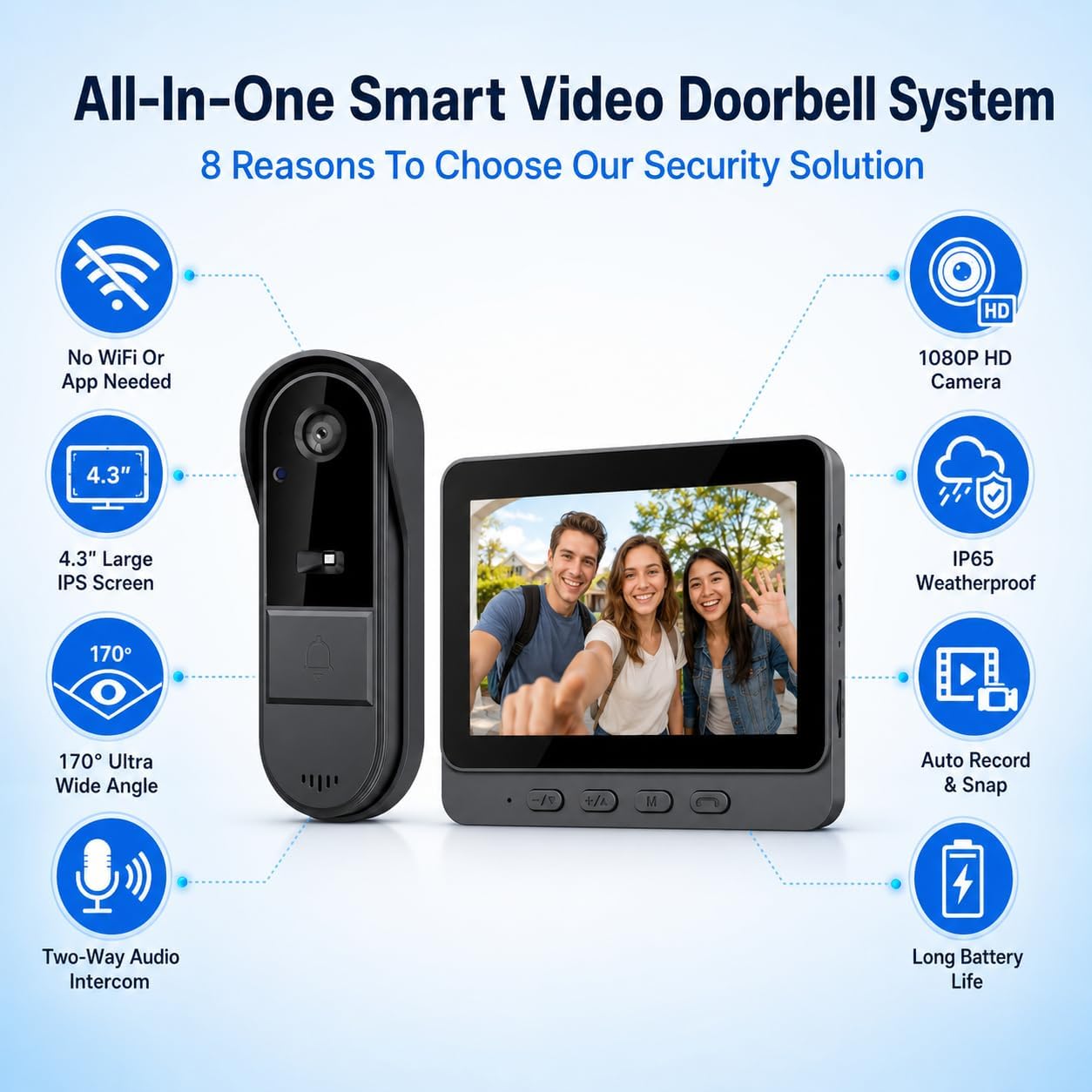
Power options also separate different models in this crowded market. Wired doorbells draw constant power from existing chimes, which supports continuous recording, higher bit rate video, and advanced analytics without worrying about battery drain, but installation can be more complex in older buildings. Battery powered doorbells are easier to mount and move, yet you must track battery life carefully so that your doorbell camera never goes dark at a critical moment.
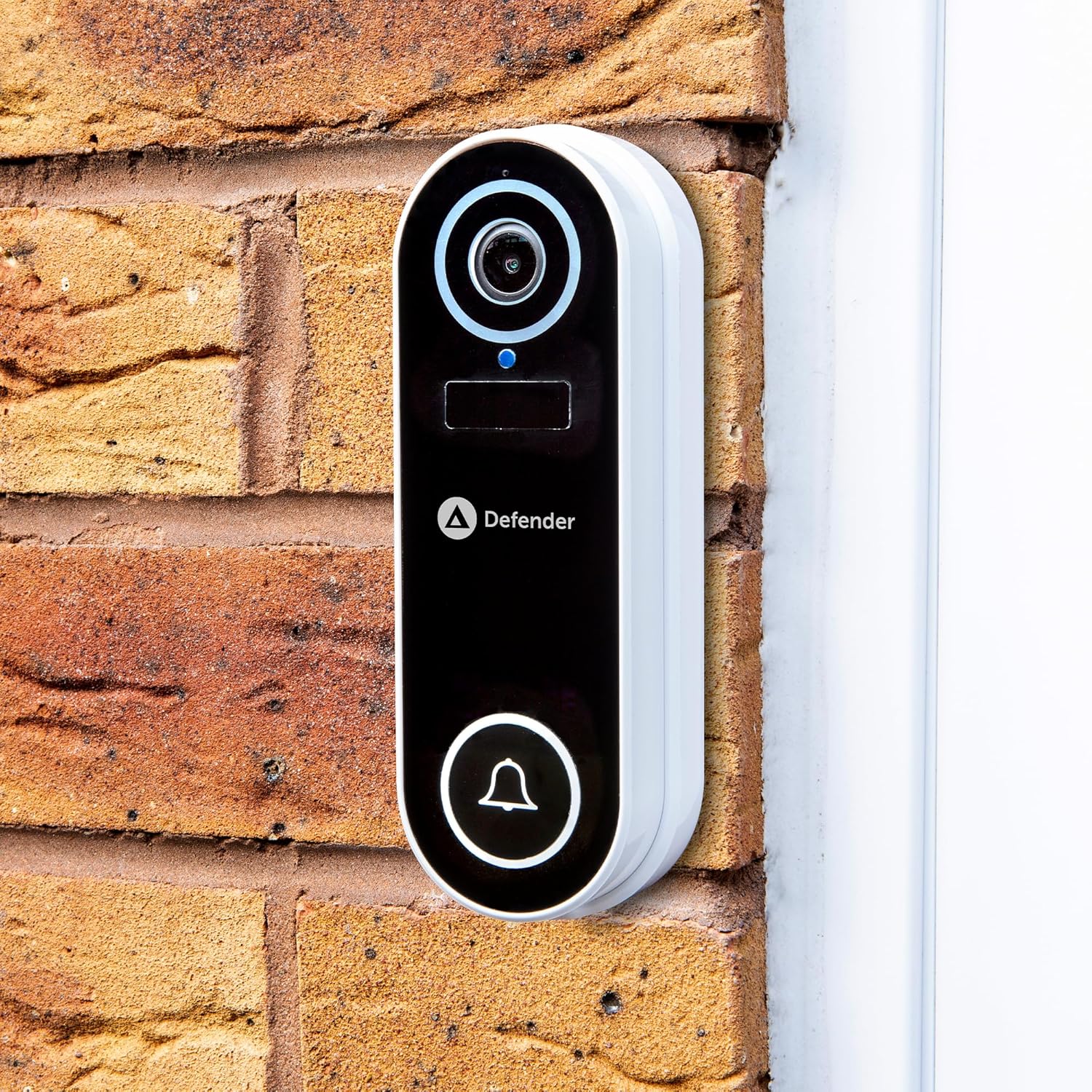
Design and durability deserve attention, especially if your front door faces harsh weather. Look for a doorbell pro model or similar premium doorbells with solid weather sealing, impact resistant housings, and clear camera glass that resists scratches. For readers comparing modern aesthetics, a curated list of top modern smart doorbells can help you balance style with robust security features and ensure that the device still looks good after years of sun, rain, and dust exposure.
Cloud storage, local storage, and how to protect your video
Every smart doorbell with night vision generates sensitive video, so your choice between cloud storage and local storage has real privacy implications. Cloud based video storage keeps clips on remote servers, which is convenient for accessing footage from any device but requires trust in the provider’s security practices and retention policies. Local storage on a hub or card keeps video physically closer to you, yet it can be lost if the device is stolen during a break in or damaged in bad weather.
Many of the best smart doorbells with night vision now offer hybrid models that combine both approaches. You might keep recent motion events in local storage for quick access, while paying a modest subscription for longer term cloud backups of critical security cameras footage. This layered strategy means that even if your doorbell is damaged, your most important video clips remain preserved off site and can be exported at full resolution for insurance or law enforcement.
When evaluating subscription plans, read the fine print about how long video doorbells retain recordings and at what resolution. Some entry level plans compress video heavily or shorten retention periods, which can undermine the best video quality that your camera hardware can produce. If you rely on a Nest doorbell or Ring video doorbell for legal evidence, you want clear terms about video storage duration, export options, and whether night recordings are stored at the same bit rate as daytime footage.
Smart home connectivity also influences how securely your doorbell works with other devices. A doorbell that works with Amazon Alexa and Google Assistant should support encrypted streams and strong account authentication, reducing the risk that someone intercepts your front door feed. To understand how wireless signals affect both performance and security, consult a technical guide on how Bluetooth frequency shapes smart doorbell security and performance and compare it with the Wi-Fi specifications in each product’s manual.
Finally, think about what happens during internet outages or power cuts. Wired doorbells without backup may stop sending video to the cloud, while some battery powered models can keep recording locally until connections return. The best smart doorbells with night vision combine resilient power, flexible storage, and transparent privacy controls so that your security cameras remain trustworthy under stress.
Battery powered vs wired smart doorbells at the front door
Choosing between battery powered and wired smart doorbells shapes how you use night vision in daily life. A wired video doorbell draws steady power, which supports continuous recording, higher bit rate video, and sometimes better color night performance without worrying about battery drain. In contrast, a battery powered doorbell camera often relies on motion activation and power saving modes, which can slightly delay recording when someone approaches your front door.
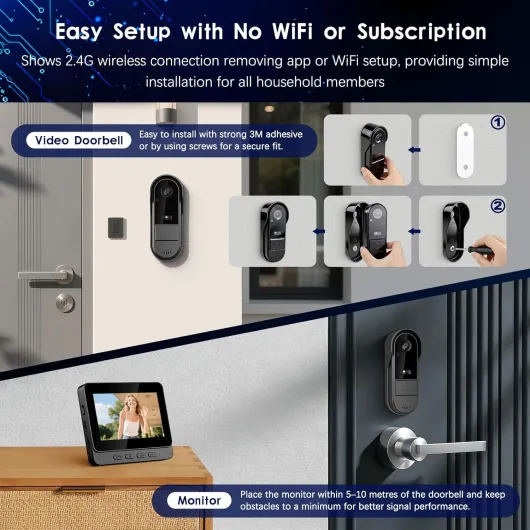
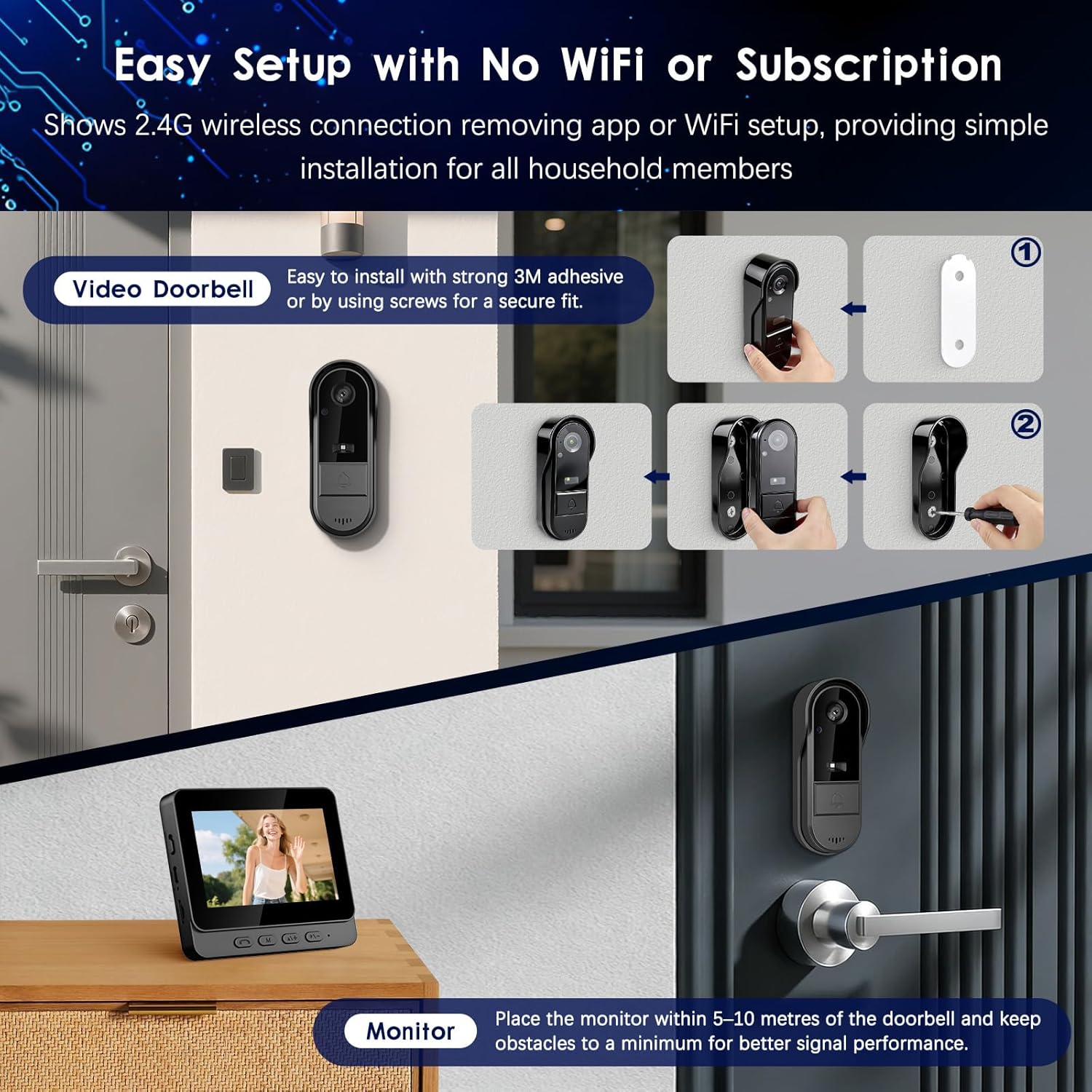
Installation is usually easier with battery powered doorbells, because you can mount them almost anywhere with strong Wi Fi coverage. Renters and people in older buildings often prefer these smart doorbells, since they avoid modifying existing electrical wiring or chimes. However, you must plan for regular charging or swapping of the battery, especially if your security cameras face a busy street that triggers frequent motion events and keeps the infrared LEDs active for long periods.
Wired doorbells integrate neatly with traditional chimes and can support advanced features such as pre roll video, where the camera records a few seconds before motion is detected. This pre roll capability can be crucial when reviewing night vision clips, because it shows how someone approached your front door rather than only the moment they pressed the doorbell. Many doorbell pro models from major brands use wired power precisely to enable these richer video features and maintain consistent frame rates after dark.
Weather and temperature also influence battery performance in real homes. In cold climates, battery powered video doorbells may lose capacity faster, which shortens the time between charges and can affect how long night vision recording remains active. Wired smart doorbells avoid this issue, but they require a stable power supply and professional installation in some cases, particularly when upgrading older low-voltage systems.
When you compare the best smart doorbells with night vision on retailers such as Amazon, check whether each model offers both wired and battery configurations. A flexible design lets you start with a battery powered setup and later convert to wired when you renovate your front door area. This adaptability protects your investment as your home wiring, security cameras, and smart home platforms evolve.
How ecosystems, apps, and assistants shape your smart doorbell experience
The ecosystem around your smart doorbell often matters as much as the camera itself. A video doorbell that works with Amazon Alexa, Google Assistant, and other platforms gives you more ways to control and view your security cameras. When a doorbell works with both Amazon Alexa and Google Assistant, sometimes marketed as multi-assistant compatibility, you gain flexibility if you switch smart speakers later or add new displays in different rooms.
App design strongly affects how you use night vision footage day to day. Clear timelines, quick access to live view, and simple controls for sharing video clips make it easier to respond when something happens at your front door. If the app for your Nest doorbell or Ring doorbell camera feels slow or cluttered, you may miss important alerts or delay checking suspicious motion at night, even if the underlying hardware is excellent.
Look closely at how each app handles privacy and notifications. The best smart doorbells with night vision let you fine tune motion zones, adjust sensitivity, and mute alerts during specific hours so that passing cars do not flood your phone with notifications. Granular controls also help preserve battery life on battery powered doorbells, because the camera records only when motion in defined zones truly matters and can reduce unnecessary infrared activation.
Smart integrations can extend your security beyond the doorbell itself. Some video doorbells trigger linked security cameras or indoor lights when motion is detected, creating a layered deterrent effect around your home. When your doorbell camera works with other devices through routines, a person approaching your front door at night may face both bright lights and a recording camera, which discourages opportunistic intruders and improves the clarity of night vision recordings.
Retail ecosystems influence support and accessories as well. Buying a doorbell from Amazon or another major retailer can simplify returns, warranty claims, and access to compatible chimes or mounts. Over time, a strong ecosystem around your chosen doorbells ensures that your night vision security setup remains easy to manage, expand, and repair as new accessories and firmware updates appear.
Real world buying guide for the best smart doorbells with night vision
When you stand in front of a crowded shelf or scroll through endless listings, a structured checklist helps you identify the best smart doorbells with night vision for your home. Start by measuring your front door area and noting the distance from the mounting point to the street or gate, because this defines the field view and night vision range you actually need. A compact apartment landing may work well with a narrower camera angle, while a detached house with a long driveway benefits from a wider field of view and stronger infrared illumination.
Next, decide how you feel about ongoing subscription costs for cloud storage. If you prefer predictable monthly fees in exchange for long term video storage and advanced analytics, a Nest doorbell or Ring video doorbell with robust cloud plans may suit you. If you want to avoid subscriptions, look for doorbells that emphasize local storage, such as models that support microSD cards or base stations similar to the Link Tapo ecosystem.
Check compatibility with your existing smart home gear before you commit. A doorbell that works with Amazon Alexa, Google Assistant, and other platforms will integrate more smoothly with your current speakers, displays, and security cameras. If you already use multiple assistants, prioritize doorbells marketed as compatible with both major voice ecosystems to avoid lock in and keep your options open for future upgrades.
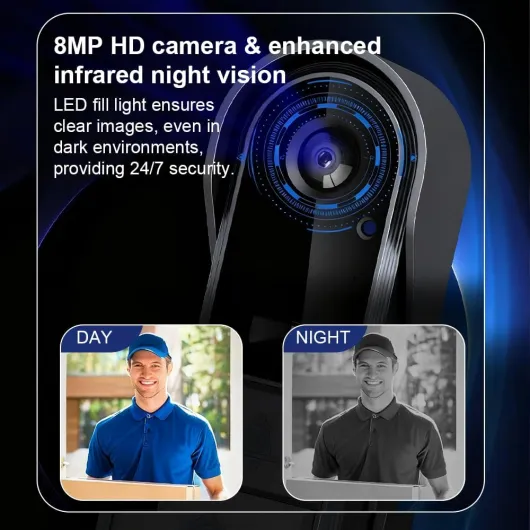
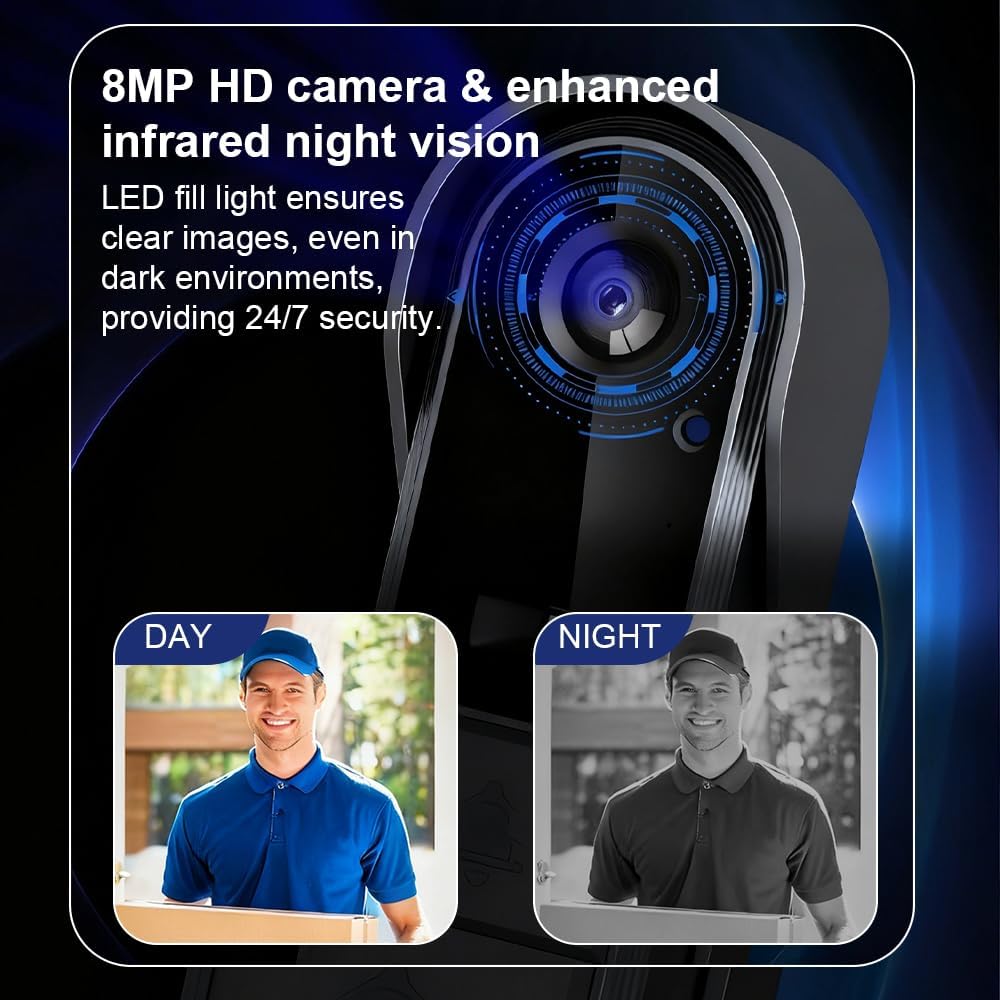
Pay attention to advertised night vision specifications, but also read independent tests and user feedback. Claims about color night modes, best video quality, and extended range sometimes depend on ideal conditions that differ from your front door lighting. Look for consistent reports that the doorbell camera maintains clear video in rain, fog, and mixed lighting from nearby streetlamps, and note any measured ranges in meters or lux thresholds mentioned in reviews.
Finally, balance price against long term reliability and support. A slightly more expensive doorbell pro model with strong customer service, regular firmware updates, and transparent privacy policies often delivers better value than a cheaper alternative with weak support. For deeper technical comparisons and performance data, consult reputable organizations such as Consumer Reports, Wirecutter, and independent security labs that specialize in testing smart home cameras under controlled low light conditions.
Key figures about smart doorbells and night vision security
- According to Consumer Reports’ 2023 testing of video doorbells, more than half of evaluated models showed significantly reduced image quality in low light compared with daytime performance, highlighting why careful evaluation of night vision is essential for real security. Their published ratings detail measured resolution, contrast, and motion clarity scores for each device.
- Data from Strategy Analytics’ Smart Home Devices report (2022) indicated that smart doorbells accounted for roughly one fifth of all smart home security cameras sold globally, reflecting how central the front door has become in connected home protection and remote monitoring.
- A survey by the National Crime Prevention Council in 2021 reported that visible cameras and video doorbells at entry points can reduce opportunistic burglary attempts by up to one third, especially when combined with lighting and clear signage that signals active recording.
- Research from Parks Associates in 2022 found that more than two thirds of smart doorbell owners subscribe to some form of cloud storage plan, showing how subscription based video storage has become a standard part of the buying decision and long term cost of ownership.
- Testing by independent reviewers such as Wirecutter and PCMag has shown that doorbells with color night vision can capture up to twice as much identifiable detail in low light scenes compared with traditional black and white infrared video, particularly when measuring readable facial features and license plates at 3–6 meters.