Key features that separate average and best audio smart doorbells
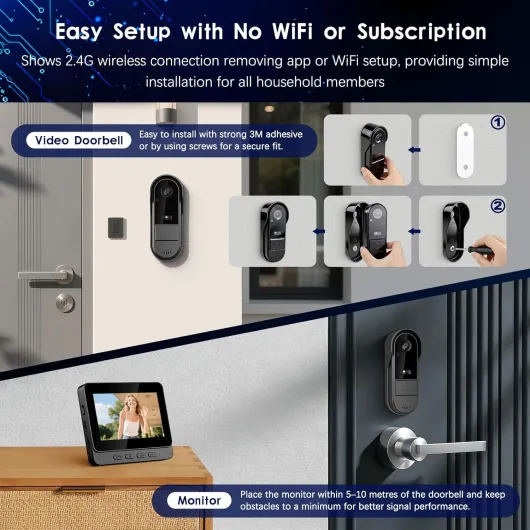
Several technical details determine whether a smart doorbell delivers consistently clear sound at your front step. The first is connectivity, because even the best video stream and the most advanced microphones will stutter if your Wi‑Fi signal is weak or your router struggles with multiple security cameras and video doorbells at once. Before buying, check whether the doorbell supports both 2.4 GHz and 5 GHz bands, and whether your home layout allows a stable signal between the door and the router.
Audio processing is the second major factor, and here the best audio smart doorbells use digital signal processing to reduce echo, suppress wind noise, and prioritize human speech over background sounds such as traffic or rain. In Wirecutter’s long-term testing of leading smart doorbells (New York Times Wirecutter guide “The Best Smart Doorbell Camera,” updated January 2024), reviewers noted that the Nest Doorbell (battery) preserved more natural voice tone, while the Ring Video Doorbell 4 applied stronger noise reduction that slightly compressed voices but kept them intelligible beside a busy road. A well-tuned doorbell camera should let you distinguish words clearly even when a delivery driver stands to the side of the frame or when the camera is mounted near a busy road.
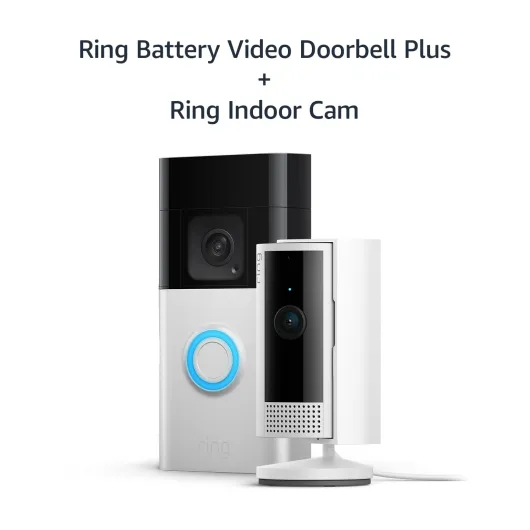
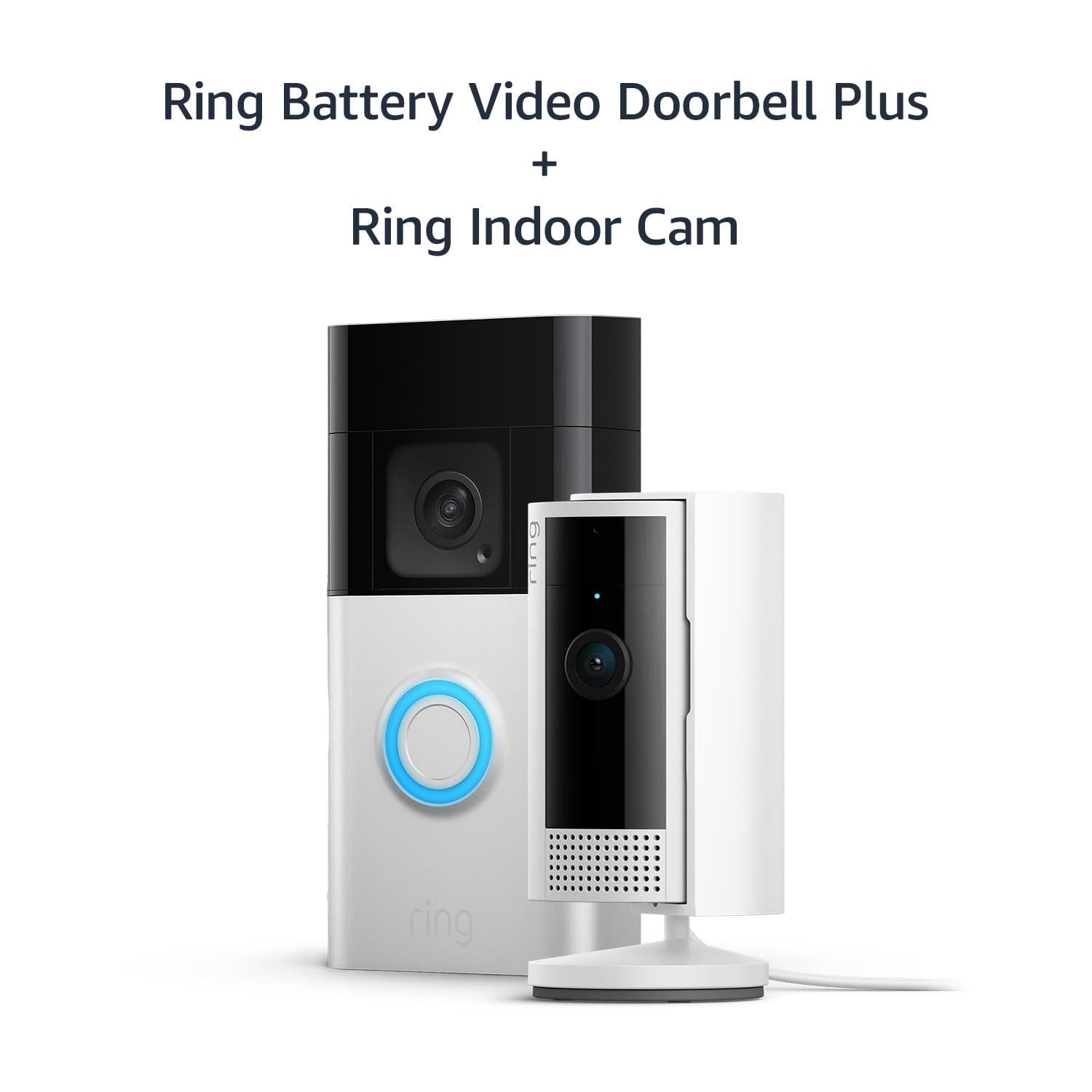
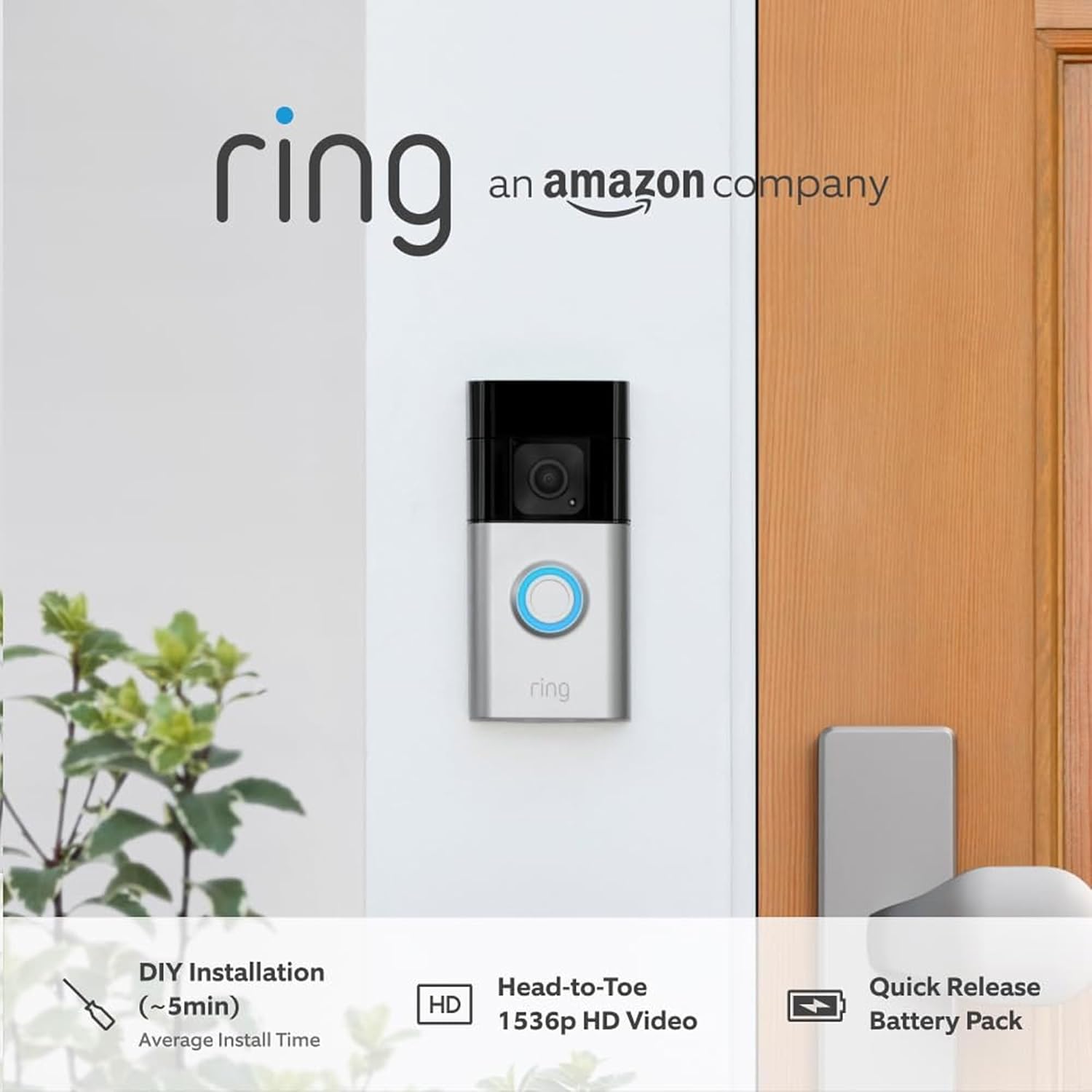
Power design also matters, because a wired doorbell can usually drive stronger speakers continuously, while a battery doorbell must conserve energy and may limit maximum volume or microphone sensitivity. Some of the best audio smart doorbells, such as Ring Battery models and the latest Nest Doorbell battery versions, offer both wired and battery options so you can choose between easier installation and more robust performance. For a deeper comparison of how these trade-offs play out in practice, long-form hands-on reviews of the best smart doorbells after months of testing provide valuable insight into how audio, video storage, and motion detection behave in real homes.
Power, storage, and subscriptions for audio focused buyers
Once you care about audio quality, you quickly realize that storage, battery life, and subscription plans all shape how your smart doorbell behaves day to day. A battery-powered video doorbell that records every second of audio and video to the cloud will drain faster than a wired model that only wakes on motion detection or button presses. If you want the best audio smart doorbells to capture every conversation at the door, you must balance recording modes with realistic expectations about charging or wiring.
Storage options fall into three broad categories, and each affects how your audio clips are saved and accessed. Cloud storage through a subscription service such as Ring Protect or Nest Aware keeps video storage and audio recordings on remote servers, which is convenient for accessing clips from multiple devices but raises privacy questions and ongoing costs. Local storage, often via a microSD card in a base station or hub, keeps your doorbell camera’s recordings inside your home, which appeals to privacy-conscious users who prefer not to send every video doorbell clip to the cloud.
Hybrid systems combine local storage with optional cloud backups, and these are increasingly common in ecosystems such as TP-Link Tapo where a Tapo hub can store footage from several cameras and doorbells at once. When you compare the best audio smart doorbells, pay attention to whether advanced features such as person detection, package detection, or extended video storage require a subscription, because those fees add up over time. Detailed product tests of wireless 2K video doorbell camera systems with no monthly fee show that it is possible to get strong audio, night vision, and PIR motion detection while relying mainly on local storage, but you must accept trade-offs in cloud convenience and some smart analytics.
Field of view, video performance, and how they support audio
Audio quality does not exist in isolation, because the way a camera sees your porch influences how you hear and respond to visitors. A wide field of view on a video doorbell helps you see people standing off to the side, packages on the ground, and even pets wandering near the door, which in turn makes your audio conversations more informed and less stressful. When you can match a clear voice to a clear image, you are more confident about granting access, giving instructions, or challenging suspicious behaviour.
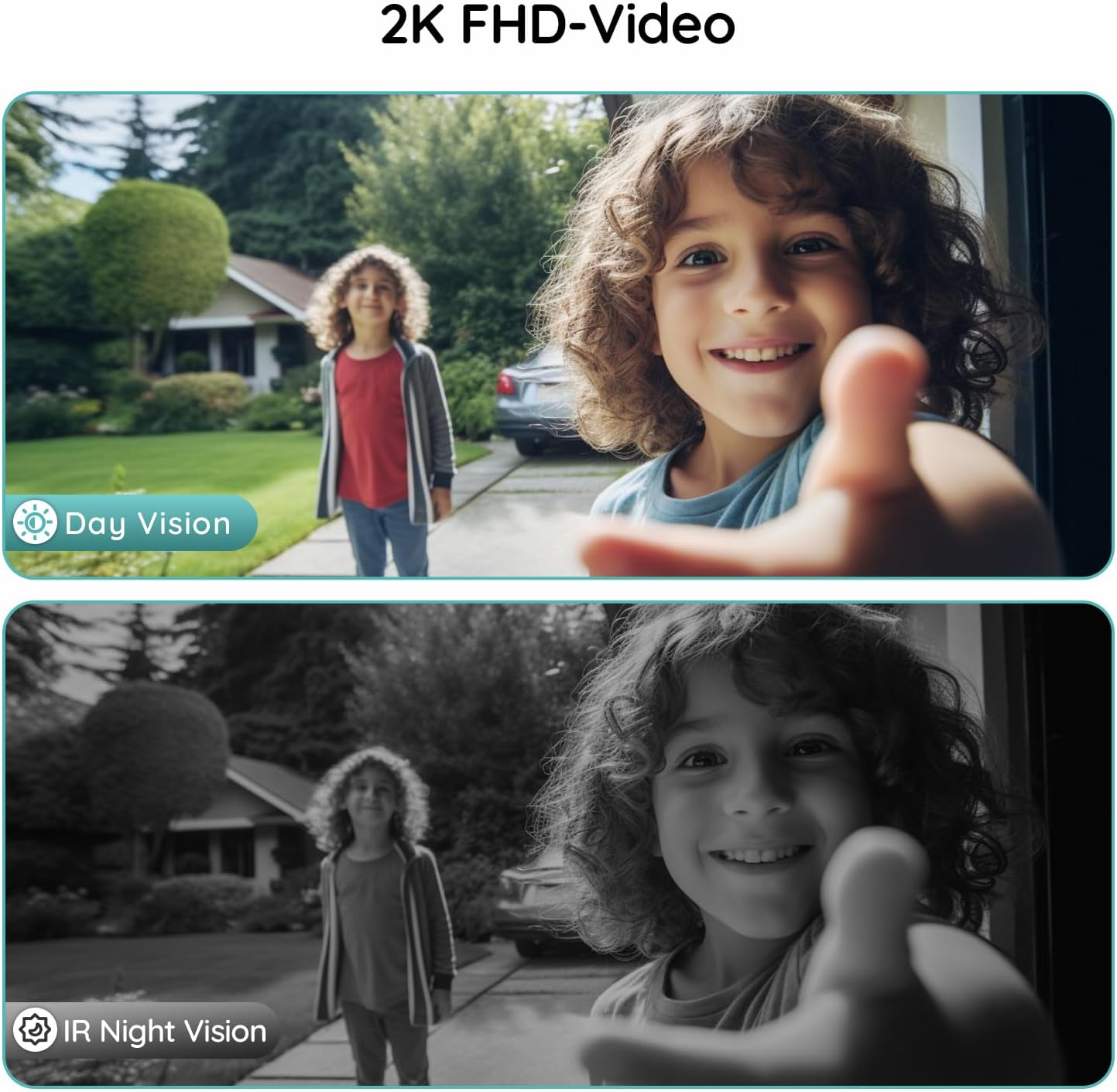
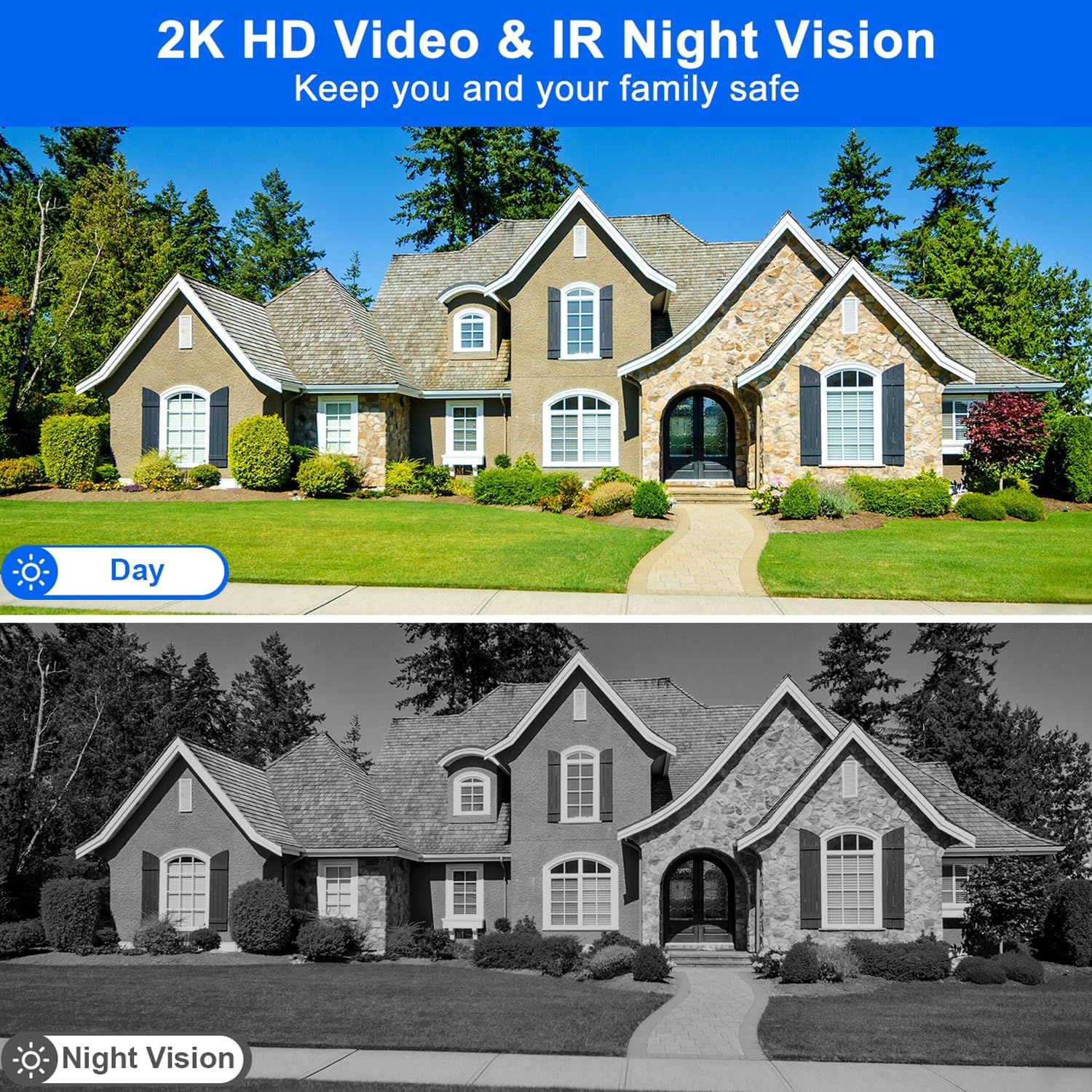
Most of the best audio smart doorbells now offer at least Full HD video, while premium models push into 2K or higher resolutions for sharper details. Higher resolution can help you read badges, logos, or licence plates in recorded video storage, but it also increases the bandwidth demands on your network and the size of each clip in cloud storage or local storage. If your internet connection is modest, a well-tuned 1080p doorbell camera with strong compression and reliable night vision may serve you better than a higher-resolution model that constantly buffers or drops frames.
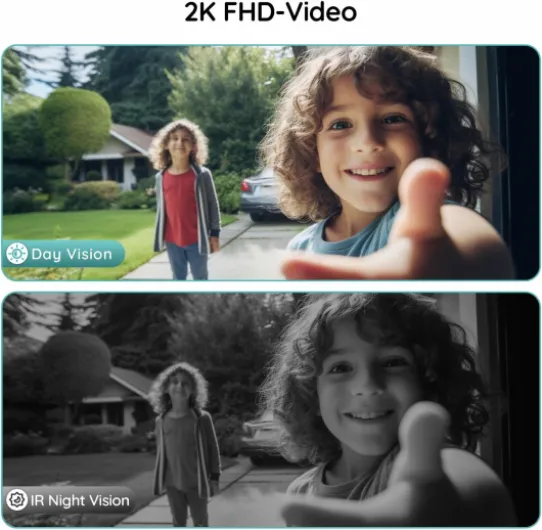
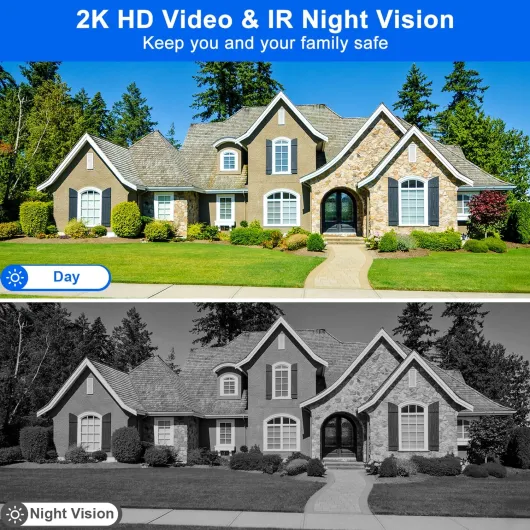
Night vision is particularly important for audio-focused buyers, because many tense interactions happen after dark when visitors are less visible. Infrared LEDs or low-light colour sensors allow video doorbells and security cameras to capture usable images while the microphone records voices, footsteps, and other subtle sounds. When you compare doorbell cameras from Ring, Nest Doorbell, and Tapo, look for models where the best video performance at night pairs with microphones that do not hiss or crackle in low-light conditions, since that combination gives you the clearest overall picture of what is happening outside.
Smart assistants, ecosystems, and how you actually use the audio
The best audio smart doorbells only show their full value when they integrate smoothly with the rest of your smart home. Many buyers now expect a video doorbell to work with Amazon Alexa, Google Assistant, or both, so that doorbell presses and motion alerts can appear on smart displays or trigger announcements on speakers. When a visitor rings, you might want your kitchen speaker to say who is at the door while your living room display shows the live video feed.
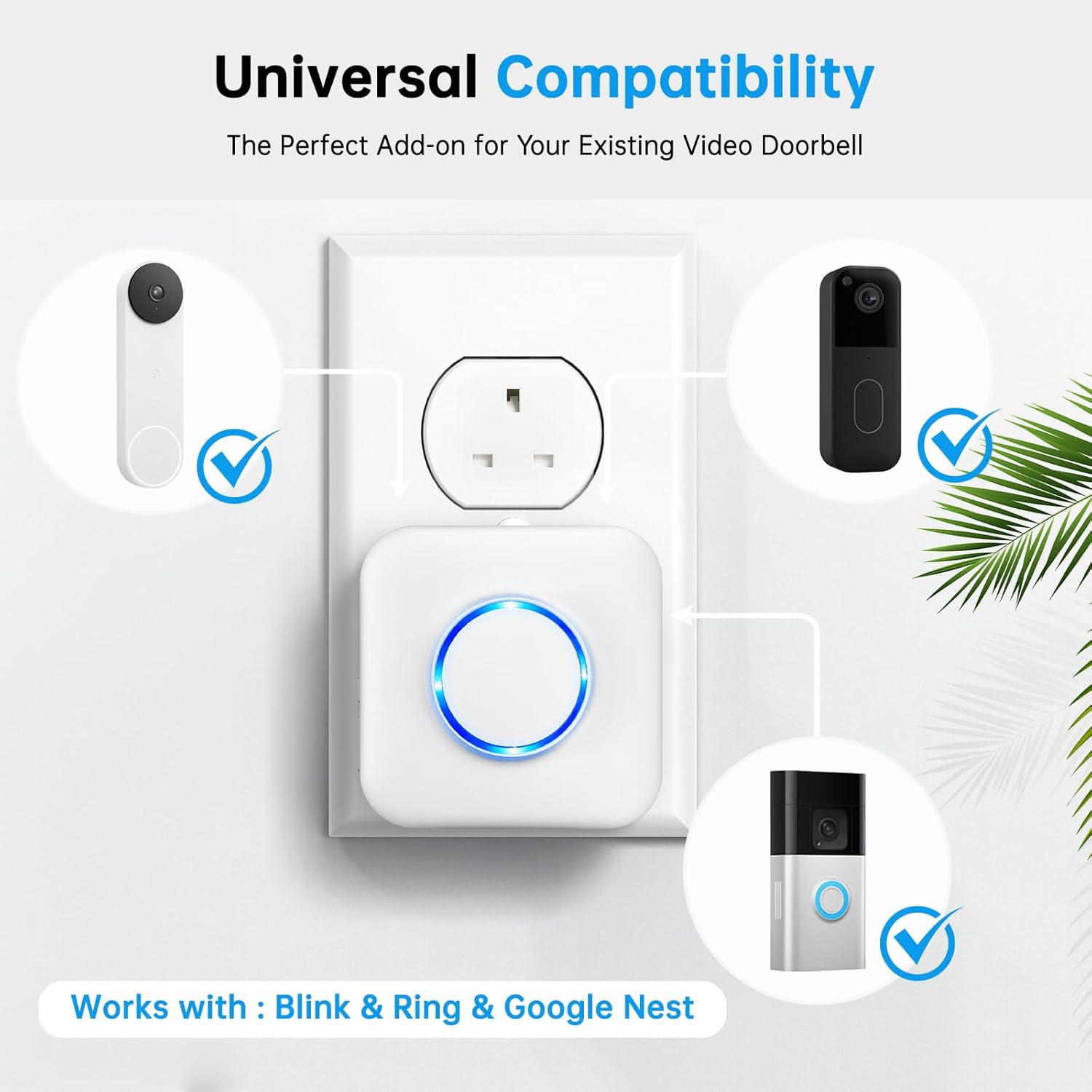
Compatibility details matter, because some doorbells support Amazon Alexa but not Google Assistant, while others advertise broad Alexa–Google integration yet limit advanced features such as two-way audio or recorded clip playback. Ring doorbells, for example, work tightly with Amazon devices, and a Ring Battery doorbell can send instant announcements to Echo speakers while showing live video on Fire TV screens. Nest Doorbell models lean toward the Google ecosystem, where Nest Hub displays and Google Assistant speakers handle chimes, video, and voice commands with minimal setup.
TP-Link Tapo doorbells and cameras often sit in the middle, offering both Amazon Alexa and Google Assistant support while also linking to the broader Tapo security camera range through a central app. When you compare ecosystems, think about where you want to hear the doorbell audio most often, whether that is on your phone, a smart speaker, or a wall-mounted display. A well-chosen doorbell pro model with strong microphones, clear speakers, and reliable assistant integration can turn every ring into a seamless part of your daily routine rather than a frustrating scramble to open an app.
Wired versus battery doorbells, privacy, and long term reliability
Choosing between a wired doorbell and a battery doorbell is one of the most consequential decisions for anyone seeking the best audio smart doorbells. A wired installation draws constant power from your existing chime circuit, which supports louder speakers, faster wake times, and more frequent recording without worrying about recharging. Battery-powered doorbells, by contrast, offer flexible placement and simpler DIY installation but require you to manage charging cycles and sometimes accept slightly slower response times.
From an audio perspective, wired doorbells often maintain more consistent volume and microphone sensitivity, especially in cold weather where battery performance can dip. However, modern Ring Battery and Nest Doorbell battery models have narrowed this gap by using efficient chipsets and smart motion detection that only fully wakes the camera and microphones when necessary. If you live in an apartment or a rental property where rewiring is not practical, a high-quality battery doorbell with replaceable packs can still deliver excellent sound and video as long as you keep a spare charged.
Privacy and data handling deserve as much attention as hardware, because every video doorbell and doorbell camera records not just your visitors but sometimes your neighbours and passers-by. When you choose between cloud storage and local storage, read the privacy policies carefully to understand how long video storage lasts, who can access it, and whether features such as person detection rely on cloud processing. Some users prefer systems where a microSD card in a base station holds all doorbell camera footage locally, while others value the resilience of encrypted cloud backups that survive theft or damage to the physical doorbell.
Connectivity choices, interference, and getting the best from your audio
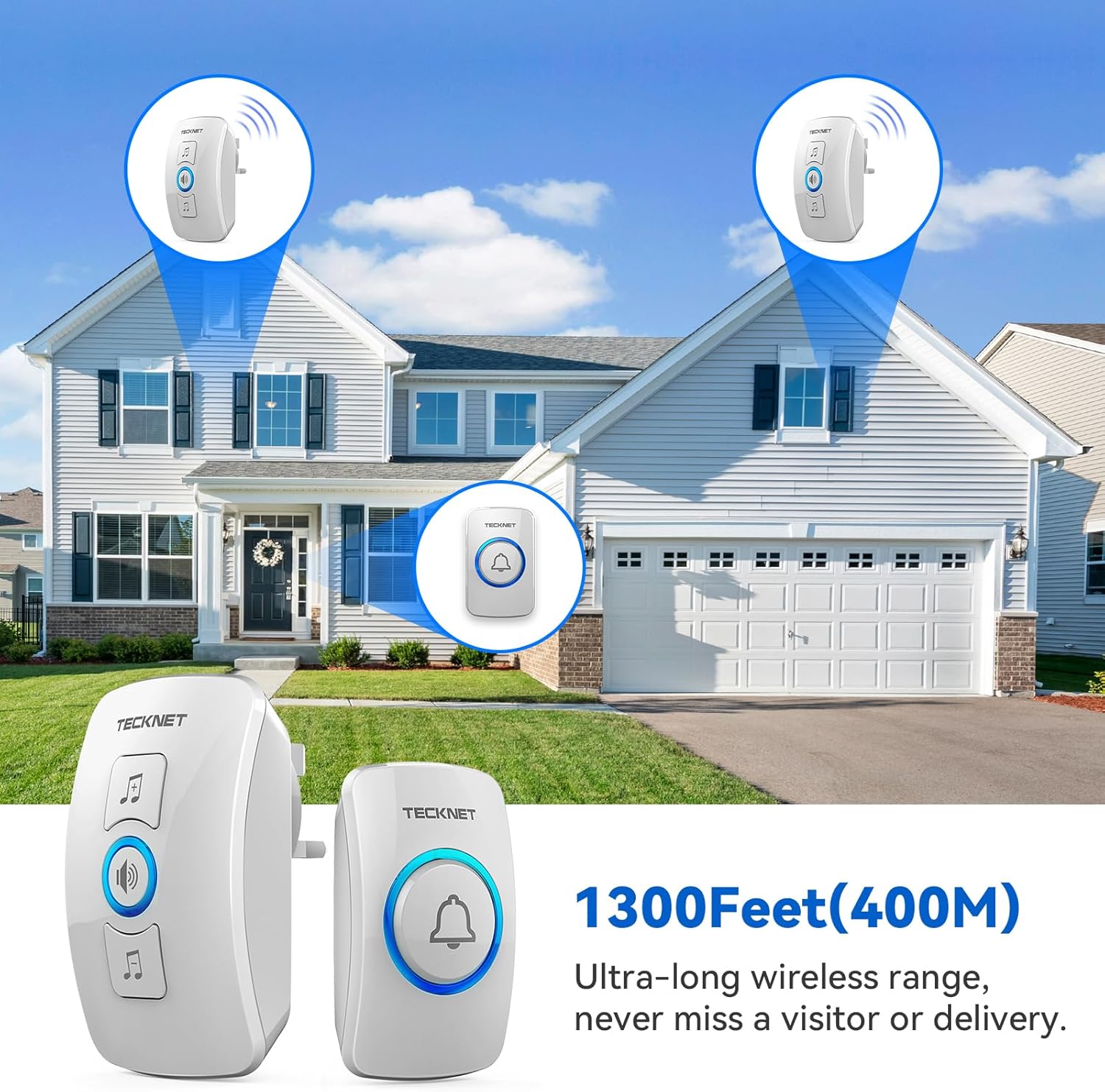
Even the best audio smart doorbells will sound poor if your network connection is unstable or congested. Many models connect over 2.4 GHz Wi‑Fi, which offers good range but can suffer from interference with other devices such as gaming headsets, baby monitors, or older routers. Some premium video doorbells add 5 GHz support for higher throughput at shorter range, which can improve both video and audio quality when the door is close to the router.
Understanding how wireless bands behave helps you avoid choppy conversations and delayed notifications when someone rings. Detailed guides comparing Bluetooth and 2.4 GHz connections for smart doorbells and gaming headsets explain how interference, walls, and distance affect latency and reliability, which directly impacts how quickly you can speak to visitors. If your home is large or built with dense materials, consider adding a mesh Wi‑Fi system or a dedicated access point near the front door to stabilise the link between the doorbell and your network.
Once your connection is solid, you can focus on fine-tuning motion detection zones, adjusting microphone sensitivity, and choosing when the doorbell records audio and video. Many apps let you set activity zones so that passing cars do not constantly trigger your doorbell cameras, which protects both your privacy and your video storage limits. With careful setup, a well-chosen doorbell pro model from Ring, Nest, or Tapo can deliver the best video and audio performance your network allows, turning your front door into a reliable extension of your home communication system.
Key statistics about smart doorbells and home security
- Market analysts at IDC and Strategy Analytics report that global smart doorbell shipments exceeded 10 million units in a recent twelve-month period (2023), reflecting rapid adoption as homeowners seek combined audio, video, and security features.
- Independent testing organisations, including Consumer Reports and Stiftung Warentest, have found that a clear majority of popular video doorbells now offer some form of cloud storage subscription, while a smaller share provide full local storage options without extra fees.
- Consumer surveys in Europe published by the European Consumer Organisation (BEUC) indicate that a significant proportion of smart doorbell owners use Amazon Alexa or Google Assistant integration, showing how closely these devices are tied to broader smart home ecosystems.
- Field tests by security labs such as AV-TEST and UL Solutions show that enabling person-only motion detection can substantially reduce unnecessary alerts, which in turn extends battery life and reduces video storage consumption.
- Studies of burglary patterns cited by several UK police forces and the UK Home Office suggest that visible security cameras and video doorbells at entry points can deter opportunistic intruders, with some departments reporting lower break-in rates in neighbourhoods where such devices are common.
Sources
- Consumer Reports – “Video Doorbells That Deliver,” ratings and buying guide for smart doorbells and security cameras (issue March 2024, accessed 2024)
- Wirecutter by The New York Times – “The Best Smart Doorbell Camera,” long-term reviews of video doorbells and home security devices (updated January 2024)
- UK Information Commissioner’s Office – guidance on using domestic CCTV and video doorbells responsibly (domestic CCTV and data protection advice, accessed 2024)