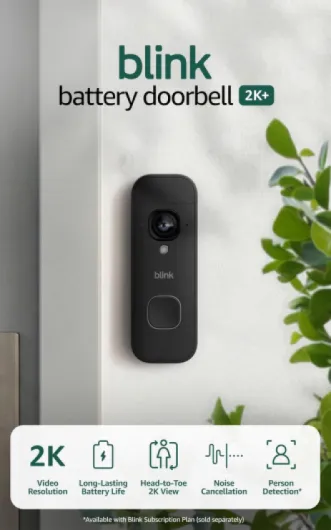
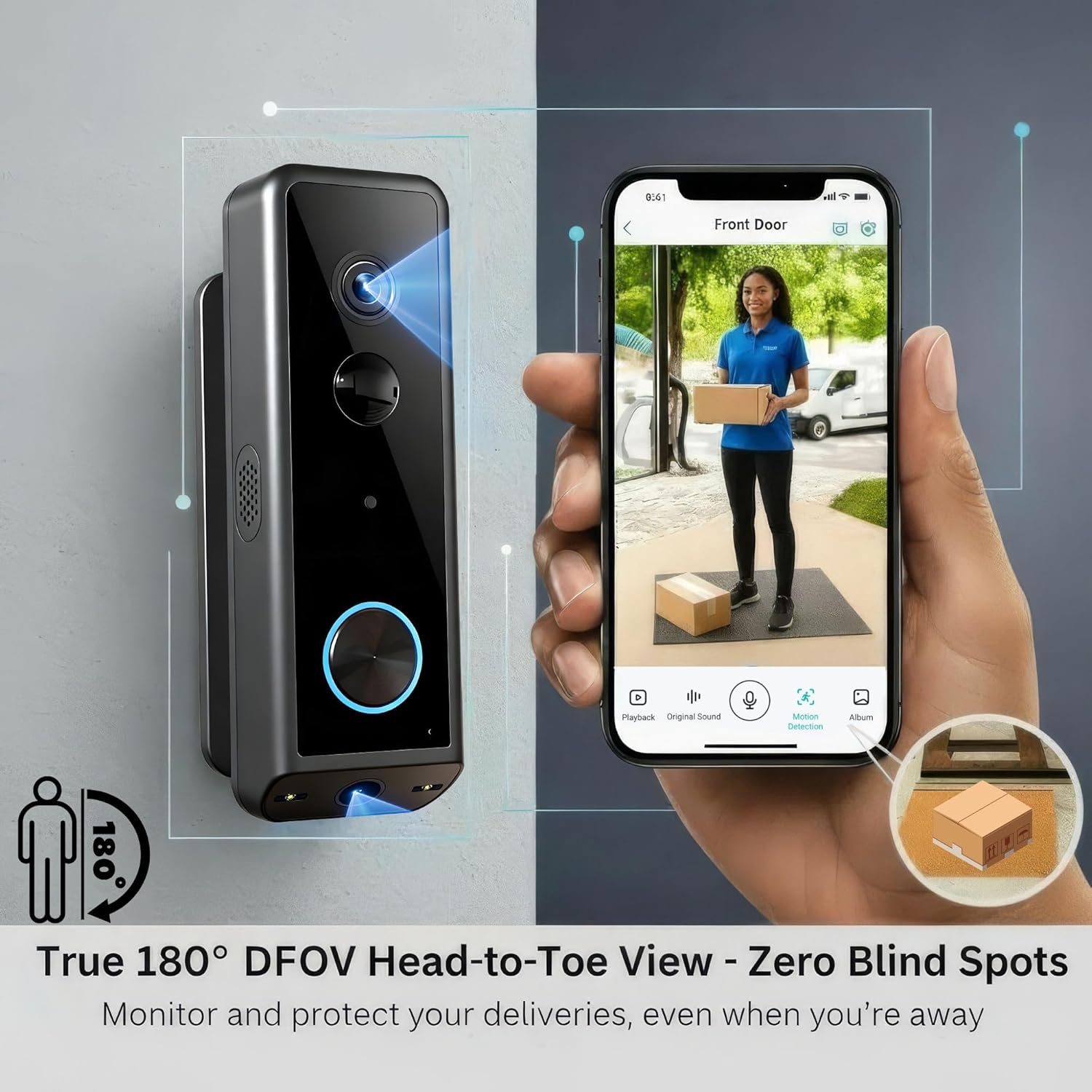
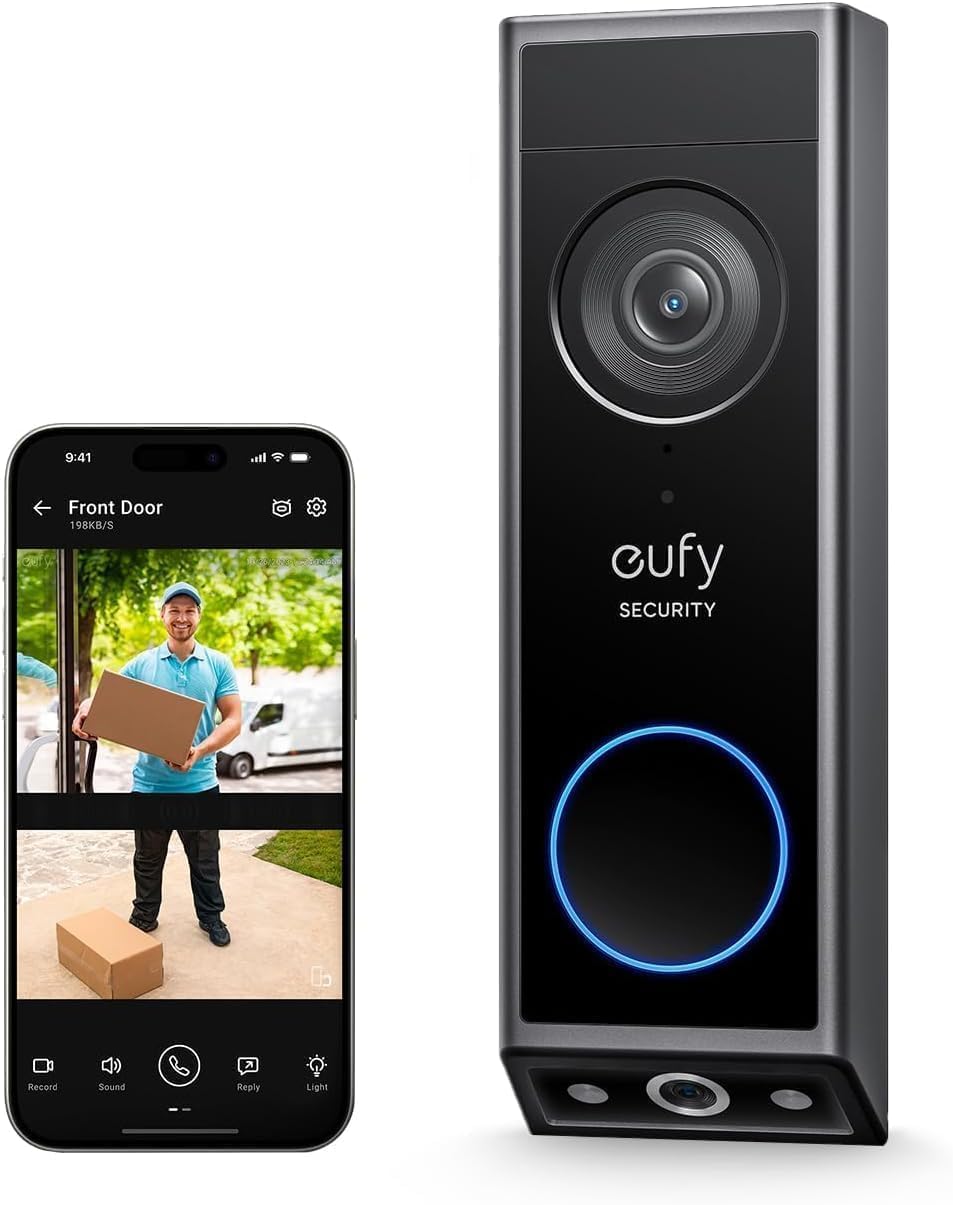
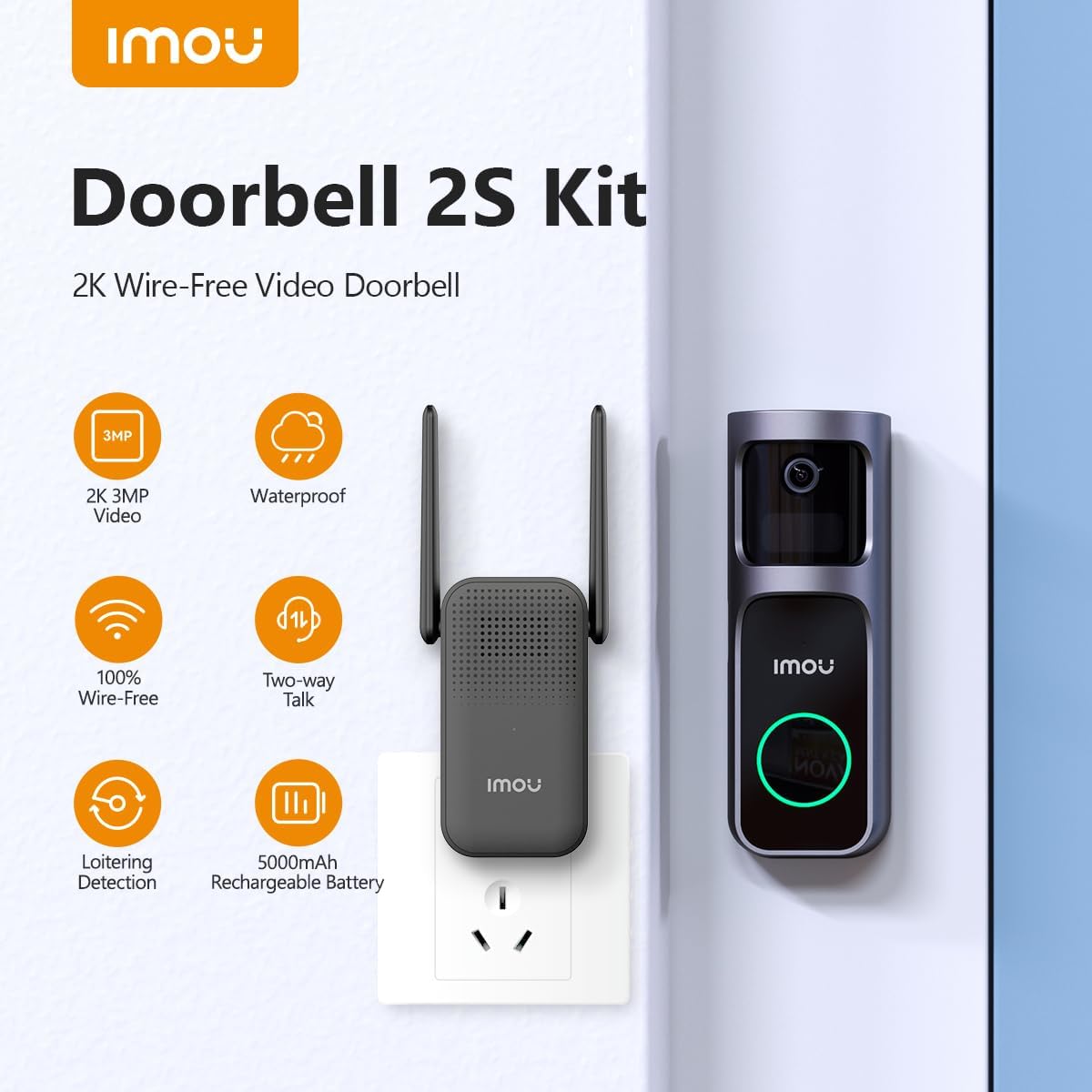
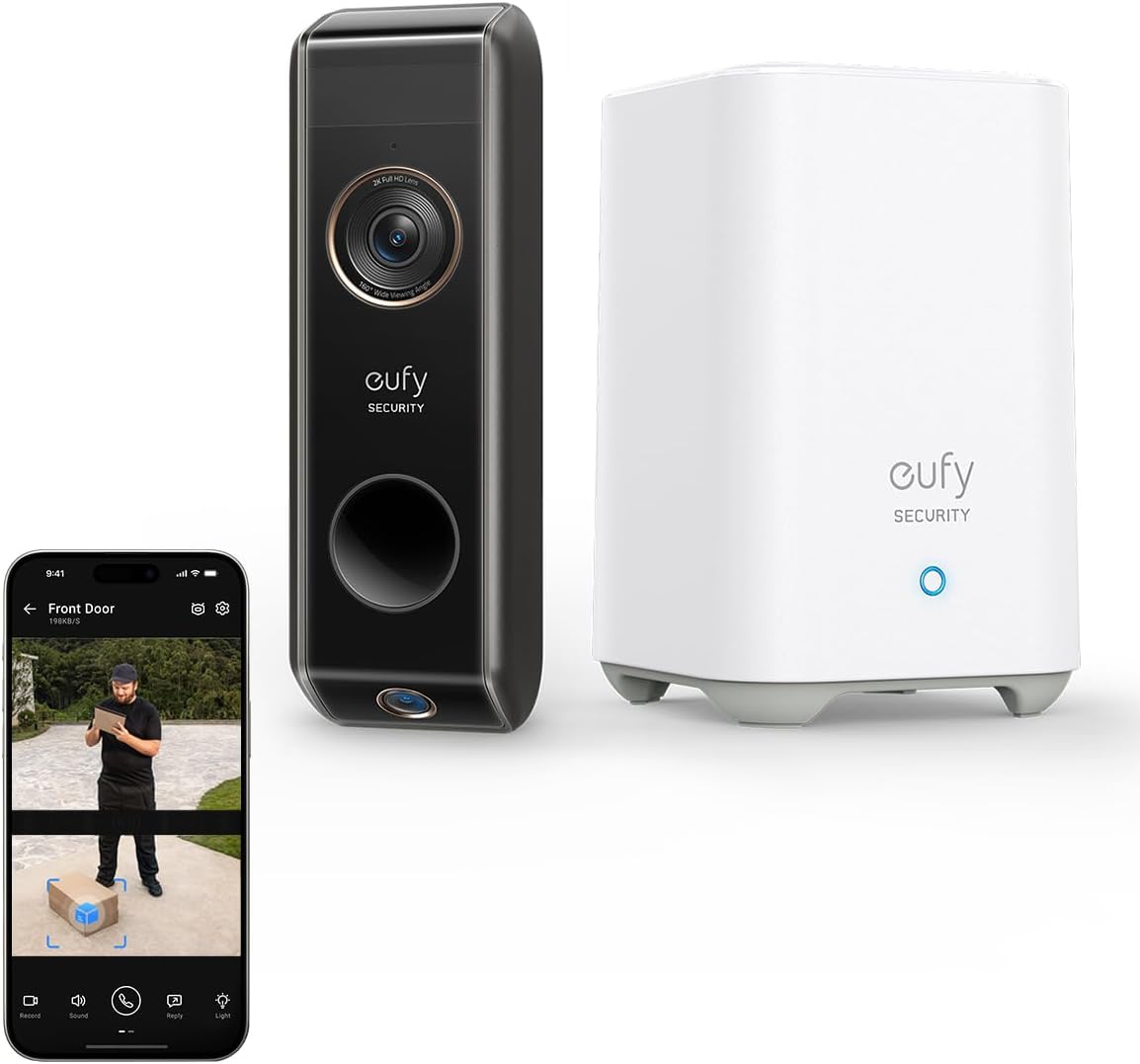
Comparing wired and battery powered 2K video doorbells
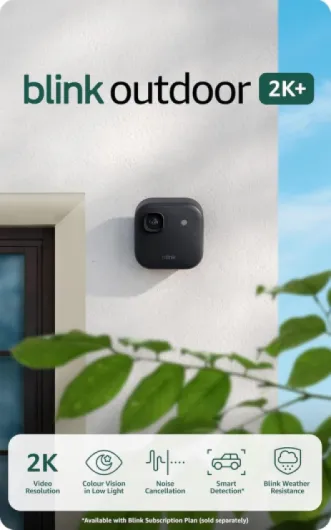
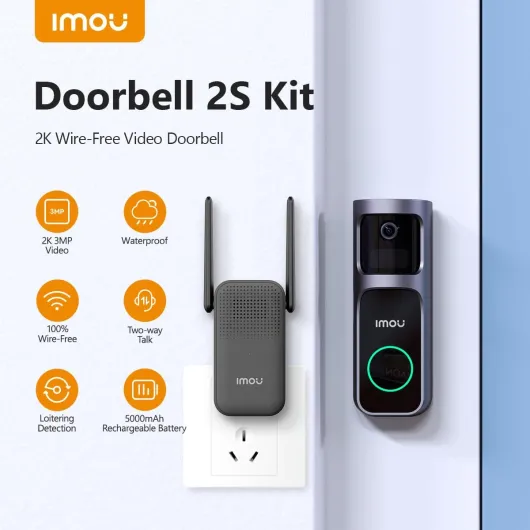
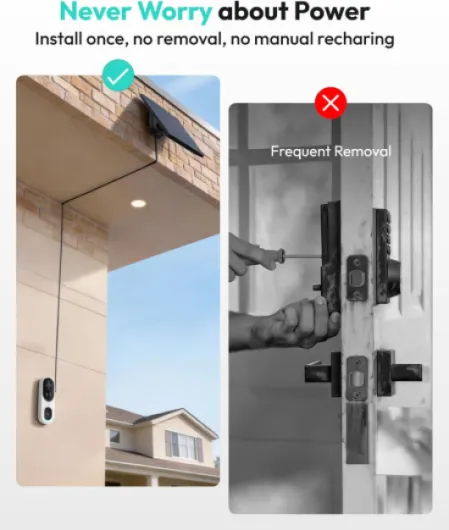
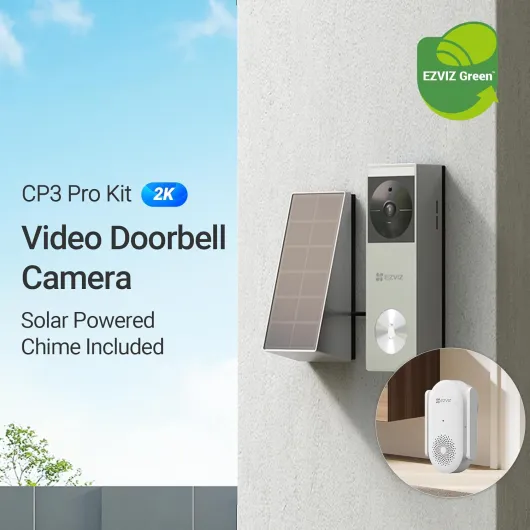
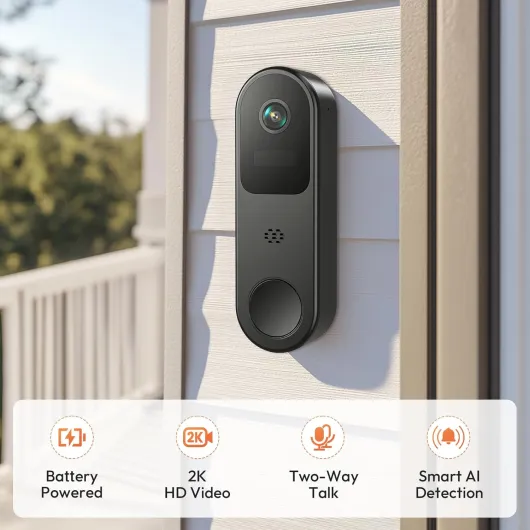
Choosing between a wired doorbell and a battery powered model shapes how your system behaves day to day. Wired video doorbells draw constant power from existing chimes, which supports continuous recording and frequent motion detection without worrying about recharging. Battery doorbells offer easier installation on brick, metal, or rental properties, but they need careful settings to balance battery life with security.
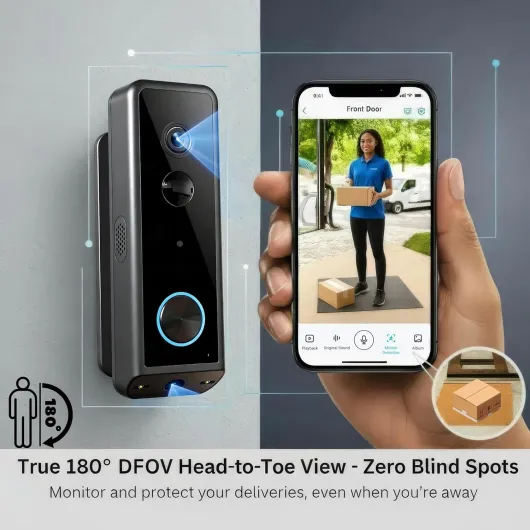
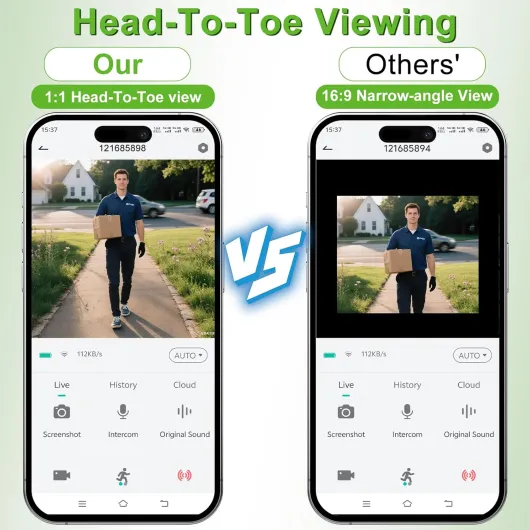
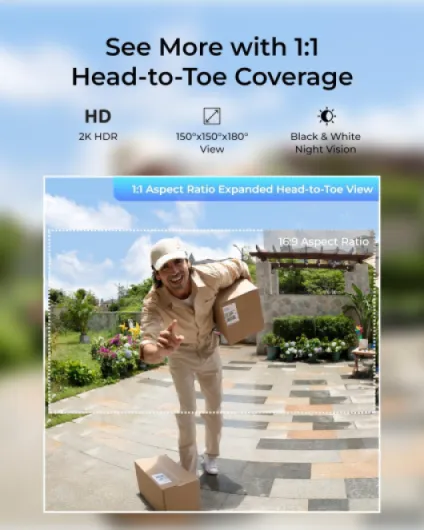
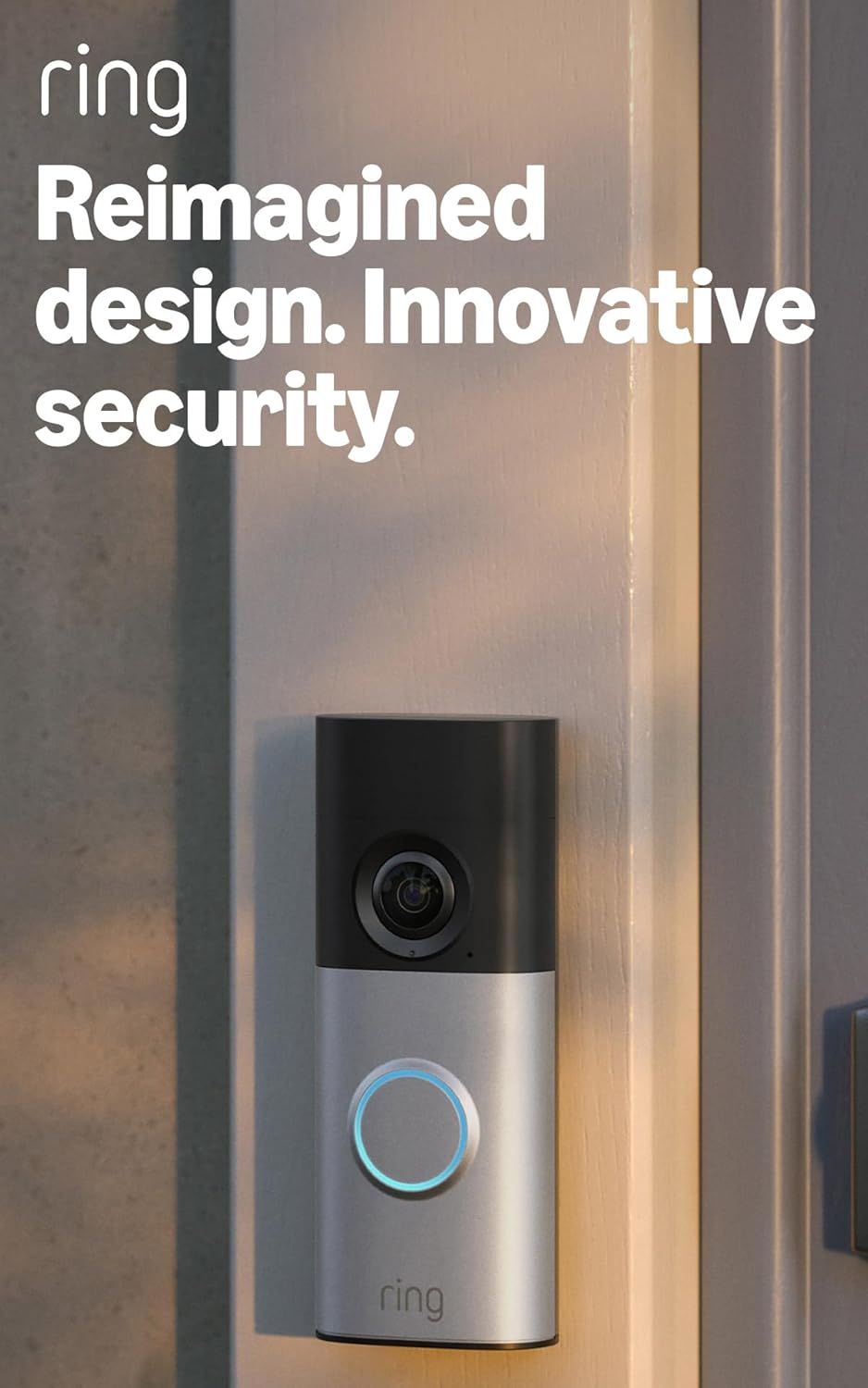
Many of the best 2K video smart doorbells come in both wired and battery powered versions, especially from brands like Ring and Google Nest. A wired Ring Video Doorbell Pro 2, for example, records at up to 1536p with a 150° x 150° field of view and typically runs higher bitrates than its battery based siblings. In contrast, a battery doorbell from the same family may limit live view duration or reduce frame rates to extend the time between charges.
When you compare features, look at whether the wired or battery powered version supports the same motion detection zones, person alerts, and package detection. Some battery doorbells reduce advanced detection modes or shorten video storage clips to preserve power, which can affect how well they function as security cameras. If you want the best video and the richest features, a wired installation is usually the doorbell best option for a permanent home.
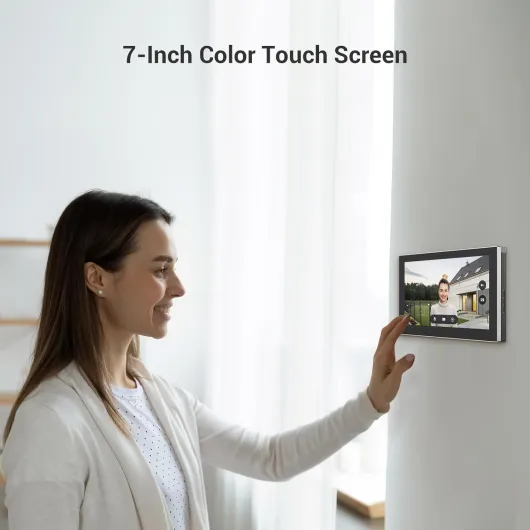
Integration with Amazon Alexa, Google Assistant, and broader smart home systems also differs between wired and battery models. A wired Nest Doorbell (wired, 2nd gen) can stream continuously to smart displays such as Amazon Alexa Echo Show or Google Nest Hub, while some battery doorbells only wake the camera when motion occurs. If you rely on an Alexa Google smart display to check the front door quickly, confirm that your chosen video doorbell supports always ready live view without draining the battery too fast.
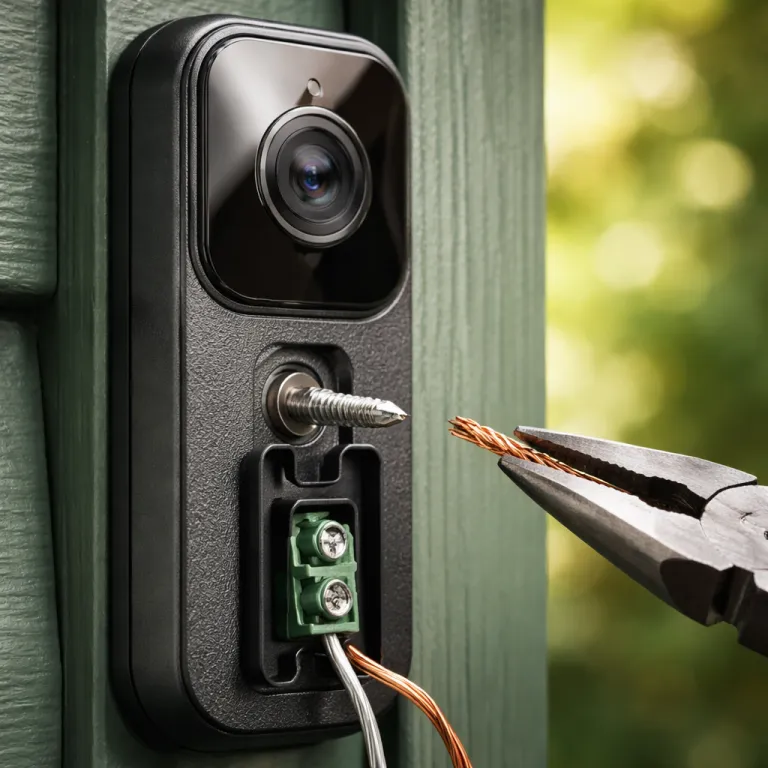
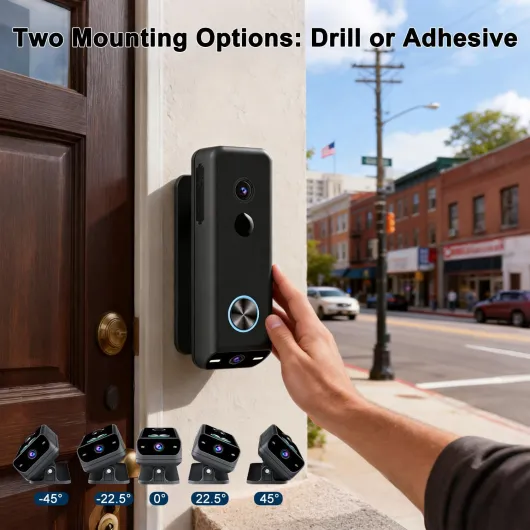
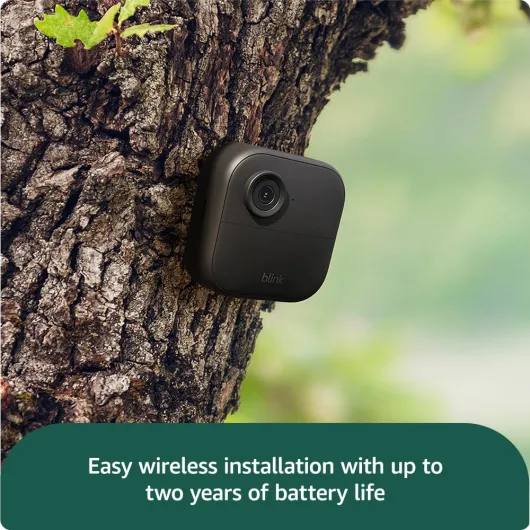
Installation complexity is another major factor for people seeking information before buying. A wired doorbell requires safe handling of low voltage cables, a compatible transformer, and sometimes a new chime kit, which may justify hiring a professional installer. Battery powered doorbells usually mount with screws or adhesive, making them suitable for renters who cannot alter existing wiring but still want strong 2K video security.
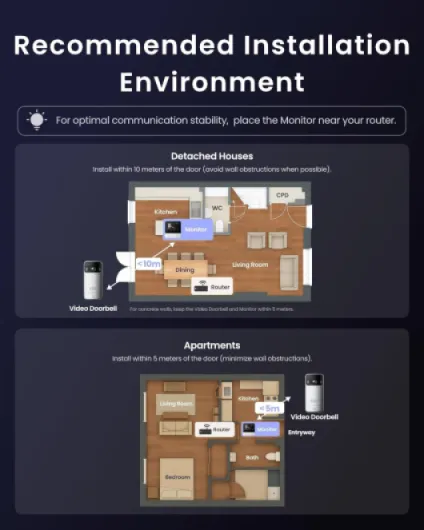
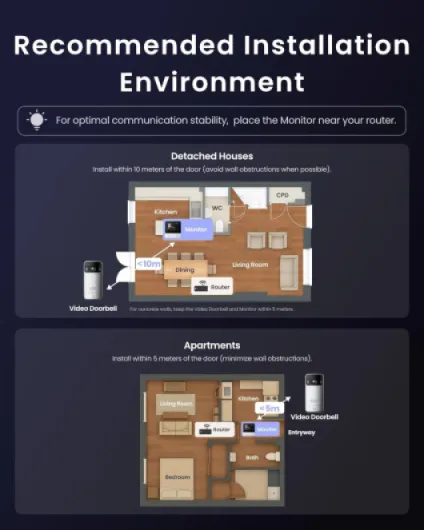
Before deciding, consider your Wi Fi environment as well, because both wired and battery powered doorbells depend on a stable network for reliable video. If your router is far from the front door, you may need a mesh system or a better band choice, and guides such as this analysis of 5 GHz versus 2.4 GHz Wi Fi for smart doorbells can help you match the right frequency to your home. A strong connection ensures that your 2K video doorbell camera delivers the best video quality without lag, missed notifications, or gaps in video storage.
Essential security features in the best 2K video smart doorbells
High resolution alone does not make a video doorbell secure, because software features and data handling matter just as much. When you evaluate the best 2K video smart doorbells, focus on motion detection quality, encryption standards, and how the device manages both local storage and cloud storage. A well designed smart doorbell should act as part of a broader network of security cameras rather than an isolated gadget.
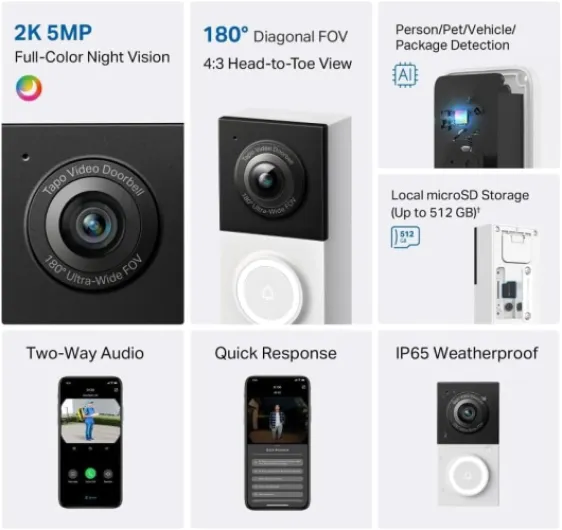
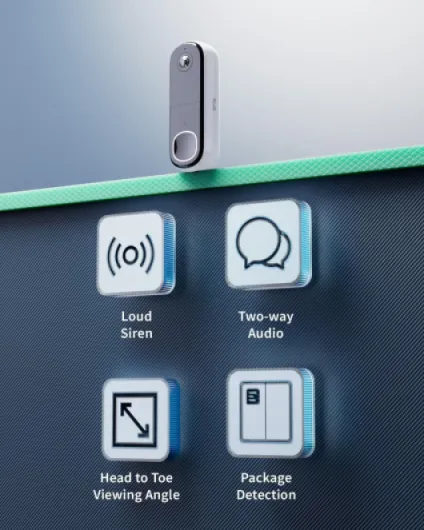
Look for advanced detection options such as person, package, and vehicle alerts, which reduce false alarms from trees or passing pets. Leading brands like Ring, Google Nest, and other doorbell cameras use on device processing or cloud based analysis to distinguish relevant events, which helps you respond quickly when something unusual happens. The more precisely your doorbell camera can filter motion, the more useful your video storage becomes during real incidents.
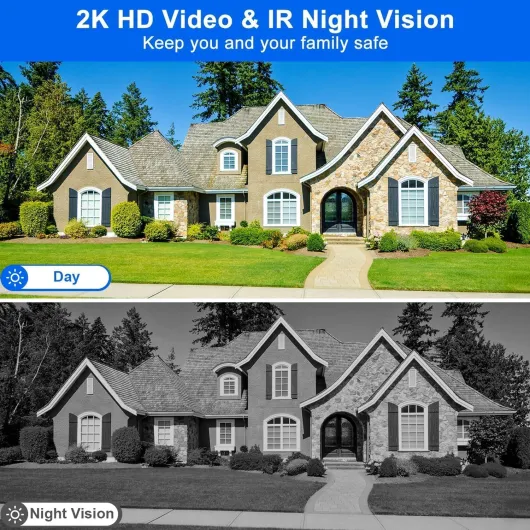
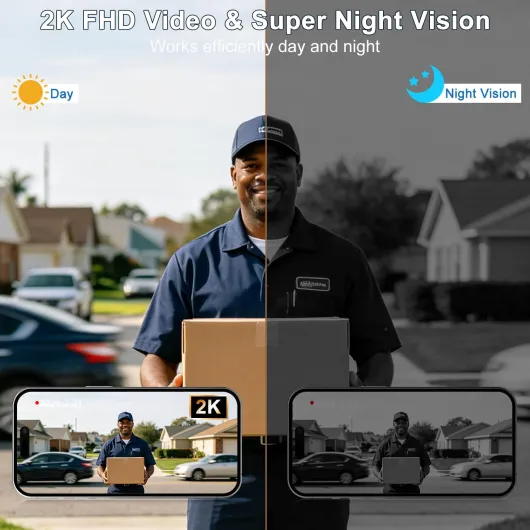
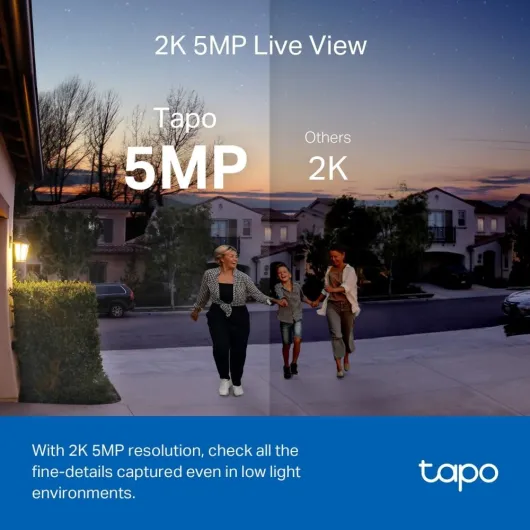
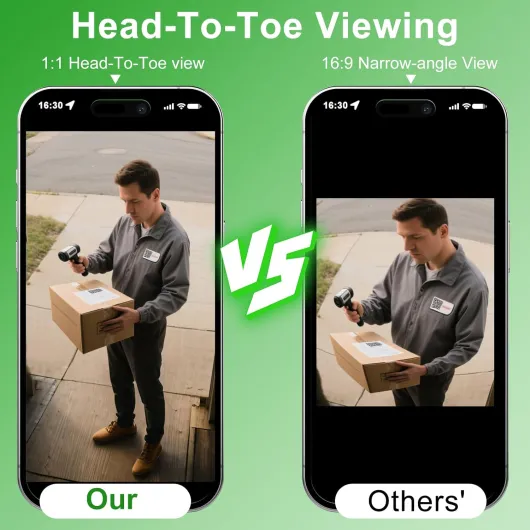
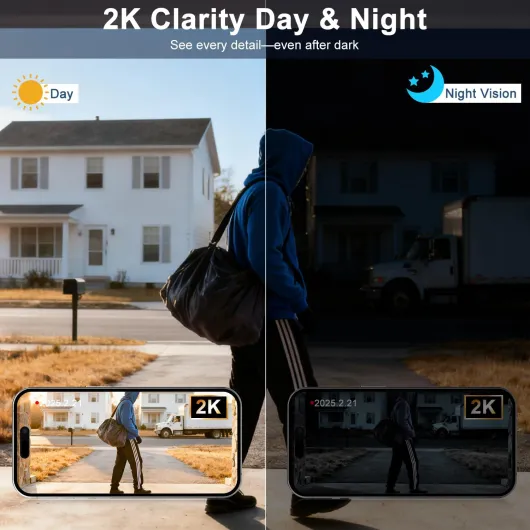
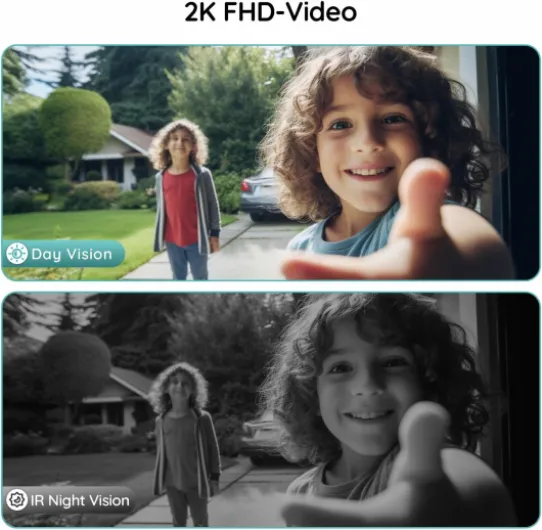
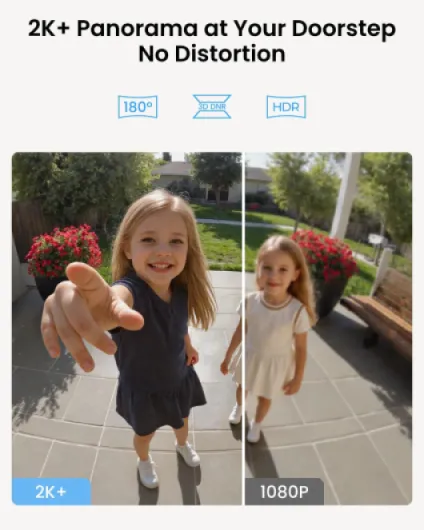
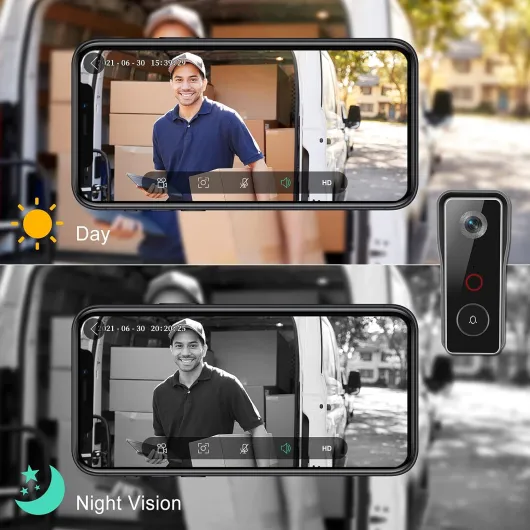
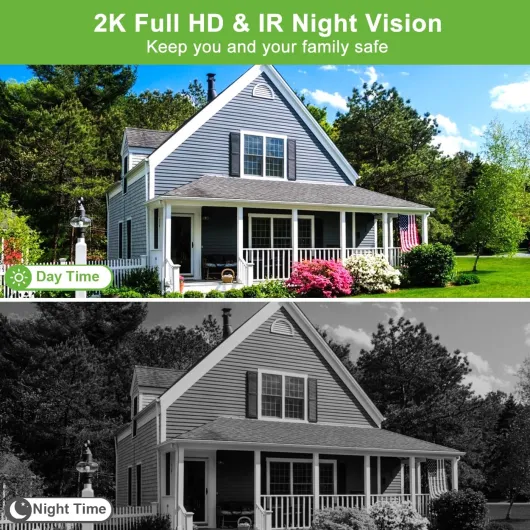
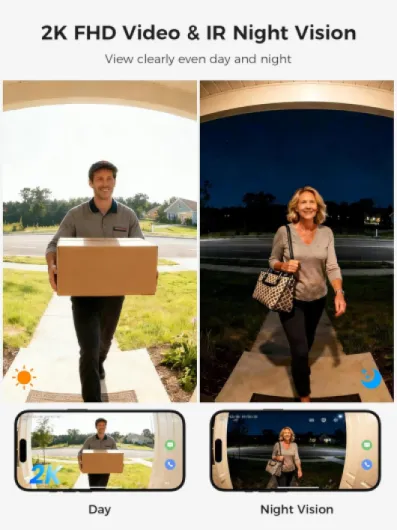
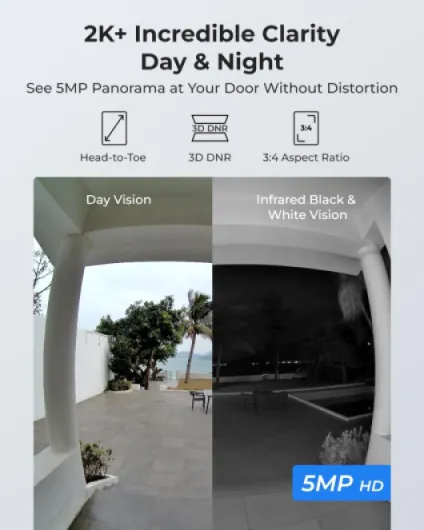
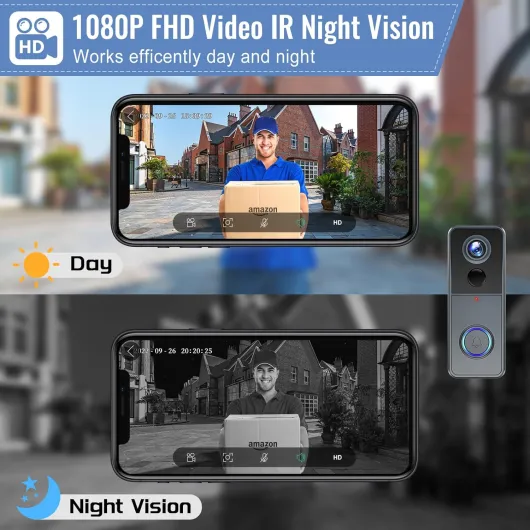
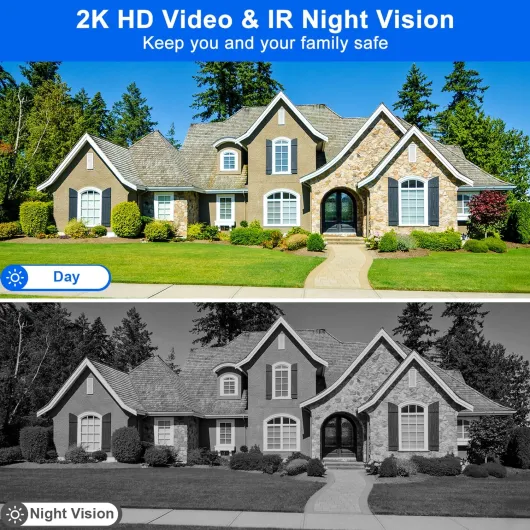
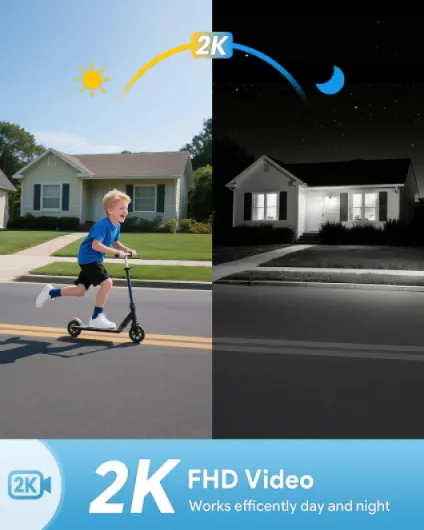
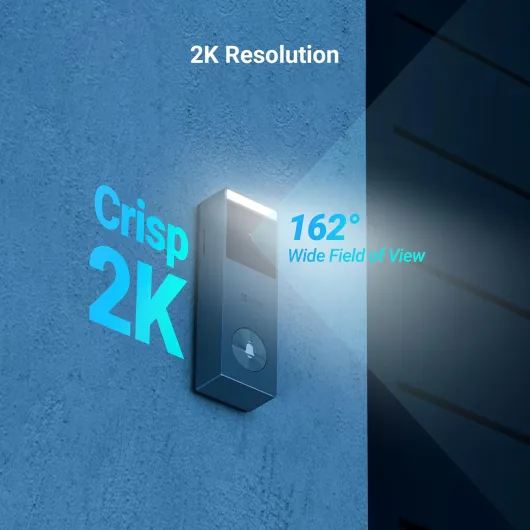
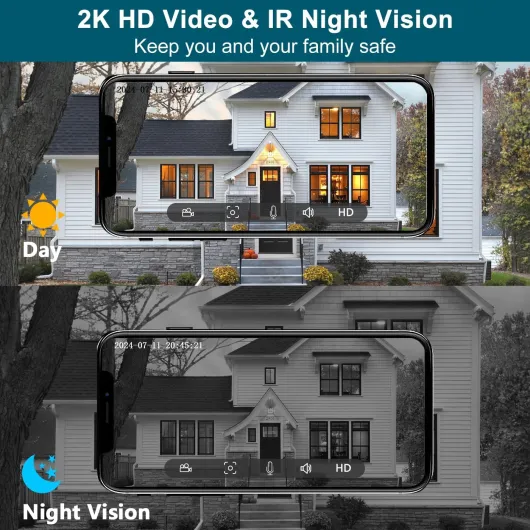
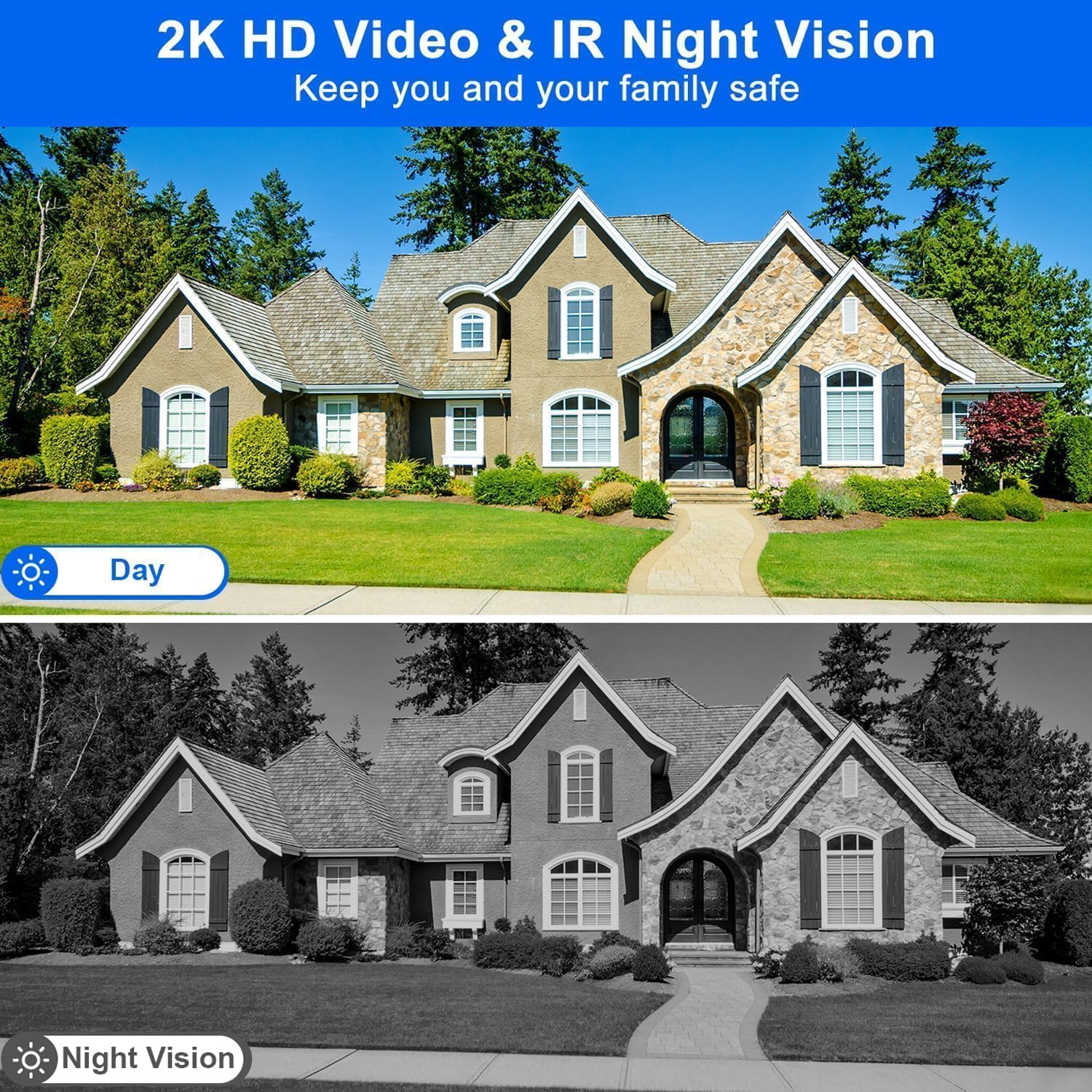
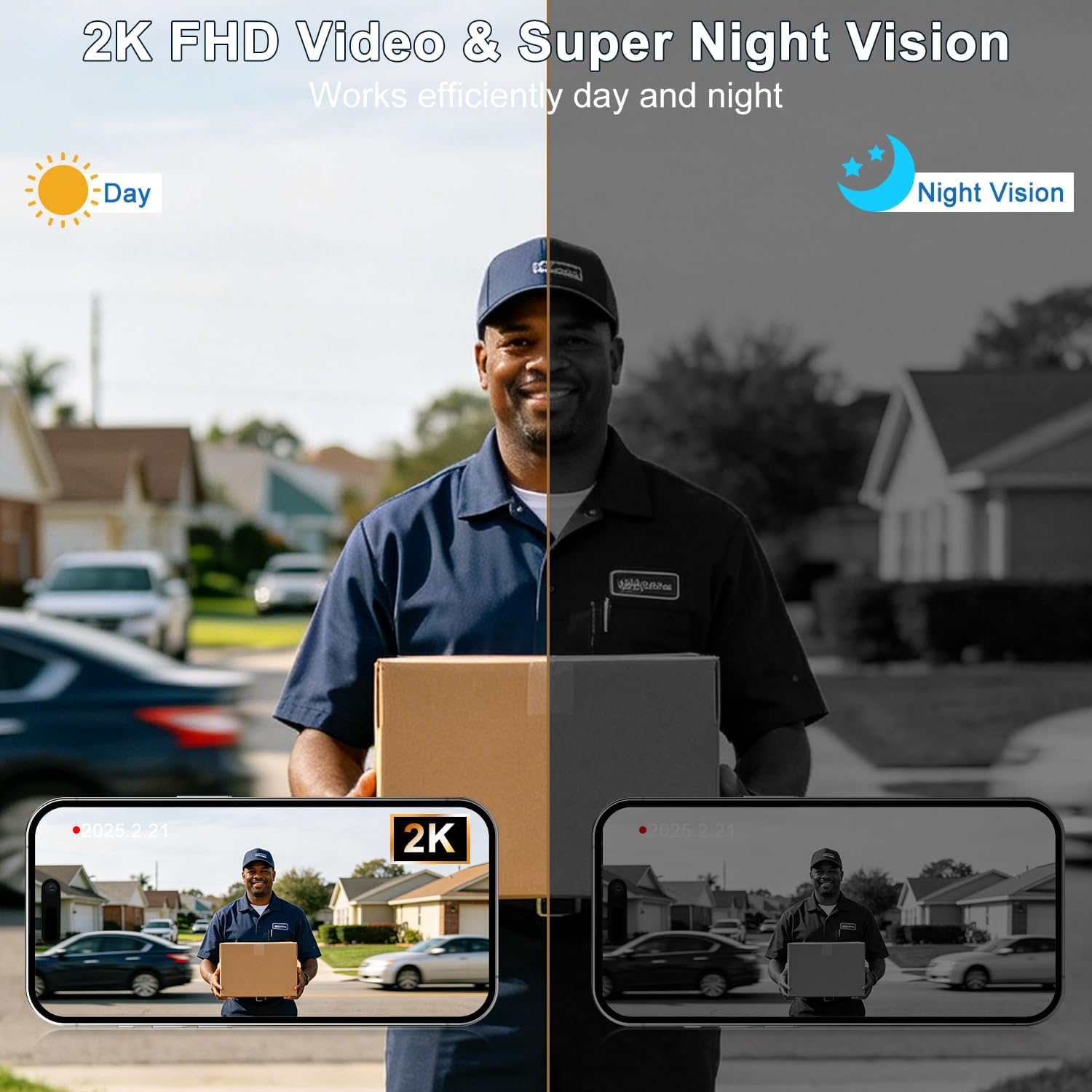
Night vision performance is another critical security factor, especially in poorly lit streets or rural areas. A 2K video doorbell with strong infrared night vision or low light color modes will capture faces and clothing details even when porch lights are off. When you compare models, check real night clips from users rather than relying on marketing stills, because these reveal how evenly the camera illuminates the scene and whether the field view remains clear at the edges.
Data protection deserves careful attention, because every smart doorbell is effectively an Internet connected camera pointed at your home. Reputable manufacturers publish security white papers, offer regular firmware updates, and support two factor authentication for accounts, which significantly reduces the risk of unauthorized access. For a deeper understanding of current risks, reports such as recent IoT camera vulnerability news for smart doorbells explain how attackers target connected security cameras and what responsible brands are doing in response.
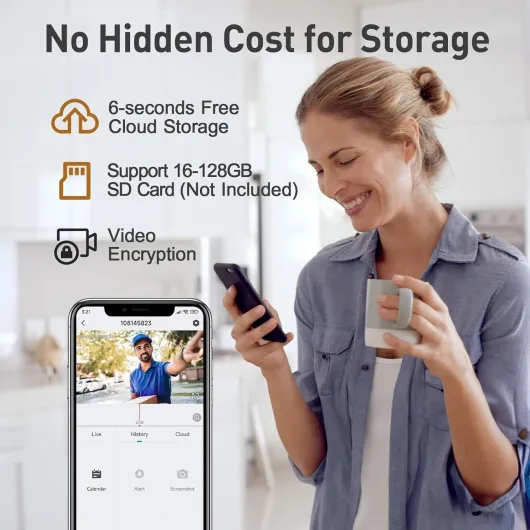
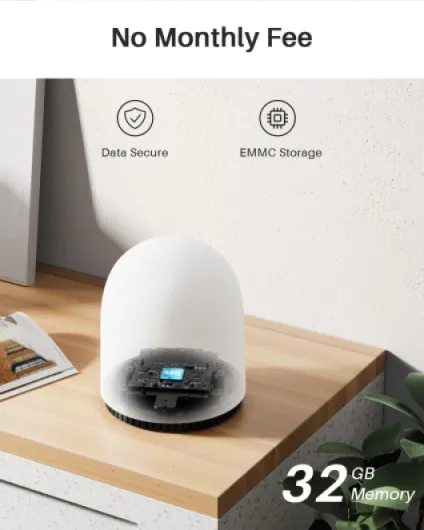
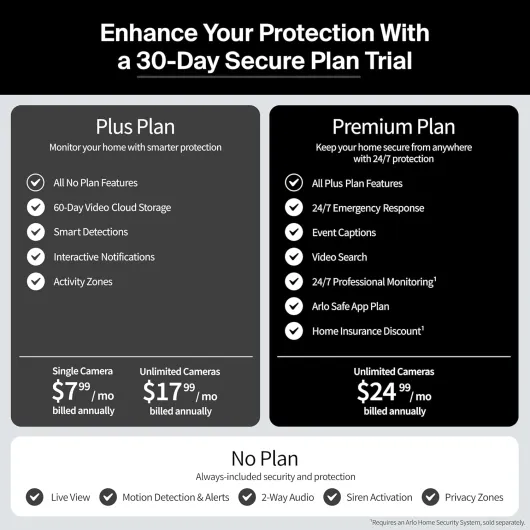
Storage choices also influence security, because they determine who can access your recordings and for how long. Cloud subscription plans from Ring, Google Nest, and other providers typically keep 2K video clips for several weeks, while some doorbells offer local storage on hubs or microSD cards for people who prefer to keep data at home. When you compare these options, consider whether you want continuous recording, event based clips, or a hybrid approach that balances privacy, cost, and evidence retention.
Finally, pay attention to how your chosen video doorbell integrates with existing security cameras and smart home routines. A Nest Doorbell that works with other Google Nest devices or a Ring doorbell that links to Ring security cameras can trigger lights, sirens, or announcements through Amazon Alexa and Google Assistant. This ecosystem approach turns a single doorbell into a coordinated security layer, where every camera and sensor contributes to a clearer view of what happens around your property.
Cloud subscription versus local storage for 2K video doorbells
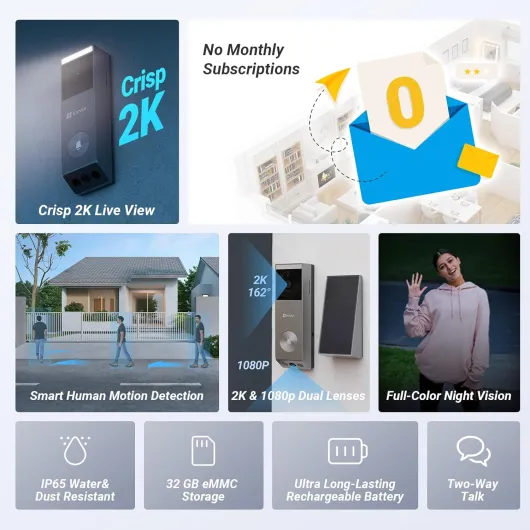
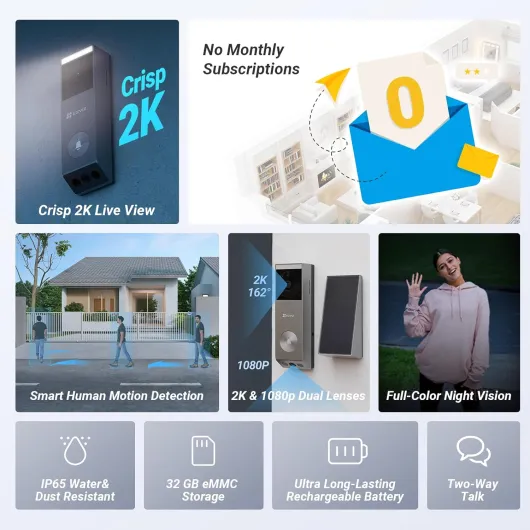
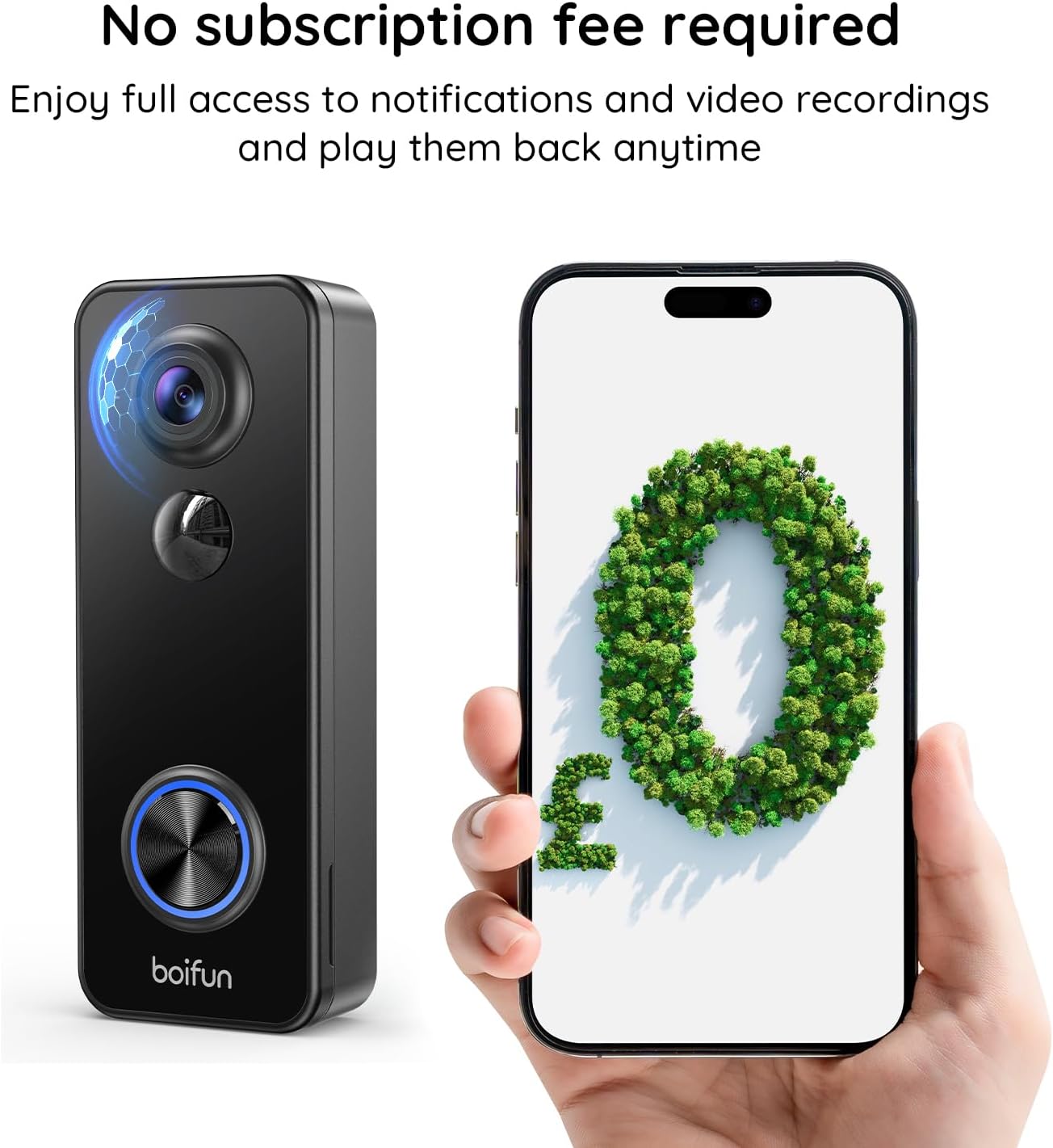
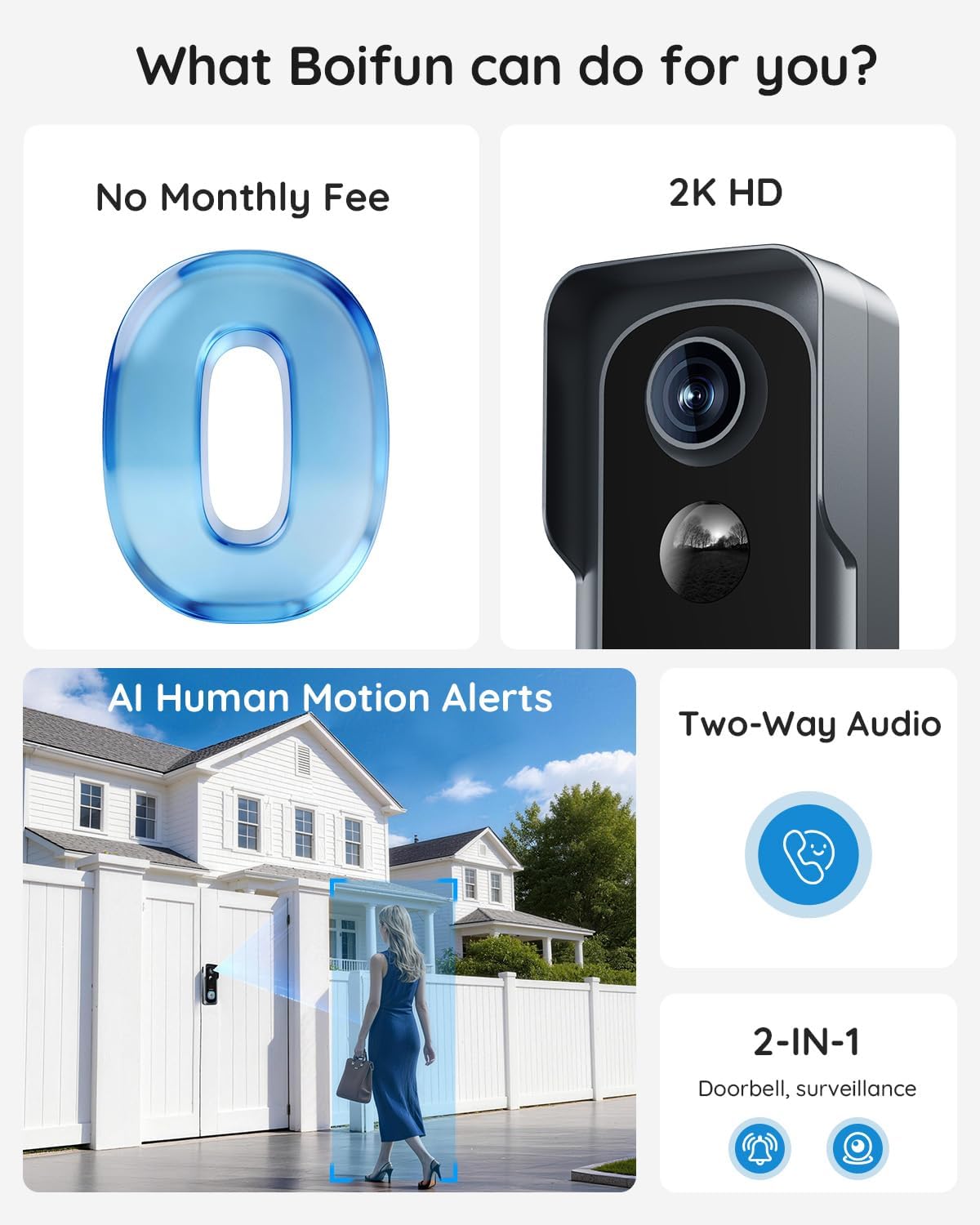
Every 2K video doorbell generates large amounts of data, so your choice between cloud subscription and local storage has real financial and privacy implications. Cloud storage services from brands like Ring and Google Nest charge monthly fees but offer convenient access to video clips from anywhere, automatic backups, and easy sharing with neighbours or law enforcement. Local storage on hubs, microSD cards, or network recorders avoids recurring costs but requires more careful setup and maintenance.
Cloud subscription plans usually scale by the number of doorbells and security cameras you connect, as well as the length of video storage and whether continuous recording is available. For example, a plan might keep 2K video for 30 days and support multiple doorbell cameras, while a cheaper tier only stores short clips from a single video doorbell. When you compare the best 2K video smart doorbells, always calculate the total cost of ownership over several years, not just the upfront price of the hardware.
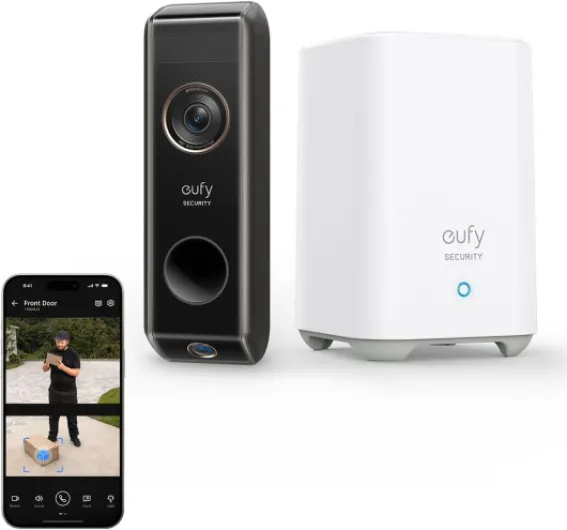
Local storage appeals to people who want tighter control over their data and prefer not to rely on external servers. Some battery powered and wired doorbells include local storage through a base station that sits inside your home, while others support microSD cards directly in the doorbell camera. This approach can work well if you combine it with strong home network security and regular backups, because losing a single card or hub could otherwise erase your best video evidence.
Hybrid systems are becoming more common, where a smart doorbell records to local storage while also uploading key events to the cloud. This design reduces bandwidth usage and cloud costs while still giving you off site protection for critical clips, such as confirmed intrusions or package theft. When you evaluate features, check whether the manufacturer allows you to choose between local storage only, cloud only, or a mix, because flexibility is valuable as your needs change.
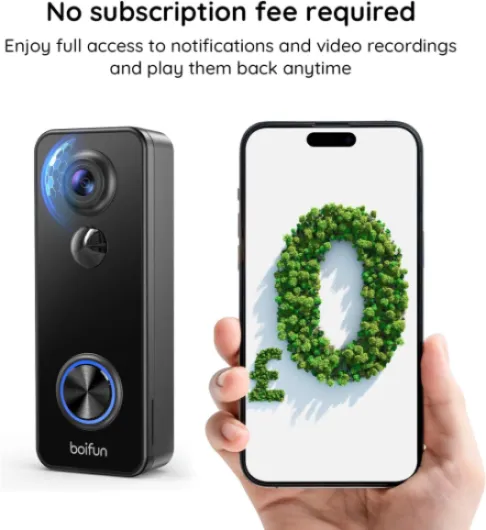
Integration with Amazon Alexa, Google Assistant, and other platforms can also influence your storage decision. Some ecosystems, such as Google Nest, tie advanced detection and extended video storage to specific subscription tiers, which may be worthwhile if you already use Nest security cameras indoors. Others allow basic motion detection and live view without any subscription, making them attractive for budget conscious buyers who still want a capable doorbell best suited to occasional review.
Whichever path you choose, read the privacy policy carefully and confirm how long the company keeps your video, who can access it, and under what circumstances it may be shared. Responsible vendors explain their data retention practices clearly and offer granular controls over clip deletion, sharing, and account access. In the context of 2K video, where every frame contains more detail about your life and neighbours, thoughtful storage choices are as important as choosing the right resolution or field view.
Smart home integration with Amazon Alexa, Google Assistant, and more
Modern 2K video doorbells are no longer isolated devices, because they sit at the centre of broader smart home ecosystems. When you choose among the best 2K video smart doorbells, consider how well each model integrates with Amazon Alexa, Google Assistant, and other platforms you already use. A well integrated smart doorbell can trigger lights, lock doors, and show live video on screens with a simple voice command.
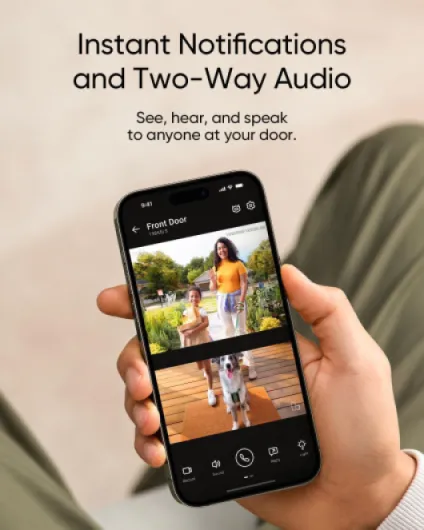
For households invested in Amazon, a Ring doorbell camera pairs naturally with Amazon Alexa speakers and displays. You can say "Alexa, show me the front door" to pull up a live view on an Echo Show, or have Alexa announce when someone presses the doorbell or when motion detection triggers. This tight integration turns a Ring Video Doorbell Pro or a battery powered Ring model into a central part of your home security cameras network.
People who prefer Google often choose a Nest Doorbell or other Google Nest compatible doorbells. With Google Assistant on Nest Hub displays, you can see 2K video feeds, review recent events, and control other smart devices using natural voice commands. The combination of a Nest Doorbell, indoor Nest security cameras, and smart lighting can create automated routines, such as turning on porch lights when motion is detected at night.
Some brands support both Amazon Alexa and Google Assistant, which is helpful in mixed device households. When you see marketing phrases like "works with Alexa Google", it usually means the doorbell can send notifications, stream video, and respond to basic commands on both platforms. Before buying, check whether advanced features such as two way audio, doorbell chime control, and video storage management are equally supported on each assistant.
Smart home integration also extends to third party platforms, including IFTTT, SmartThings, and proprietary alarm systems. A doorbell best suited for automation can trigger scenes such as arming an alarm when no one answers the door, or starting interior camera recording when the doorbell camera detects a person at unusual hours. These automations rely on reliable detection, stable Wi Fi, and consistent cloud or local processing, so test them thoroughly after installation.
Finally, remember that every integration adds complexity and potential security exposure, because more services gain access to your video and account data. Use strong, unique passwords, enable two factor authentication wherever possible, and review which skills or actions you have granted to Amazon Alexa and Google Assistant. A carefully configured smart home turns your 2K video doorbell into a powerful but controlled gateway, rather than an uncontrolled point of entry into your digital life.
Practical buying guide for the best 2K video smart doorbells
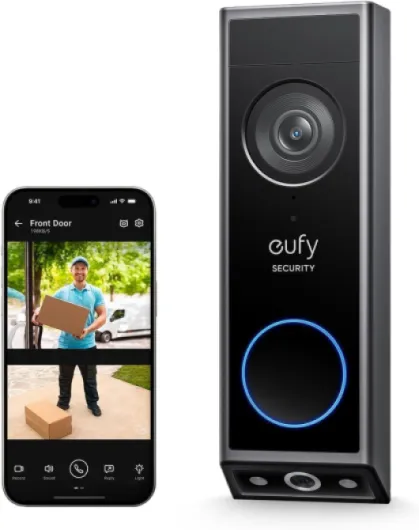
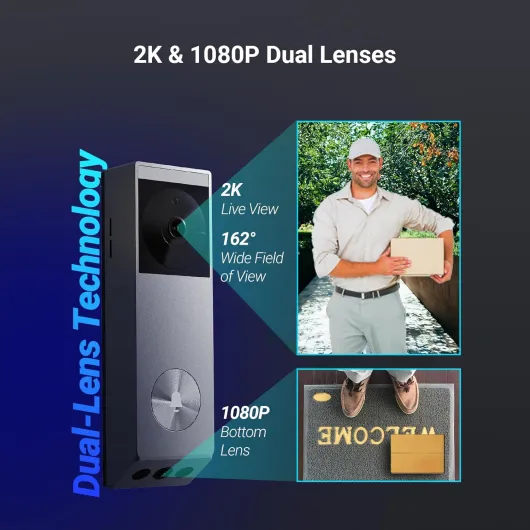
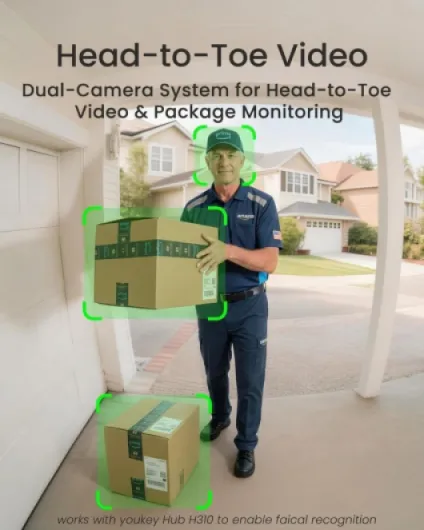
When you stand in front of a long list of video doorbells, it helps to break your decision into clear steps. Start by defining your power preference between a wired doorbell and a battery powered model, because this choice narrows the field quickly. Then focus on resolution, field view, and night vision, which together determine how useful your recordings will be during real security events.
Next, compare the core features that matter most to your household, such as motion detection types, package alerts, and how quickly notifications reach your phone. Look at whether the doorbell camera supports pre roll video, which records a few seconds before motion is detected, because this often captures crucial context. Pay attention to how each app handles multiple doorbells or security cameras, especially if you plan to expand your system later.
Budget planning should include both the upfront price and ongoing costs for cloud subscription or optional accessories. Some of the best 2K video smart doorbells appear affordable at first but require paid plans to unlock advanced detection, extended video storage, or integration with Amazon Alexa and Google Assistant. Others include generous free tiers, local storage options, or bundled chimes that reduce the total cost of ownership over time.
Retailers such as Amazon make it easy to compare user reviews, but you should read them critically. Focus on long term feedback about battery life, Wi Fi stability, and how the doorbell performs in different climates rather than only on first impressions. Pay special attention to comments about night vision quality, motion detection accuracy, and whether the field view matches the manufacturer’s claims.
Before finalizing your choice, measure your doorway, check your existing chime and transformer, and test Wi Fi strength at the installation point. These practical checks prevent surprises, such as a doorbell that partially blocks the frame or a camera whose view is obstructed by railings. If your signal is weak, consider repositioning your router or adding a mesh node to ensure that your 2K video stream remains stable.
Finally, think about how your new doorbell will fit into your broader security strategy over the next several years. A flexible system that supports both local storage and cloud options, works with multiple assistants, and offers regular firmware updates will age more gracefully than a closed, limited platform. By weighing resolution, power, storage, and ecosystem together, you can select a doorbell best aligned with your home, habits, and long term security expectations.
Key statistics about 2K video smart doorbells and home security
- According to a report from Parks Associates, more than 20 percent of broadband households in the United States now own at least one smart home security device, and video doorbells are among the fastest growing categories within that segment (Parks Associates, "Smart Home Tracker," 2023).
- Consumer surveys from the National Retail Federation show that package theft affects roughly one in four online shoppers, which explains why demand for high resolution 2K video doorbells with clear field view and reliable motion detection continues to rise (National Retail Federation, "Package Theft and Online Shopping," 2022).
- Data from Strategy Analytics indicates that cloud subscription services for home security cameras and doorbells generate billions of dollars in annual revenue globally, reflecting how many owners choose ongoing video storage rather than relying solely on local storage (Strategy Analytics, "Smart Home Surveillance Market Forecast," 2023).
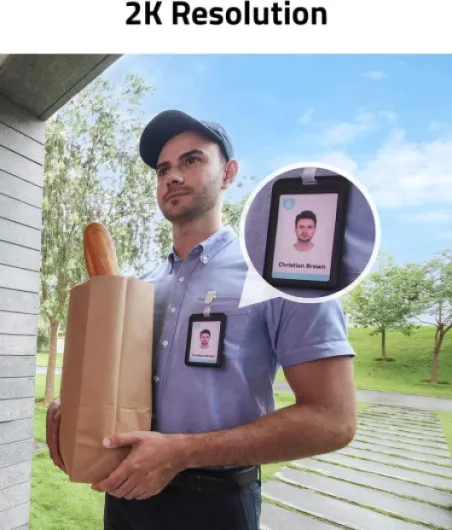
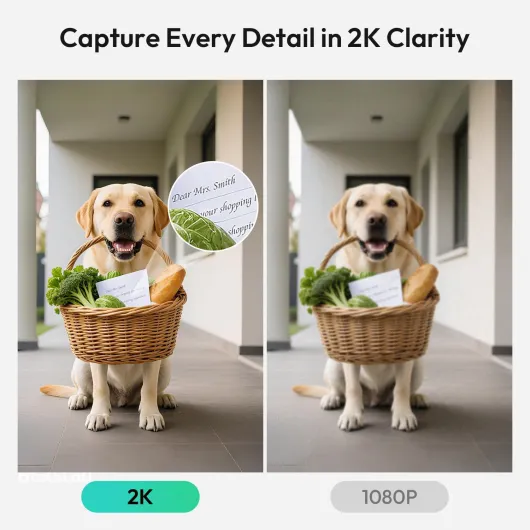
- Independent testing by organizations such as Consumer Reports has found that 2K and higher resolution video doorbells can capture up to 30 percent more usable facial detail at typical porch distances compared with older 1080p models, especially when combined with strong night vision (Consumer Reports, "Video Doorbells Test Results," updated 2023).
- Industry analyses suggest that smart home devices integrated with platforms like Amazon Alexa and Google Assistant see higher daily engagement, which means owners are more likely to use features such as live view, two way audio, and quick video clip sharing from their doorbell cameras (Strategy Analytics, "Voice Assistants in the Smart Home," 2022).