Wired versus battery smart doorbells and what this means for reliability
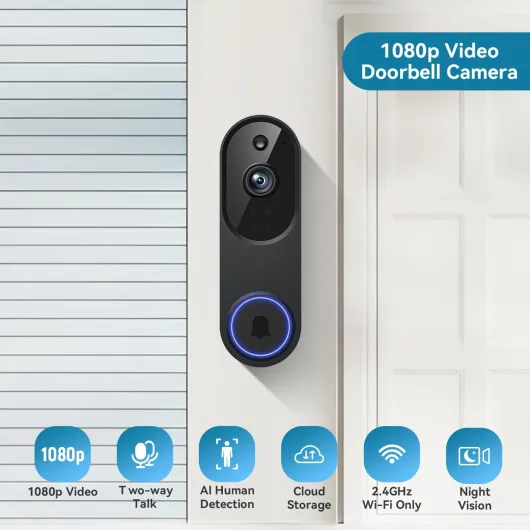
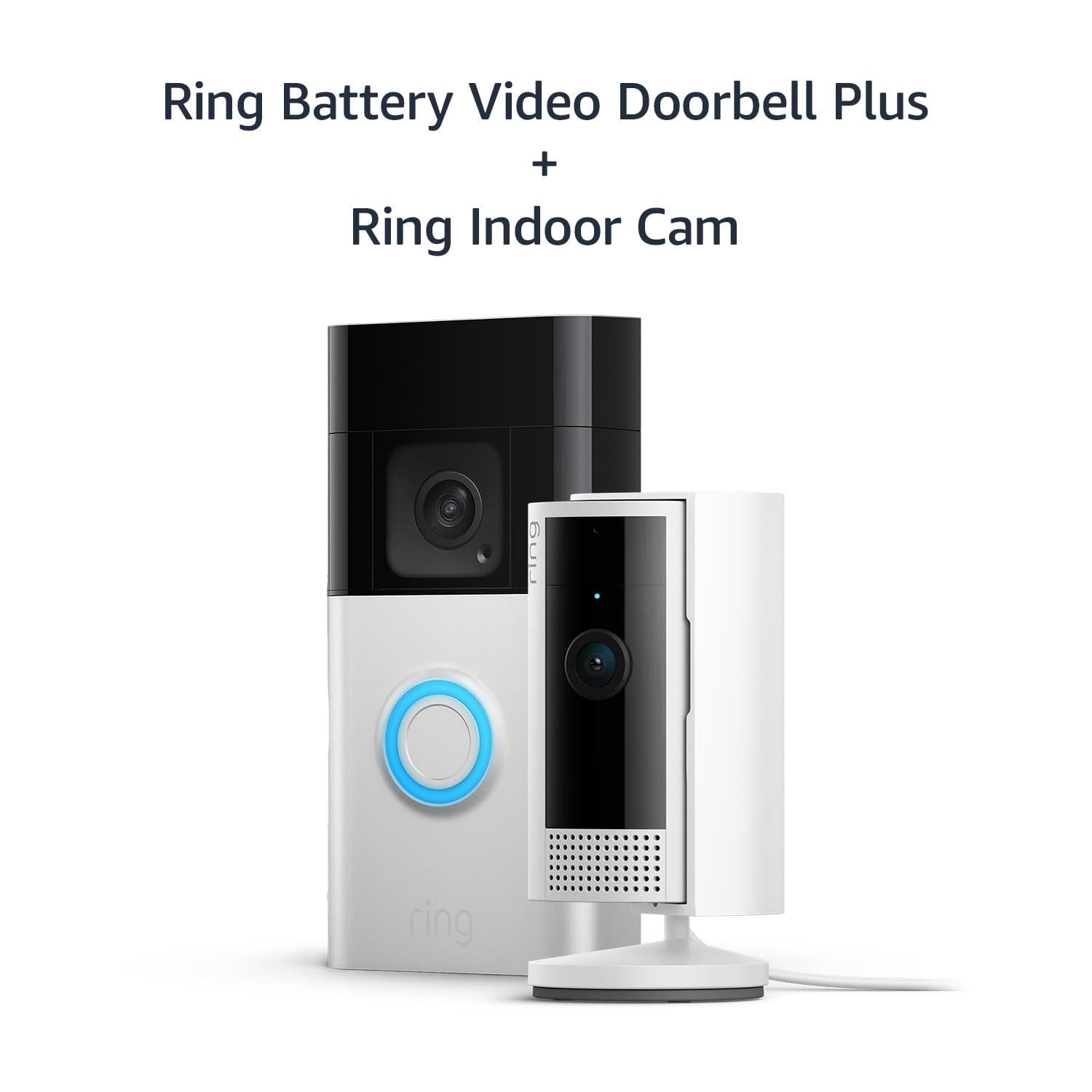
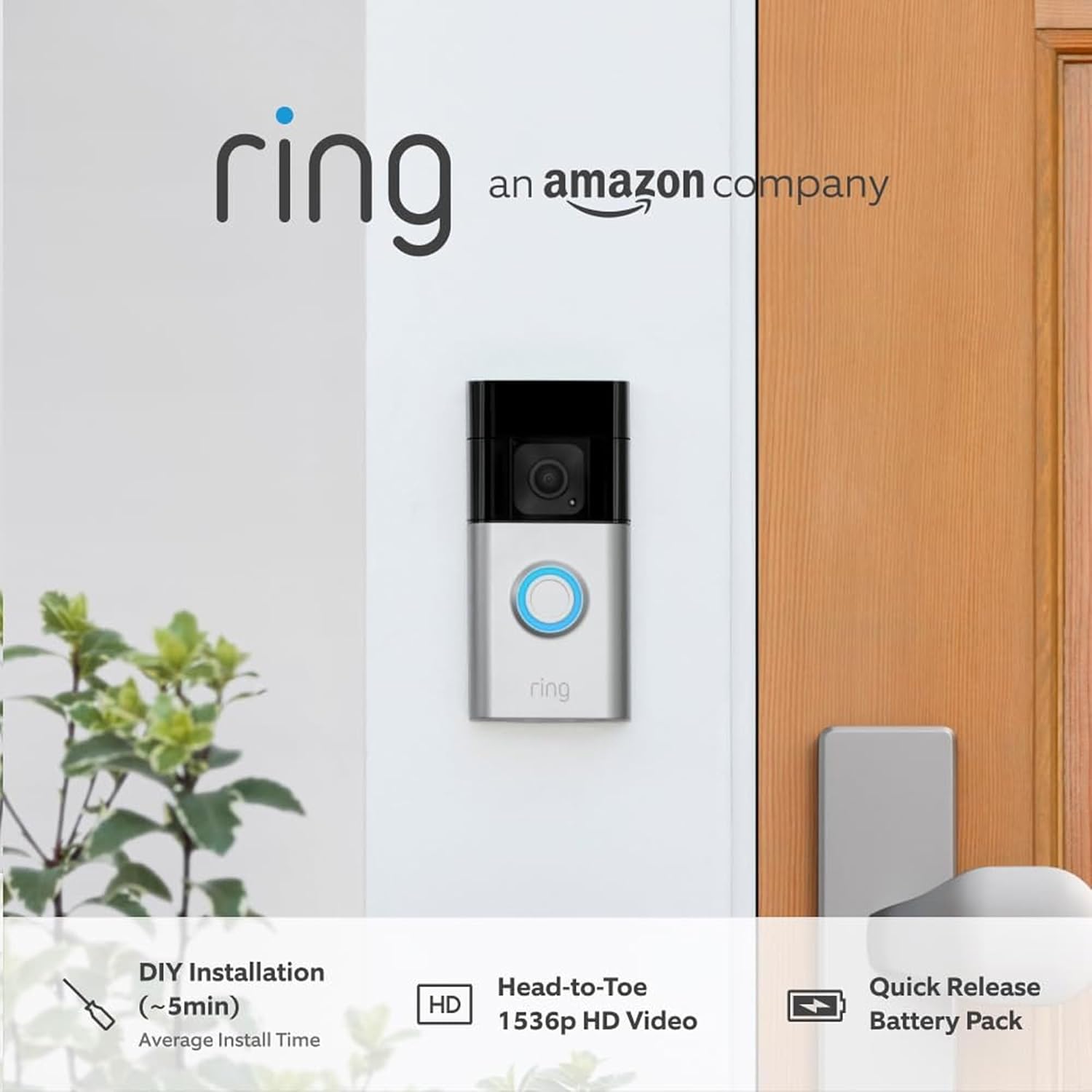
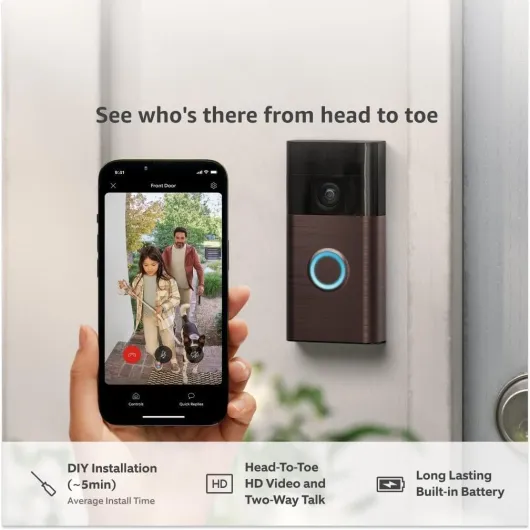
Choosing between a wired smart doorbell and a battery powered model shapes how reliable your front door security will feel. A wired video doorbell draws constant power from your existing chime transformer, which means the camera and night vision can stay active without worrying about recharging a battery every few months. Battery doorbells are easier to install and move, but heavy use of live video, frequent motion detection, and high resolution recording can drain the battery faster than many buyers expect, especially in cold weather or on busy streets.
When you compare the best HD video smart doorbells, look at how each brand handles power saving and motion detection zones. Some doorbell cameras, including several Ring and Tapo models, allow you to fine tune detection areas so passing cars do not constantly trigger the camera and fill your cloud storage or local storage with useless clips. This kind of control not only preserves battery life for wireless doorbells but also reduces the amount of video storage you consume if you pay for a cloud subscription, as reviewers often note when testing doorbells in high traffic locations.
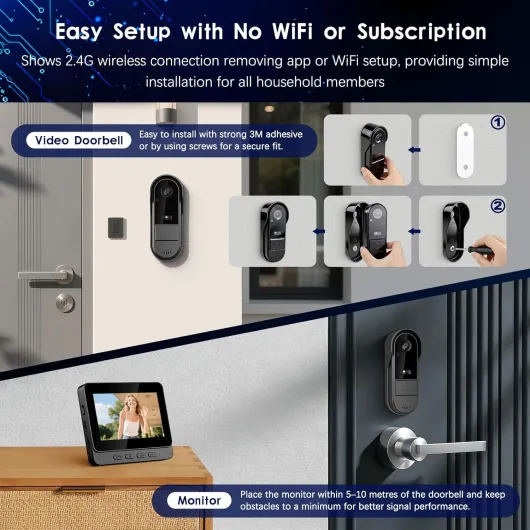
Reliability is not only about power, because wireless interference and network congestion can also affect how quickly your video doorbell sends alerts. If you want to understand how wireless frequency bands influence performance, read this detailed guide on embedded security strategies for smart doorbells at your front door and pay attention to how dual band routers and proper placement improve video stability. For homes with thick walls or long driveways, a wired video connection or a carefully positioned Wi Fi extender can make the difference between a crisp live feed and a frozen frame when someone presses the doorbell button.
Cloud storage, local storage, and the real cost of ownership
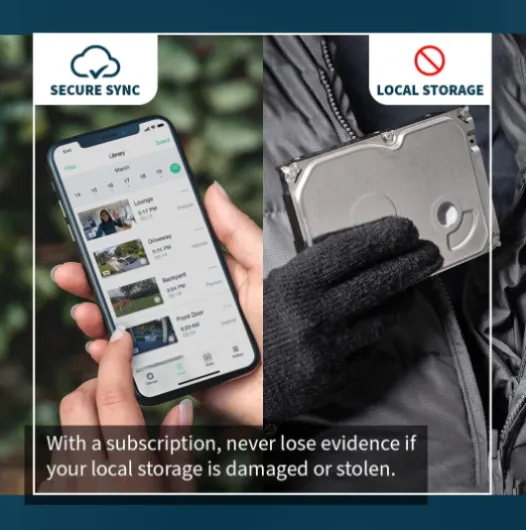
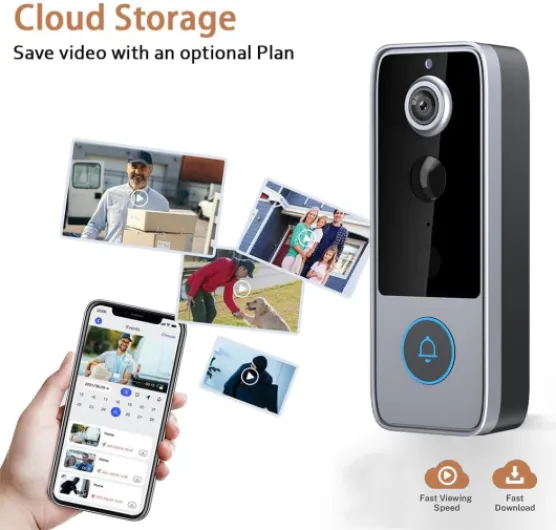
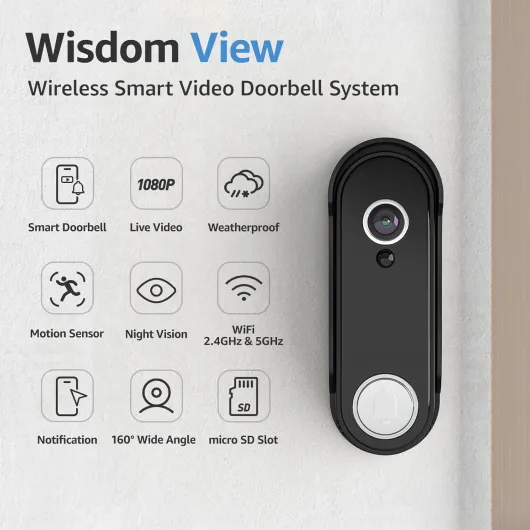
Many people focus on the purchase price of doorbell cameras and forget that storage and subscriptions often define the long term cost. Cloud storage for video doorbells usually requires a monthly or yearly subscription, which unlocks extended video history, advanced motion detection, and sometimes smart alerts that distinguish people from animals or vehicles. Local storage on a microSD card or a home network recorder avoids recurring fees, but if a thief steals the doorbell camera, you may lose both the device and the recordings.
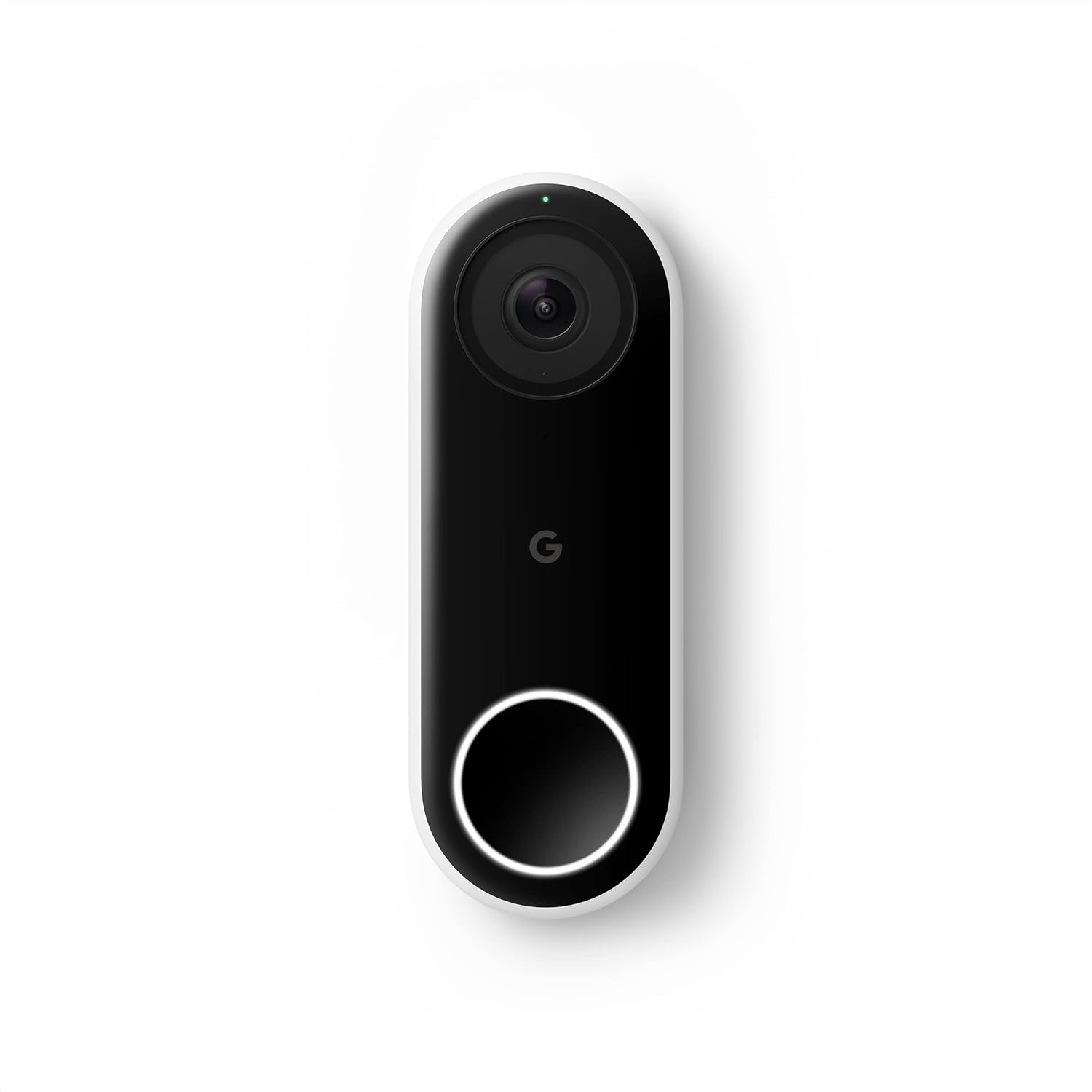
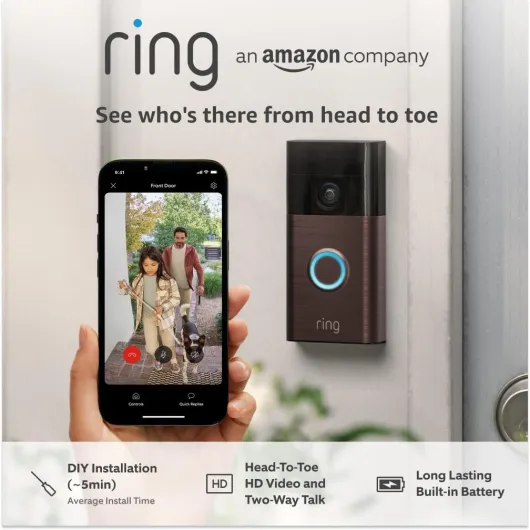
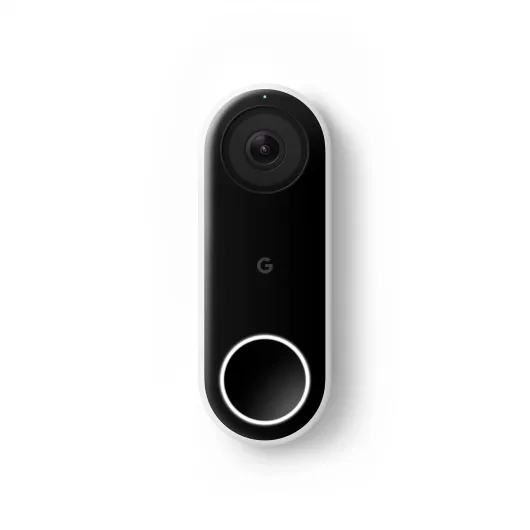
Ring, Nest, and Tapo each take a different approach to video storage and this shapes which models count as the best HD video smart doorbells for different users. Ring doorbell cameras rely heavily on cloud storage through Ring Protect subscriptions, while some Tapo doorbells and security cameras support both cloud and local storage, giving you more flexibility. Google Nest doorbell models integrate tightly with the Google ecosystem and offer event based recording with cloud options, which can be efficient if you already use other Google Nest security cameras at home.
Before you decide which doorbell best fits your budget, calculate the total cost over at least three years, including any subscription for cloud video storage and potential upgrades to your Wi Fi router. For a deeper look at how connected devices behave over time, including how often they upload video clips and status data, you can consult this analysis of how IoT monitoring transforms smart doorbells into reliable security sentinels. This kind of information helps you understand not only storage needs but also how your smart doorbells interact with the wider network in your home.
Field of view, night vision, and motion detection that actually works
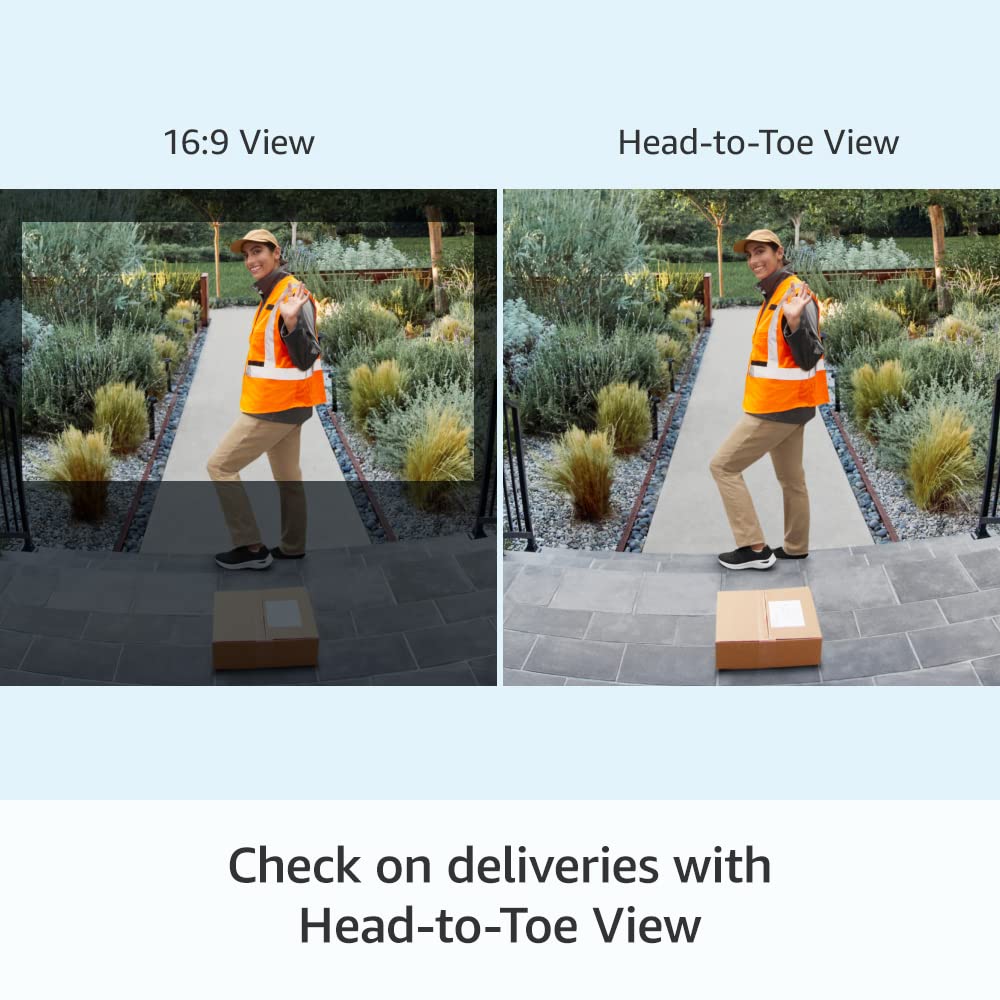
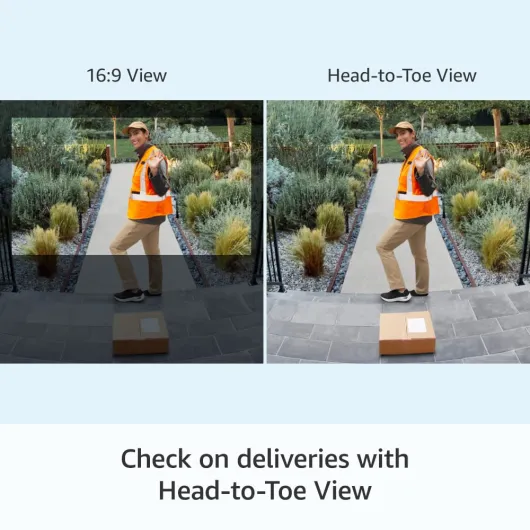
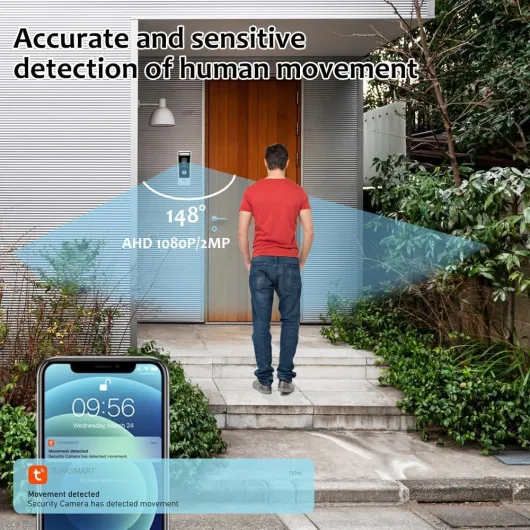
Image quality in daylight is only one part of what defines the best HD video smart doorbells for real world use. The field view of a doorbell camera determines how much of your porch, steps, and driveway you can see, and a wider angle often means you can track parcels left close to the door as well as visitors standing to the side. However, an extremely wide field of view can distort faces near the edges of the frame, so you should compare sample clips from different video doorbells before you buy.
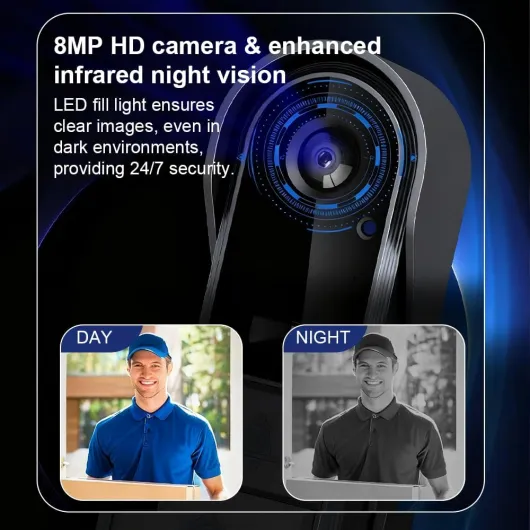
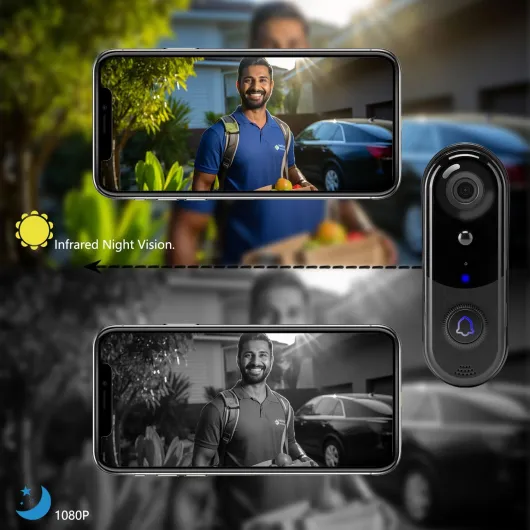
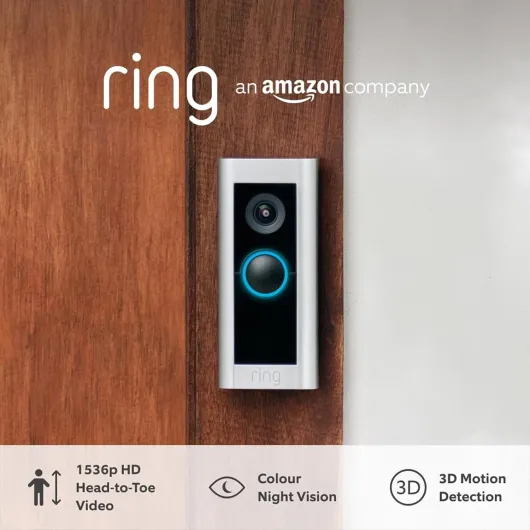
Night vision performance is critical because many attempted break ins and parcel thefts happen after dark when lighting is poor. Infrared night vision on smart doorbells allows the camera to capture clear black and white video even with minimal ambient light, while some pro models use better sensors and software to reduce noise and sharpen details. When you read product pages, look for specific mentions of night vision range in metres and check whether the doorbell cameras support colour night vision under street lighting or only standard infrared.
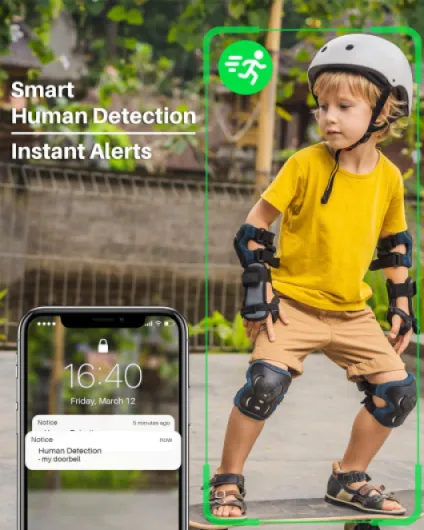
Motion detection has evolved from simple pixel changes to more advanced analysis that can distinguish people from moving branches or passing cars. Brands such as Ring, Google Nest, and Tapo now offer smart detection features that reduce false alerts and help your doorbell pro models focus on relevant events, which is especially important if you pay for cloud storage by the amount of video recorded. If you see technical terms like advanced motion zones or person detection in the specifications, treat them as signs that the manufacturer has invested in smarter detection algorithms rather than relying on basic triggers that flood your phone with notifications.
Smart home integration with Amazon Alexa, Google Nest, and more
For many households, the best HD video smart doorbells are those that integrate smoothly with existing smart speakers, displays, and security cameras. If you already use Amazon Alexa devices, look for a video doorbell that supports Amazon Alexa so you can say simple commands to show the live camera feed on an Echo Show screen. People who prefer Google Assistant compatibility or the Google Nest ecosystem should check whether their chosen Nest doorbell or other doorbells can stream video to Nest Hub displays and interact with routines.
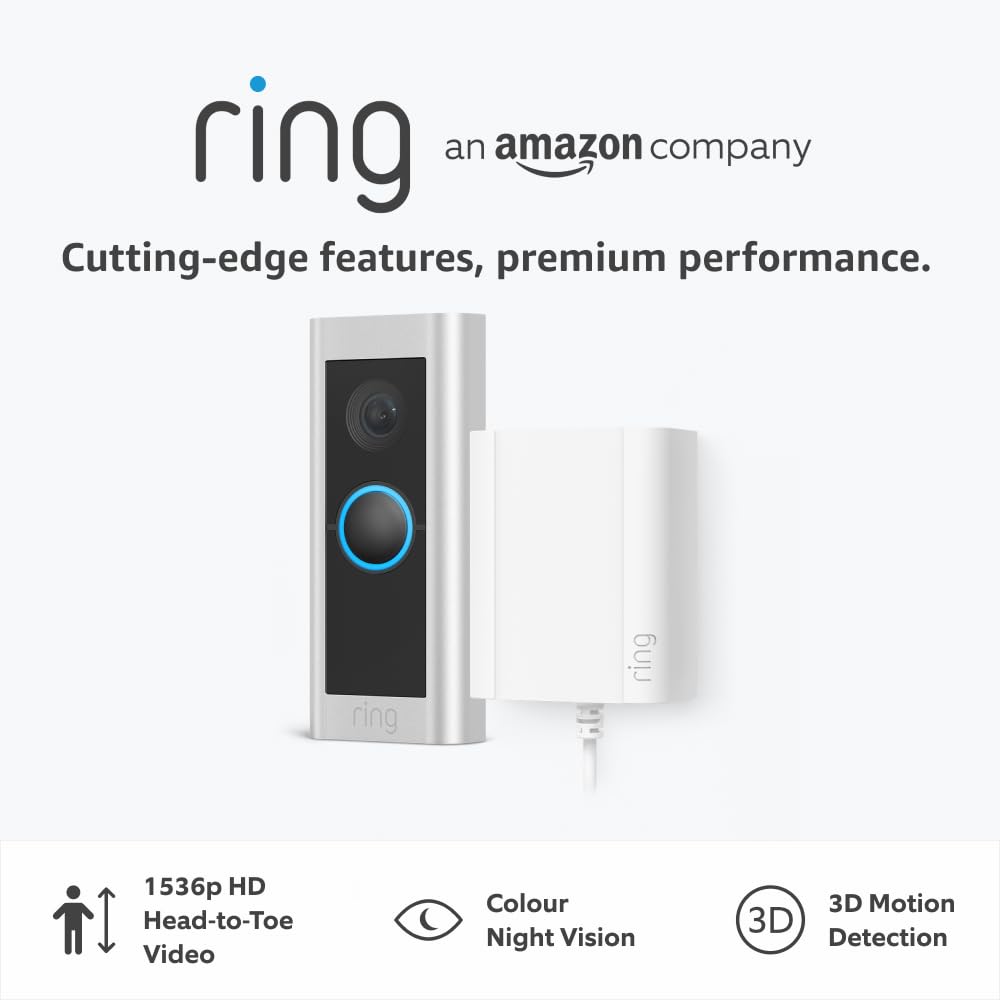
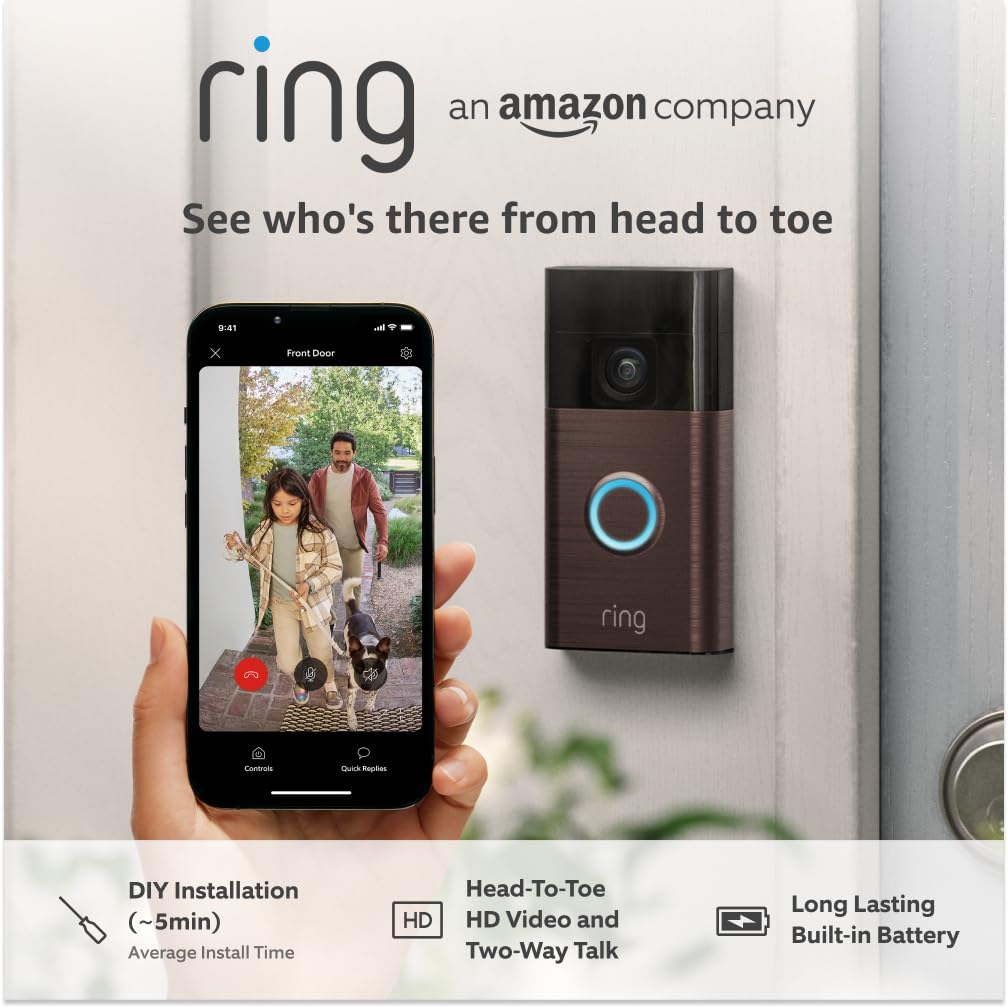
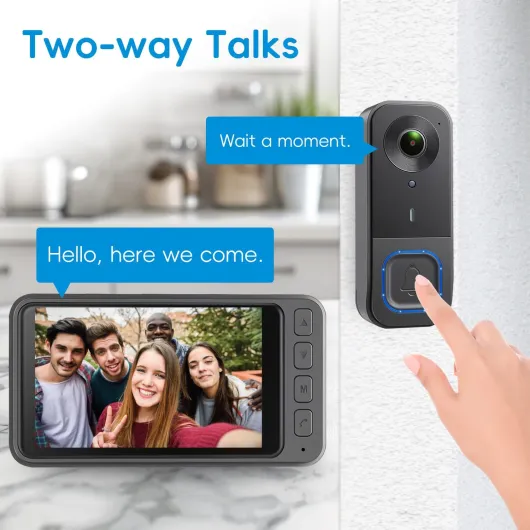
Ring doorbells are tightly linked to Amazon, which makes them a natural fit for Alexa users who want to see the doorbell camera feed or talk to visitors through voice commands. Google Nest doorbell models, on the other hand, integrate with Google Assistant and Nest security cameras, creating a unified view of your property through the Google Home app. Tapo doorbells from TP Link Tapo often support both Amazon Alexa and Google Assistant, which can be helpful if your household mixes different smart platforms or you plan to switch ecosystems later.
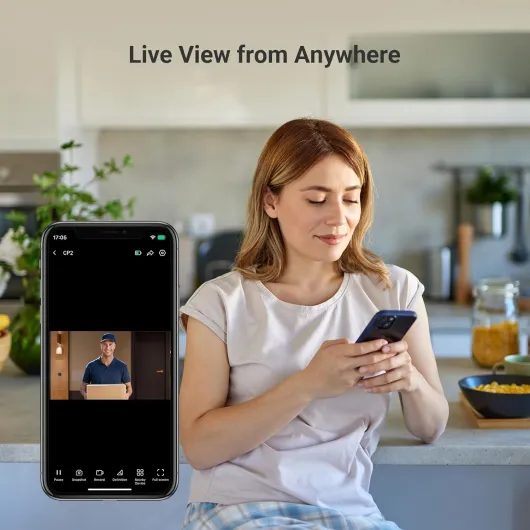
When you assess smart home integration, think about how you will actually use the features day to day rather than just ticking boxes on a specification sheet. Being able to answer the doorbell from your phone is useful, but seeing the video doorbells feed on a kitchen display while your hands are full can be even more valuable. Check whether the doorbell pro models you are considering support automation such as turning on porch lights when motion detection triggers, because this kind of integration can improve both convenience and security without adding extra complexity.
How to match specific smart doorbells to different types of homes
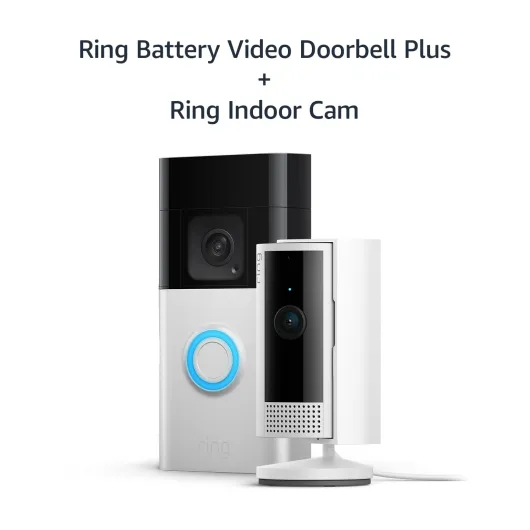
Not every home needs the same type of smart doorbell, so the best HD video smart doorbells for a city flat will differ from those for a large detached house. In a small apartment, a compact battery powered video doorbell with reliable Wi Fi and simple cloud storage may be enough, especially if you cannot easily install a wired chime. For larger properties with multiple entrances, you may want several doorbell cameras and extra security cameras that share the same app, which makes it easier to monitor every angle.
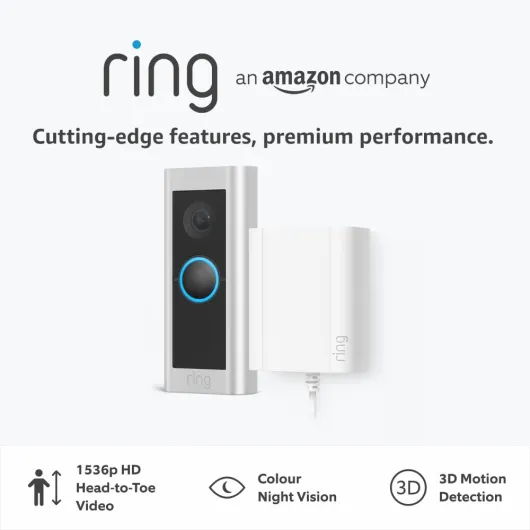
Terraced houses and townhouses often benefit from a wired video doorbell because the distance to the router is shorter and existing doorbell wiring is usually available. In these cases, a Ring Video Doorbell Wired model or a wired Nest doorbell can provide stable power and consistent video without the need to recharge a battery, while still offering smart detection and integration with Amazon Alexa or Google Nest displays. If your front door is exposed to busy streets, fine tuning motion detection zones and field view becomes essential so that your doorbells do not trigger constantly from passing traffic.
For rural homes or properties with long driveways, pay close attention to wireless range, antenna design, and how the doorbell camera handles weaker signals. You may need to invest in a mesh Wi Fi system or a carefully placed extender to ensure that your video doorbells and other smart devices maintain a strong connection. When evaluating which doorbell best suits such challenging environments, look for independent tests that measure real world performance rather than relying only on marketing claims, and consider professional grade pro models if your security needs are particularly high.
Key statistics on smart doorbells and home security
- According to data from Parks Associates, more than 20 percent of broadband households in the United States now own at least one smart video doorbell, showing how quickly these devices have moved from niche gadgets to mainstream security tools. You can find the latest figures in the Parks Associates smart home research reports, which track adoption of connected security products.
- Research from Consumer Reports has found that many leading doorbell cameras record at 1080p resolution, while premium models offering 2K or higher resolution can capture up to four times more detail, which significantly improves the ability to identify faces and licence plates. Their comparative tests also highlight differences in field of view, with some models exceeding 160 degrees horizontally.
- A study by the UK police service has indicated that visible security cameras and video doorbells can contribute to a measurable reduction in opportunistic burglary, particularly when combined with good lighting and secure locks on doors and windows. The research notes that offenders often avoid homes where surveillance equipment is clearly visible.
- Cloud storage subscriptions for popular brands such as Ring and Google Nest typically range from a few euros per month for a single camera to higher tier plans that cover multiple devices, which means ongoing fees can easily exceed the original purchase price over several years. Checking the small print on video history length and the number of supported cameras is essential before you commit.
- Independent testing by organisations such as AV TEST and UL has highlighted that regular firmware updates and strong encryption are critical for connected doorbells, because vulnerabilities in smart devices can otherwise provide attackers with a potential route into home networks. Their published evaluations often score products on password policies, data protection, and update practices.


![Smart Video Doorbell [NO SUBSCRIPTION REQUIRED] Full HD Live View & Two-Way Audio - Motion Recordings - Customisable Privacy Zones - Night Vision - Real-Time Call - Works with the Home app Yale Smart Video Doorbell](https://www.smart-doorbell-guru.com/storage/836353/conversions/51ziYZ1jJnL._AC_SL1500_-medium.webp)